

Winter in Toronto can make recovery from a car accident feel tougher than you’d expect. The roads freeze, daylight disappears faster, and every day can feel a bit heavier. If you’re healing from accident injuries, these colder months bring challenges. Stiffness, fatigue, and muscle strain can all pile up, making even small tasks more difficult.
That’s why timing is key. Getting ahead of the season is one of the best ways to support your healing. Waiting for pain to get worse can set you back and make recovery stretch on longer. Motor vehicle accident rehabilitation works best as part of your plan before winter hits full force. Thinking ahead can help you feel more steady and prepared as the city cools down.
How Cold Weather Impacts Recovery
Cold weather impacts an injured body in ways you sometimes don’t spot until the season shifts. If you are recovering from a car accident, your muscles may already be sore or on guard. When the cold settles in, the body can feel stuck, and mornings get rougher. Stiff joints and aching backs are common, especially as temperatures drop.
That tight feeling comes on quickly when we move less and hunch against the wind. This posture carries through your whole day, in every activity, big and small. Injury sites can become even more sensitive, as cold tends to make discomfort stand out.
More time spent indoors can lead to other problems. Fewer outdoor walks or missed exercise means muscles and joints are not moving as much. Poor posture from long stretches at a desk or on the couch pushes your body further away from healing. Sitting still does not help recovery—sometimes it slows it down.
Why Early Rehab Support Matters
It’s easy to wait and see if things improve. But early motor vehicle accident rehabilitation often makes a bigger difference than most people expect. Starting care now helps you build some momentum and keeps gains in flexibility and comfort moving forward.
Planning ahead lets you adjust before winter ramps up. Nobody wants to play catch-up once sidewalks are icy or traffic is crawling. If you already have a routine in place, new stresses feel easier to handle. You’ll have tools and support to manage flare-ups or setbacks as they come.
Starting treatment before the coldest months also means it’s easier to stay consistent. Holiday rush, weather warnings, and busy schedules can distract you from recovery later. Working out your plan now gives you the best chance to stay on track, even as life speeds up.
Making a Rehab Schedule That Works for You
Winter brings more hustle than the rest of the year. Work deadlines, family gatherings, and unpredictable commutes can drain your time and energy. Setting a regular rehab schedule now keeps you in control, not just reacting to setbacks.
– Find a regular time in your week that you can protect, even if it’s just for a short session or a mindful break. – Expect that some weeks will be harder to manage with weather or holiday delays, so build in some flexibility. – Don’t let cold days or busy mornings be reasons to skip gentle care. Keep a steady routine, even when motivation dips.
A supportive schedule is less about fitting in appointments and more about making sure you’re not pushed to the end of your own priority list.
Safe Movement and Daily Habits During Winter
Winter recovery isn’t about tough workouts or big jumps in strength. Instead, it’s about gentle movement, awareness, and patience as your body responds to changing weather.
– Outside, walk with short, steady steps to help stay balanced on icy or wet sidewalks. – If shovelling or clearing the car, take breaks and use both hands to spread the load. – Indoors, watch your posture, especially if long hours at a desk or screen are part of your day.
Staying active is important, but overdoing it increases the risk of pain or new injuries. Support from motor vehicle accident rehabilitation gives you strategies to keep daily life safer and less painful. It’s about keeping things moving without tipping into a rush.
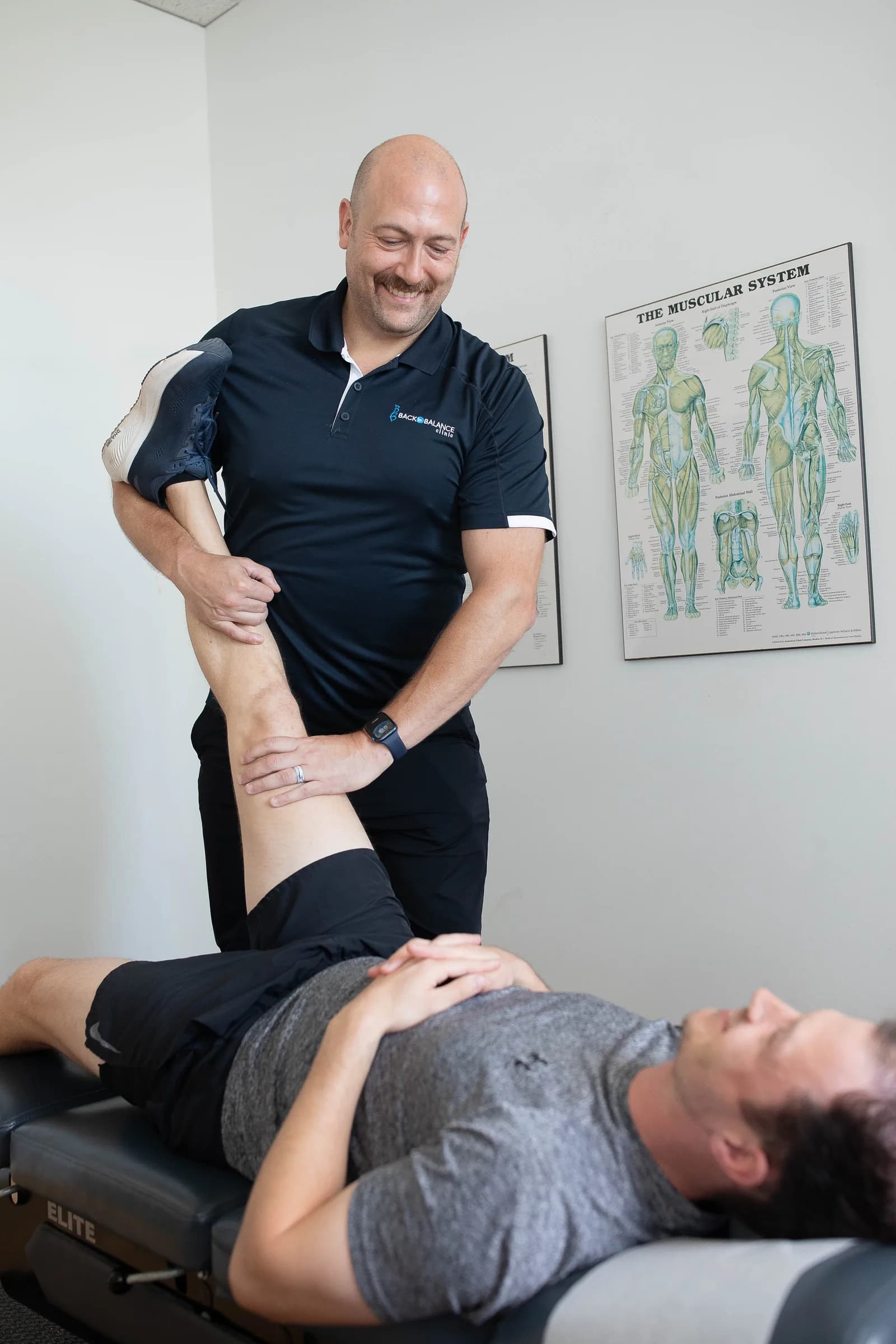
Back In Balance Clinic combines rehab exercise, manual therapy, and chiropractic care to target areas affected by motor vehicle accidents so you can rebuild safely at your own pace.
What to Expect from a Supportive Rehab Plan
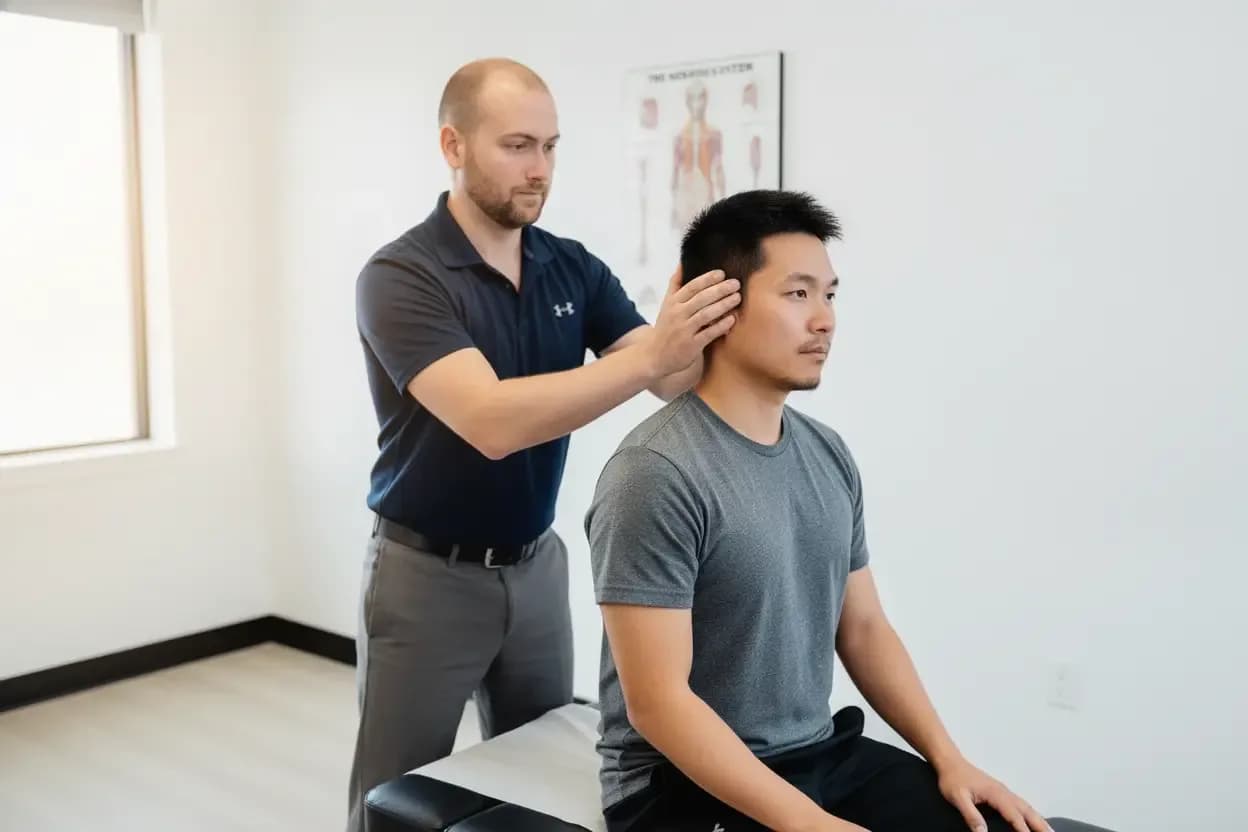
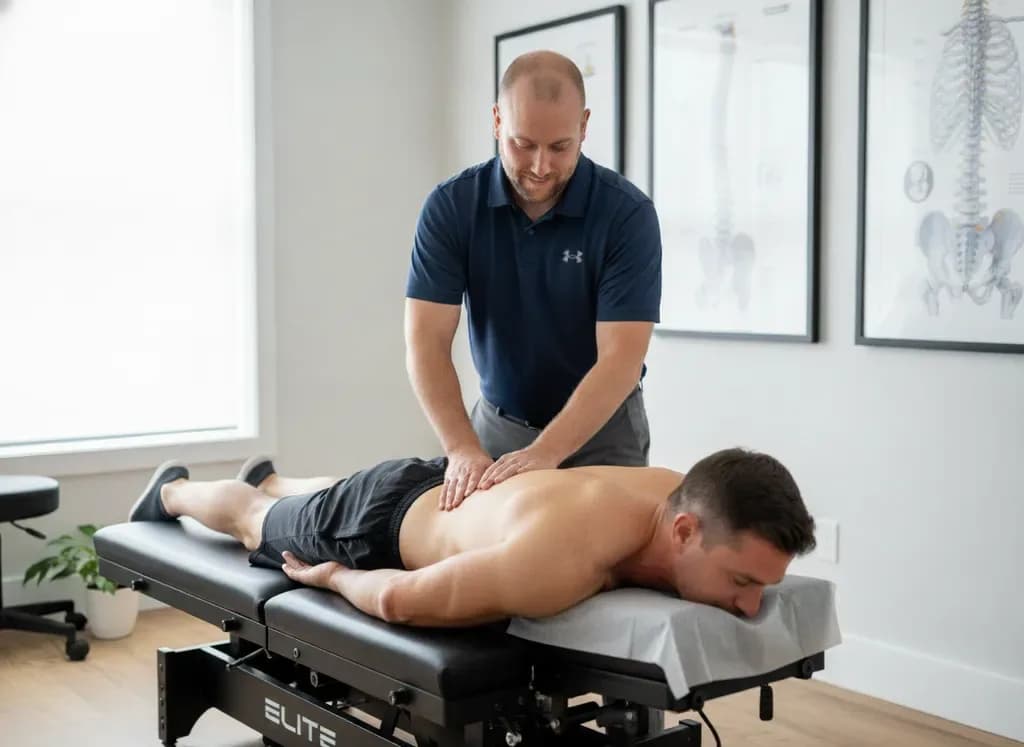
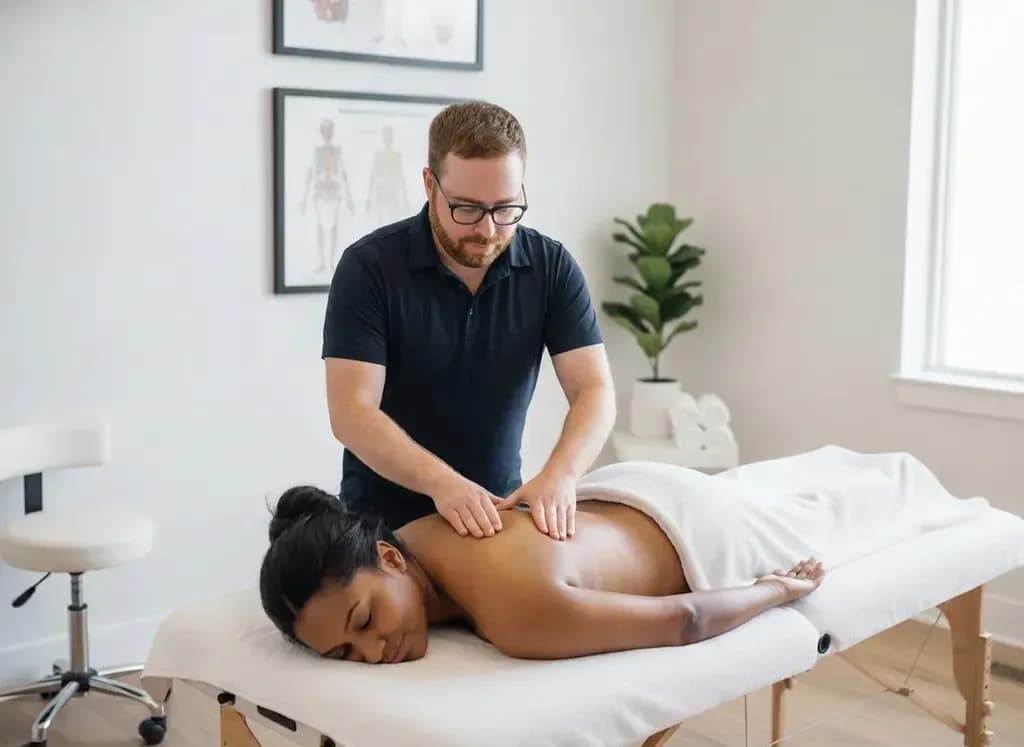
A strong rehab plan responds to your body, not just a textbook injury. Your sessions might blend massage therapy, hands-on care, and movement exercises that match where you are each visit.
Treatment often focuses on loosening joints that stiffen up in the cold, easing muscle tension built up from poor posture or less activity, and restoring function where strength or movement was lost. Chiropractic adjustments and progressive exercise are tailored to reduce pain and restore confidence.
Each plan is personal and flexible, shifting with how your body feels from one week to the next. As the cold months set in, you can expect your care to adjust, emphasizing gentle progression and steady gains. It’s support designed to help you feel better and stronger, no matter how quick the temperature drops or how busy life becomes.
Staying Ahead of Winter Strain
Toronto winters add more strain if injuries are not managed early. Cold and dark days will test your recovery, but you have options to make things easier. Getting started now means less playing catch up and fewer painful surprises down the road.
A solid rehab routine is one way to carve out space for comfort, movement, and strength. Planning your recovery alongside the changing season keeps you ready for anything winter throws your way. Support your body now so you can handle the colder months without letting pain, stiffness, or setbacks slow you down.
Winter recovery can feel slower, but having the right support makes a real difference. If you’ve been dealing with post-accident pain or stiffness, the care you choose matters—especially as the weather in Toronto shifts. Our approach to motor vehicle accident rehabilitation focuses on helping you move more comfortably and feel steadier through every season. Back In Balance Clinic is here to support your recovery with care that fits real life. Book an assessment to see how we can help you feel more grounded this winter.
Related reading: Is Massage Therapy in Toronto Different in the Spring Months.