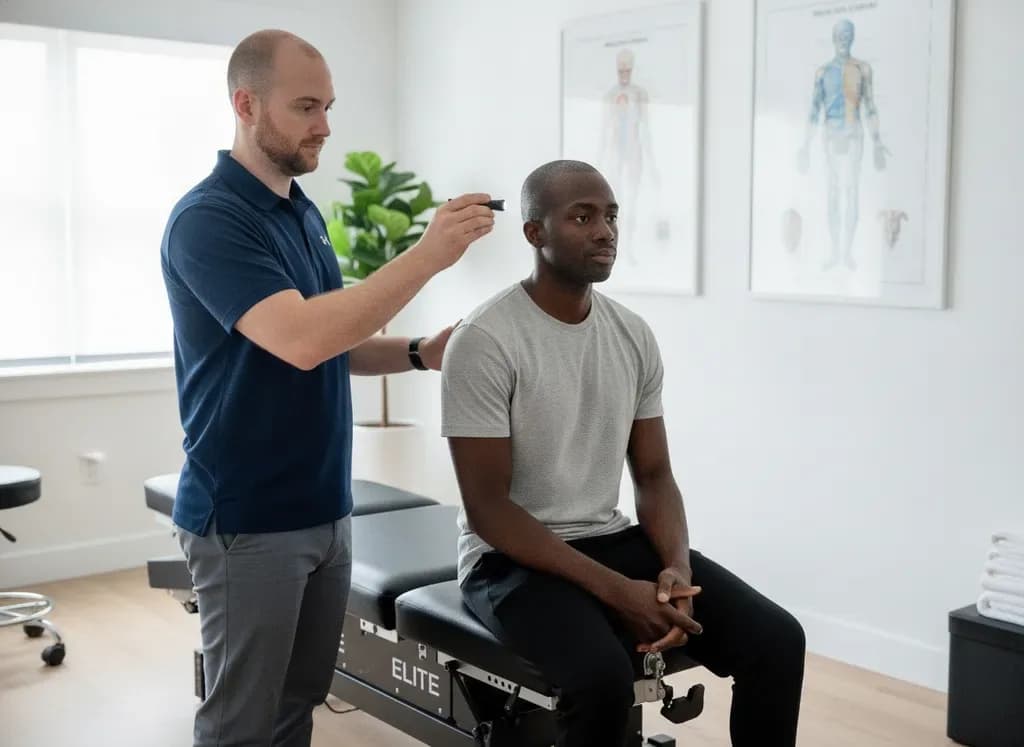
Vestibular & oculomotor
Dizziness, balance issues, and visual symptoms triggered by motion or busy environments, treated with graded exposure and gaze stability exercises.
Concussion assessment, baseline testing, and multi-phase rehabilitation in downtown Toronto, vestibular, cervical, oculomotor, and a graded return to activity in one place.
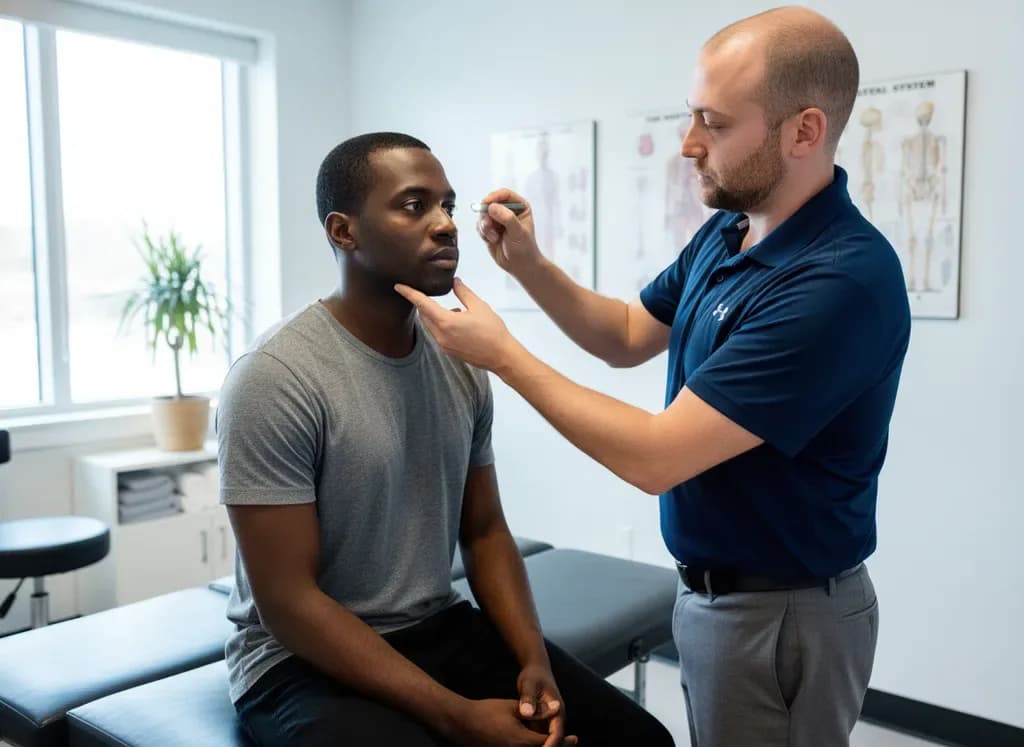
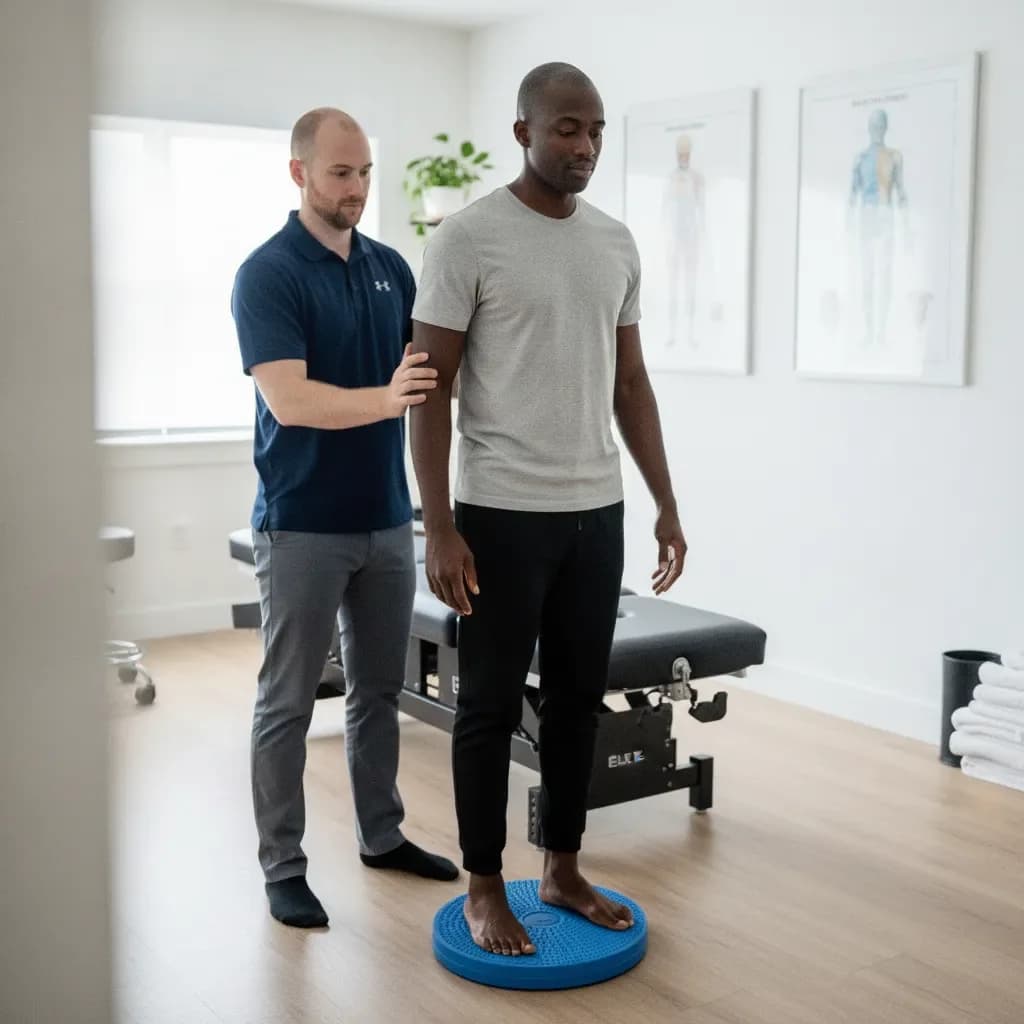
Concussion care has changed dramatically over the past decade. The old advice, sit in a dark room, avoid screens, wait it out, is now considered actively unhelpful past the first 24–48 hours. Current evidence supports early, sub-symptom-threshold activity, targeted rehabilitation of the systems concussion typically disrupts, and a structured progression back to sport, school, or work.
Our care follows a multi-modal protocol aligned with the consensus statements (Berlin / Amsterdam) used in sports medicine and hospital-based concussion clinics. We assess the systems most often affected, vestibular, oculomotor, cervical, autonomic, and treat the ones driving your symptoms.
Dizziness, balance issues, and visual symptoms triggered by motion or busy environments, treated with graded exposure and gaze stability exercises.
Neck-driven headaches, dizziness, and pain that often co-occur with concussion. Manual therapy and motor control retraining target these directly.
Exercise intolerance, fatigue, and lightheadedness, addressed with the Buffalo Concussion Treadmill Test and a progressive aerobic protocol.
Every concussion presents differently. Your plan is built around what your assessment shows, not a one-size protocol. Here's the menu of components we draw from.
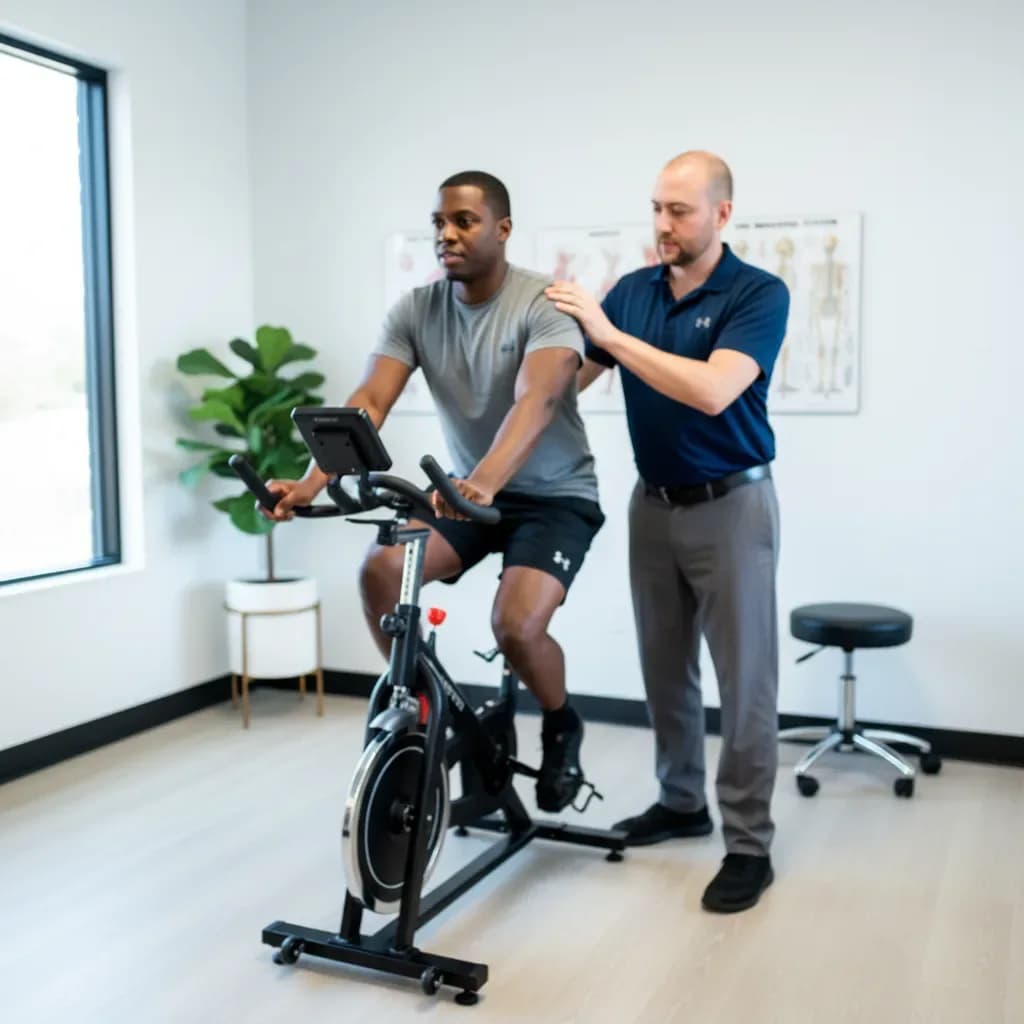
Whether the goal is contact sport, a desk job, university classes, or all three, the return progression follows the same logic: introduce one stressor at a time, monitor symptoms, and only progress when the previous stage is tolerated symptom-free.
We coordinate with team physicians, athletic therapists, family doctors, and school accommodations whenever needed. If you need a written return-to-sport or return-to-learn letter, we'll provide one, these aren't generic templates, they're tied to what your assessment shows.
VOMS
Trained provider
BCTT
Treadmill protocol
Berlin
Consensus protocols
Multi-phase
From acute to return
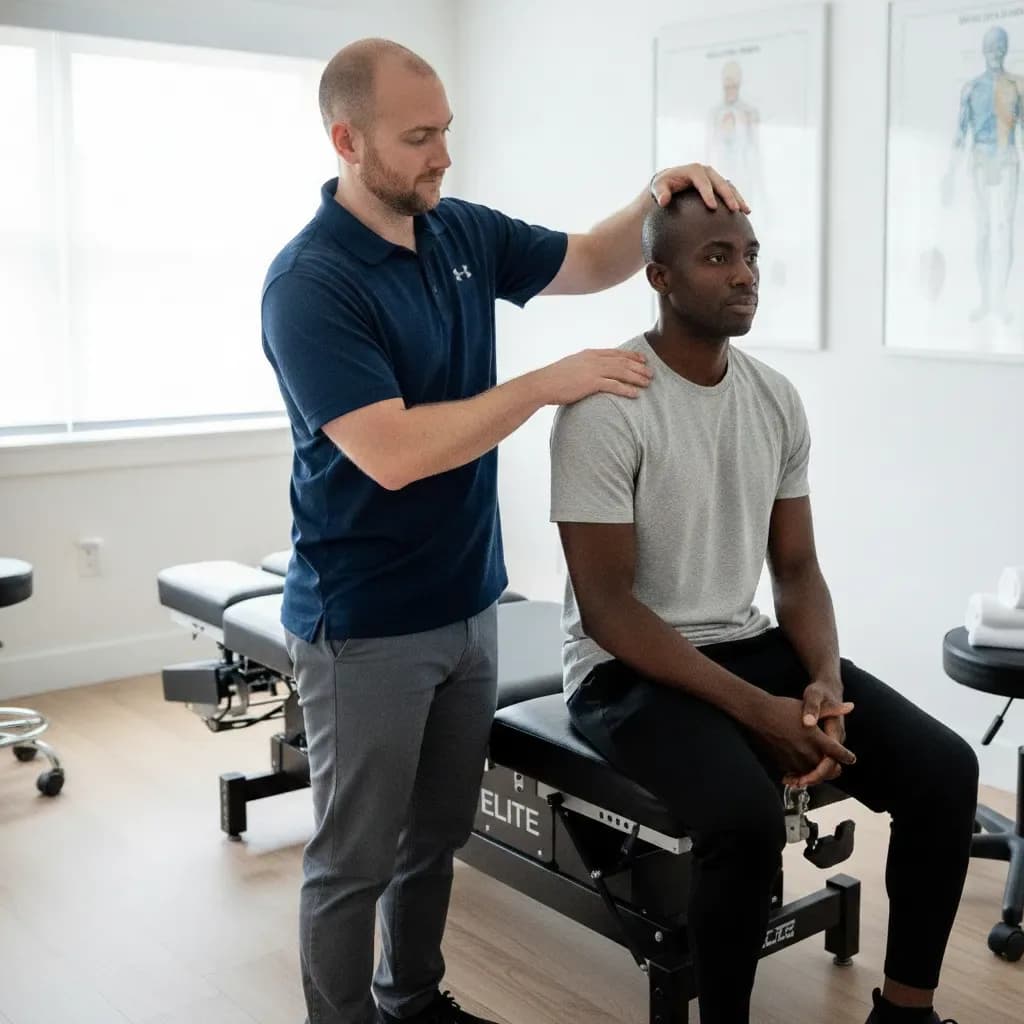
There's an old myth that concussion care should wait until the patient 'isn't symptomatic enough' or that early treatment makes things worse. The current evidence says the opposite: starting structured rehab inside the first 1–2 weeks is associated with shorter recovery times and lower rates of persistent symptoms.
If it's been more than 4 weeks and you're still symptomatic, that's persistent post-concussive syndrome territory, and it's exactly the situation rehab is designed for. Don't keep waiting it out.
Common reasons people come in for this.
About concussion management
About the clinic
A few words from people we've helped get back to what they love.
“Steps from College station and they direct-bill my insurance, so it's an easy visit. Real assessment, no pressure, and a plan I could actually follow at home.”
“I saw Dr. Clarke through my pregnancy for pelvic pain. Gentle, knowledgeable, and reassuring the whole way. It made a real difference to how I felt day to day.”
“Booked for a running gait analysis before a half marathon. The video breakdown of my stride was eye-opening and the exercises sorted out the knee pain that kept derailing my training.”

Screens can trigger headaches, eye fatigue, dizziness and brain fog after a concussion. This practical four-stage plan explains how to reduce screen exposure initially, rebuild tolerance and return to normal use.
Read the article
Learn how motor vehicle accident rehabilitation in Toronto helps guide recovery from stiffness, pain, or setbacks after a collision, one step at a time.
Read the article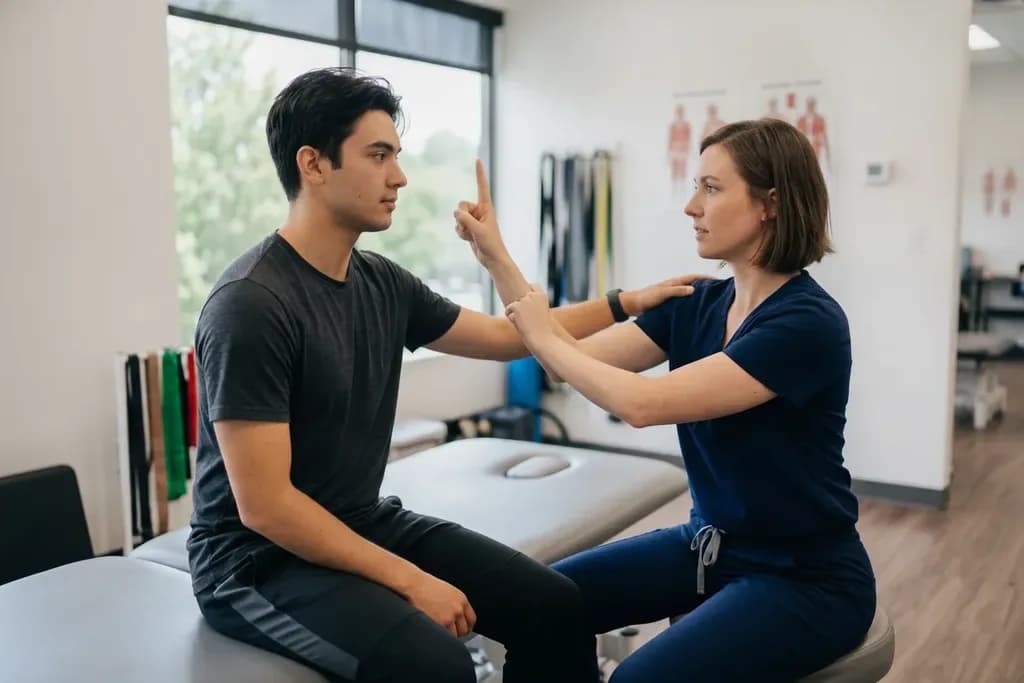
Learn when symptoms might point to something more serious and how timely concussion treatment in Toronto can support your recovery this winter.
Read the articleTell us what you need from concussion management and the front desk will match you with the right practitioner.