Back In Balance Clinic

Lower Back Pain treatment in Toronto

Lower back pain is the most common reason patients book at Back In Balance, from acute flare-ups and sciatica to chronic pain that limits daily life. Same-day chiropractic assessments for lower back pain at our downtown Toronto clinic.

(416) 660-9932
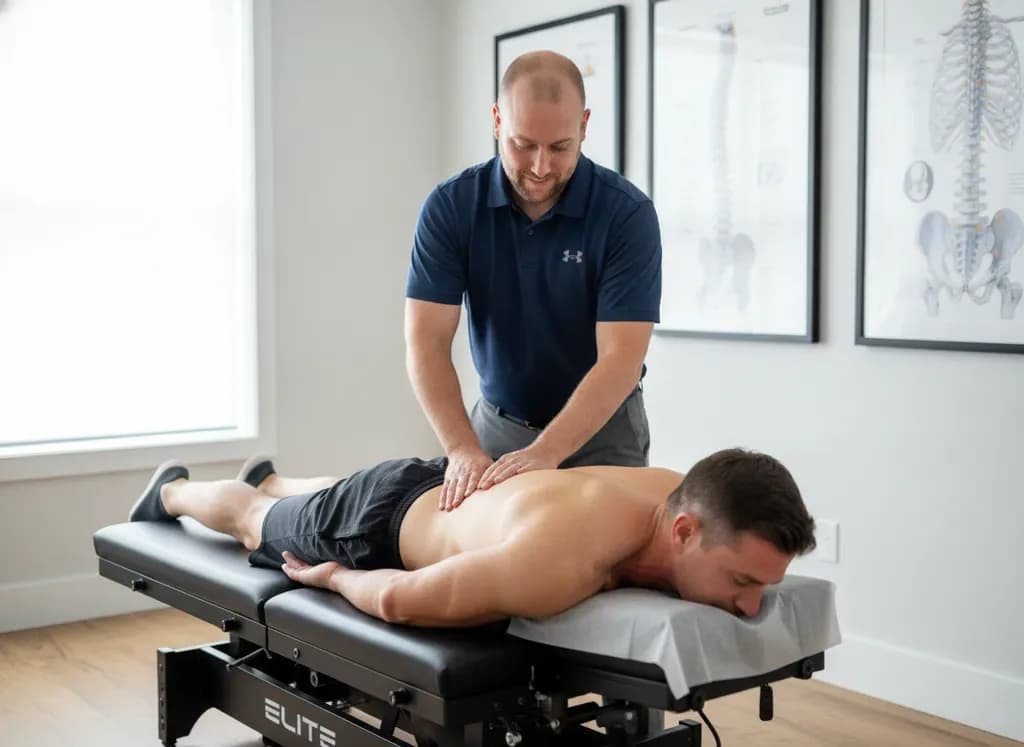
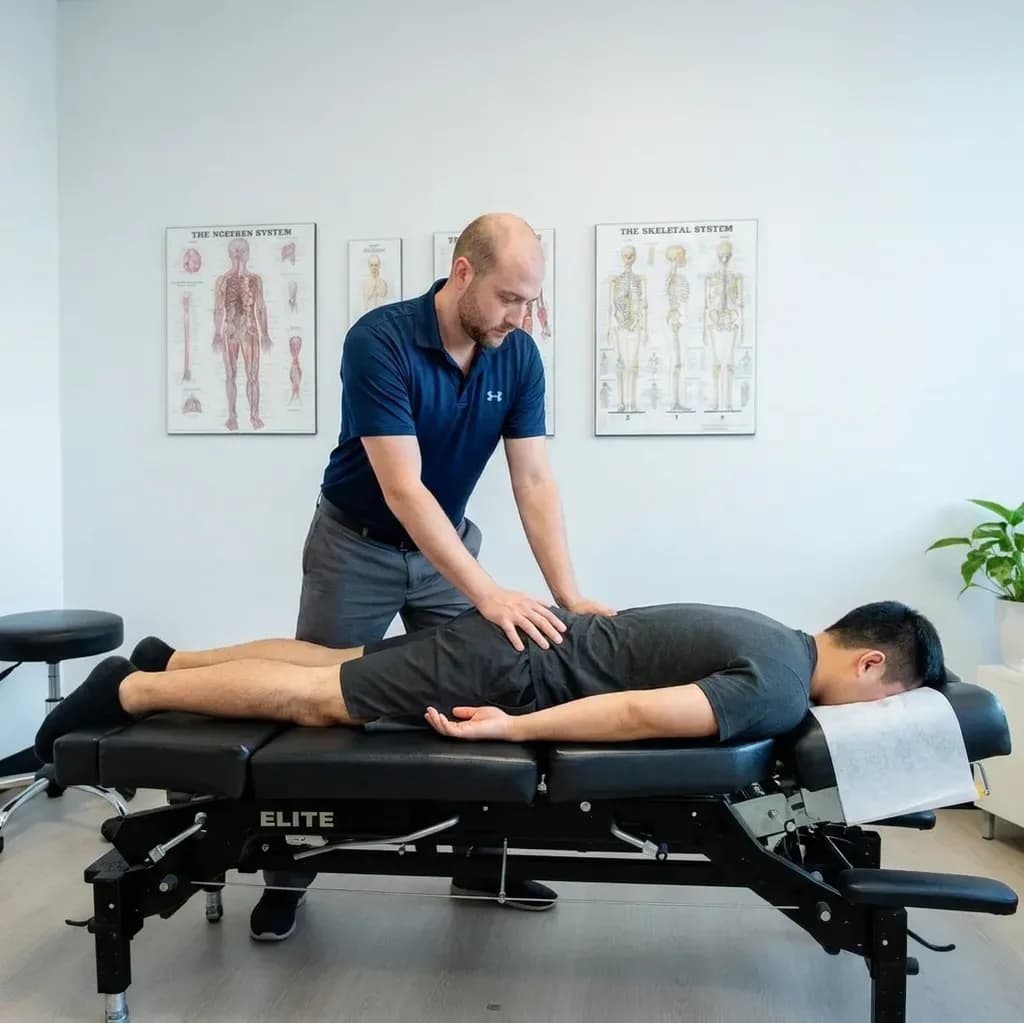
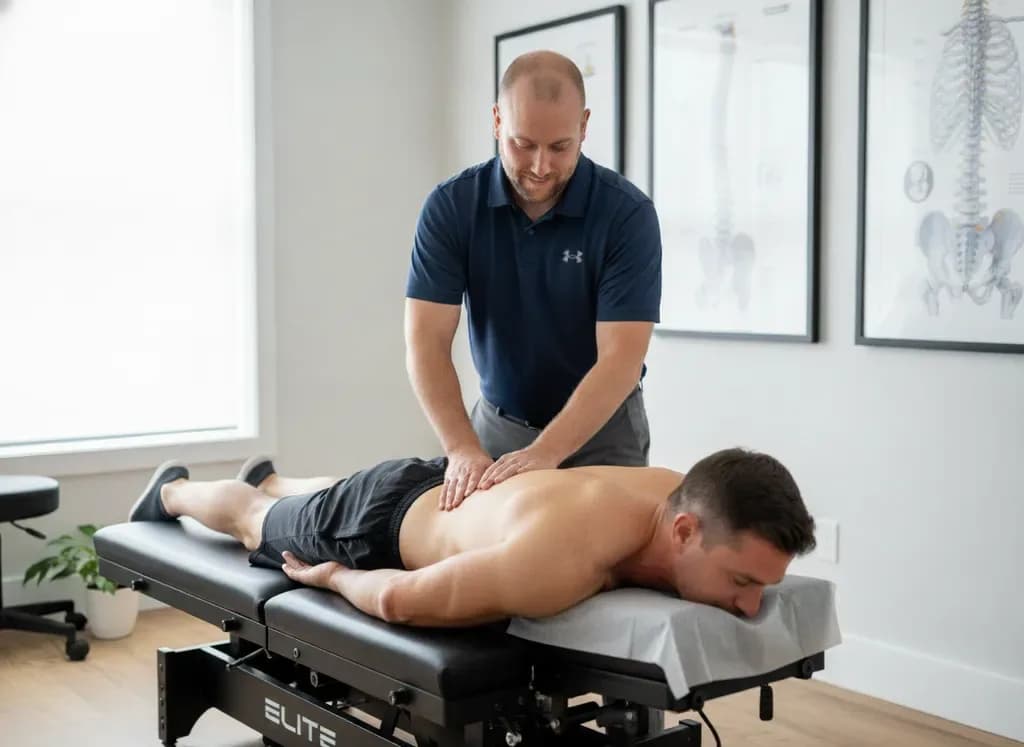
Chiropractor adjusting a male Caucasian patient lumbar spine — Back In Balance Clinic, downtown Toronto
Since 2009Hospital-Affiliated Spine CareWomen's HealthRunning & SportsWSIB & MVA ClaimsLGBTQ+ FriendlyDirect Billing to Insurance
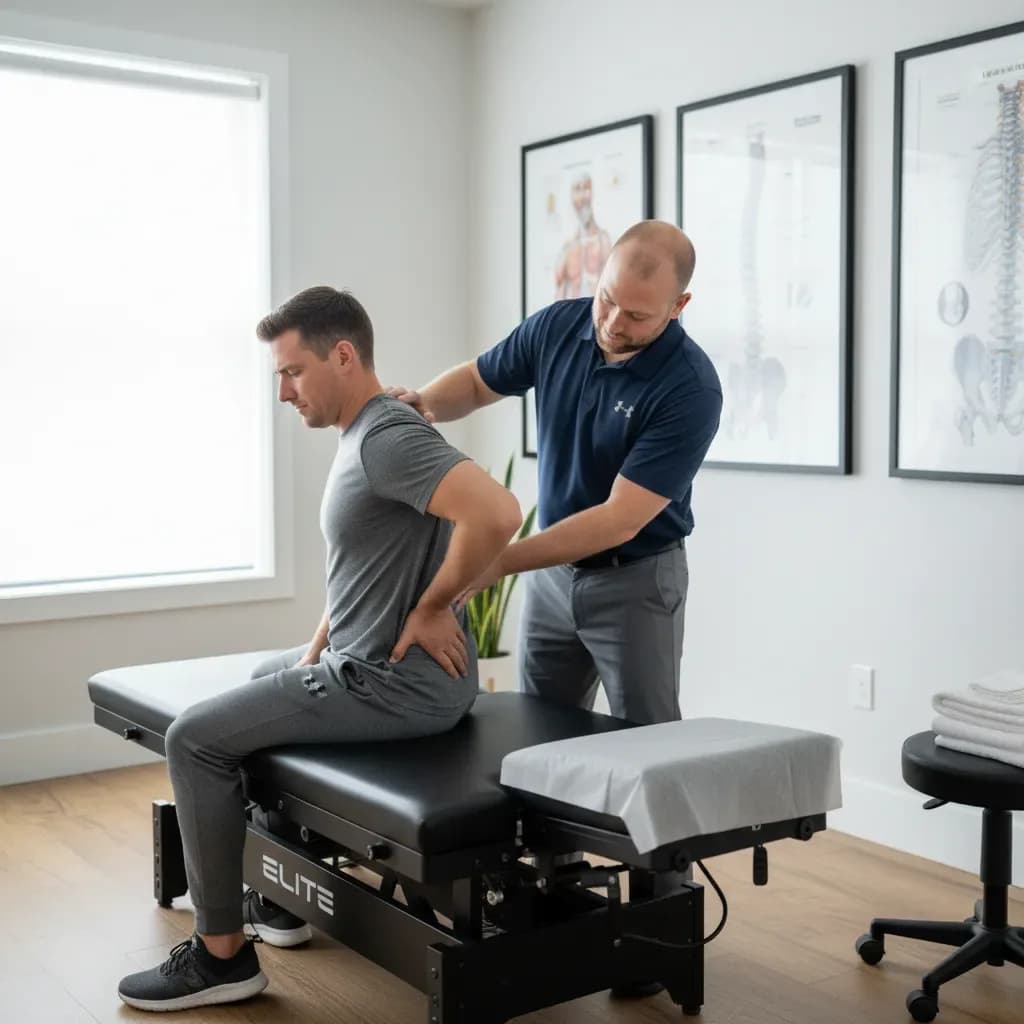
Male patient seated, hand on lower back showing mechanical low-back pain, clinician nearby — Back In Balance Clinic, downtown Toronto
What it is

Most lower back pain is mechanical, and most of it gets better.

Lower back pain (also called low back pain) refers to discomfort in the area below the rib cage and above the buttocks. The vast majority of cases are mechanical: muscles, ligaments, joints, and discs that have been overloaded, irritated, or moved poorly for too long. Only a small fraction of cases are caused by something serious like a fracture, infection, or tumour, and those usually have very specific warning signs.

The good news: roughly 90% of acute lower back pain settles within six weeks with the right care. Our job is to identify which kind of lower back pain you're dealing with, get the irritation down quickly, and help you build the strength and movement habits that prevent the next episode.

  • Most lower back pain is not caused by a 'slipped disc' or 'pinched nerve', those terms get over-used
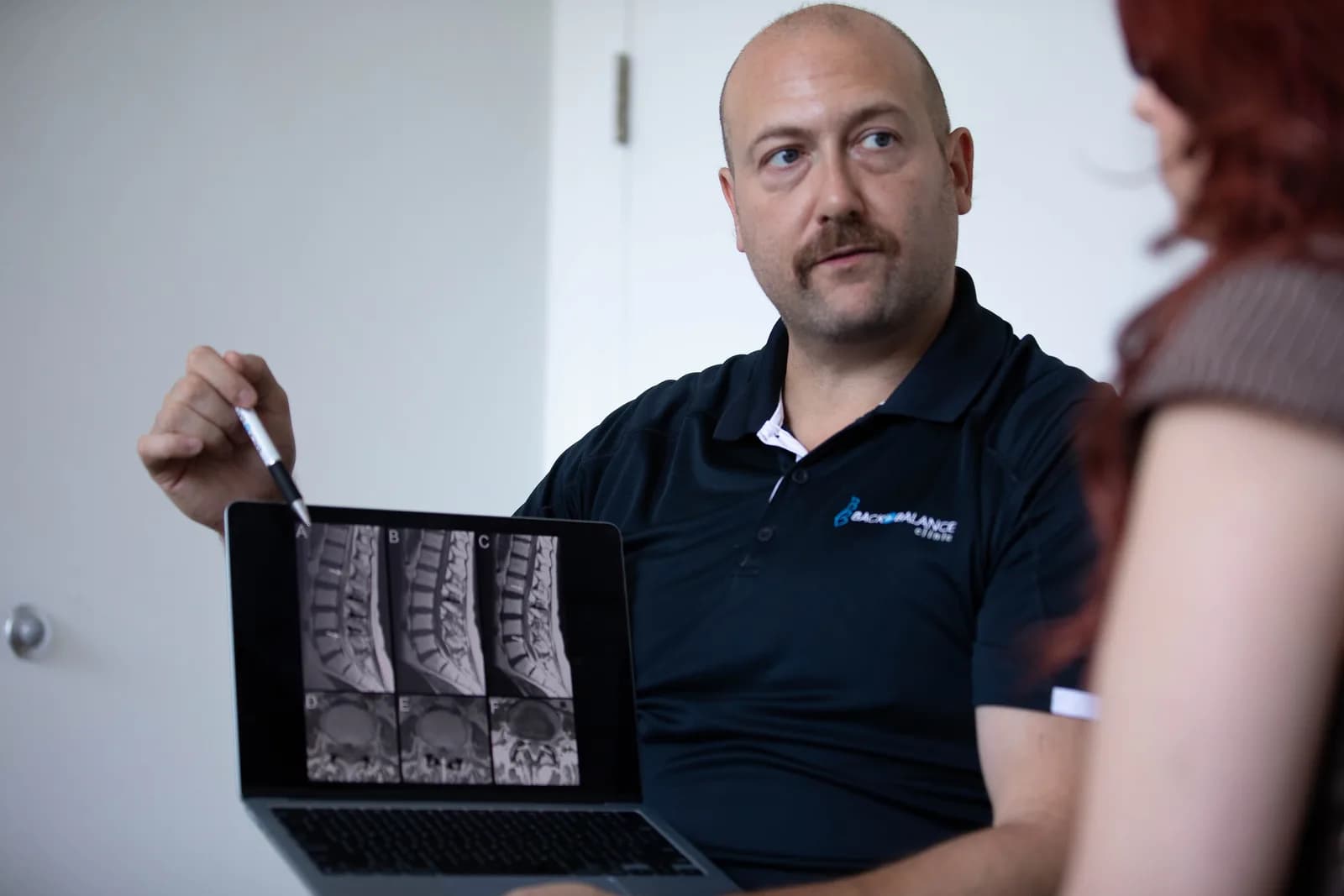
  • Imaging (MRI/X-ray) is rarely needed in the first six weeks unless red flags are present
  • Bed rest makes most cases worse, gentle movement is the better default
Red flags

When to seek care urgently, not just chiropractic.

If you're experiencing any of the following, call your family doctor or visit an emergency department before booking with us. These signs may point to something that needs medical or surgical attention.

  • Loss of bladder or bowel control, or numbness in the saddle area
  • Progressive weakness in one or both legs
  • Severe night pain that wakes you and isn't relieved by position change
  • Recent significant trauma (fall, accident, sports injury)
  • Unexplained weight loss, fever, or history of cancer with new back pain
Types of lower back pain we treat

Sciatica, disc, SI joint, stenosis, they need different care.

Sciatica & disc-related pain

Pain that radiates from the low back into the buttock, thigh, or calf, often with numbness, tingling, or weakness. Treated with positions of relief, gentle mobilization, and progressive nerve-glide work.

Disc injury guide

SI joint dysfunction

One-sided pain at the dimple of the lower back, often after pregnancy, prolonged sitting, or a fall on the tailbone. Manual therapy plus glute and core retraining is the proven combination.

SI joint guide

Spinal stenosis

Aching, heaviness, or cramping in the legs that builds with walking or standing and eases when you sit or lean forward. Distance-based rehab and joint mobilization keep you moving without surgery for most patients.

Stenosis guide

Mechanical & muscular pain

Acute flare-ups from lifting, twisting, or a long drive, and chronic ache from desk work or old injuries. The most common pattern we see, and the most responsive to early care.

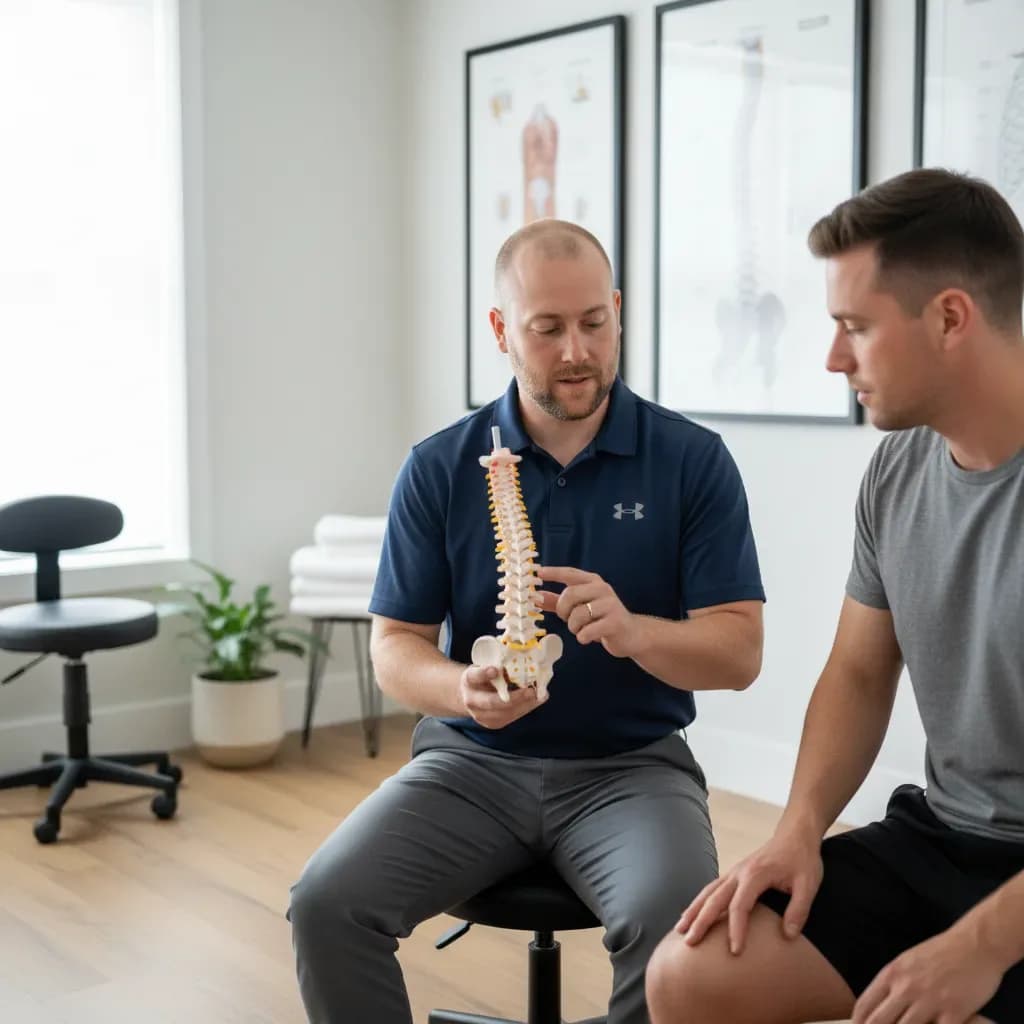
Clinician explaining lumbar anatomy on a spine model to the patient — Back In Balance Clinic, downtown Toronto
Common causes

Why lower back pain shows up, and why it keeps coming back.

Most lower back pain isn't caused by one big thing. It's the slow accumulation of small loads the spine wasn't built for: eight hours hunched over a laptop, a weekend of yard work after a sedentary winter, a heavy lift done with the back instead of the hips, or the changing demands of pregnancy and the early postpartum months.

The pattern matters more than the moment of injury. Two patients with identical pain can have completely different drivers, and the assessment is what separates a temporary fix from a plan that actually changes the cycle. That's why every first visit at Back In Balance starts with history and movement testing, not a treatment template.

  • Prolonged sitting at a desk, in a car, or on a couch
  • Lifting and twisting under load, moving, gym, parenting
  • Sudden return to activity after a long break (the classic spring flare-up)
  • Pregnancy and the first postpartum year
  • Old injuries that never fully rehabbed
  • Sleep position and an unsupportive mattress
How we treat it

A complete plan, not just an adjustment.

Adjustments

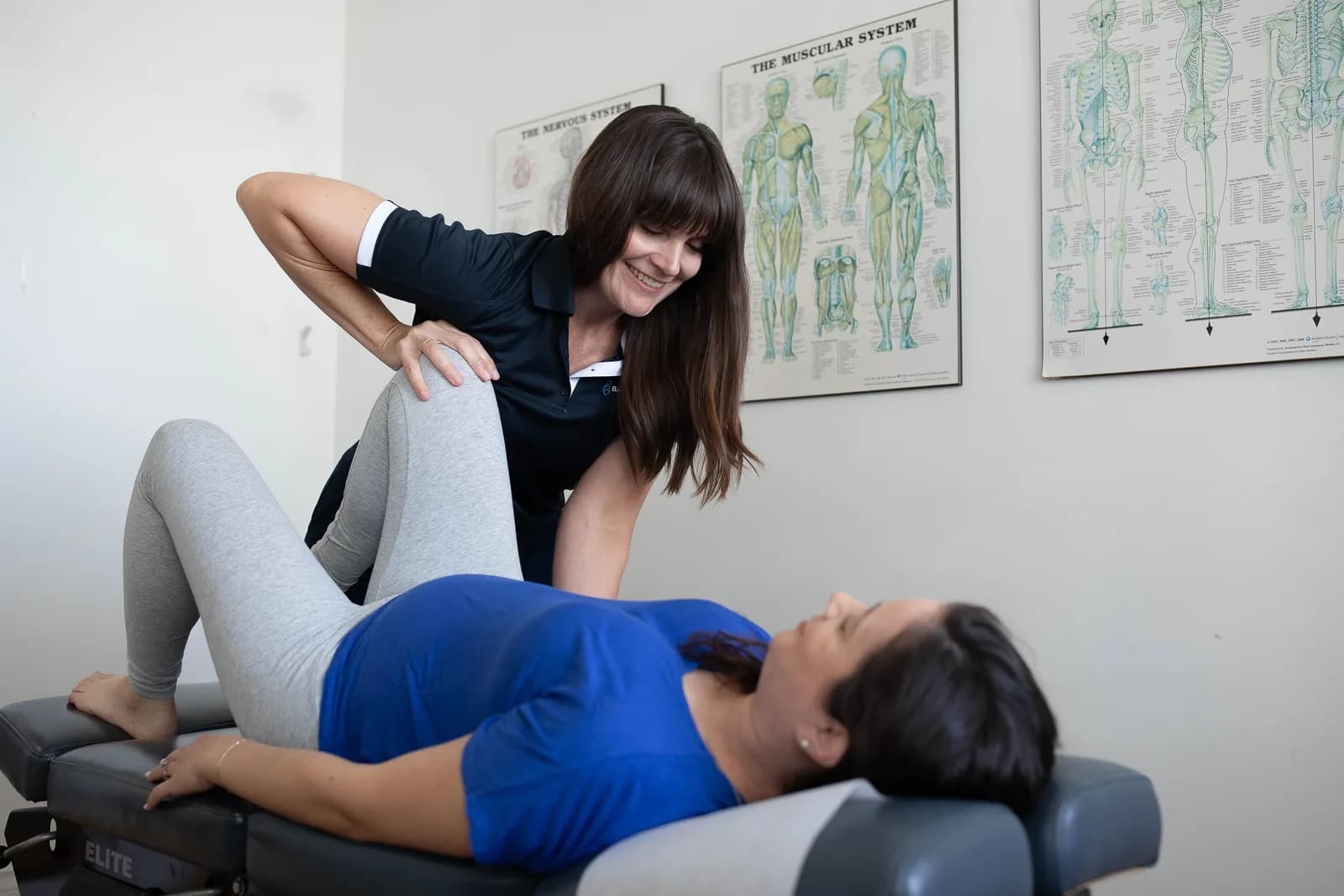
Targeted spinal manipulation reduces joint irritation and pain quickly when the assessment supports it.

Manual mobilizations

Slow, sustained mobilization for cases where high-velocity work isn't appropriate. Equally effective for many patients.

Rehab exercises

Specific, progressive exercises so the relief lasts. Five to ten minutes a day, not a gym program.

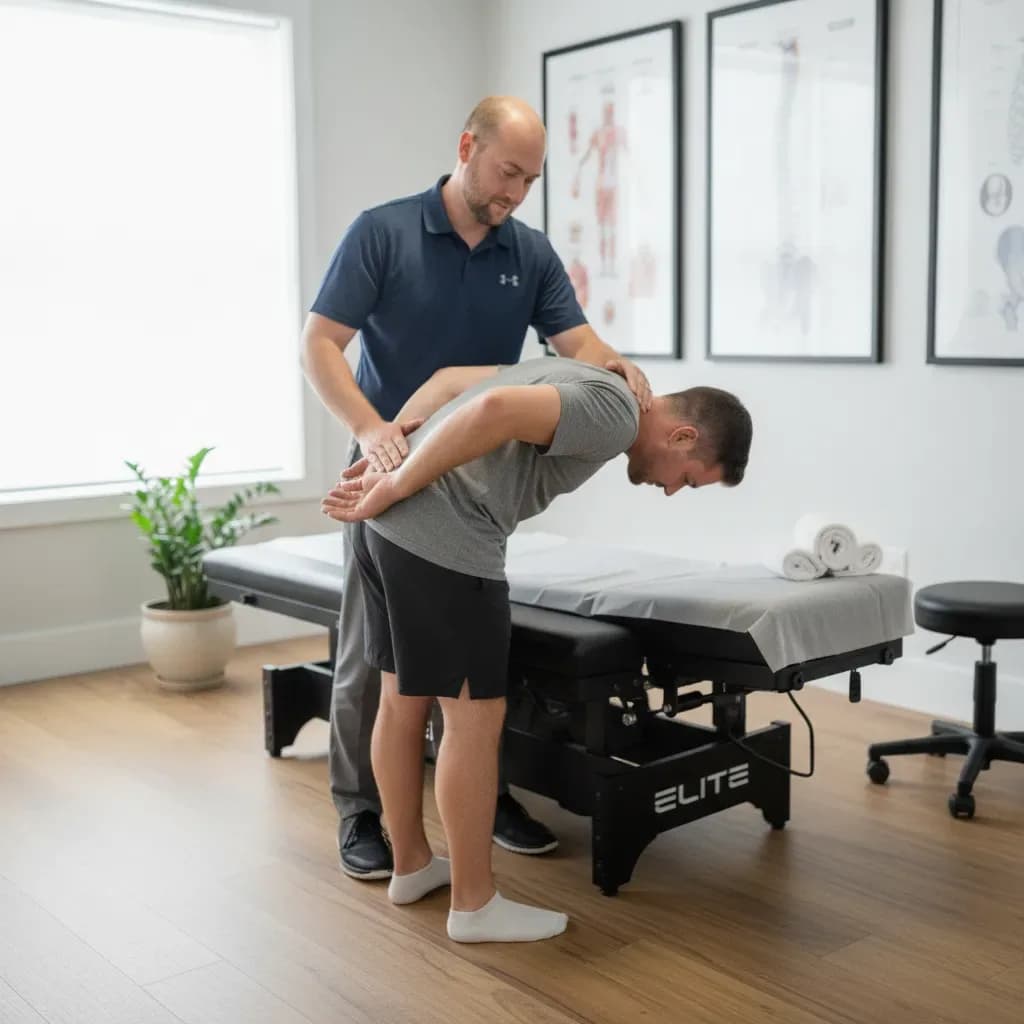
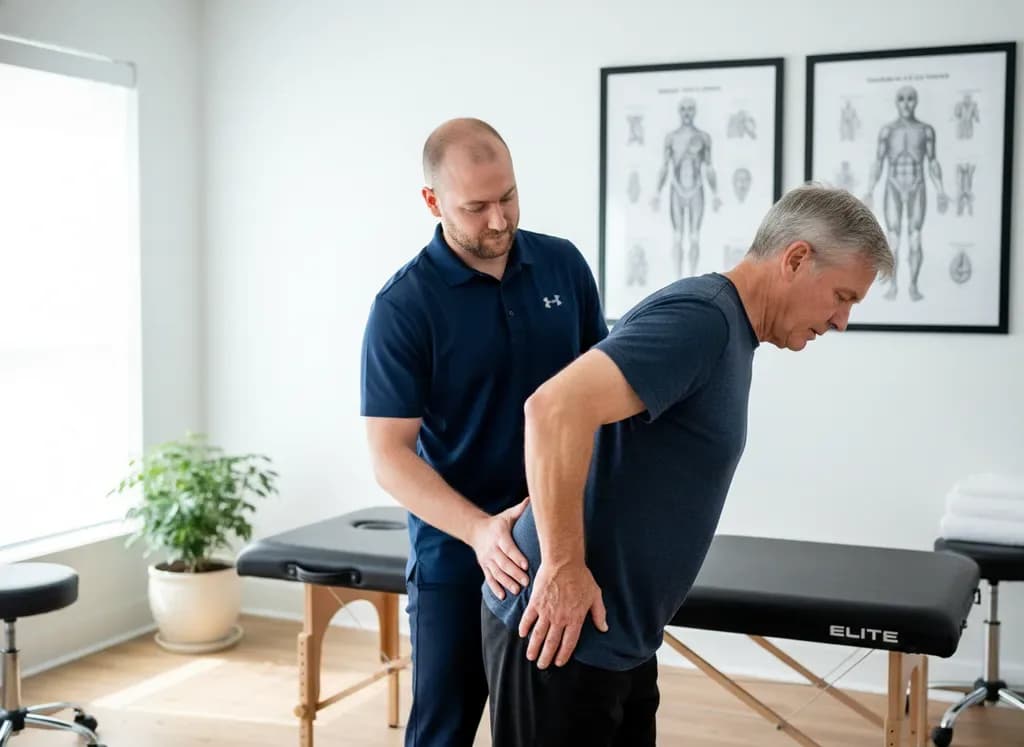
Standing lumbar range-of-motion assessment, clinician guiding the forward bend — Back In Balance Clinic, downtown Toronto
Your first visit

What happens when you come in.

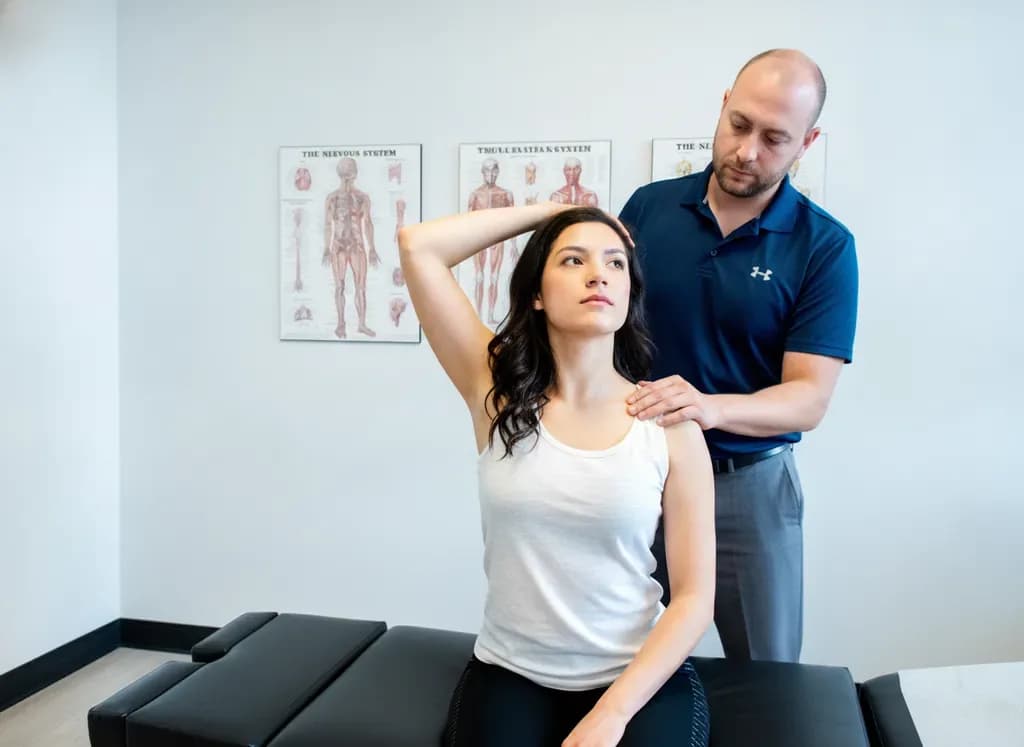
Your first visit takes 45–60 minutes. We start with a detailed history, what hurts, when it started, what makes it better or worse, and what your day-to-day looks like. That's followed by an orthopedic assessment: range of motion, neurological screening, and movement testing.

From there we'll explain what we think is going on in plain language, walk you through the treatment options, and start care if it's appropriate the same day. You'll leave with a clear plan, the first set of exercises, and a sense of how many visits we expect this to take.

  • No long contracts, no surprise fees
  • Direct billing to most insurance providers
  • Clear written summary of your assessment and plan
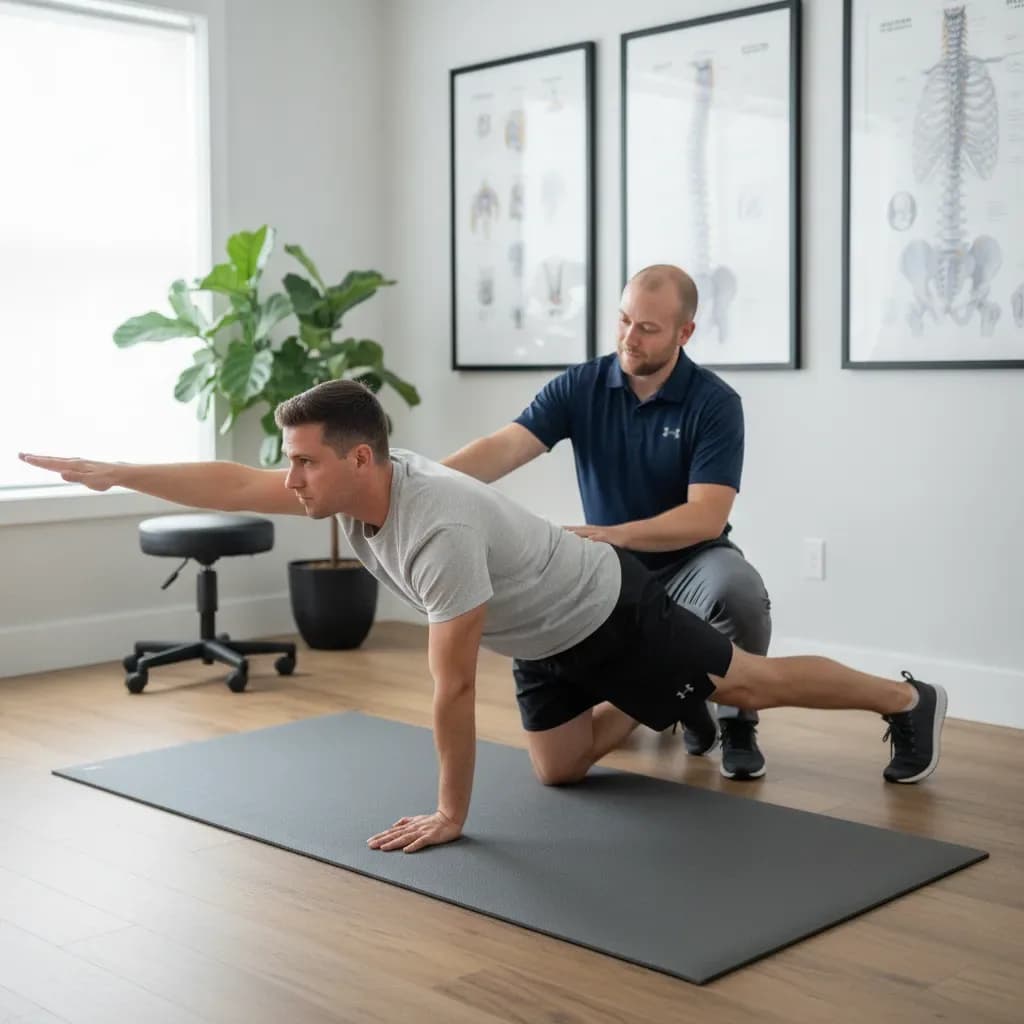
Male patient doing a bird-dog core rehab exercise on a mat, clinician coaching — Back In Balance Clinic, downtown Toronto
The bigger picture

Pain is mechanical, biological, and psychosocial.

Modern back pain care looks at three layers: the tissue (what's irritated), the brain and nervous system (how the pain is being interpreted and amplified), and the life context (sleep, stress, work demands, beliefs about pain). This is the biopsychosocial model, and it explains why two patients with identical scans can have very different experiences.

Our care plans address all three layers. We treat the tissue, but we also take time to explain the science, debunk the catastrophic stories patients have often been told, and help you build a recovery routine that fits a real life, not a rehab textbook.

Reviews

What our lower back pain patients say

A few words from patients we've helped get back to moving without lower back pain.

Sciatica down my left leg had me dreading every car ride. Their approach was gentle and methodical, and it worked, I can sit through a commute again.
A.T.· Patient review
Years of on-and-off lower back pain, and this is the first place that actually got to the root of it instead of just cracking my back. The home exercises made all the difference.
M.K.· Patient review
I came in barely able to stand after a flare-up. Dr. Serrick explained exactly what was going on and I left with a clear plan the same day. A few weeks later I'm back to my normal routine.
J.B.· Patient review

St. Michael's

Hospital affiliation

RAC

Spine triage partner

20+ yrs

Treating Toronto

1,000's

of satisfied patients

Insurance & cost

Direct-billed in Ontario. No long contracts.

We keep the front-desk side simple so you can focus on getting better. Bring your insurance card on the first visit, we'll handle the rest.

  • Direct billing to most major Ontario insurers, Manulife, Sun Life, Canada Life, GreenShield, Equitable, and more
  • Motor vehicle accident (MVA) coverage handled directly through your auto insurer
  • WSIB-approved providers on staff
  • No long treatment contracts and no surprise fees
  • Clear written summary of your assessment and plan after the first visit
  • Same-day appointments are usually available, call (416) 660-9932 or book online
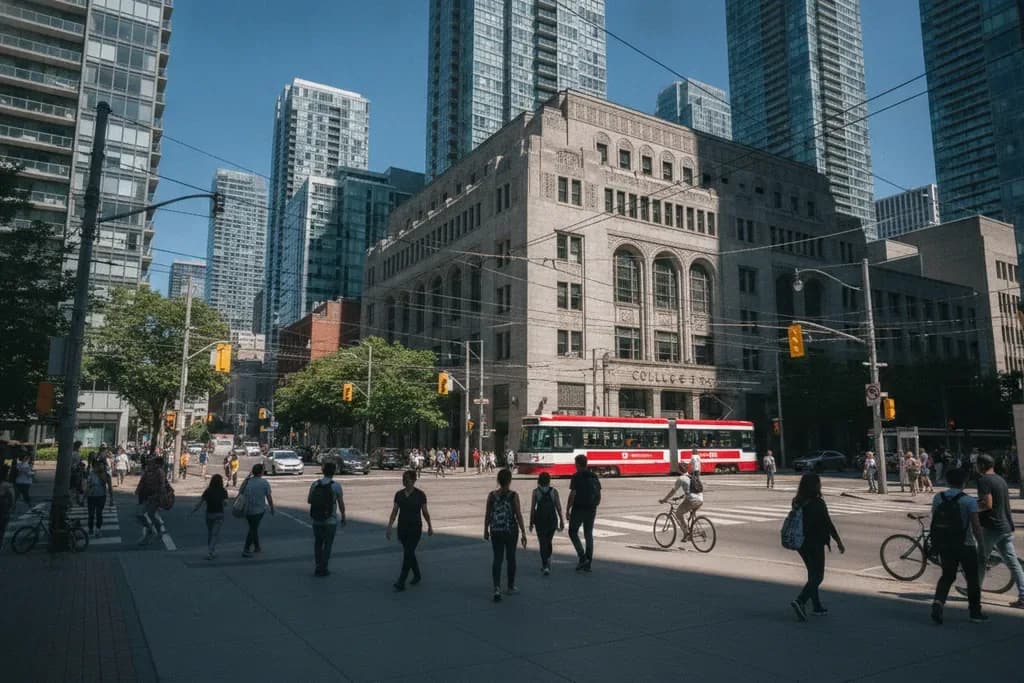
Downtown Toronto street scene at College and Yonge by the College Park building, near Back In Balance Clinic at 2 Carlton Street
Where we are

Downtown Toronto, College & Yonge, in the College Park complex.

Back In Balance Clinic is at 2 Carlton Street, Suite 1306, in the College Park building at the corner of College and Yonge. The clinic is a one-minute walk from College subway station, easily reached from Dundas, Yonge-Bloor, and St. Patrick stations, and a short drive from the Gardiner, DVP, and the financial district.

We share our patient base with downtown professionals, university students, parents from the surrounding neighbourhoods, and athletes from teams across the city. The clinic is barrier-free, the parking under College Park is direct from Yonge, and we run extended hours into the evening so you can come in after work.

  • 2 Carlton Street, Suite 1306, College Park, Toronto, ON M5B 1J3
  • 1 min from College subway · easy access from Dundas, Bloor-Yonge, St. Patrick
  • Underground paid parking via College Park (entrance off Yonge)
  • Barrier-free building with elevator access
  • Evening appointments available

Frequently asked questions

About lower back pain

Most patients with acute lower back pain feel meaningful relief within 2–4 visits. Chronic cases (pain longer than 12 weeks) typically take 6–10 visits to stabilize, with the goal of self-management afterward.

About the clinic

Book your first visit

Tell us about your lower back pain and the front desk will match you with the right practitioner.

  • Same-day appointments usually available
  • Direct billing to most major insurers
  • Prefer to call? (416) 660-9932

You’re a message away from improving your health.

By submitting you agree to be contacted about your enquiry. We never share your details.

Call