Worse with walking & standing
Leg heaviness, cramping, or aching that creeps in the longer you walk or stand still, and forces you to stop, sit, or lean before it eases.

Conservative care for narrowing of the spinal canal, neurogenic claudication, leg cramping with walking, and pain that eases when you sit or lean forward. Advanced spine triage included.
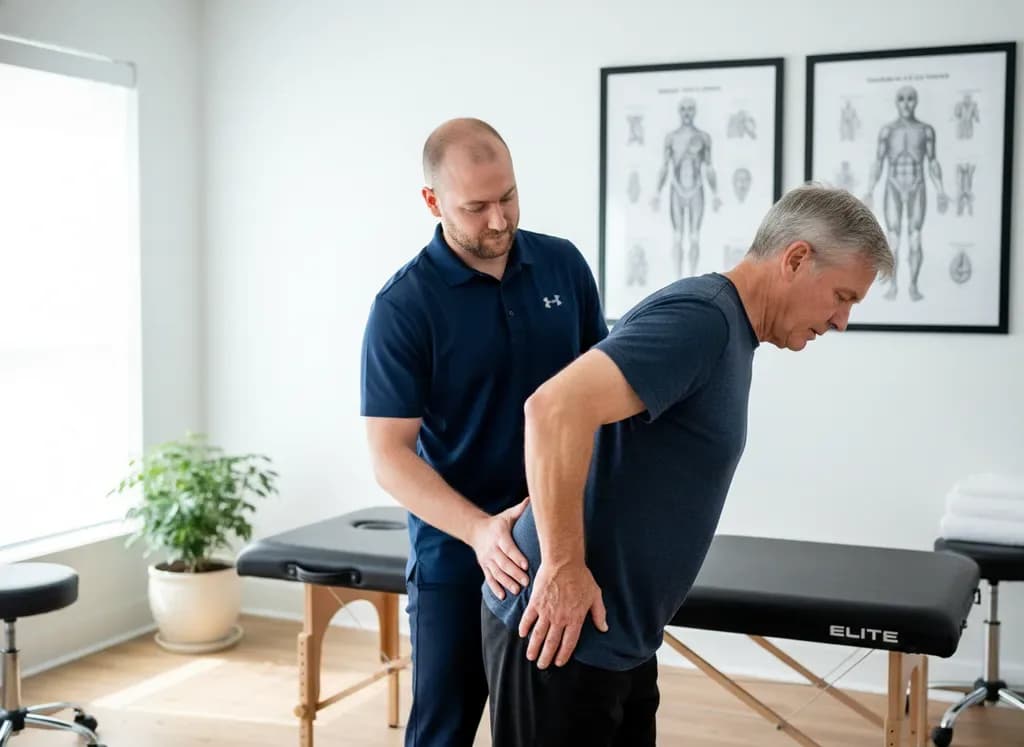
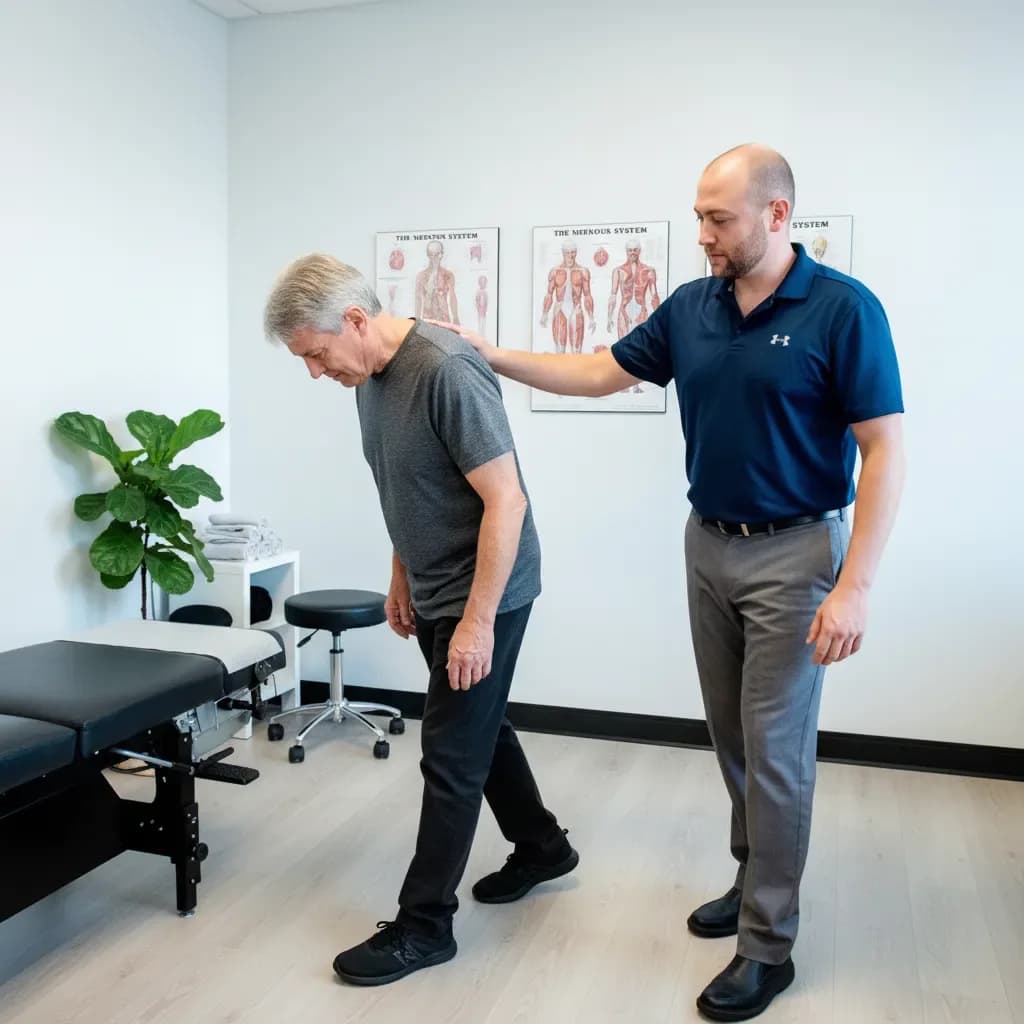
Spinal stenosis is the gradual narrowing of the spinal canal or the small openings (foramina) where nerves exit the spine. As that space shrinks, the nerves running through it get less room, and when you load the spine by walking or standing, they become irritated. The hallmark is neurogenic claudication: cramping, heaviness, aching, or fatigue in one or both legs that builds the longer you're upright and dramatically eases the moment you sit down or lean forward.
That flexion relief is the tell. Leaning over a shopping cart, resting on a kitchen counter, or sitting on a bench buys instant relief, the famous 'shopping cart sign.' If you've found yourself planning errands around where you can sit, or leaning on the cart through the grocery store, this page is for you. The reassuring part: most people with stenosis stay active and out of the operating room with the right conservative plan.
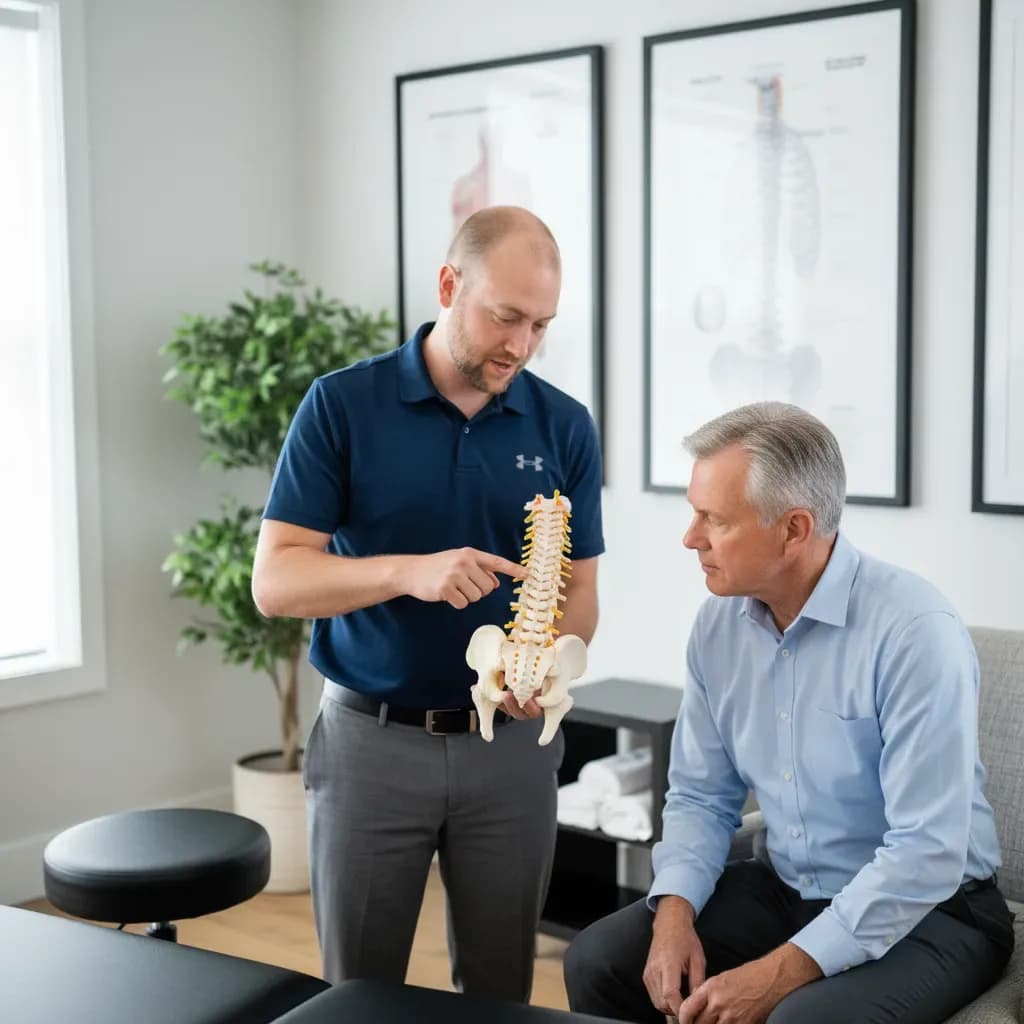
Stenosis is rarely caused by one moment. It's the slow accumulation of age-related degenerative change (DJD/DDD): discs lose height and bulge slightly into the canal, the ligaments that line the canal thicken and stiffen, and the facet joints enlarge as they remodel under load. Each change is small. Stacked over decades, together they narrow the space the nerves need, which is why stenosis is most common after the age of 50 or 60.
Because it's a structural, gradual process, the goal isn't to 'reverse' the narrowing, it's to change how your spine and nerves tolerate it. Posture, the strength and mobility of your hips and core, your walking mechanics, and how much you flex versus extend through the day all change how much room the nerves effectively have. Those are the levers we can actually move, and they're often enough to get you back to walking comfortably.
Leg heaviness, cramping, or aching that creeps in the longer you walk or stand still, and forces you to stop, sit, or lean before it eases.
Sitting, leaning on a cart, or stooping opens the canal and relieves the legs within a minute or two. Walking uphill or pushing a stroller often feels easier than walking flat.
Unlike a single pinched nerve, stenosis frequently affects both legs, and the leg symptoms can outweigh any back pain. Numbness, tingling, or 'heavy' legs are common.
Conservative care is the right first step for the vast majority of stenosis, but a small number of signs point to nerve compression that needs prompt medical assessment. If you notice any of the following, contact your family doctor or go to an emergency department before booking with us.
These signs are the exception, most stenosis responds well to conservative care. Book an assessment: we're trained to look for the serious causes, and if anything points to one, we'll direct you to the right care immediately.
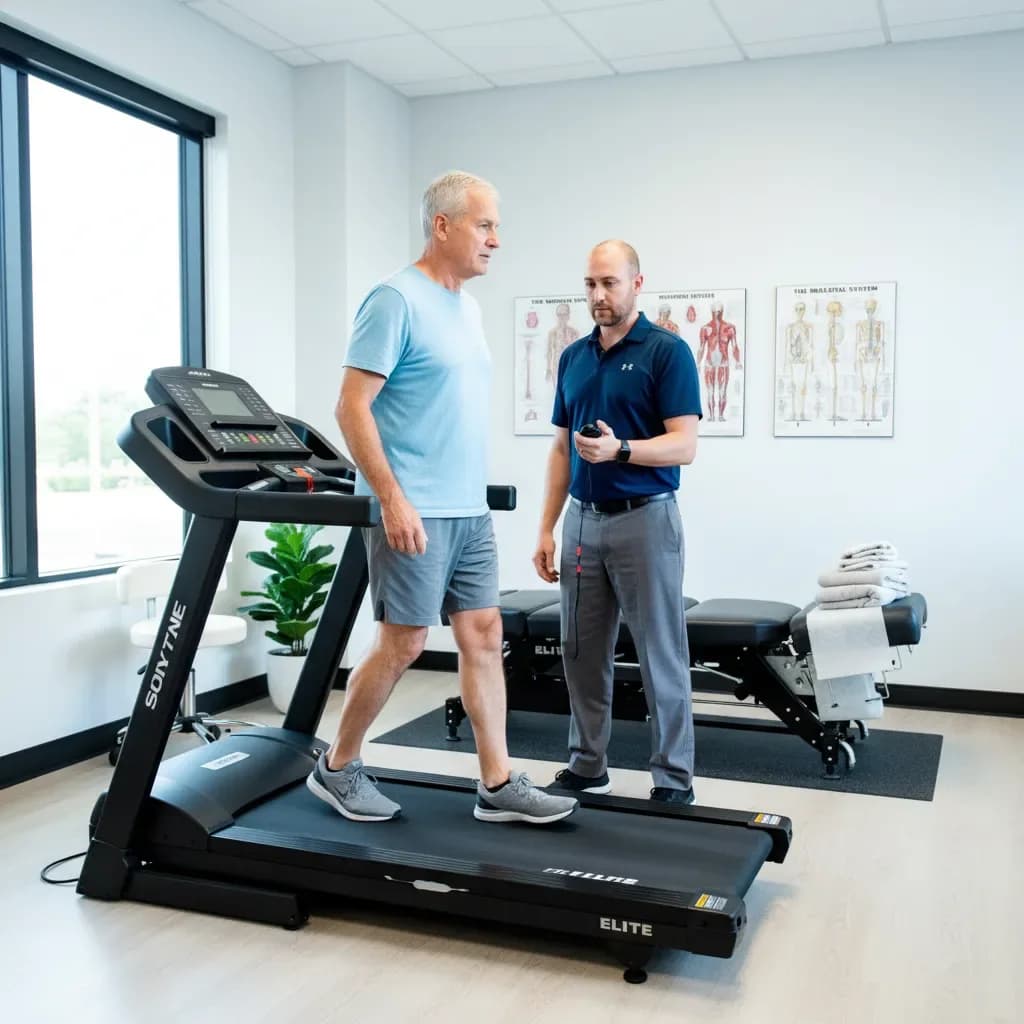
Your first visit takes 45–60 minutes. We start with a detailed history: how far you can walk before the legs start, what positions relieve them, whether sitting and leaning forward help, and how the pattern is affecting your day. That story is often enough to recognize neurogenic claudication. We then confirm it with an orthopedic and neurological exam, strength, reflexes, sensation, and movement testing, to separate stenosis from a disc problem, a hip issue, or vascular claudication that can mimic it.
From there we explain what's going on in plain language, set a realistic baseline for your current symptom-free walking distance, and start care the same day when it's appropriate. You'll leave with a clear plan, your first flexion-bias exercises, and a sense of how many visits we expect this to take. Because Dr. Serrick holds Advanced Practice Provider training in structured spine triage, we also know exactly when a case warrants imaging or a surgical opinion, and when it doesn't.
Stenosis flares with extension and eases with flexion. We coach hip-flexor, glute, and core work plus flexion-based positions that create room in the canal during real-world movement, so you can walk farther before symptoms start.
Gentle mobilization and manual decompression of the lumbar segments and hips reduce stiffness and nerve irritation. We choose techniques that suit an older, degenerative spine, never aggressive thrusts on sensitive tissue.
We work just under your symptom threshold with structured rest intervals, then progressively expand the distance week over week. Most patients meaningfully increase how far they can walk within 8–12 weeks.
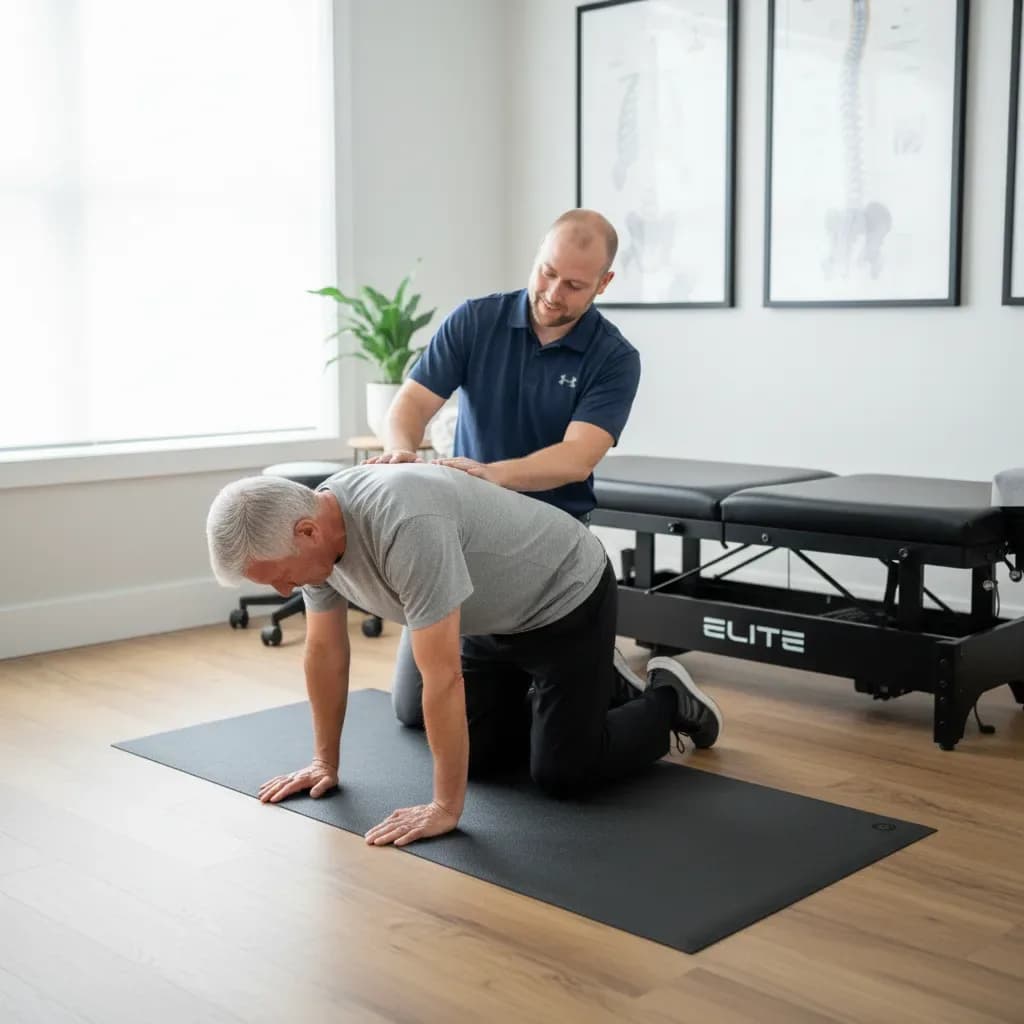
Decompressive surgery genuinely helps some people with stenosis, but it is rarely the first step. For most patients the evidence shows conservative care delivers comparable long-term outcomes to surgery, at far lower risk and cost. The aim of our program is simple: keep you walking, keep you independent, and keep the operating room as a last resort rather than a first reflex. We'll tell you clearly if and when a surgical consultation is genuinely worth pursuing, usually when conservative care has plateaued and quality of life is significantly limited.
And if you do end up needing surgery, the conservative work is never wasted: building strength, mobility, and walking capacity beforehand, 'pre-hab', consistently leads to a faster, smoother recovery afterward. Either way, staying active is the through-line. Avoidance and deconditioning make stenosis worse; the right movement, dosed correctly, makes it better.
APP-trained
Advanced spine triage
Pittsburgh
Primary Spine Practitioner
16+ yrs
Treating Toronto
Direct bill
Most insurers
How patients with spinal stenosis got back to walking and staying active.
“The leg pain that used to stop me cold when I walked has eased so much. They explained why it was happening and gave me ways to keep moving. I feel like I have my independence back.”
“My doctor mentioned surgery for my stenosis and I wanted to try everything else first. The exercises and hands-on care made a real difference, I'm walking farther and staying active without going under the knife.”
“I couldn't walk to the end of the block without my legs giving out. After working with the team here I can do my full neighbourhood loop again. That's something I thought I'd lost for good.”
Stenosis often sits alongside everyday mechanical and degenerative low back pain. See how we assess and treat the broader picture.
Lower back painDisc-height loss and bulging contribute to canal narrowing, and a disc problem can coexist with stenosis. Learn how the two differ and overlap.
Disc injuriesAdvanced, triage-informed assessment for complex and degenerative spines, and the bridge to a surgical opinion when one is warranted.
Advanced spine careWhat we'll typically pull from when we put a plan together.
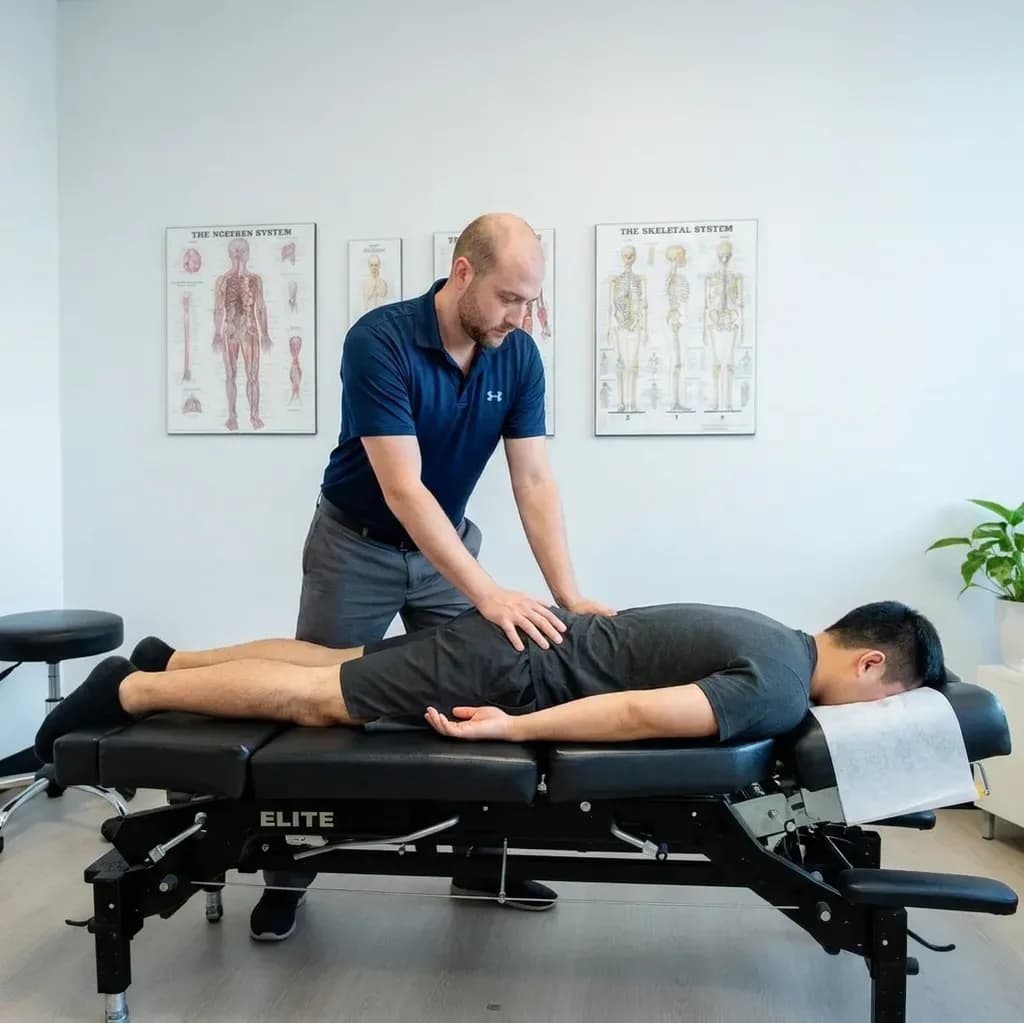
Expert assessment and care for complex spine cases, disc-related pain, sciatica, stenosis, and chronic low back pain that hasn't responded to standard treatment.
Learn more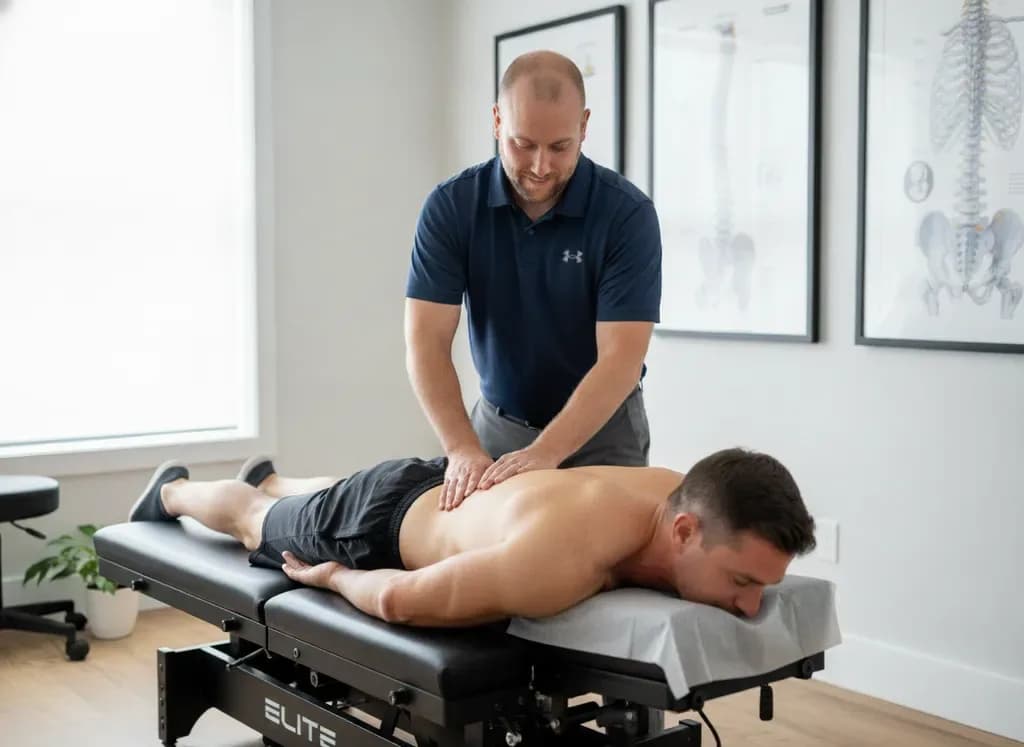
Hands-on chiropractic care for back, neck, and joint pain, adjustments, mobilizations, soft tissue work, and rehab exercises tailored to your assessment.
Learn moreOften shows up alongside what brought you here.
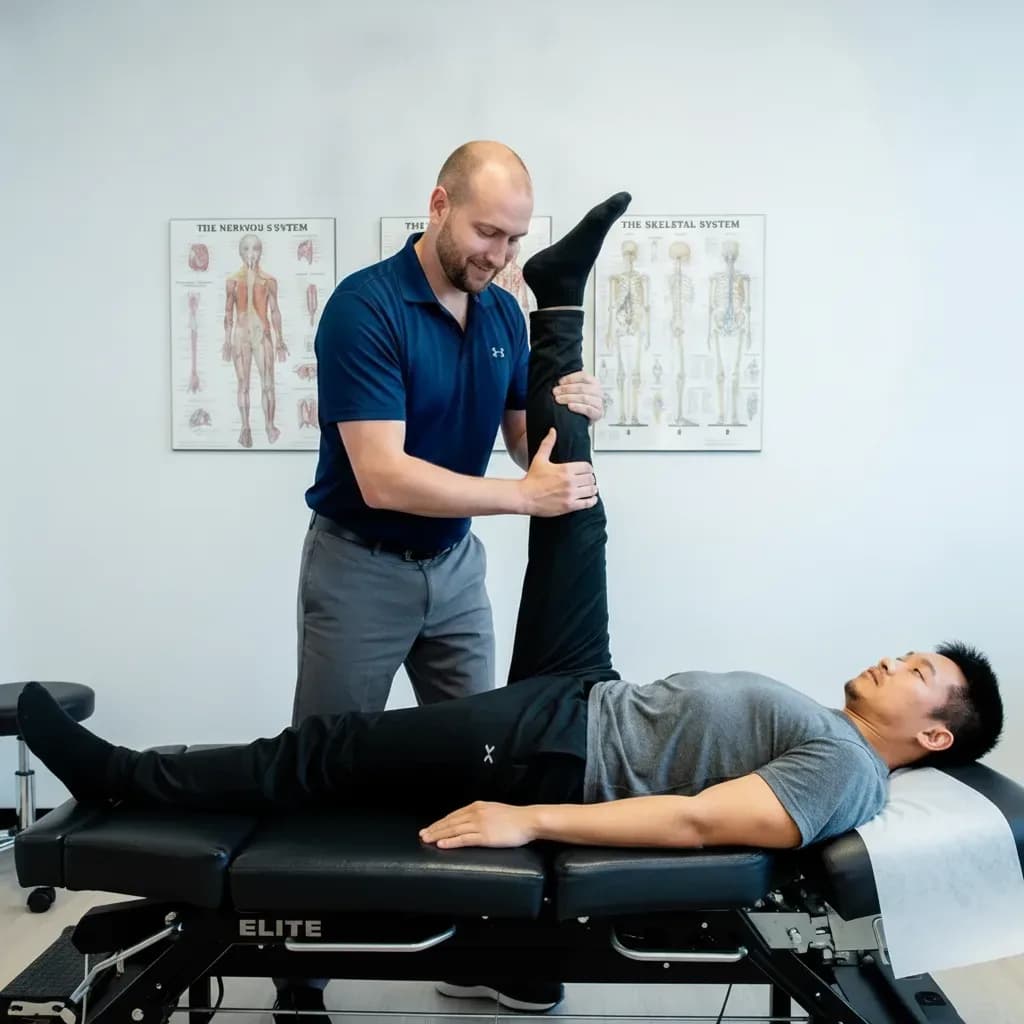
Disc bulges, herniations, and disc-related sciatica. What the imaging actually means, when surgery is and isn't on the table, and the conservative pathway most patients respond to.
Read the guide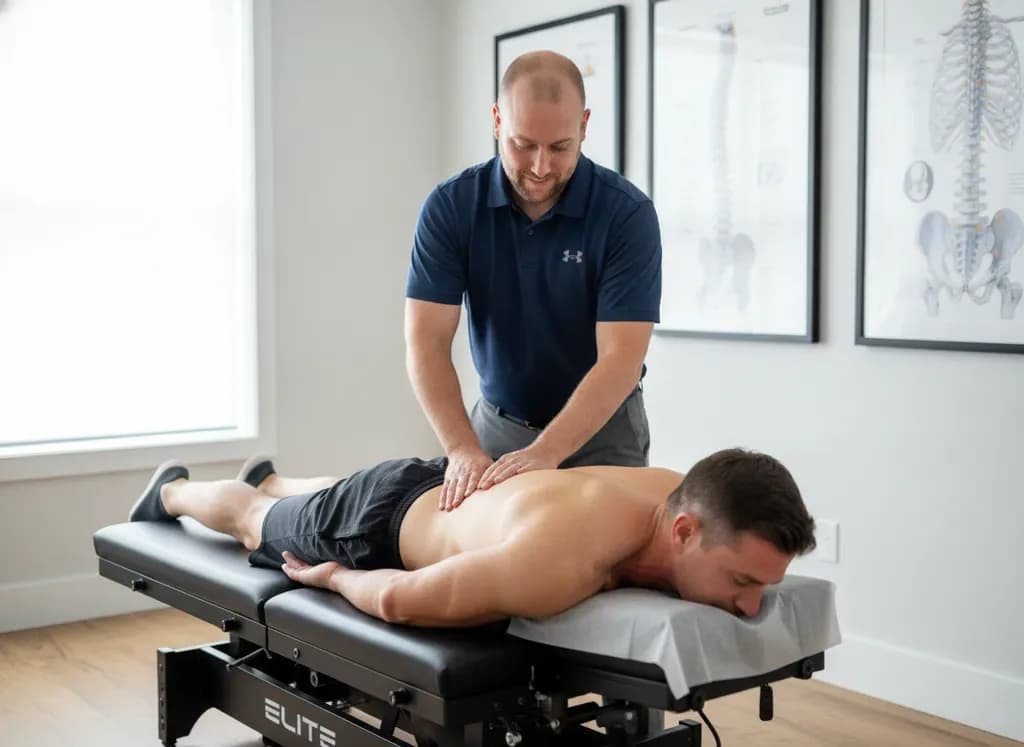
Lower back pain is the most common reason patients book at BACK IN BALANCE, from acute flare-ups and sciatica to chronic pain that limits daily life. Same-day chiropractic assessments for lower back pain at our downtown Toronto clinic.
Read the guide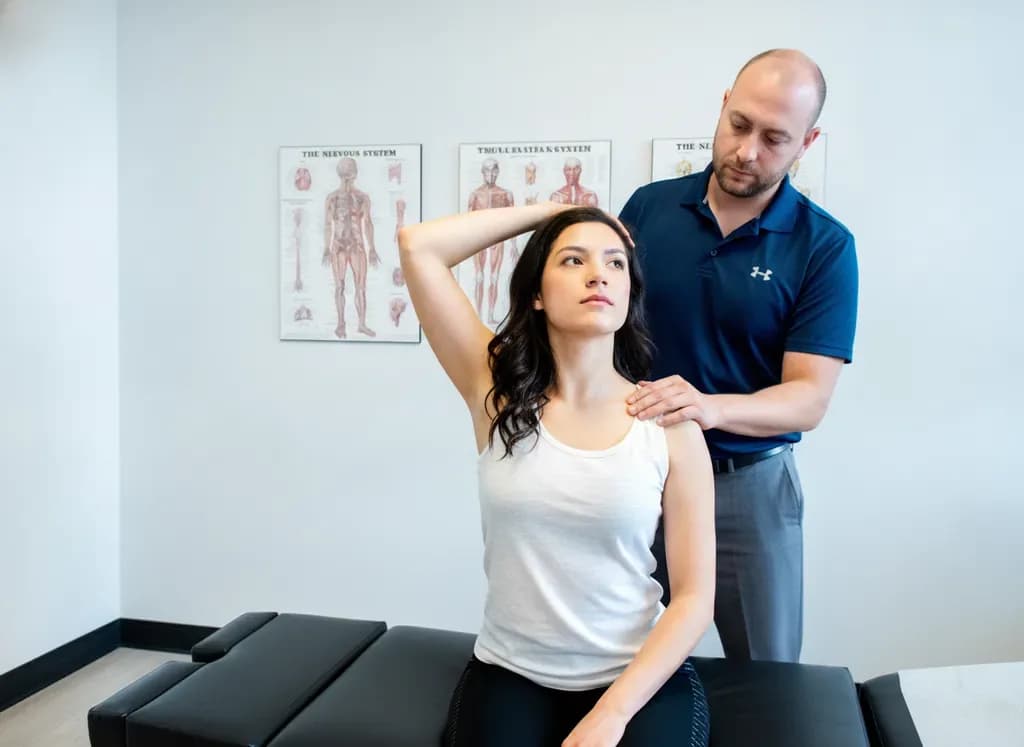
Tech neck, postural neck pain, cervicogenic headaches, post-whiplash recovery, and pinched-nerve symptoms, assessed and treated with the same expert rigour we bring to low back pain.
Read the guideAbout spinal stenosis
About the clinic
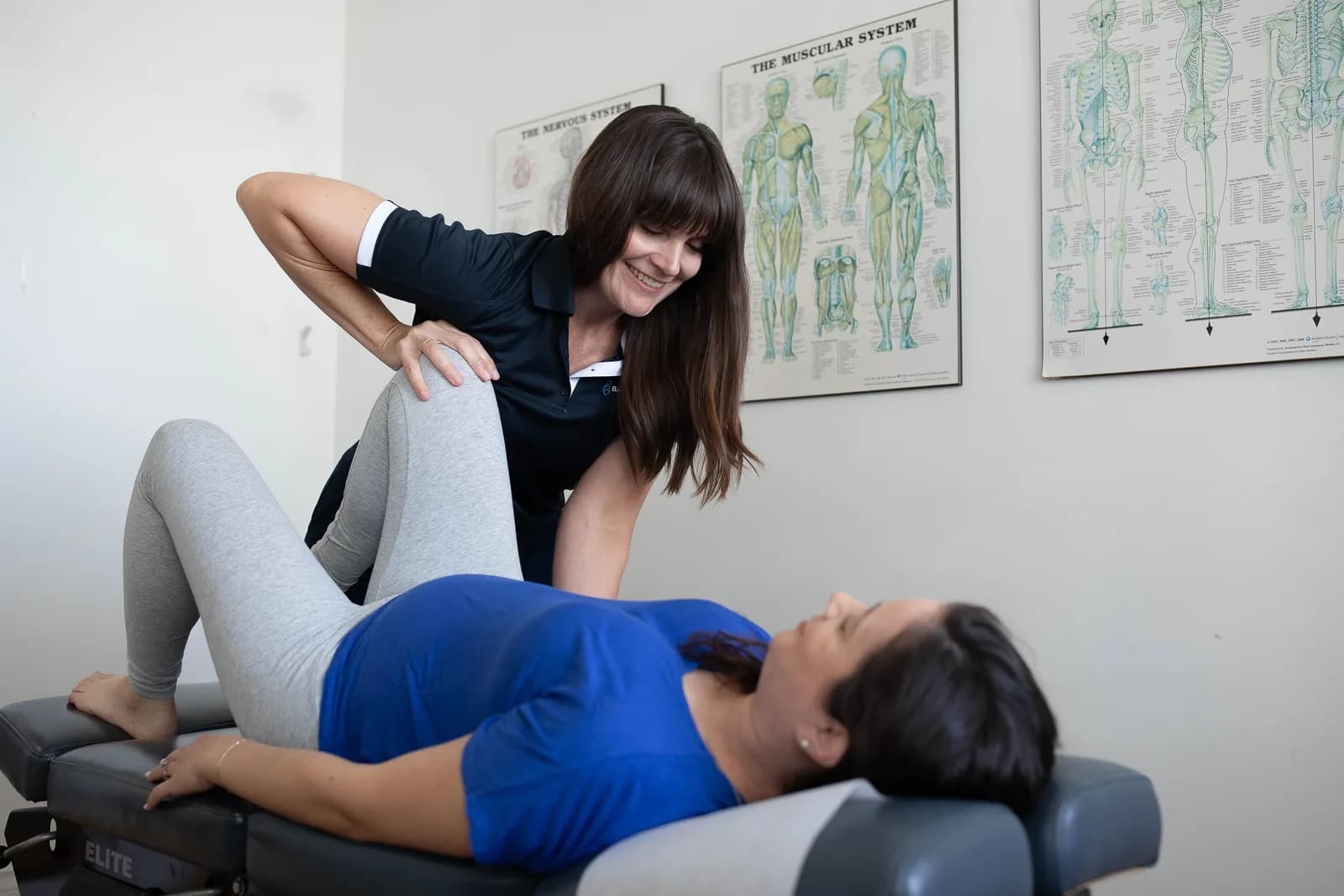
Learn about pelvic girdle pain during pregnancy, common symptoms, and how individualized chiropractic care can help.
Read the article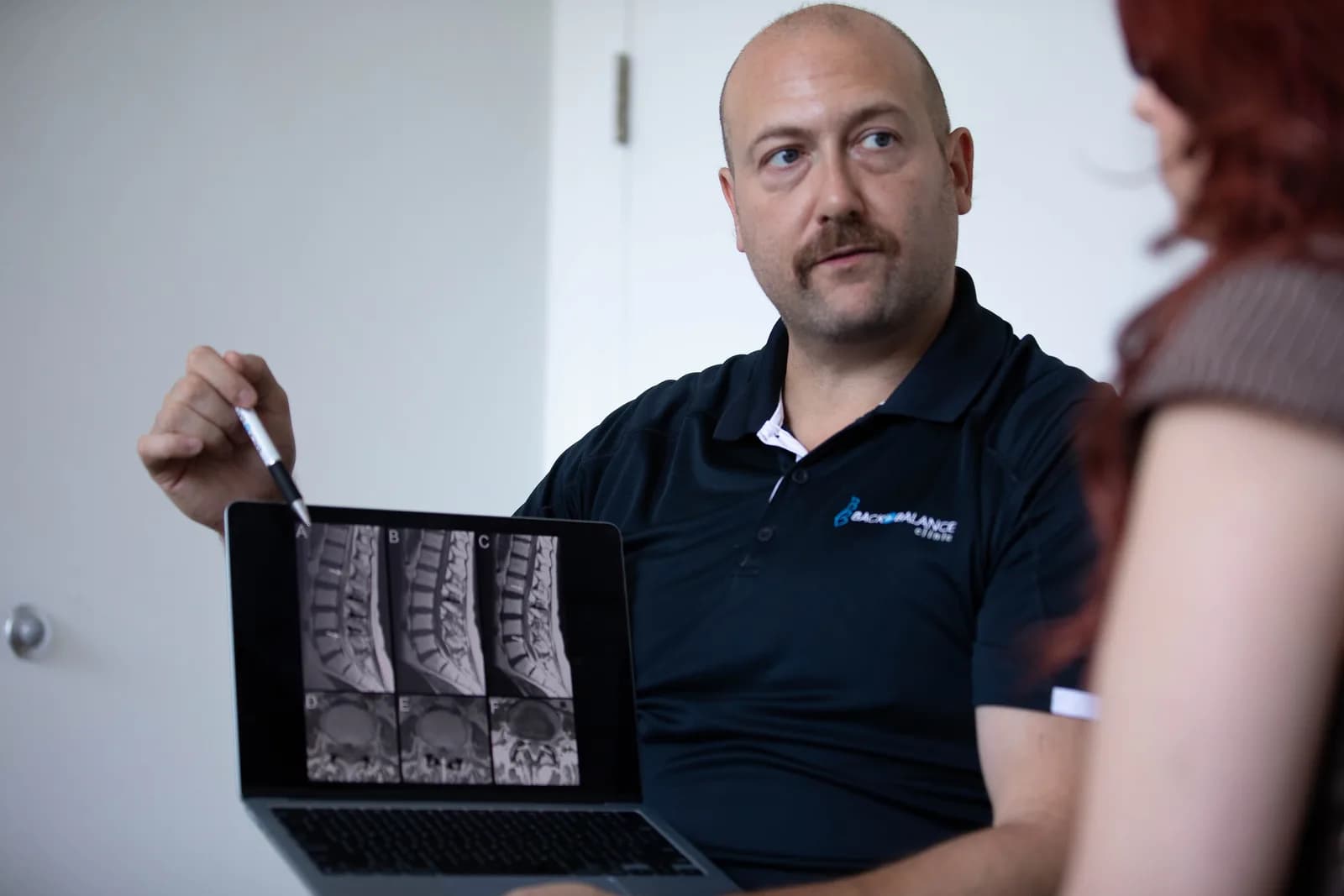
An MRI can be essential when low back pain suggests a serious problem or when the results will guide specialist treatment. For many people, however, a scan adds information without improving care. Here is how to tell the difference, and why the way MRI findings are explained matters.
Read the article
An injury flare-up does not always mean new damage. Learn how balancing capacity and demand can settle symptoms while helping you rebuild the strength and tolerance needed for daily life.
Read the articleTell us about your spinal stenosis and the front desk will match you with the right practitioner.