Not every head injury comes with a big scene. Sometimes it’s a bump while getting into a car, a slip on icy steps, or a low-speed fall during a hockey game. In the winter months here in Toronto, these small accidents happen more often than we’d like. And while the pain from a scrape or bruise shows up fast, the signs of a concussion can be slower and harder to spot.
A concussion doesn’t always feel like an emergency in the moment. You might feel a little off, a little foggy, or just more tired than usual. That’s where a concussion therapy specialist can really help. We look at what others might miss and guide recovery step by step. Instead of waiting for things to get worse, we step in to make sure your brain gets the rest and support it needs.
The sooner we notice the signs, the smoother the healing process tends to be.
When Head Injuries Are More Than Meets the Eye
A mild bump might not seem like a reason to worry. But even small impacts can shift how your brain works, especially when they involve sudden movement or a hit to the head. You don’t need to be knocked out or bleeding to have a concussion.
What makes this hard is that symptoms don’t always follow right away. You might feel mostly fine for the first few hours or even the first day. Then suddenly, regular tasks start to feel harder.
- You may notice it’s tough to concentrate, even on things you usually enjoy
- Your sleep might become restless, broken, or unusually long
- Loud noises or bright lights could start to feel like too much
Because winter is a busy time, especially after the holidays, many people brush off these symptoms as stress or fatigue. But the connection to a recent fall, hit, or jolt shouldn’t be ignored.
What to Expect from a Concussion Check-In
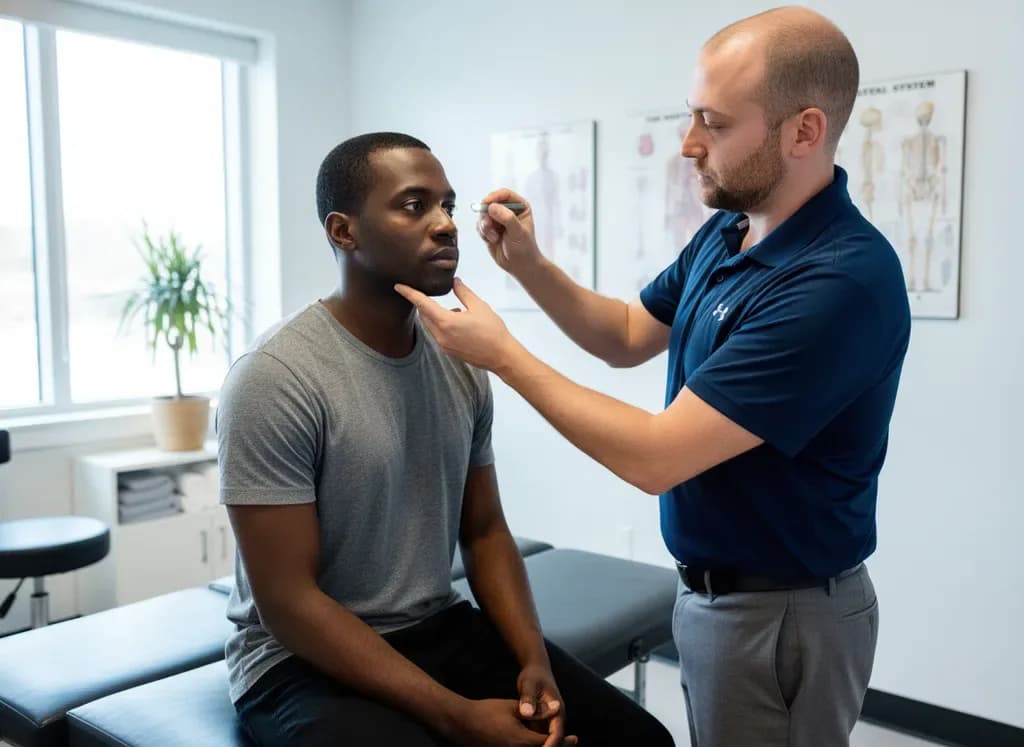
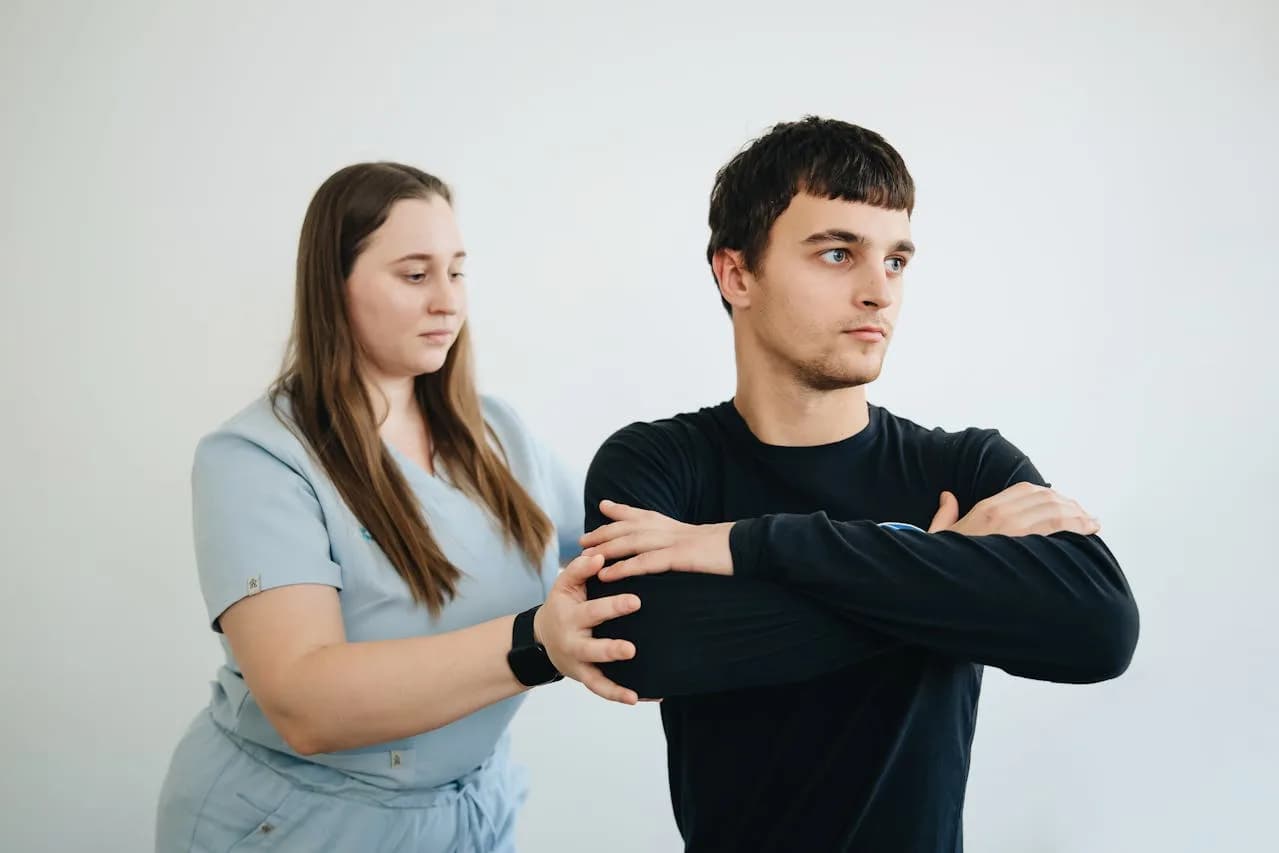
After a head injury, getting a check-in helps us see if anything is off and what kind of help might be needed. These visits are usually pretty calm and focused on how you’re feeling, understanding your symptoms, and watching how your brain responds to simple tasks.
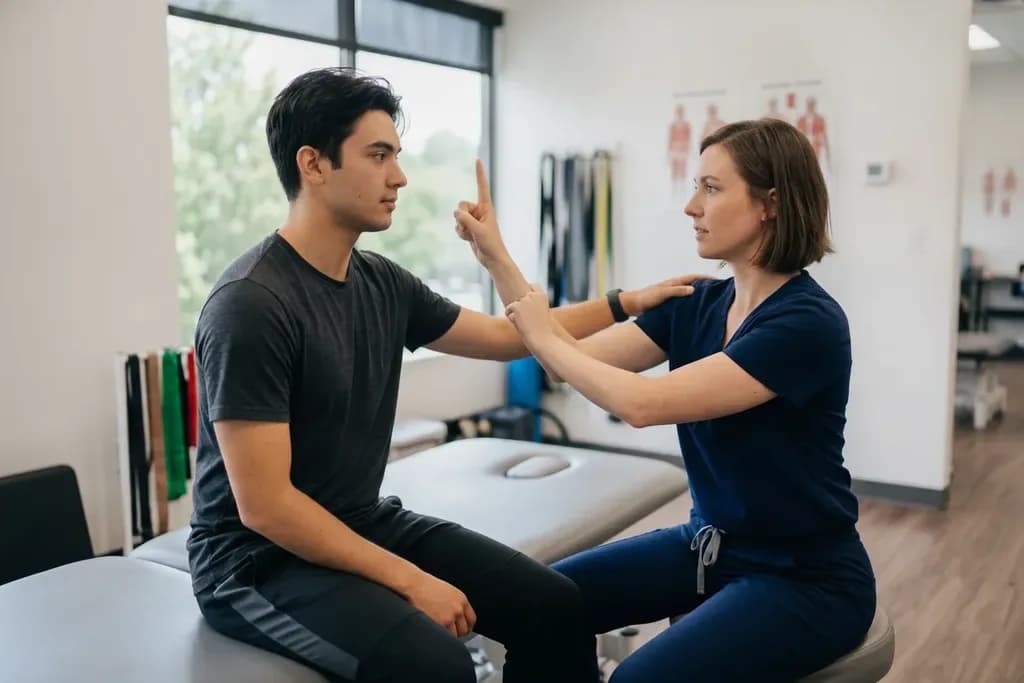
A concussion therapy check doesn’t usually mean getting hooked up to machines. It’s more about watching how your eyes move, how steady you feel when you stand or walk, and how your memory or focus holds up.
We might look at:
- How well your balance holds with your eyes closed
- Whether your vision or eye tracking is slow or jumpy
- Memory tasks, like repeating a short list or counting backward
If symptoms show up, that can be a sign your brain just needs more time and support. That support often includes more rest time, shorter screen exposure, modified daily routines, and help planning a gradual return to regular activity.
At Back In Balance Clinic, we use evidence-based concussion management supported by experienced practitioners. Our team can coordinate a recovery plan that includes symptom monitoring, patient education, and a gradual, guided return to activity.
How Expert Support Helps the Brain Recover
Every brain is different, and no two concussions are exactly alike. That’s why recovery doesn’t work well with a one-size-fits-all plan. A concussion therapy specialist helps figure out what your brain needs by paying attention to your unique symptoms and challenges.
We watch for clues in how you’re feeling physically and mentally. If focus fades after twenty minutes on a screen, or sound becomes irritating after a short subway ride, we notch those observations as part of your recovery plan.
Here’s how this kind of support helps:
- You’re not guessing what to do next, there’s a path to follow
- Your rest and rehab stay paced, so you don’t rush too fast or hold back too long
- You stay active where you can, instead of stopping everything
That balance matters. Pushing ahead too quickly can make symptoms worse, while going too slow might affect your energy, mood, and confidence.
When Professional Care Makes the Biggest Difference
Knowing when extra help is needed often comes down to small patterns that just don’t improve on their own. These are the signs we take seriously:
- A headache that lingers, changes shape, or feels worse with activity
- Feeling dizzy or off-balance, even in familiar spots like your hallway
- Having a hard time reading, focusing on work, or keeping up with friends
Other times, the signs are more emotional than physical. If you notice growing frustration, mood swings, or a lack of motivation that doesn’t quite match your personality, it could be your brain’s way of saying it needs more time.
In many cases, people wait for things to feel “bad enough” before speaking to someone about it. But catching these signs early makes a big difference. Support can help prevent those day-to-day struggles from turning into longer-term problems.
Trusting What Your Body Is Telling You
It can be tricky to recognize a concussion when signs are quiet or slow to appear. But we’ve seen how small, steady changes, like feeling off-balance, needing more sleep, or feeling foggy, can start to stack up.
Trusting your body means paying closer attention to what feels different, not just what feels wrong. Have things changed in how you read, how you speak, or how you move through the day? Let those be the cues that point you toward recovery.
The better we listen, the faster we tend to notice those signals. And when we catch them, we’ve taken the first real step toward feeling like ourselves again.
Noticing changes in how you think, feel, or function after a recent bump or fall is important, especially during the winter months when slips and collisions are more common around Toronto. Our team at Back In Balance Clinic takes recovery seriously because a little extra support can help your brain feel balanced again. You do not have to wait for symptoms to get worse before taking action, our work with a concussion therapy specialist can help you move forward safely and steadily. Contact us today to get started.
Related reading: Is Massage Therapy in Toronto Different in the Spring Months.