A bump on the head doesn’t always feel like a big deal at first. In fact, for many people, it feels like something they can shake off with a bit of rest. But concussions aren’t always immediate. The signs can be subtle and delayed, which makes them tough to spot, especially after a minor fall or jolt.
Here in Toronto, winter adds a few extra risks. Sidewalks get icy, snow can hide uneven ground, and quick bumps or slips are more common than we’d like. Whether you’re playing hockey, taking a fall on a trail, or getting into a slow-speed fender bender, cold-weather accidents can lead to head injuries. That’s why recognizing the need for concussion treatment in Toronto matters, especially when the symptoms aren’t loud but still serious.
We want to help you feel more confident recognizing when a simple hit might need more attention. Knowing what to watch for can make a big difference.
When a Bump to the Head Might Be More Than Just a Knock
Not every concussion comes from a dramatic hit. Sometimes it’s a fast jolt from slipping on ice, bumping your head getting into a car, or falling during a pickup game on the weekend. These moments seem small, but they can quietly affect how your brain is functioning.
The thing about concussions is that the brain itself doesn’t always send pain signals the same way a broken bone or pulled muscle does. Signs may not show up right away, or they might come in waves over a few days. It’s easy to downplay a slip or fall until it starts interfering with regular tasks.
Watch for things like:
- Feeling off-balance or fuzzy, even if your head doesn’t hurt much
- Becoming more irritable or easily frustrated with things that didn’t bother you before
- Sensitivity to light or sound, especially in places that used to feel normal like the grocery store or office
These aren’t just bad moods or a poor night’s sleep. Sometimes, they’re your body’s way of flagging something deeper.
Early Symptoms You Shouldn’t Brush Off
Concussion symptoms come in different shapes. Some feel physical, others show up emotionally or mentally. After a head injury, your brain might just need extra time and support to reset, but that doesn’t happen if the warning signs are ignored.
Pay attention if you notice:
- Headaches that keep returning or won’t go away
- Dizziness or nausea when you stand up or look at quick movements
- Trouble focusing, remembering details, or completing simple tasks
- Mood swings, including feeling anxious, sad, or more tired than usual
Screen time, loud environments, and busy spaces can make all of these feel worse. If regular activities, like working at a computer or riding the subway, start to feel extra draining, it could be related to your injury.
Some people notice symptoms right after a fall. Others feel mostly fine the first day, but by the third or fourth day, realize that something just isn’t quite right. That delay is common. Don’t wait for symptoms to get bad enough before you consider checking in with a healthcare provider.
If you’re not sure if what you feel is related to the hit, keep an eye on how things develop over the next few days. Sometimes symptoms grow slowly, making them easy to overlook until patterns begin to show. Rest can help, but it is important to remember that head injuries can affect many areas of daily life, including concentration and mood.
How Professional Treatment Can Support Recovery
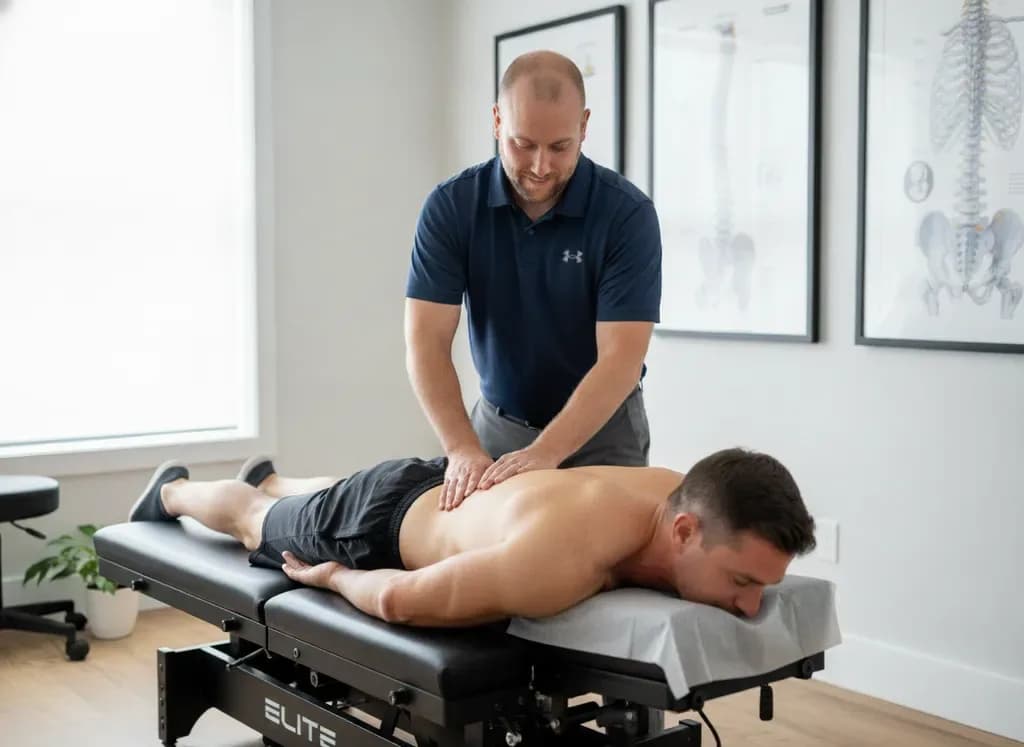
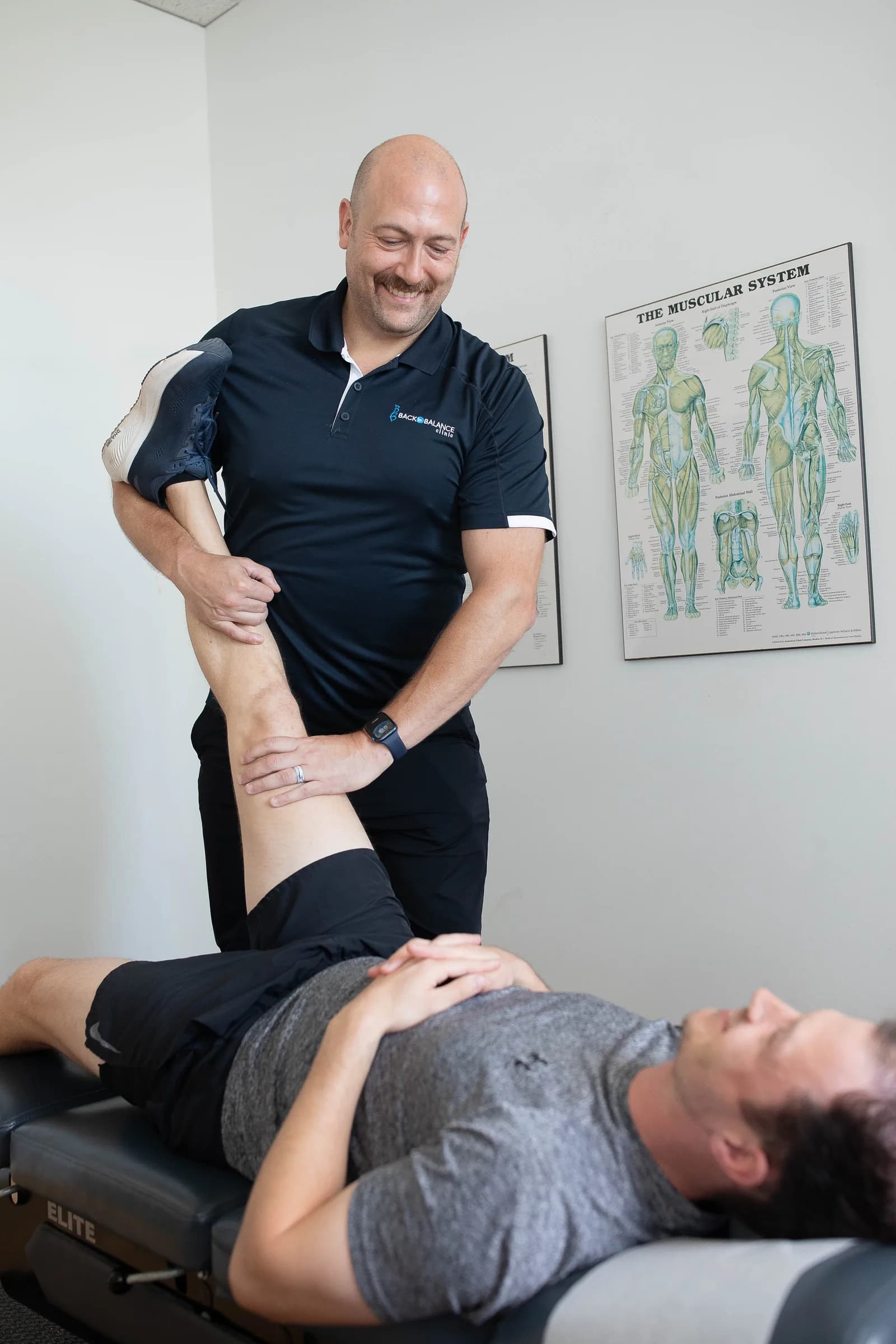
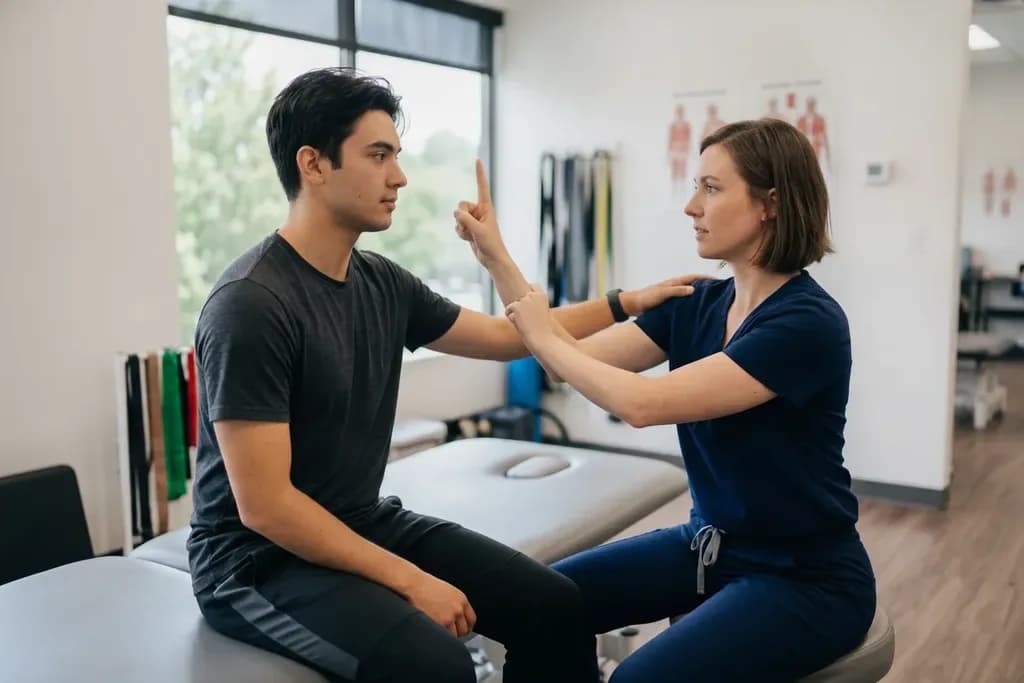
When you come in for care after a possible concussion, the goal isn’t to do every test under the sun. Instead, we focus on where you are right now, how your symptoms are showing up, and what your daily life feels like.
An assessment often includes:
- Gentle checks of balance, coordination, and how your eyes track movement
- Talking through recent changes in sleep, concentration, or mood
- Looking at how you respond to simple challenges like reading or screen use
From there, your recovery really depends on how your own symptoms show up. Many people benefit from quiet rest, moving slowly back into day-to-day tasks, and avoiding screen-heavy or stressful environments for a time. People often feel relief from reducing noise, light, and stimulation until things settle.
When we talk about concussion treatment in Toronto, we also have to think about the season. Winter recovery requires practical adjustments. Heavy coats, slick sidewalks, and earlier nightfall can make it harder to feel steady or well-rested. A good care plan accounts for those conditions too.
At Back In Balance Clinic, concussion treatment is based on a thorough assessment of your unique symptoms and daily routine. We coordinate your care with other wellness services like physiotherapy and chiropractic care when needed to support safe recovery. Our evidence-based approach means every treatment plan is adjusted to your current level of function and the challenges of the season.
Often, small daily habits play a role in recovery. For instance, cutting back on screen time or taking short, quiet walks can make a bigger difference than expected. Professionals might also teach you specific ways to ease back into normal activities without letting symptoms worsen. Remember, each person’s healing process can look a bit different, and pacing is important, especially during winter months when the days feel slower, and routines shift.
Trusting the Signs: Knowing When It’s Time to Act
It’s not always clear what’s a regular winter tired spell and what’s something more. That can make the decision about getting checked a little tricky. But if your body and brain are sending warnings for more than a couple of days, it’s often safer to pause and take a closer look.
Some signs it might be time to act:
- Struggling to read, focus, or remember things you normally handle easily
- Feeling off-balance walking outside or up and down stairs
- Noticing that screen use feels harder or more frustrating than it used to
These don’t need to be big or scary symptoms. But if they’re sticking around after a head bump, especially three or four days later, they’re worth exploring. The sooner they’re addressed, the smoother the recovery tends to be.
Even if you feel unsure about what you’re experiencing, talking with a skilled provider gives you peace of mind and guidance. It can help you know whether your recovery is on track or if you need extra care for a safer, steadier return to your daily life.
Moving Forward with Peace of Mind
Winter can be a tough season to heal through. Schedules shift, routines slide, and slow-season symptoms can blend in with the cold-weather blues. But head injuries often speak softly at first. We’ve seen how even calm people with high pain tolerance recognize later that they needed care sooner. We don’t want that for you.
If you or someone you know took a knock to the head, start paying attention to the little things. How steady do they feel on ice? Are their thoughts getting cloudy? Is conversation harder? These are the quiet disruptions worth listening to. Getting checked isn’t overreacting, it’s just paying attention early. That’s what helps people feel more like themselves again.
Persistent symptoms like fogginess or feeling off-balance after a head bump can be a sign your body needs support. Our approach to concussion treatment in Toronto is guided by careful attention to your needs following a fall, slip, or accident. At Back In Balance Clinic, we help you manage your symptoms so you can return to moving comfortably and clearly. Reach out if something doesn’t feel right.
Related reading: Questions About Concussion Therapy in Toronto Answered.