Vestibular & oculomotor
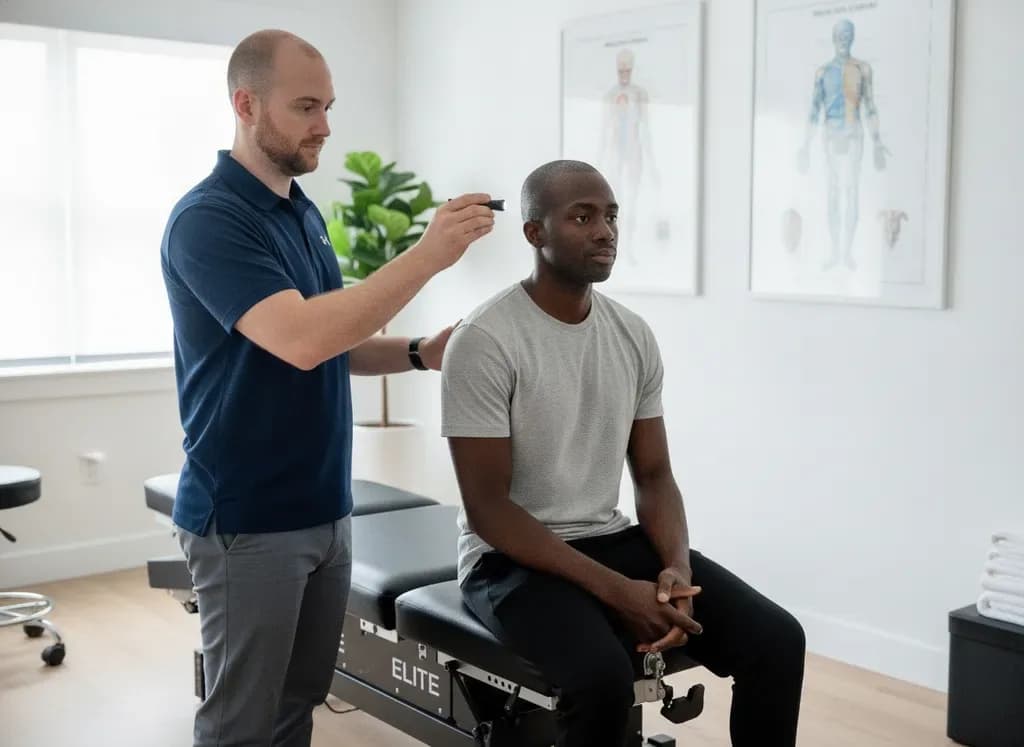
The balance system and the eye-tracking system are the two most commonly affected. Dizziness, motion sensitivity, blurred or tiring vision, and trouble with screens or busy, visually 'loud' environments all point here.
Multi-phase concussion rehabilitation, vestibular, cervical, oculomotor, and graded return-to-activity. Care from the first 72 hours through full return-to-sport, with clearance testing for return to sport and baseline testing at the start of the season.
A concussion is a mild traumatic brain injury (mTBI). It's caused by a direct blow to the head or by force transmitted to the head from a hit elsewhere on the body, and it does not require a loss of consciousness. In fact, fewer than 1 in 10 concussions involve any blackout at all, which is one of the biggest reasons they get missed or brushed off as 'just getting your bell rung.'
Here's the part that surprises most people: a concussion is a functional injury, not a structural one. Standard CT and MRI scans are usually completely normal. The problem isn't visible damage you can point to on a picture, it's a temporary disruption in how brain cells communicate and how systems like balance, eye movement, and the body's automatic 'fight-or-flight' controls coordinate with one another. That's why a careful, hands-on clinical assessment tells us far more than imaging does.
The balance system and the eye-tracking system are the two most commonly affected. Dizziness, motion sensitivity, blurred or tiring vision, and trouble with screens or busy, visually 'loud' environments all point here.
The same force that concusses the brain almost always jolts the neck. Headaches and dizziness driven by an irritated cervical spine are extremely common after a concussion, and they're highly treatable with hands-on care.
The system that regulates heart rate and blood pressure can get knocked out of sync, causing exercise intolerance, fatigue, and lightheadedness. We map your safe activity threshold and rebuild tolerance from there.
Because a concussion is about brain function rather than visible brain damage, the symptoms come in clusters that look different from one person to the next. Two people who took nearly identical hits can have completely different experiences, one battling headaches and brain fog, another floored by dizziness and nausea, another struggling with sleep, mood, and concentration.
That's exactly why a CT or MRI usually comes back clean: those scans are excellent at finding bleeds, fractures, and other emergencies, but they aren't designed to detect the subtle coordination problems a concussion creates. The real diagnosis comes from a thorough history and a multi-system physical exam, testing balance, eye movement, the neck, and exertion tolerance to find which systems are actually contributing to your symptoms.
Most concussions do not need emergency intervention, but the following symptoms can signal something more serious, like bleeding in or around the brain. If any of these appear, call 911 or go to the nearest emergency department right away, before booking with us.
Emergency signs are the exception, not the rule. If you're dealing with typical concussion symptoms, book an assessment, we're trained to screen for the serious causes and to start structured rehab from day one.
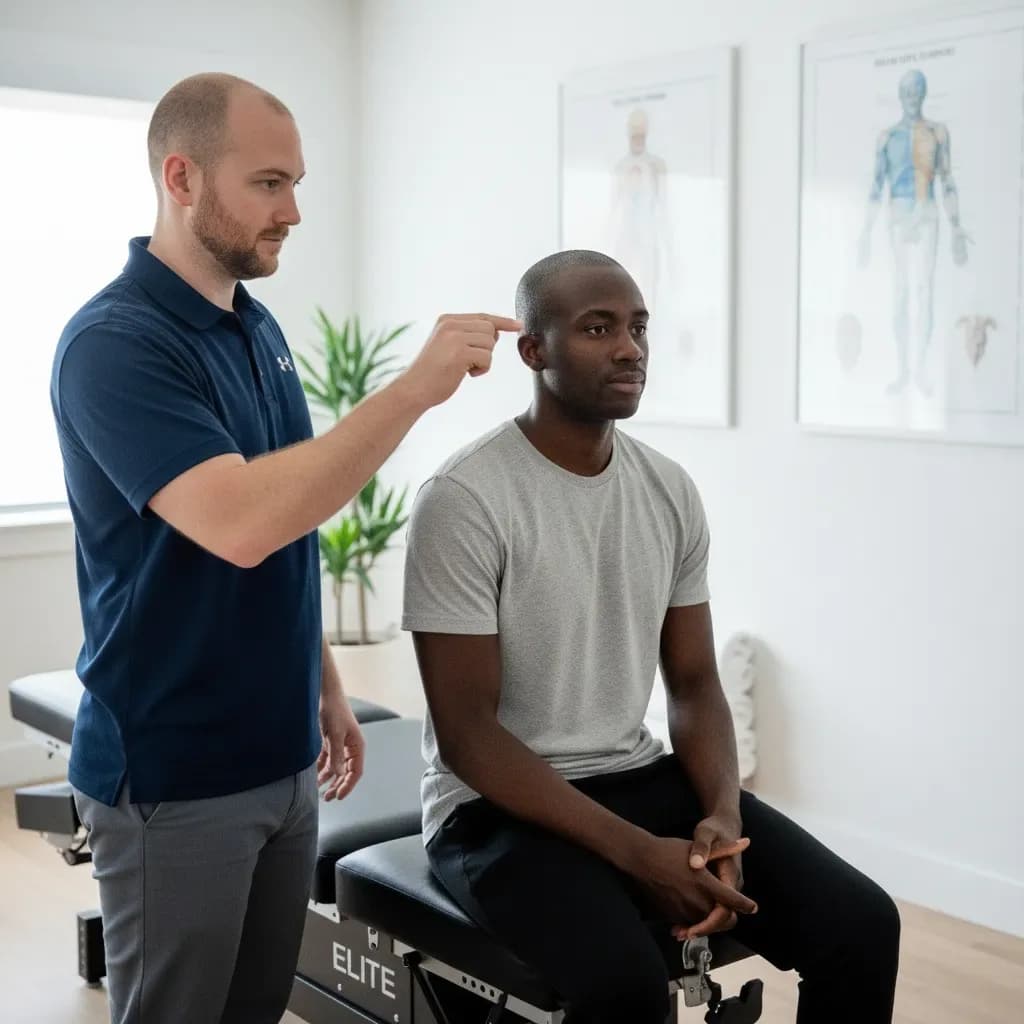
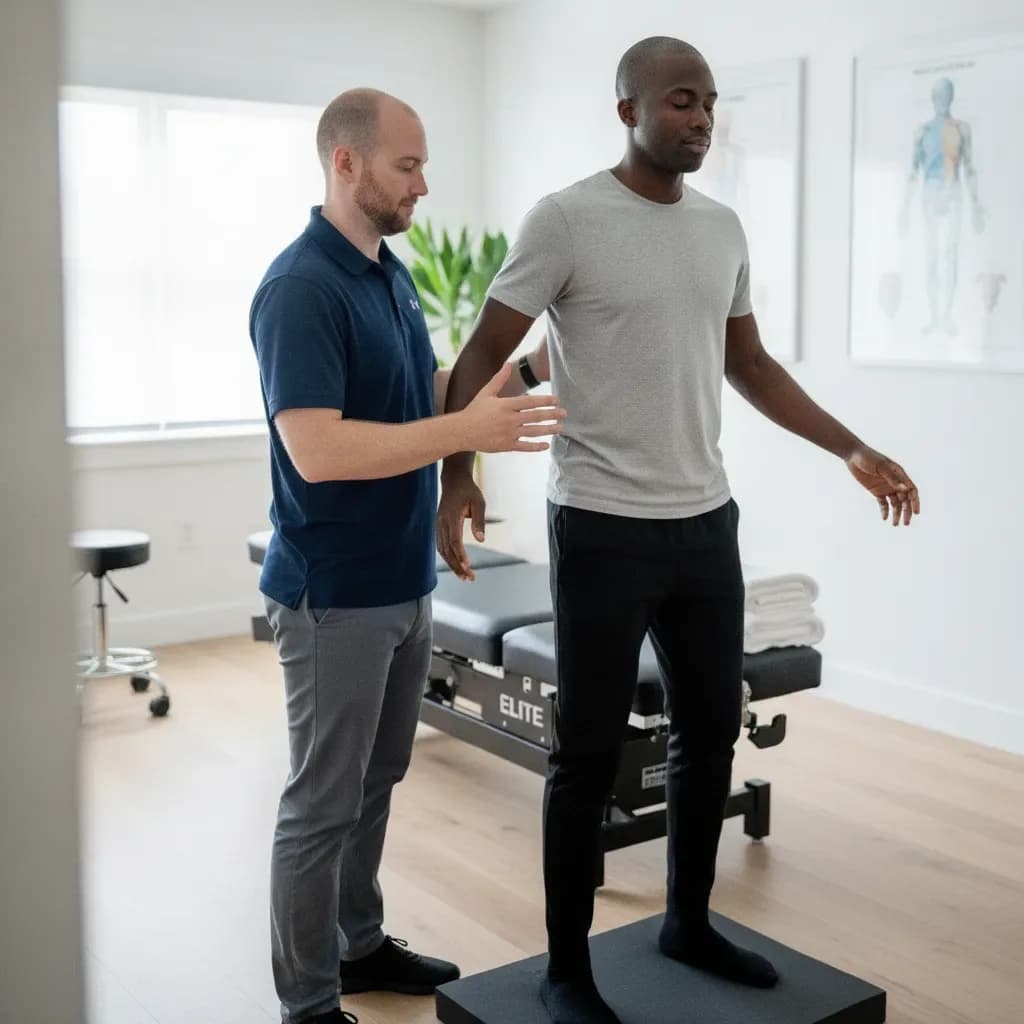
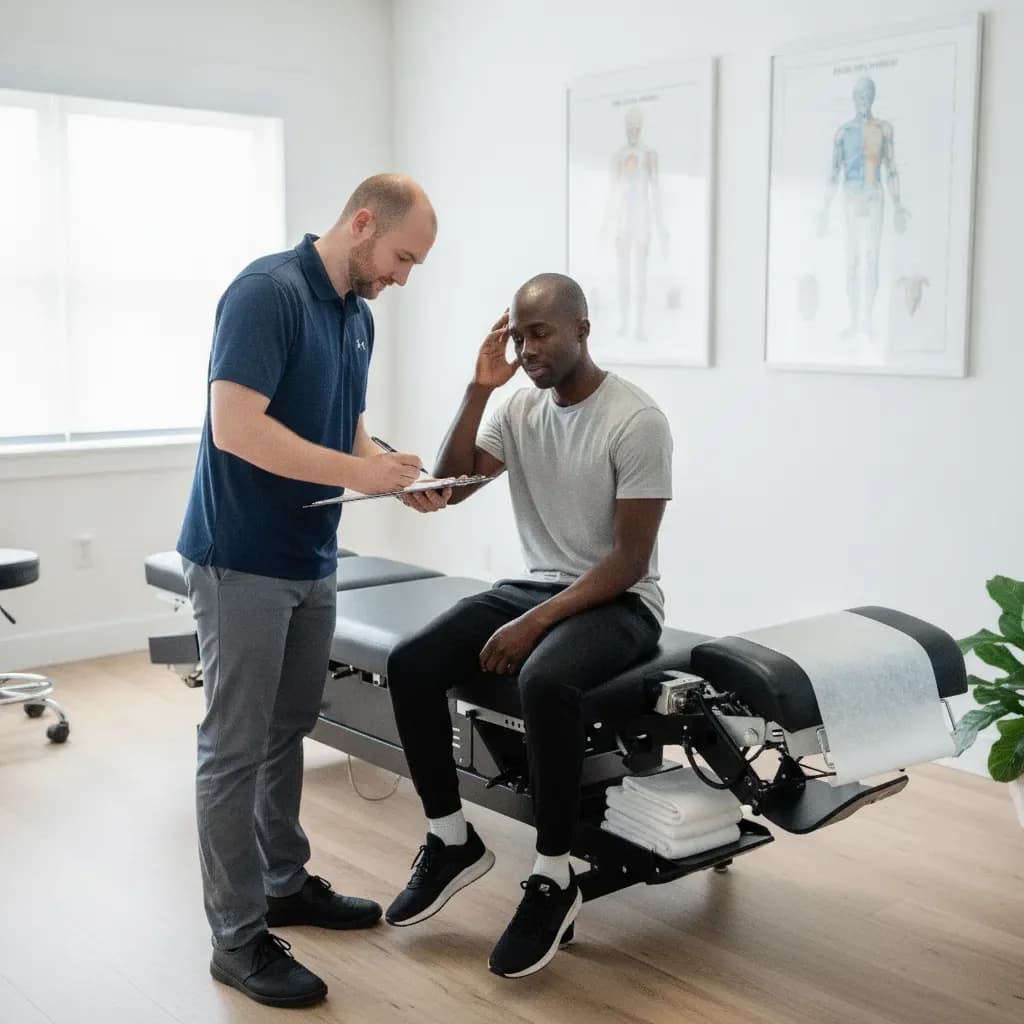
Your first visit is unhurried and detailed, because no two concussions are alike. We start with a full history, how the injury happened, what symptoms you've had, what makes them better or worse, and how they're affecting your work, school, sport, and sleep. From there we begin a multi-system physical exam. Depending on your symptoms and tolerance, this can include balance and vestibular testing, eye-movement (oculomotor) screening, a careful exam of the neck, and an exertion tolerance assessment to see how your body responds to graded activity, some of which may be completed over your first few visits rather than all at once.
Where it's helpful, optional baseline testing gives us objective numbers to track your recovery against and to guide a safe return, especially useful for athletes who want a clear, measurable benchmark before going back to contact. By the end of the visit you'll understand, in plain language, which systems are driving your symptoms and what your individualized plan looks like from here.
If your balance or eye-tracking systems are involved, we add specific gaze-stability and vestibular exercises. If your neck is reproducing your symptoms, hands-on care and motor-control work target it directly.
Carefully dosed, sub-symptom-threshold cardio is one of the strongest evidence-based concussion treatments. We set a safe starting point from your assessment and progress it as your tolerance improves.
A step-by-step progression back to learning, work, and sport, each stage held until you're stable before advancing, so you return confidently instead of re-injuring yourself by rushing.
Mood and emotional changes after a concussion aren't a character flaw or a side issue, they're part of how the injury affects the brain, compounded by the disruption to your sleep, routine, and activity. Anxiety, low mood, irritability, and feeling 'not yourself' are common, and they're more likely the longer symptoms drag on.
We screen for this from the start, talk about it openly, and factor it into your plan, because emotional recovery and physical recovery move together. When it will help, we coordinate referral to psychology or counselling so that side of recovery gets the same structured support as the rest.
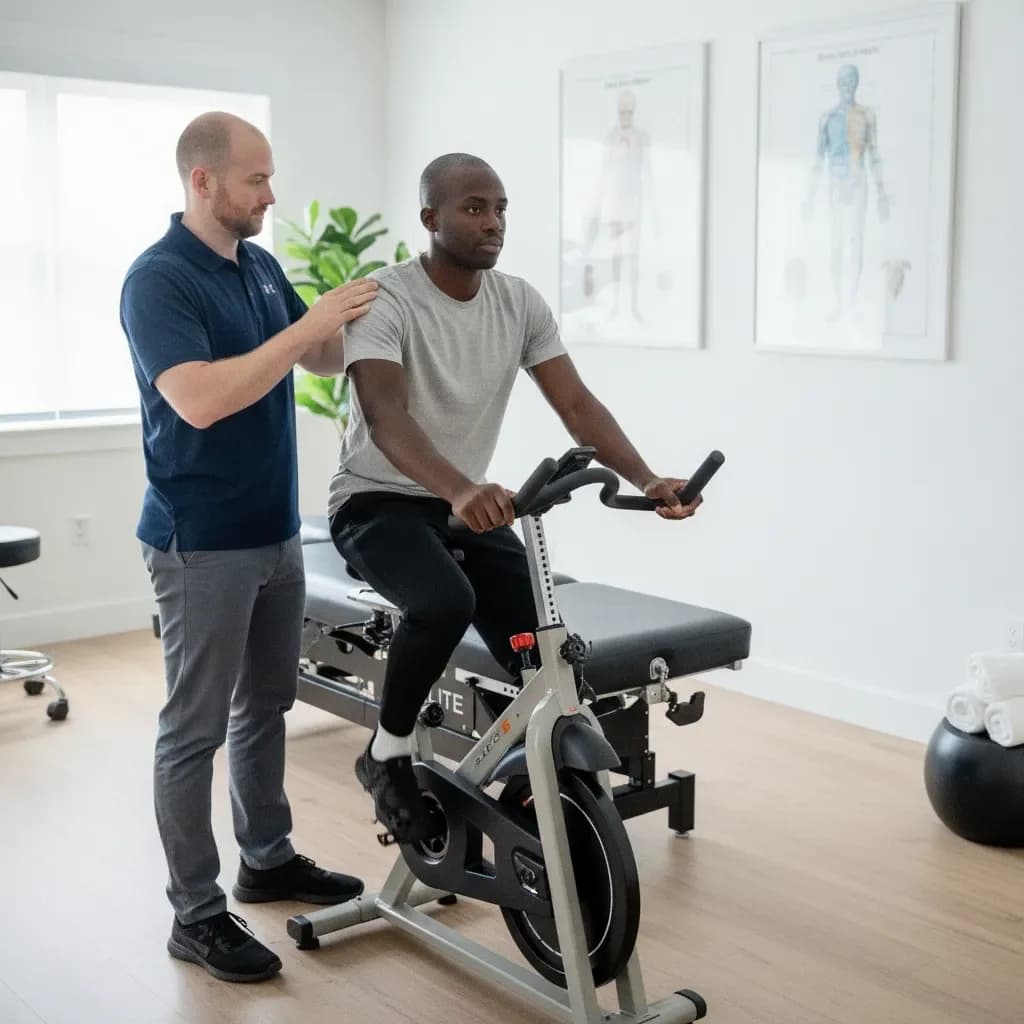
The reassuring reality is that the large majority of concussions resolve within a few weeks when they're managed actively and early. The old advice, lock yourself in a dark, quiet room until everything fades, is out of date. After a short initial period of relative rest in the first day or two, gentle activity kept below your symptom threshold actually speeds recovery, and structured rehab helps most people get back to full life faster.
And if you're past the four-week mark and still dealing with headaches, fog, dizziness, exercise intolerance, or visual symptoms, that's persistent post-concussion symptoms, not a sign you're stuck. Targeted, system-specific rehab works well even months after the original injury. The neck, balance, vision, and exertion systems can all be retrained; you do not have to simply wait it out and hope.
Multi-system
Concussion assessment
Baseline
Testing available
16+ yrs
Treating Toronto
Direct bill
Most insurers
How patients recovered from concussion and got back to sport, work, and school.
“My teenager was struggling to get back to school after a concussion. The team gave us a clear, step-by-step plan and the symptoms steadily improved. We finally felt like we knew what we were doing.”
“The dizziness and headaches after my injury were scary. The active rehab here brought them down week by week, and I was guided safely back to playing my sport. I never felt rushed.”
“After my concussion I felt lost and the symptoms just lingered. Having an actual structured rehab plan, and someone who reassured me I'd get better, made all the difference. I'm back at work full-time.”
See how our full concussion program works, from the initial multi-system assessment and optional baseline testing through multi-phase rehab and graded return-to-activity.
Concussion managementThe neck is involved in most concussions, and cervicogenic headache and dizziness are some of the most treatable pieces of recovery. Learn how we assess and treat the cervical spine.
Neck pain treatmentOur team, including Dr. Matthew Serrick and Dr. Steven Murray, holds focused training in concussion and mild traumatic brain injury management. Meet the team and book your first downtown Toronto visit.
Toronto chiropractorWhat we'll typically pull from when we put a plan together.
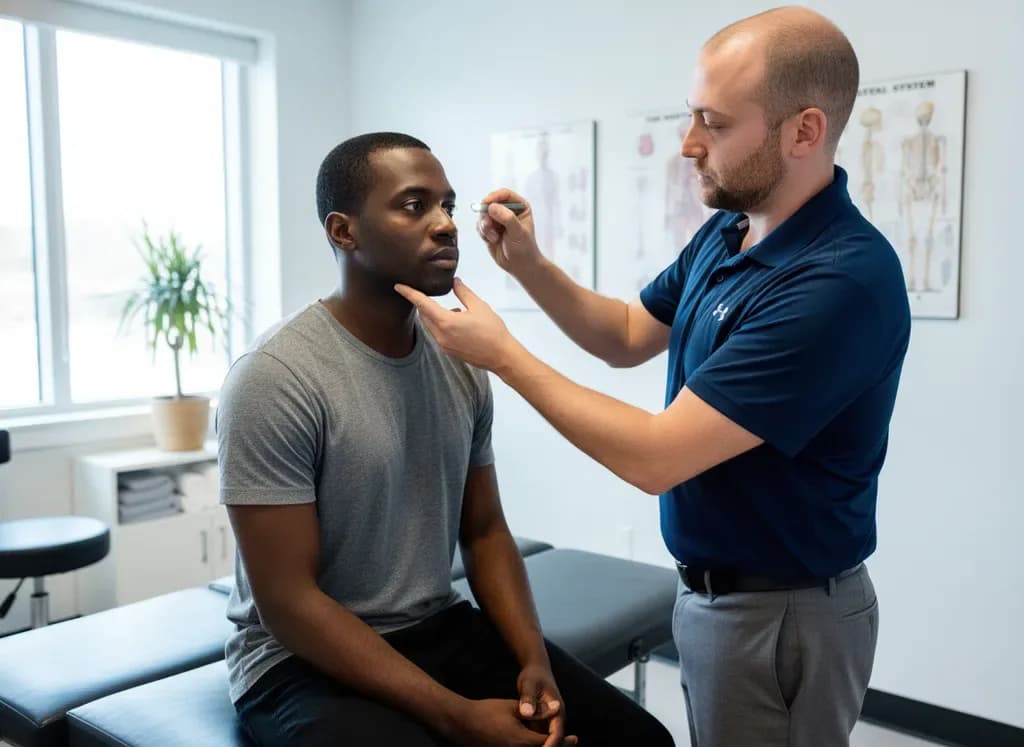
Concussion assessment, baseline testing, and multi-phase rehabilitation in downtown Toronto, vestibular, cervical, oculomotor, and a graded return to activity in one place.
Learn more
Hands-on chiropractic care for back, neck, and joint pain, adjustments, mobilizations, soft tissue work, and rehab exercises tailored to your assessment.
Learn moreOften shows up alongside what brought you here.
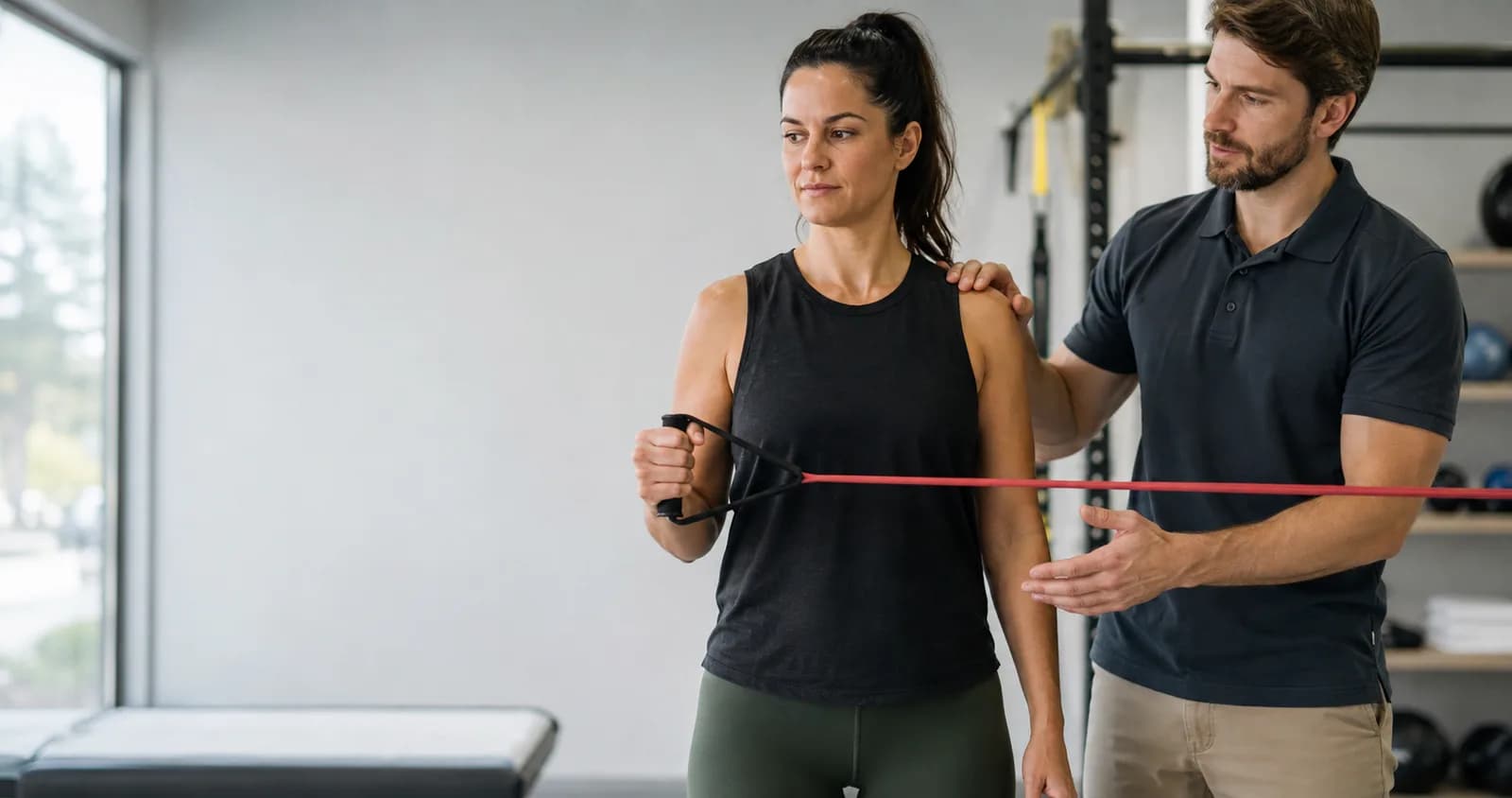
Supraspinatus tendonopathy and tears, shoulder impingement syndromes, bursitis, and other non-traumatic shoulder pain.
Read the guide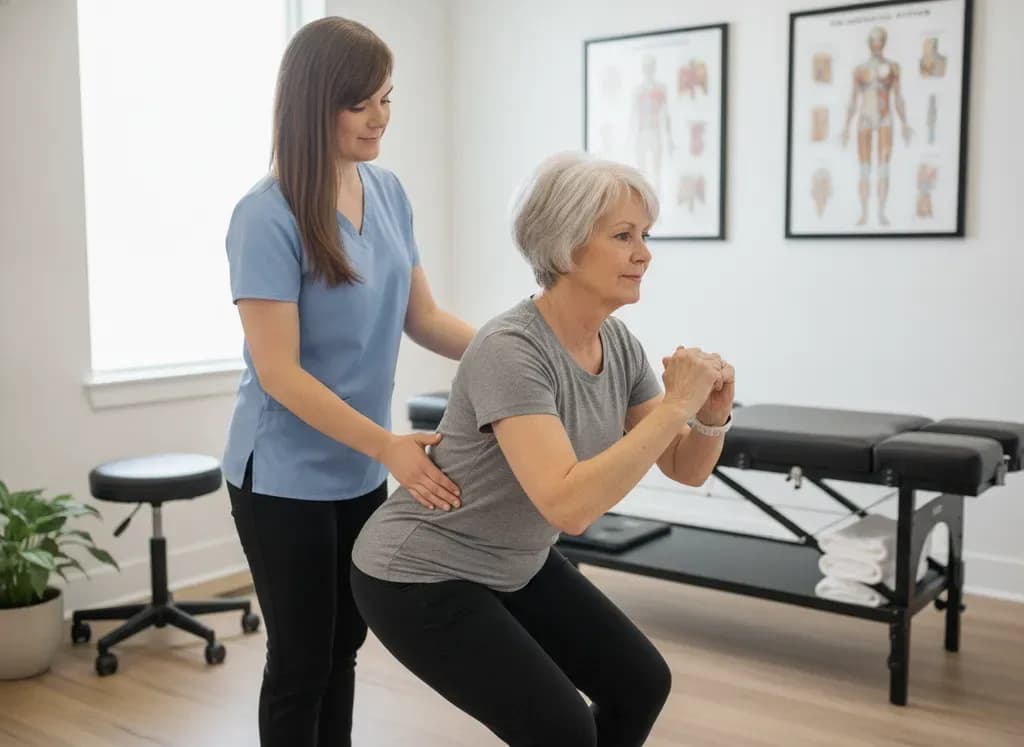
Hip and knee osteoarthritis: stiff, painful joints that flare with use, ease with rest, and don't always match what shows up on imaging. Treatable with individualized, evidence-based education and exercise, drawing on GLA:D® principles.
Read the guide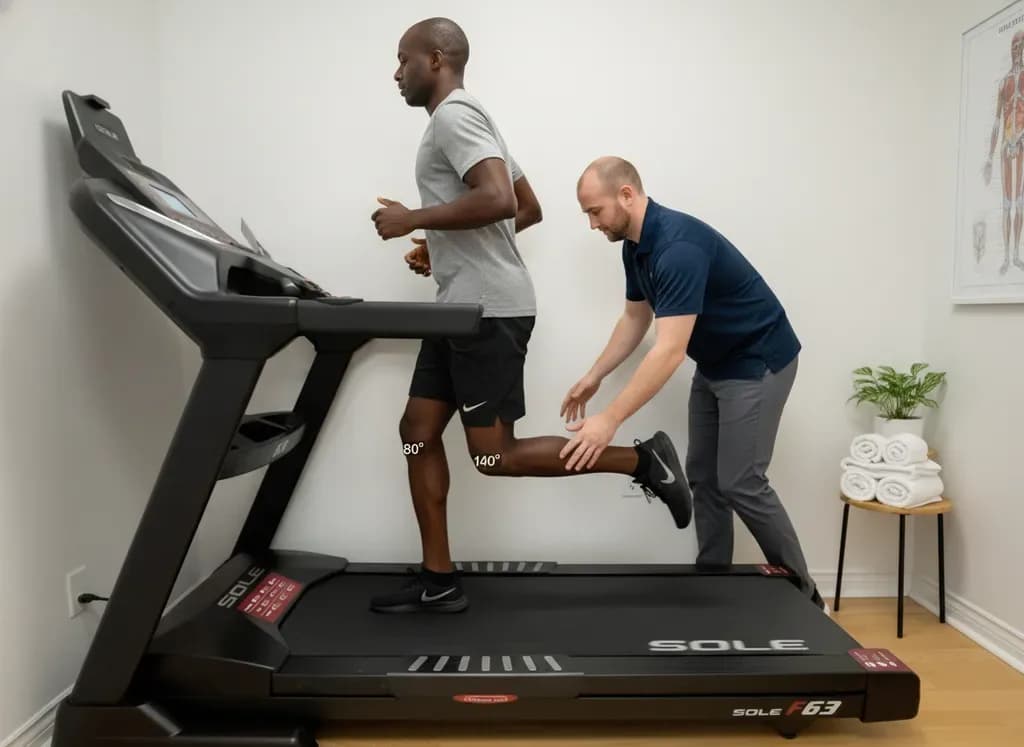
Runner's knee, IT band, Achilles tendinopathy, plantar fasciitis, shin splints, and stress reactions. Assessment, gait analysis, and a structured return-to-run progression, not 'just rest.'
Read the guideAbout concussion
About the clinic

Screens can trigger headaches, eye fatigue, dizziness and brain fog after a concussion. This practical four-stage plan explains how to reduce screen exposure initially, rebuild tolerance and return to normal use.
Read the article
Learn how motor vehicle accident rehabilitation in Toronto helps guide recovery from stiffness, pain, or setbacks after a collision, one step at a time.
Read the article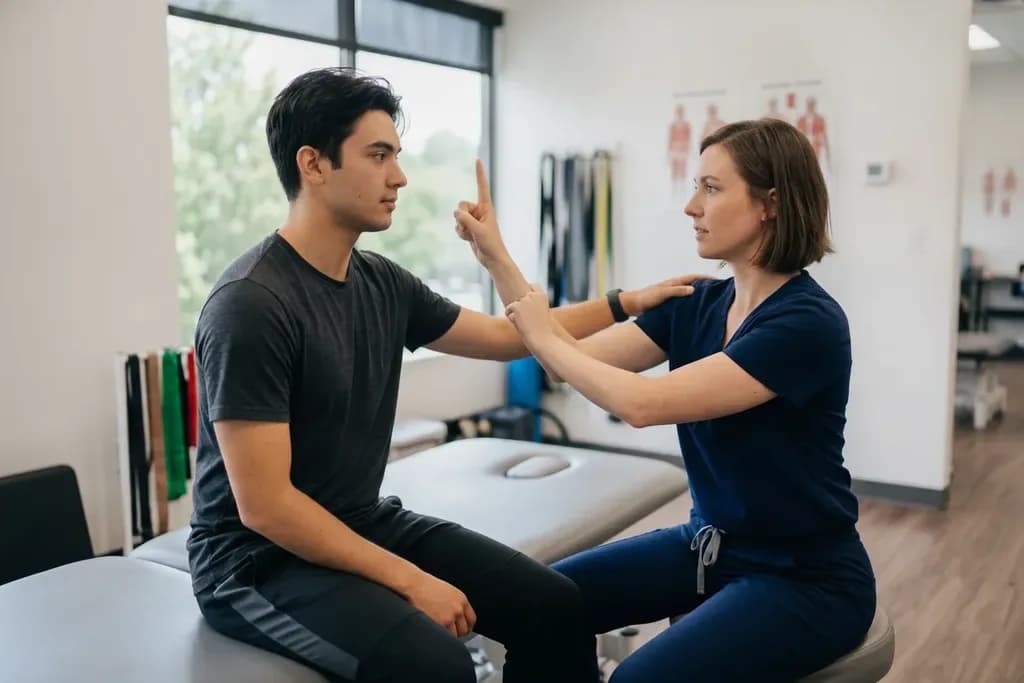
Learn when symptoms might point to something more serious and how timely concussion treatment in Toronto can support your recovery this winter.
Read the articleTell us about your concussion and the front desk will match you with the right practitioner.