Use-related pain
Pain that builds during activity (walking, stairs, gardening) and eases with rest. Distinct from inflammatory pain that's worst overnight.

Hip and knee osteoarthritis: stiff, painful joints that flare with use, ease with rest, and don't always match what shows up on imaging. Treatable with individualized, evidence-based education and exercise, drawing on GLA:D® principles.
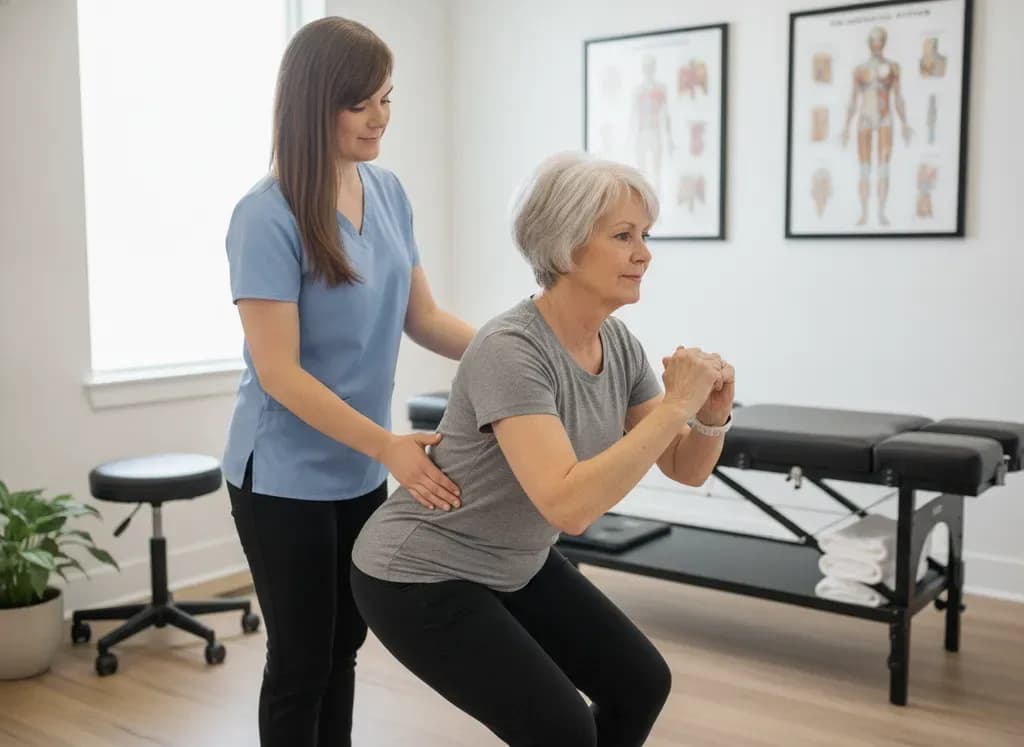
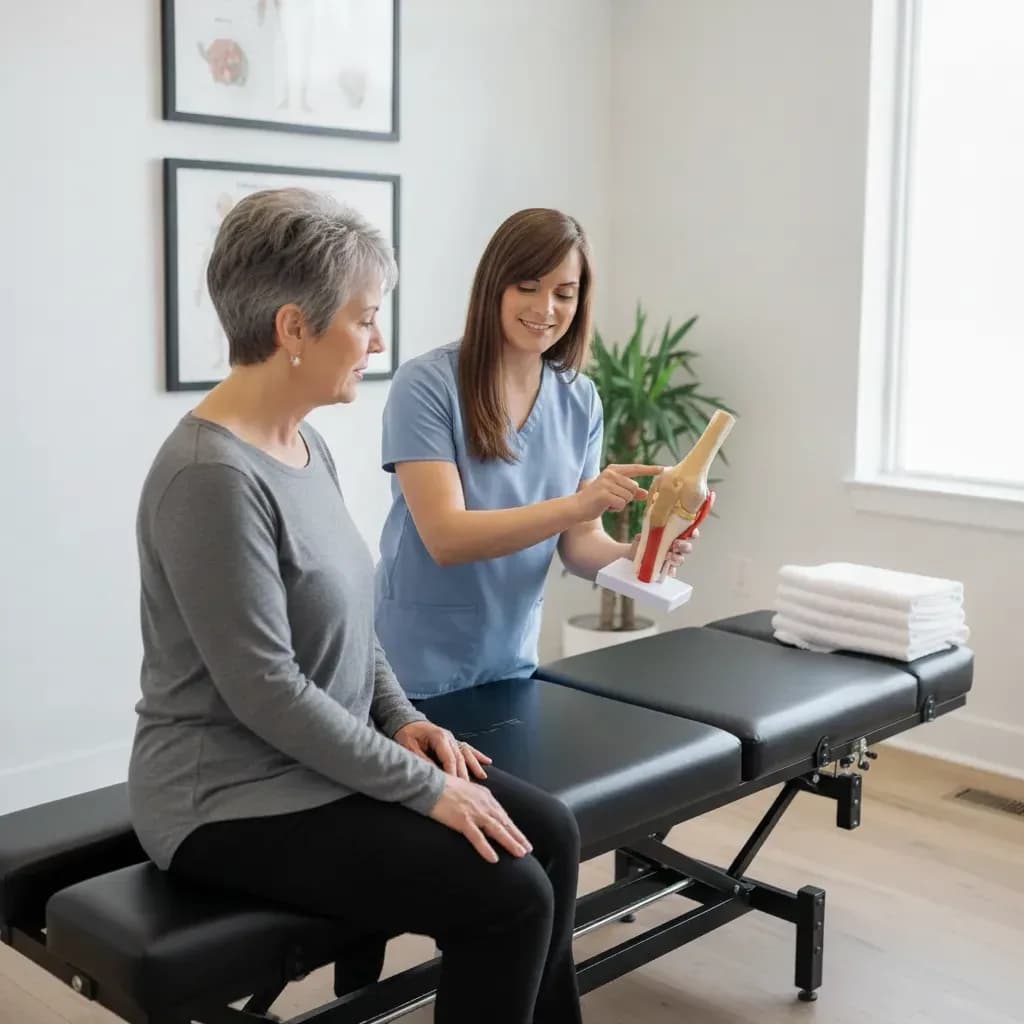
Osteoarthritis affects the cartilage in your joints, most commonly the knee and hip. The structural changes include loss of cartilage with narrowing of the joint space, bony outgrowths (osteophytes), and changes to the joint capsule and surrounding muscles.
But here's the part that surprises most patients: imaging and symptoms only line up about 30–40% of the time in OA. Plenty of people with significant changes on X-ray have no pain, and plenty of people with painful joints have unremarkable imaging. That means your treatment plan should target your symptoms and function, not the picture.
Pain that builds during activity (walking, stairs, gardening) and eases with rest. Distinct from inflammatory pain that's worst overnight.
Stiffness on getting up that loosens within ~30 minutes, short-duration stiffness is OA-typical, longer stiffness suggests something else.
Difficulty with stairs, sit-to-stand, getting in and out of cars, prolonged walking. Often the symptom that prompts the appointment.
OA is multi-factorial, most patients have several of these. Many of the risk factors are addressable; some aren't.
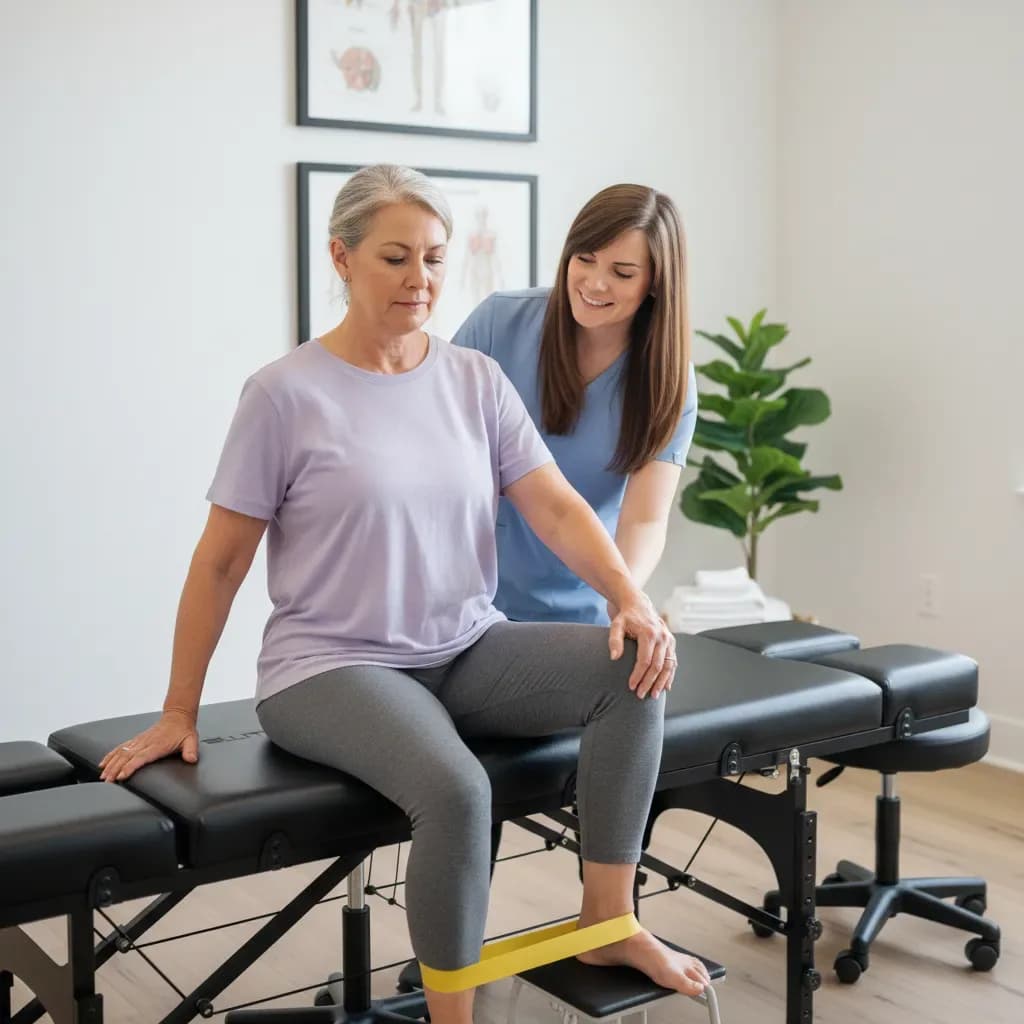
Dr. Serrick is GLA:D®-trained (Good Life with osteoArthritis: Denmark) and brings the program's proven elements, structured education plus supervised neuromuscular exercise, into individualized care. It's the international first-line conservative treatment for hip and knee OA, and we tailor it to you rather than running the formal group class.
Reported outcomes from the GLA:D® Canada registry: less pain, reduced pain-medication use, fewer days on sick leave, and increased physical activity. For patients heading toward joint replacement, GLA:D® is widely used as pre-habilitation; for many, it delays or replaces surgery entirely.
Education + exercise
GLA:D®-informed
30–40%
Symptom-imaging match
First-line
Conservative care
GLA:D®
Canada registry
What we'll typically pull from when we put a plan together.
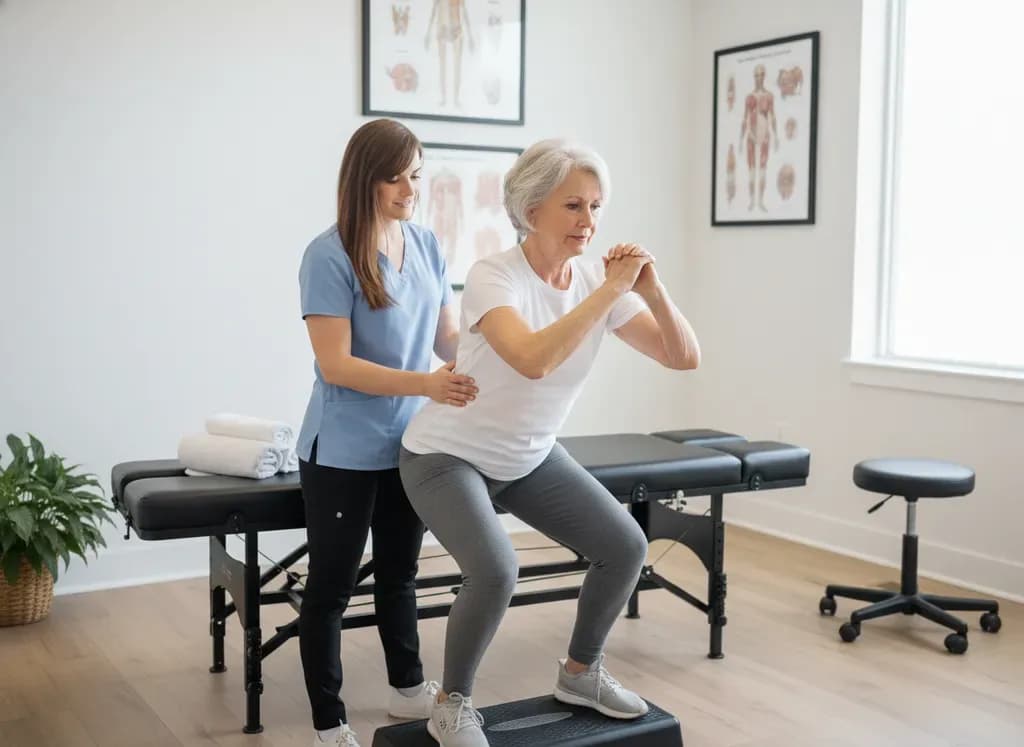
Individualized, evidence-based education and exercise for hip and knee osteoarthritis, drawing on GLA:D® principles. Dr. Serrick is GLA:D®-trained; care is one-on-one and tailored to you, not a fixed group class.
Learn more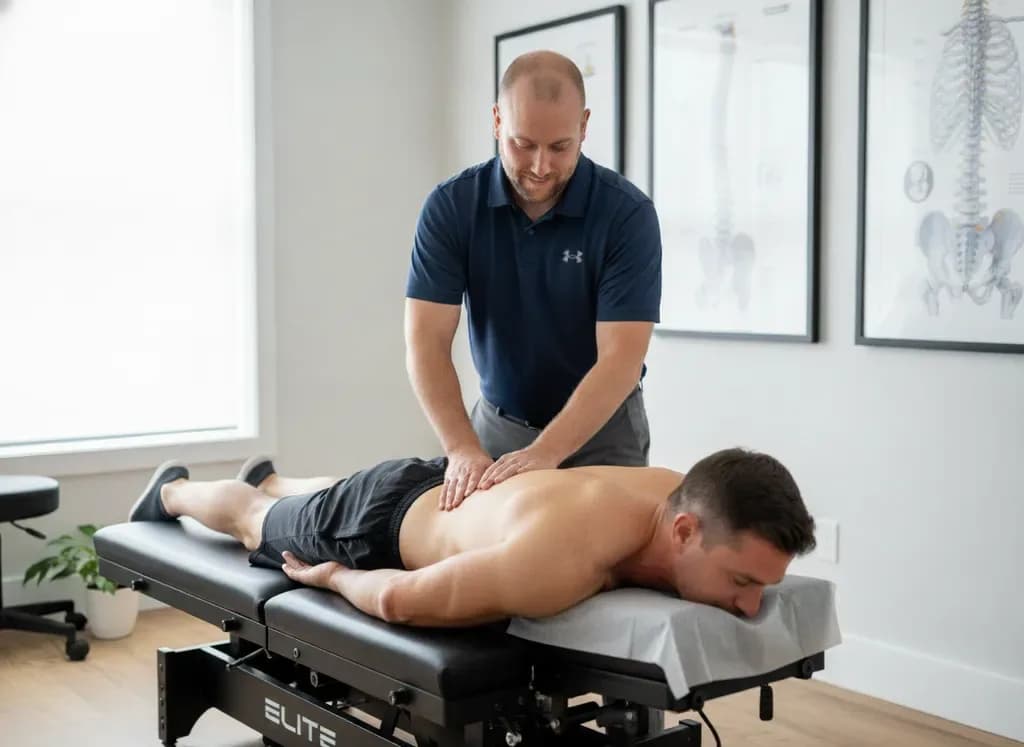
Hands-on chiropractic care for back, neck, and joint pain, adjustments, mobilizations, soft tissue work, and rehab exercises tailored to your assessment.
Learn more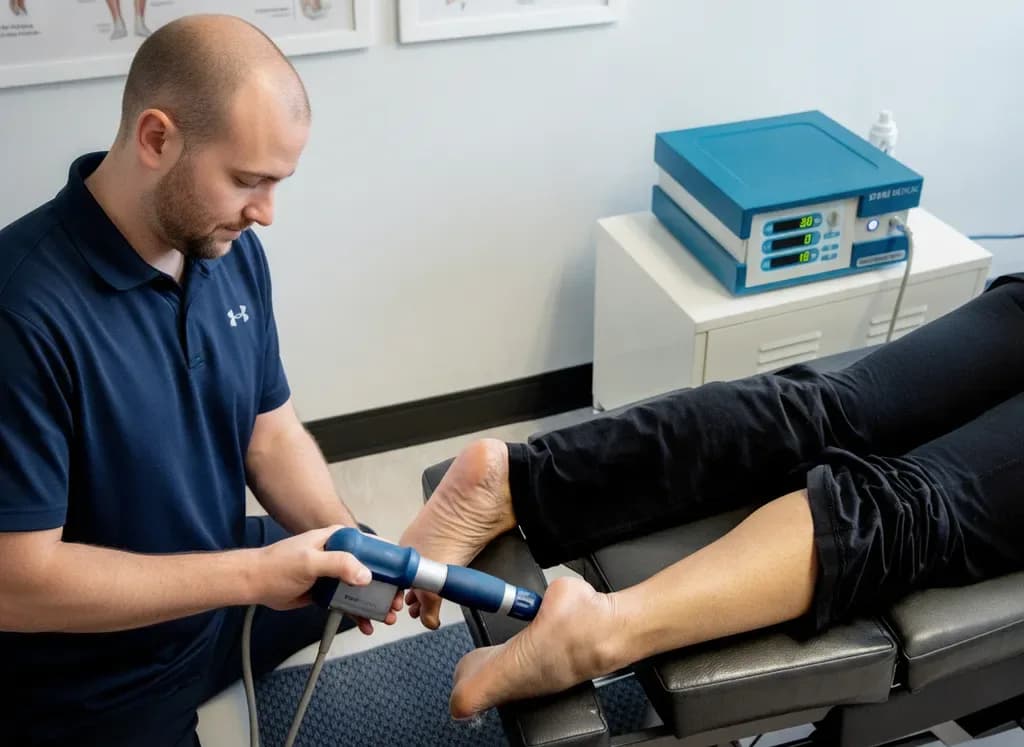
Extracorporeal shockwave therapy (ESWT) for chronic tendinopathy, plantar fasciitis, and calcific conditions that haven't responded to conservative care alone.
Learn moreOften shows up alongside what brought you here.
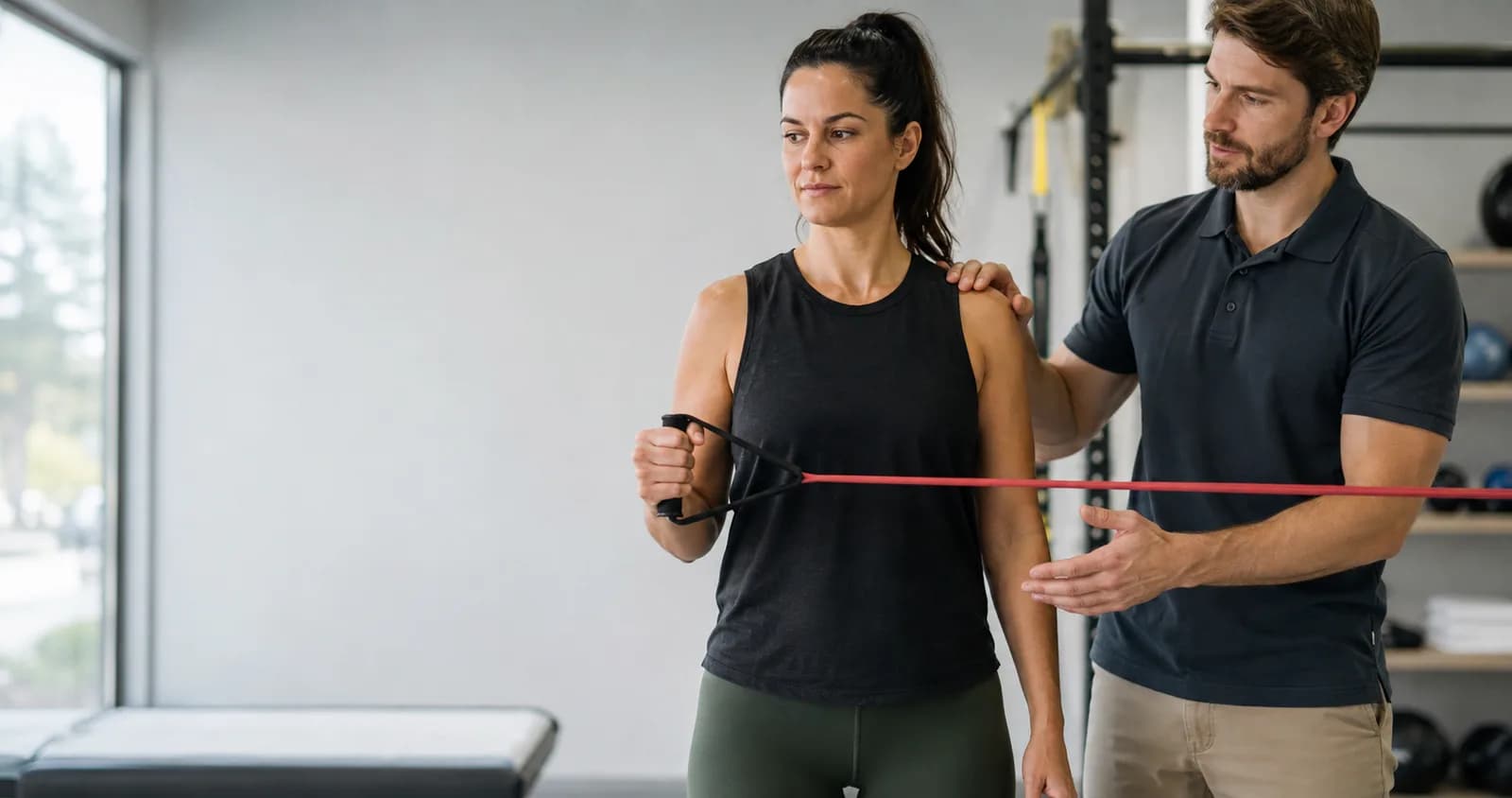
Supraspinatus tendonopathy and tears, shoulder impingement syndromes, bursitis, and other non-traumatic shoulder pain.
Read the guide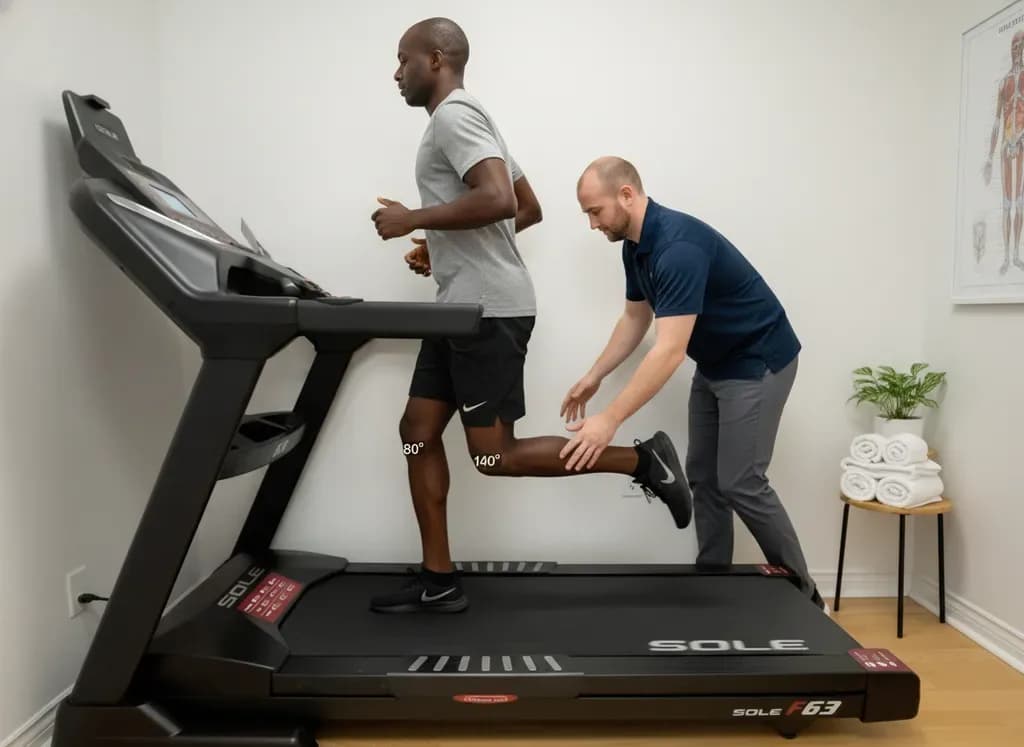
Runner's knee, IT band, Achilles tendinopathy, plantar fasciitis, shin splints, and stress reactions. Assessment, gait analysis, and a structured return-to-run progression, not 'just rest.'
Read the guide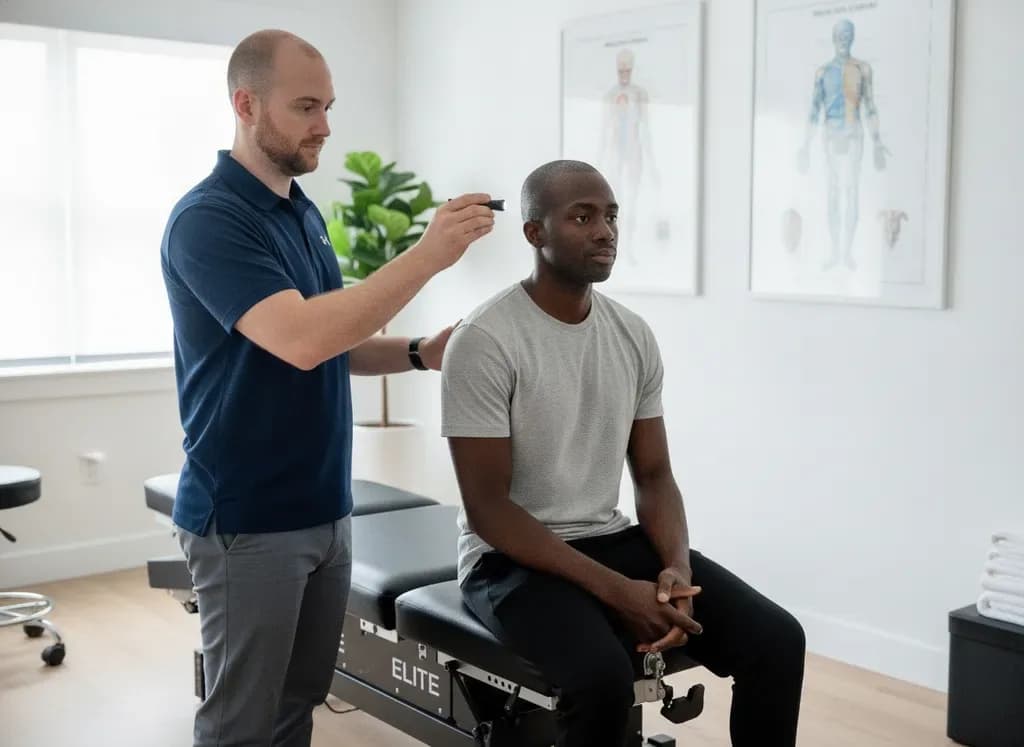
Multi-phase concussion rehabilitation, vestibular, cervical, oculomotor, and graded return-to-activity. Care from the first 72 hours through full return-to-sport, with clearance testing for return to sport and baseline testing at the start of the season.
Read the guideAbout osteoarthritis (hip & knee)
About the clinic
A few words from people we've helped get back to what they love.
“Steps from College station and they direct-bill my insurance, so it's an easy visit. Real assessment, no pressure, and a plan I could actually follow at home.”
“I saw Dr. Clarke through my pregnancy for pelvic pain. Gentle, knowledgeable, and reassuring the whole way. It made a real difference to how I felt day to day.”
“Booked for a running gait analysis before a half marathon. The video breakdown of my stride was eye-opening and the exercises sorted out the knee pain that kept derailing my training.”
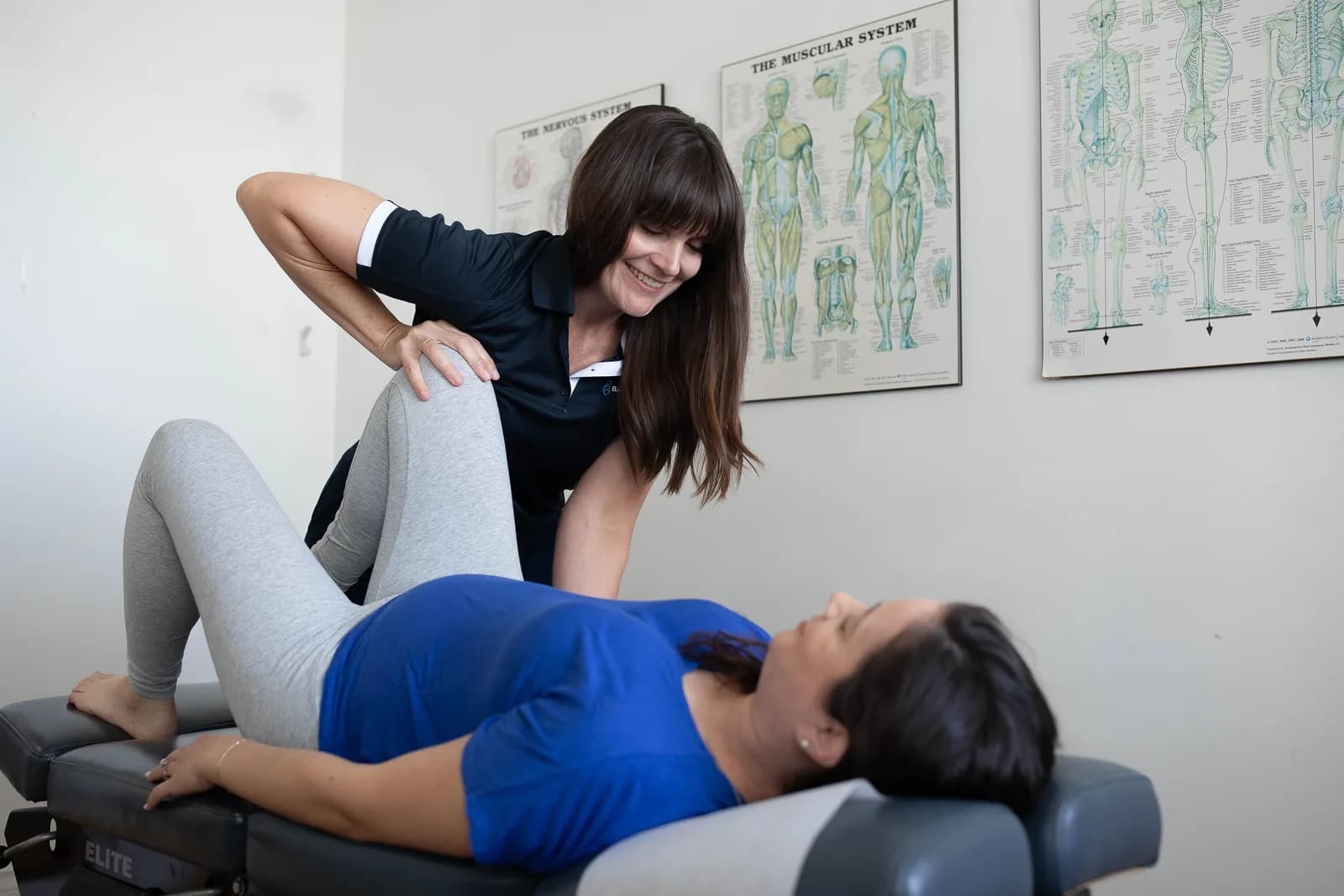
Learn about pelvic girdle pain during pregnancy, common symptoms, and how individualized chiropractic care can help.
Read the article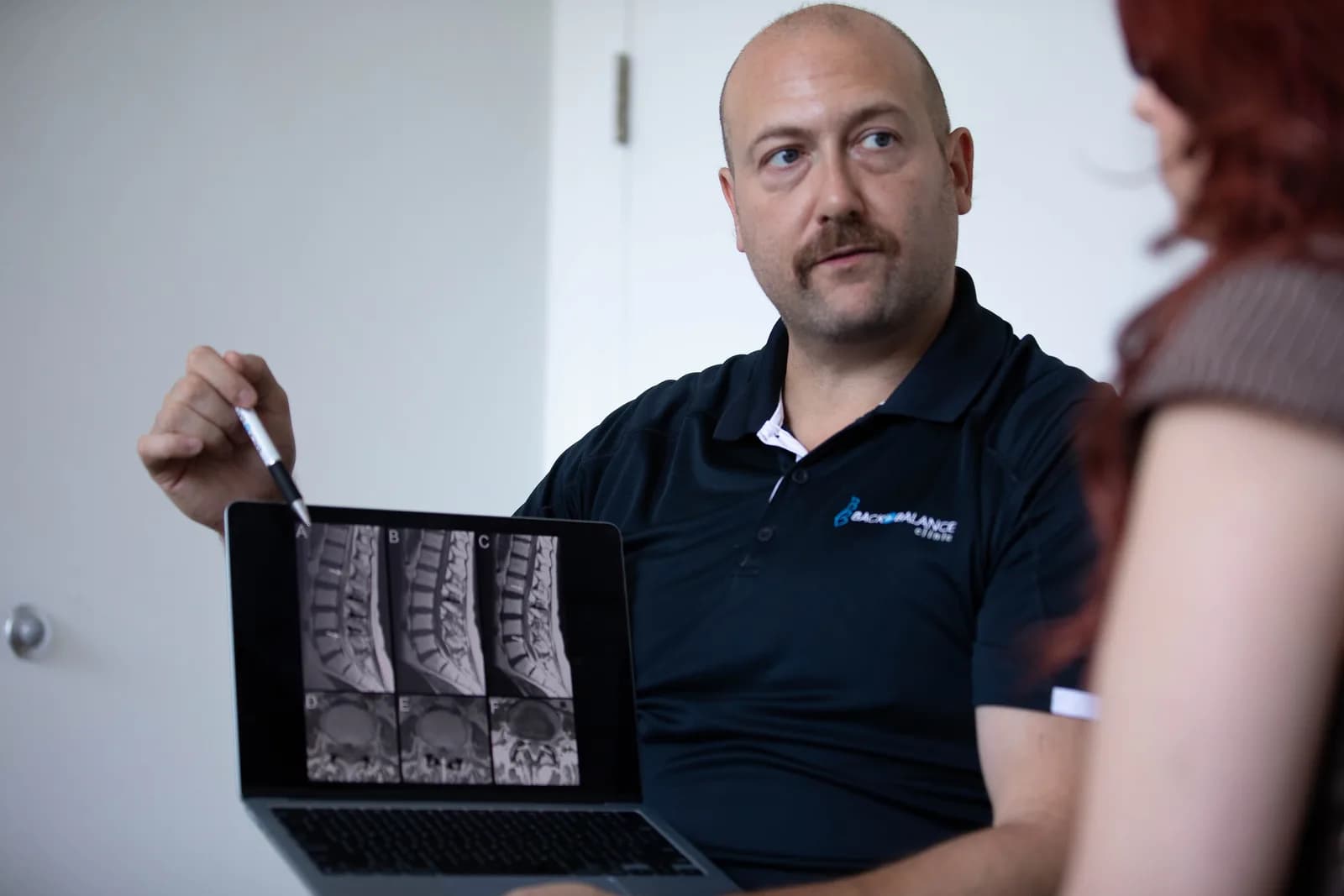
An MRI can be essential when low back pain suggests a serious problem or when the results will guide specialist treatment. For many people, however, a scan adds information without improving care. Here is how to tell the difference, and why the way MRI findings are explained matters.
Read the article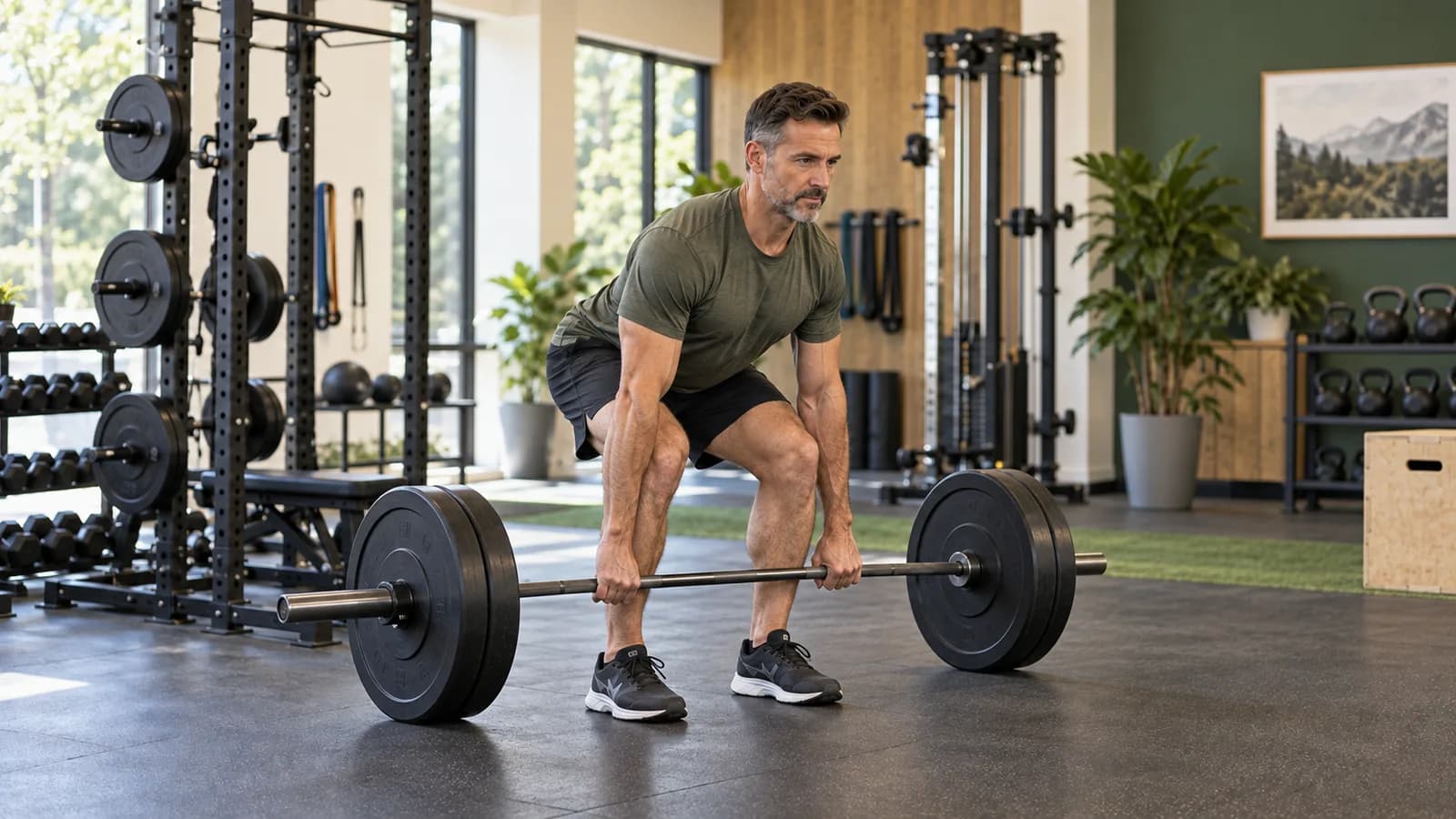
An injury flare-up does not always mean new damage. Learn how balancing capacity and demand can settle symptoms while helping you rebuild the strength and tolerance needed for daily life.
Read the articleTell us about your osteoarthritis (hip & knee) and the front desk will match you with the right practitioner.