Runner's knee (PFPS)
Aching pain around or behind the kneecap that flares with stairs, hills, and sitting for long stretches. Usually responds to hip and quad strengthening plus a managed running load, not just a knee brace.

Runner's knee, IT band, Achilles tendinopathy, plantar fasciitis, shin splints, and stress reactions. Assessment, gait analysis, and a structured return-to-run progression, not 'just rest.'
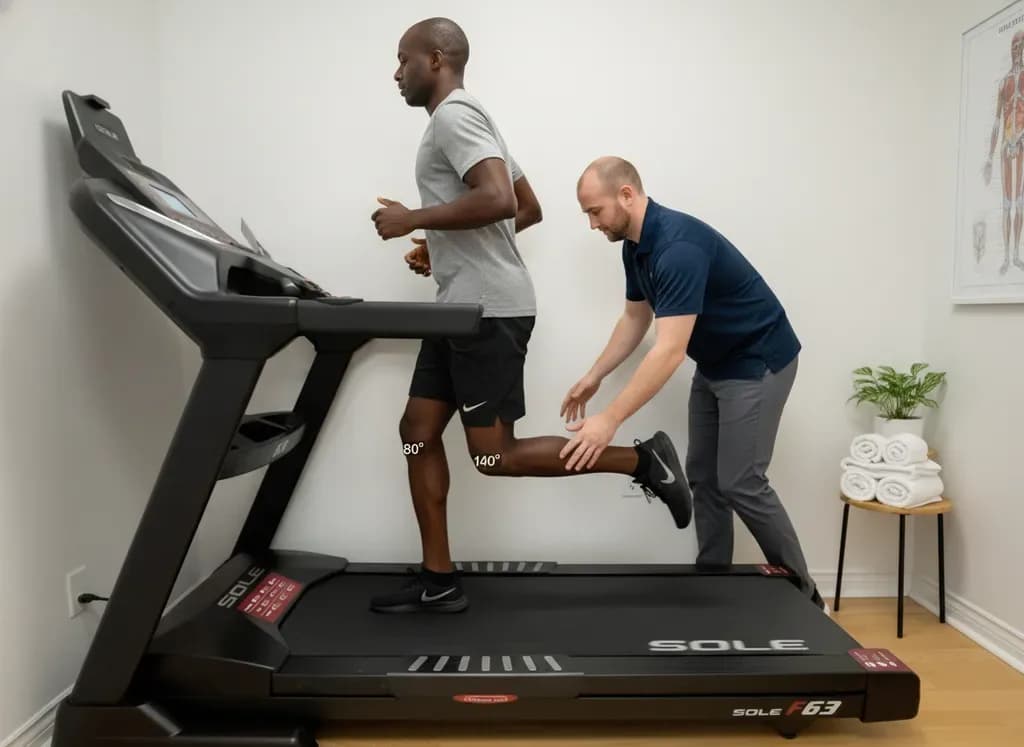
Running injuries are the aches, pains, and overuse complaints that show up in runners, runner's knee, IT band syndrome, shin splints, Achilles tendinopathy, and plantar fasciitis chief among them. Roughly half of recreational runners pick up an injury in any given year, and the vast majority are not biomechanical mysteries. They're training-load mismatches: the tissue's capacity (what your body can currently handle) didn't keep pace with training demand (what you asked of it).
That distinction matters because it changes the fix. When pain is driven by 'too much, too soon', a sudden mileage jump, a new hill workout, faster paces, or a quick return after time off, the answer is rarely 'fix your form' and almost never 'just rest.' It's a structured plan that calms the irritated tissue, rebuilds its capacity, and graduates you back to running without losing what you've trained for. Gait mechanics and strength can be contributors, and we assess them, but they're usually one piece of the picture, not the whole story.
Aching pain around or behind the kneecap that flares with stairs, hills, and sitting for long stretches. Usually responds to hip and quad strengthening plus a managed running load, not just a knee brace.
Sharp pain on the outside of the knee that builds at a predictable distance and eases when you stop. Hip strength, cadence tweaks, and downhill-volume management are the proven combination.
A stiff, painful Achilles, worst on the first steps in the morning or starting a run. Progressive, eccentric-biased calf loading is the most evidence-based treatment we have.
Sharp heel pain on the first steps out of bed or after sitting. Calf and intrinsic-foot loading plus plantar-specific work, with footwear and load tweaks where they help.
Almost every running injury we see has a clear story behind it. It's rarely the run you got hurt on, it's the four weeks before it. Tissue adapts to load gradually, and when demand outruns that adaptation, the tissue gets irritated. Map the story and we usually find the cause: a spike in weekly mileage, a sudden block of hill or speed work, a switch to harder surfaces or new shoes, or a return-to-run ramped too fast after illness, injury, or another life event.
Capacity is the other half of the equation. Sleep debt, life stress, under-fuelling, and a lack of strength training all lower how much load the tissue can absorb, so the same mileage that felt fine in the spring breaks down in a stressful, under-slept autumn. Two runners with identical knee pain can have completely different drivers, which is why we start with your training history and movement, not a template.
Most running injuries are safe to assess and treat conservatively. But a few patterns can signal a bone stress injury (stress fracture) or a problem outside the muscles and joints. If any of these apply, see your family doctor or an emergency department before booking, or tell us right away so we can refer for imaging.
Bone stress injuries are the exception, most running pain is a fixable load problem. Book an assessment: we're trained to look for the serious causes, and we'll refer for imaging right away if your story points to one.
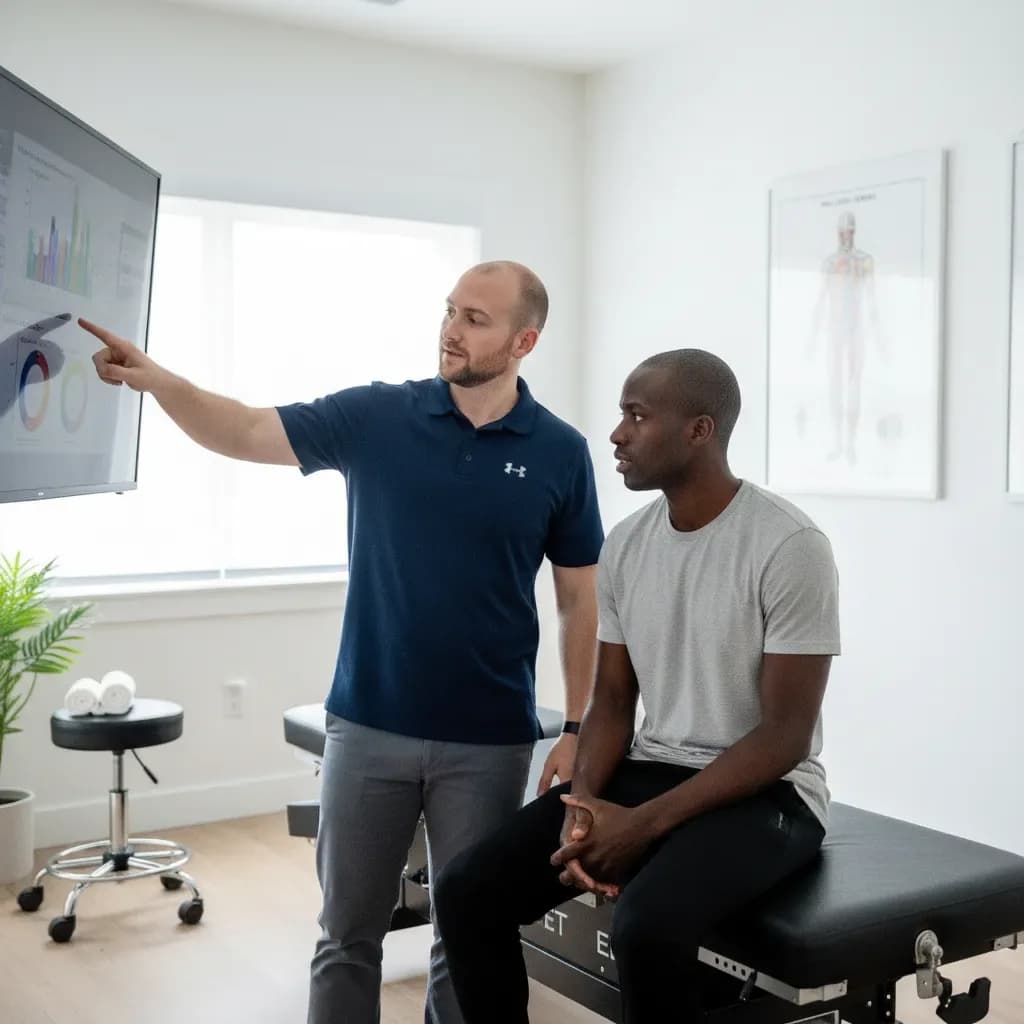
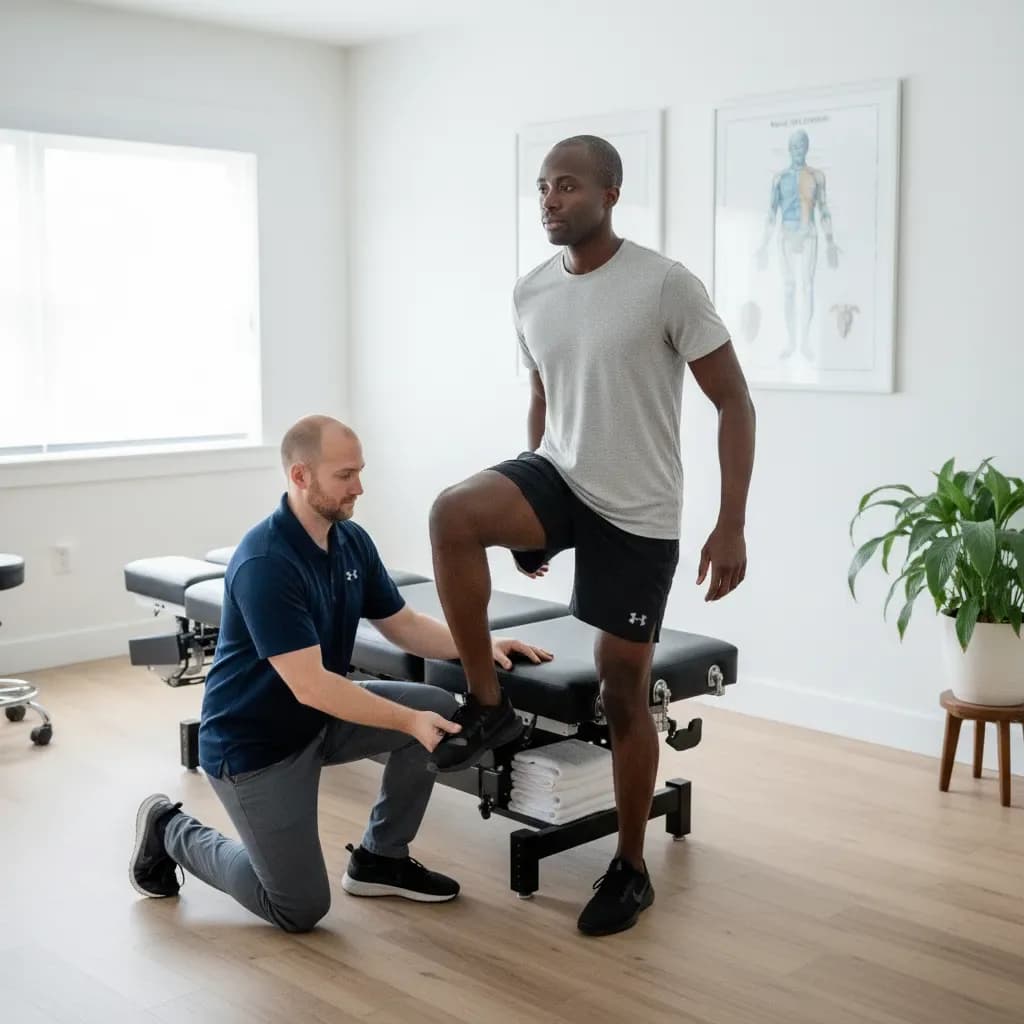
Your first visit takes 45–60 minutes. We start with a detailed running history, your weekly mileage, recent changes, what hurts and when, your goals and any upcoming races, because the training pattern is usually where the diagnosis lives. From there we run an orthopedic assessment: range of motion, strength testing of the hip, knee, calf, and foot, single-leg control, and the load tests that tell us how irritable the tissue is.
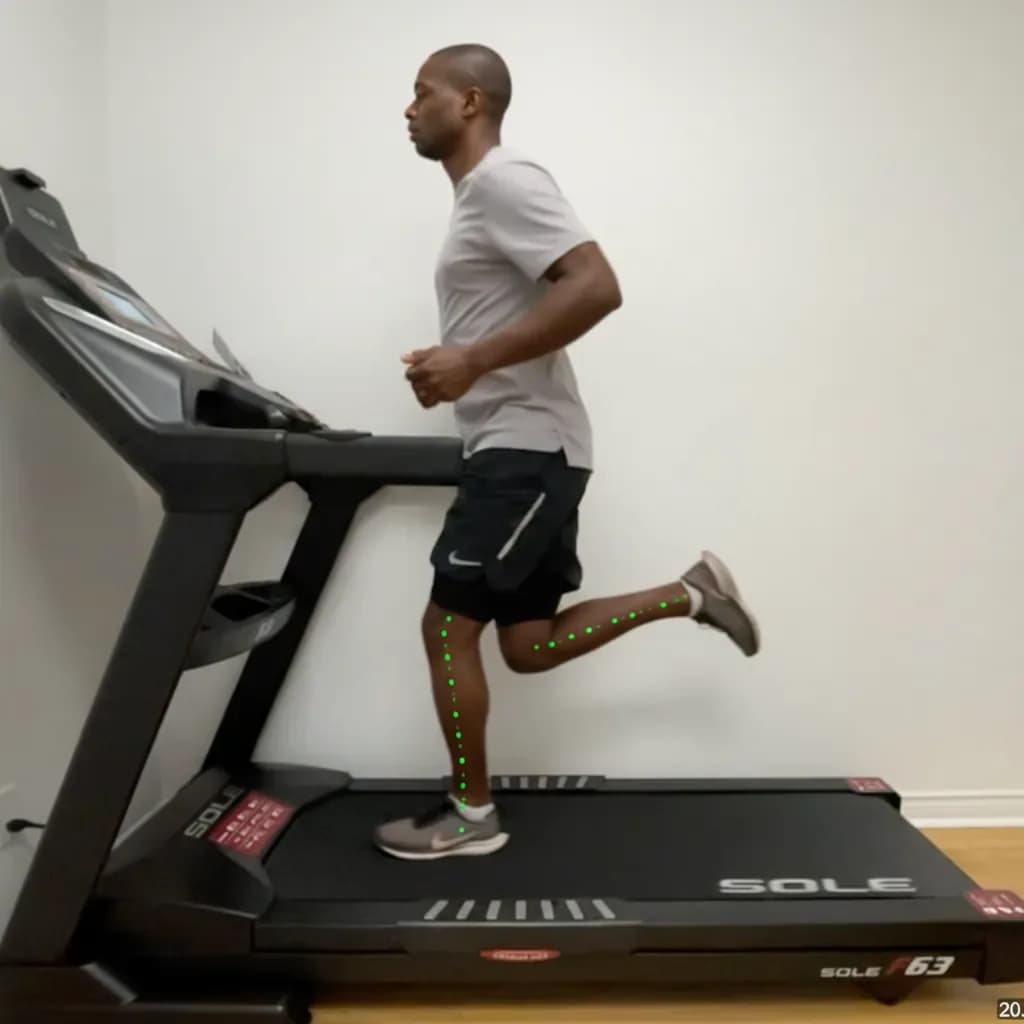
When biomechanics look relevant, we add a running gait analysis on the clinic treadmill to see cadence, foot strike, and control under real running load. You'll leave with a plain-language explanation of what's driving the injury, a starting running prescription, your first strengthening exercises, and a realistic sense of how many weeks the return-to-run will take.
We find your symptom-free running volume, then expand it on a schedule, usually no more than a 10–15% weekly bump, with clear flare-up rules so you know when to push and when to pull back.
Progressive loading for the tissue that's overloaded: eccentric calf work for Achilles, hip and quad strength for knee pain, foot and calf capacity for plantar and shin pain. Minutes a day, not a gym program.
Functional movement assessmentCadence and form tweaks when the assessment supports them, identified on the clinic treadmill and coached over your return-to-run.
Manual therapy for the joints and soft tissue under strain, plus modalities like shockwave or laser to settle stubborn tendon and fascia pain.
Shockwave therapy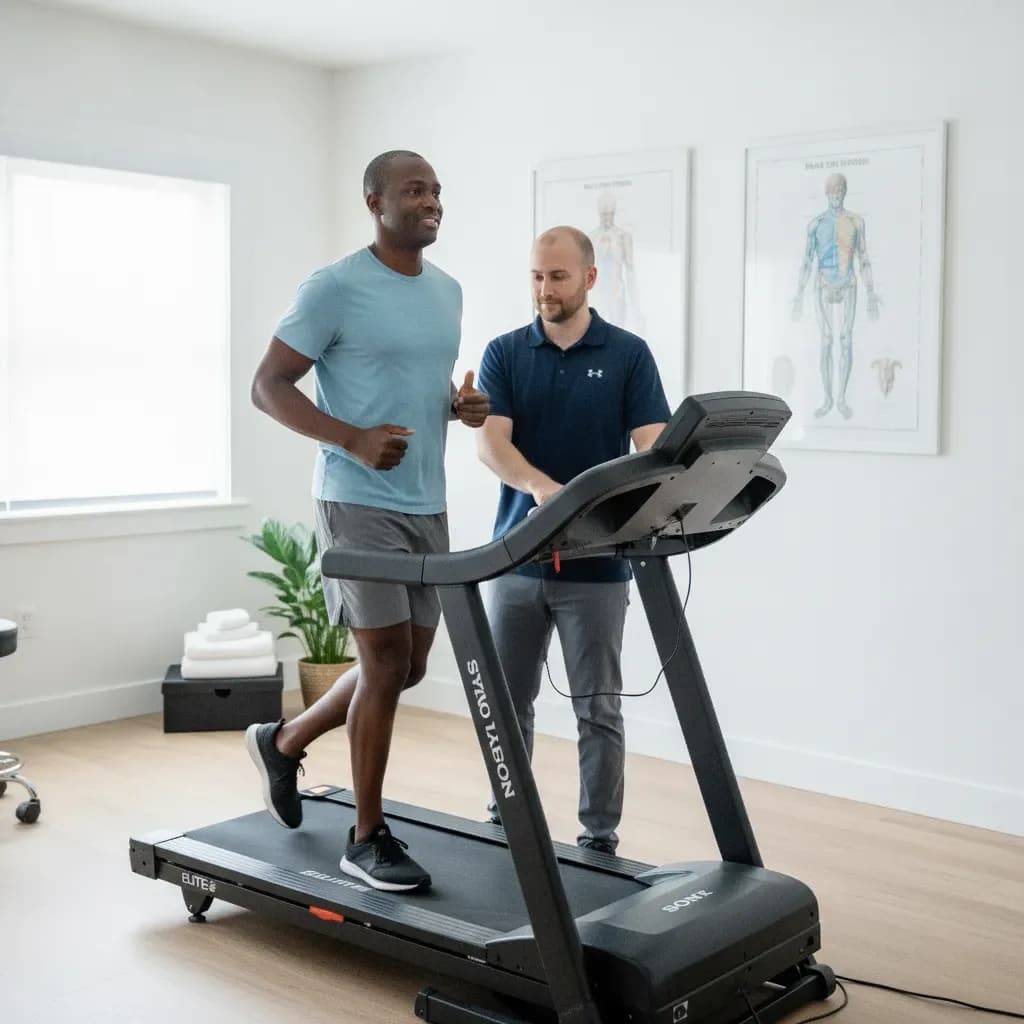
The goal isn't just to make today's pain go away, it's to get you back to your training without losing the fitness you've built, and without the injury returning the moment you ramp up. That's why we lean on a graded return-to-run: walk-run intervals at the right starting point, a measured weekly progression, and cross-training (cycling, pool running, strength work) to hold your aerobic base while the injured tissue catches up.
We build the plan around your real life and your real calendar, training peaks, race weeks, and post-race recovery included, rather than asking everyone to take six weeks off and start from zero. Most runners are back to their pre-injury volume within 6–12 weeks, leaving with the strength habits and load rules to keep the next injury from happening.
Gait analysis
On-site treadmill
16+ yrs
Treating Toronto
APP-trained
Advanced spine triage
Direct bill
Most insurers
How runners got back on the road with a smart, gradual plan instead of stopping entirely.
“The shin pain that kept derailing my training is finally gone. The gait assessment showed me what I was doing wrong, and the plan they gave me actually fit my schedule. Running feels good again.”
“My Achilles flared up two months out from a race and I panicked. The strength work and gradual loading meant I didn't have to stop completely, I made it to the start line and finished.”
“Runner's knee had me ready to hang up my shoes. Instead of telling me to stop, they built me a smart return plan and looked at my gait. I'm back to my weekly runs and feeling stronger than before.”
For plantar fasciitis, Achilles pain, and arch collapse, a 3D foot scan shows whether orthotics belong in the plan alongside the rehab work.
Custom orthoticsFor stubborn Achilles, plantar fasciitis, and other tendon and fascia pain, shockwave and laser therapy can speed up an otherwise slow recovery.
Shockwave therapyHip, SI joint, and low back issues often sit upstream of a running injury. We treat the whole chain, not just the spot that hurts.
Lower back painWhat we'll typically pull from when we put a plan together.
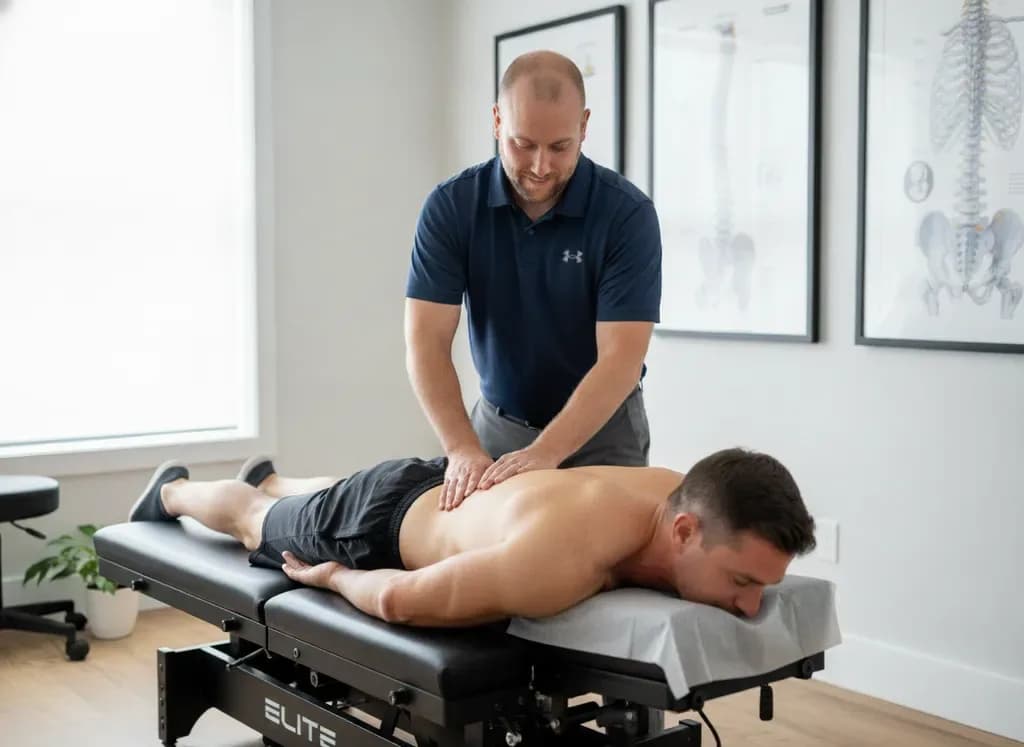
Hands-on chiropractic care for back, neck, and joint pain, adjustments, mobilizations, soft tissue work, and rehab exercises tailored to your assessment.
Learn more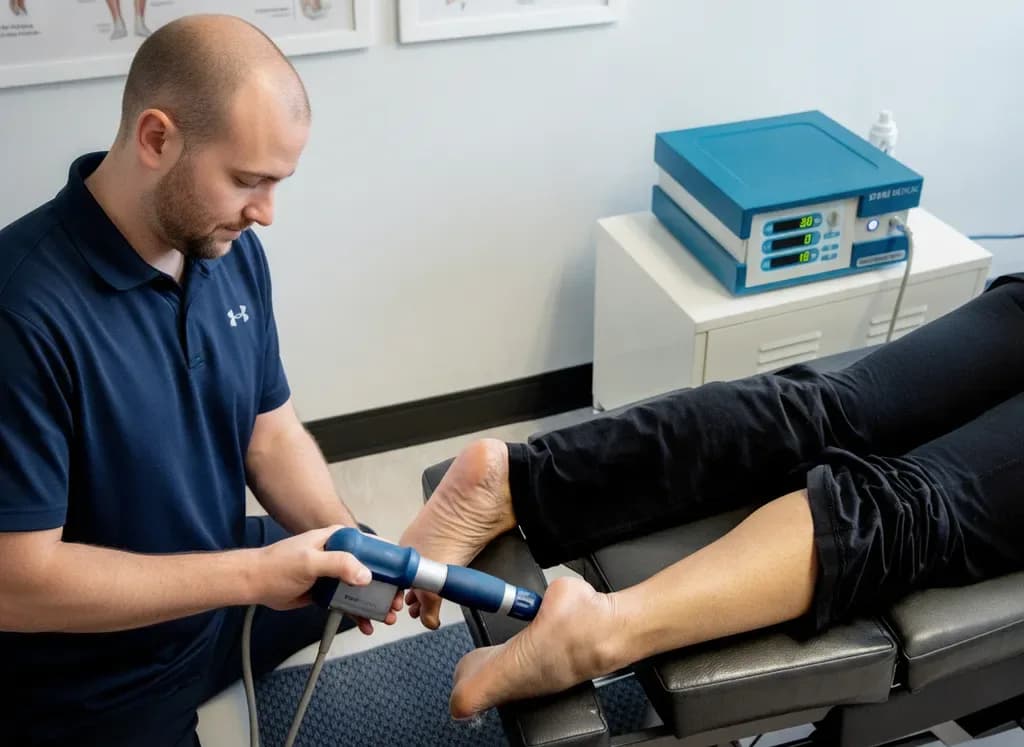
Extracorporeal shockwave therapy (ESWT) for chronic tendinopathy, plantar fasciitis, and calcific conditions that haven't responded to conservative care alone.
Learn moreOften shows up alongside what brought you here.
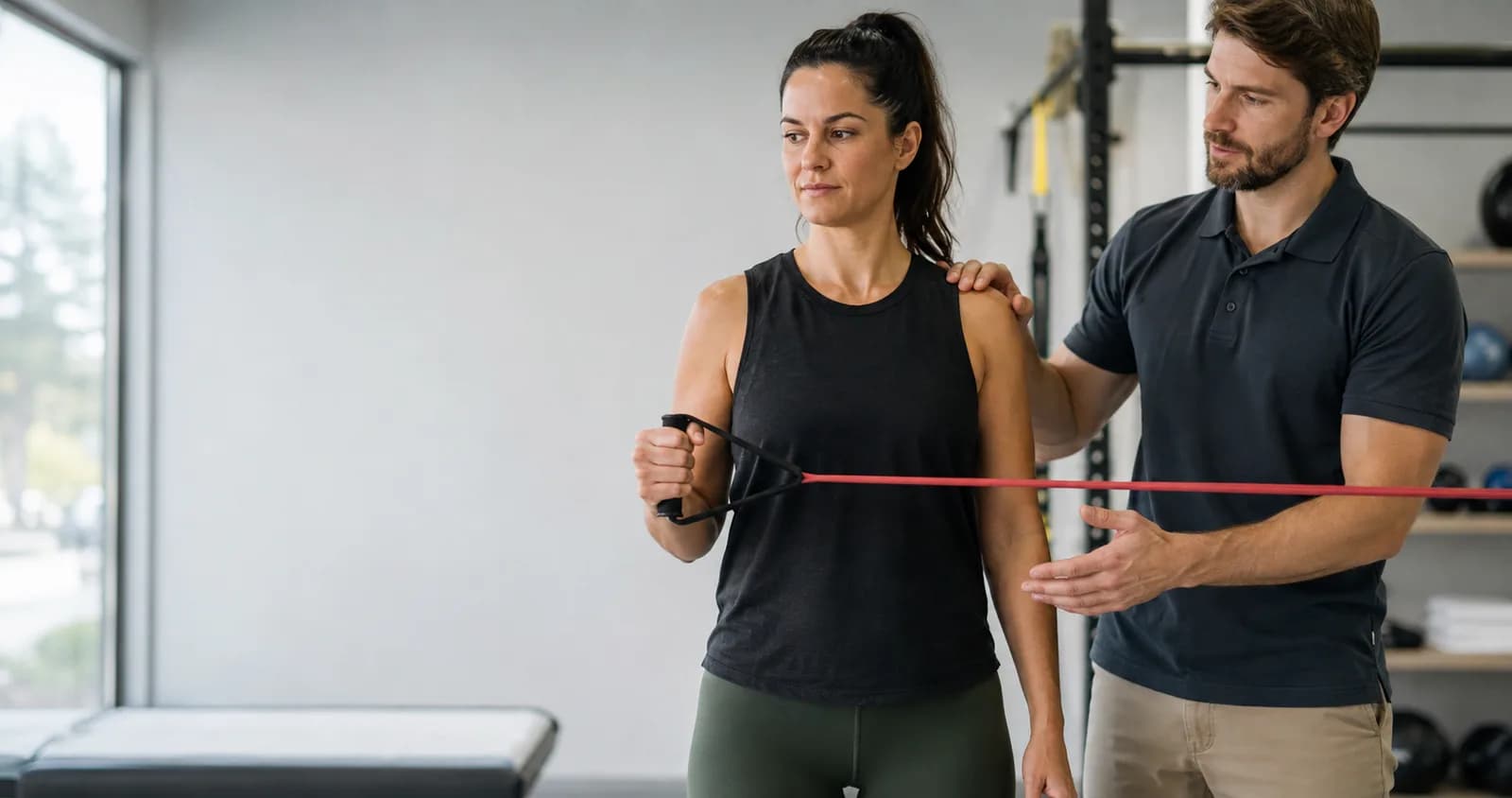
Supraspinatus tendonopathy and tears, shoulder impingement syndromes, bursitis, and other non-traumatic shoulder pain.
Read the guide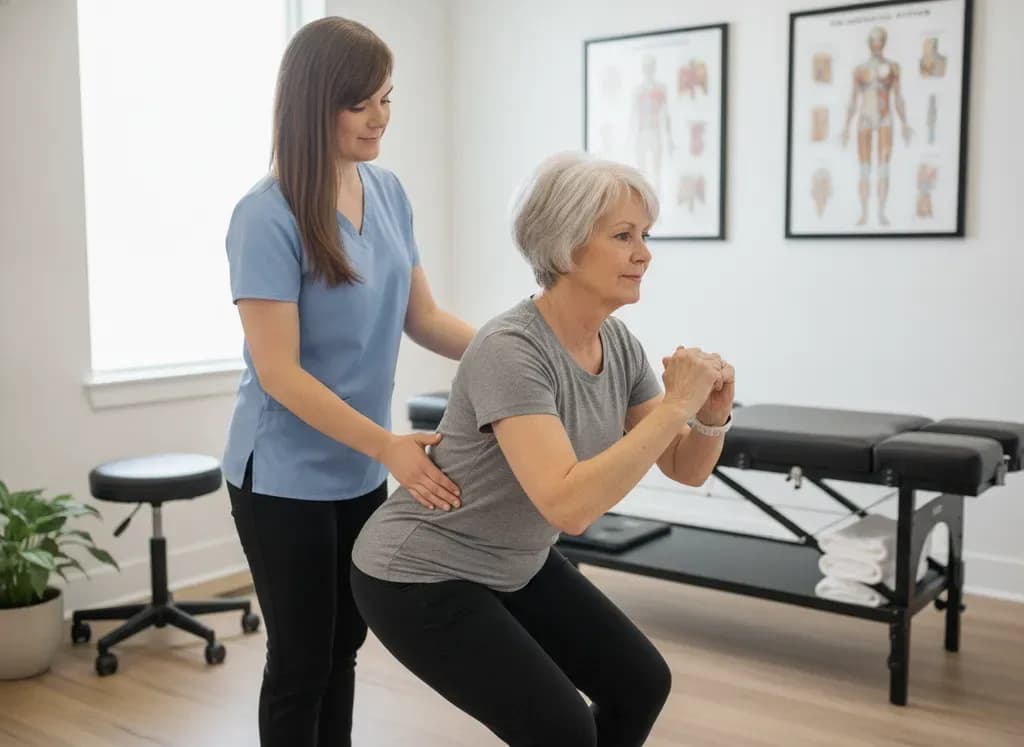
Hip and knee osteoarthritis: stiff, painful joints that flare with use, ease with rest, and don't always match what shows up on imaging. Treatable with individualized, evidence-based education and exercise, drawing on GLA:D® principles.
Read the guide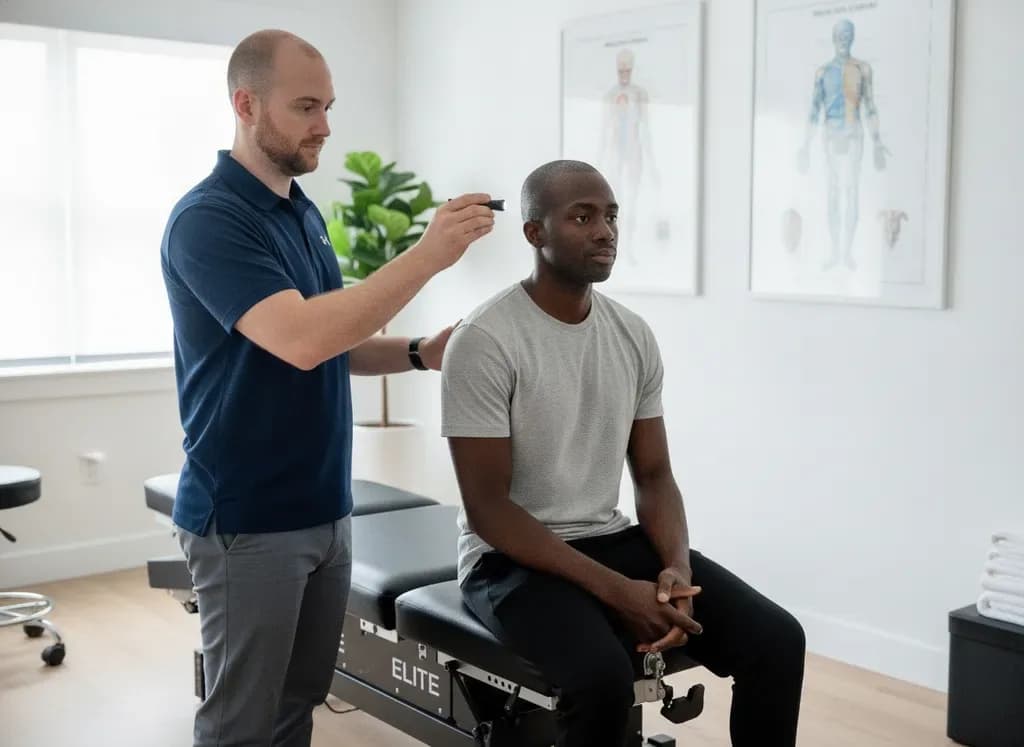
Multi-phase concussion rehabilitation, vestibular, cervical, oculomotor, and graded return-to-activity. Care from the first 72 hours through full return-to-sport, with clearance testing for return to sport and baseline testing at the start of the season.
Read the guideAbout running injuries
About the clinic
Warmer weather can bring new movement, and new aches. Learn how massage therapy in Toronto shifts with the season to help your body adjust.
Read the article
Learn how a sports injury chiropractor supports young athletes in Toronto with gentle care that improves healing, movement, and injury prevention.
Read the article
A running gait analysis in Toronto can help you avoid injuries, improve your stride, and stay steady on slick sidewalks this winter.
Read the articleTell us about your running injuries and the front desk will match you with the right practitioner.