Mobility
Whether a joint can reach the range a pattern requires, ankles, hips, mid-back, and shoulders are the usual culprits. We separate a true mobility block from a control problem so the plan targets the right one.

A structured, whole-body movement screen that scores how you squat, lunge, reach, rotate, and balance, so we can find the mobility restrictions, asymmetries, and stability gaps that quietly drive injury and cap performance.
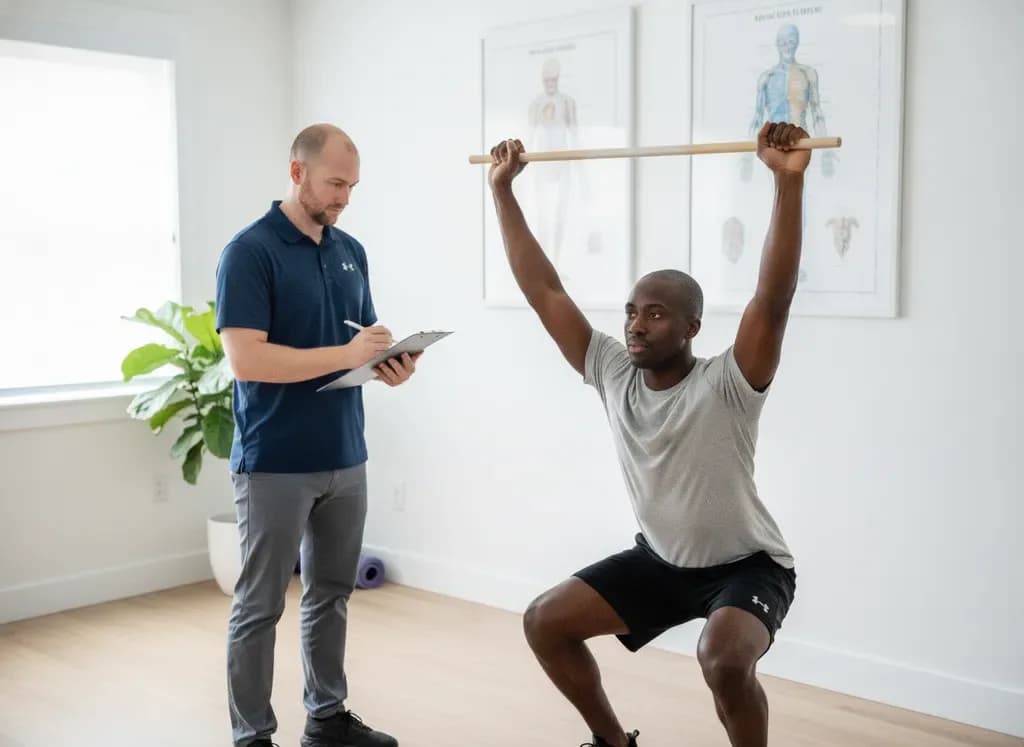
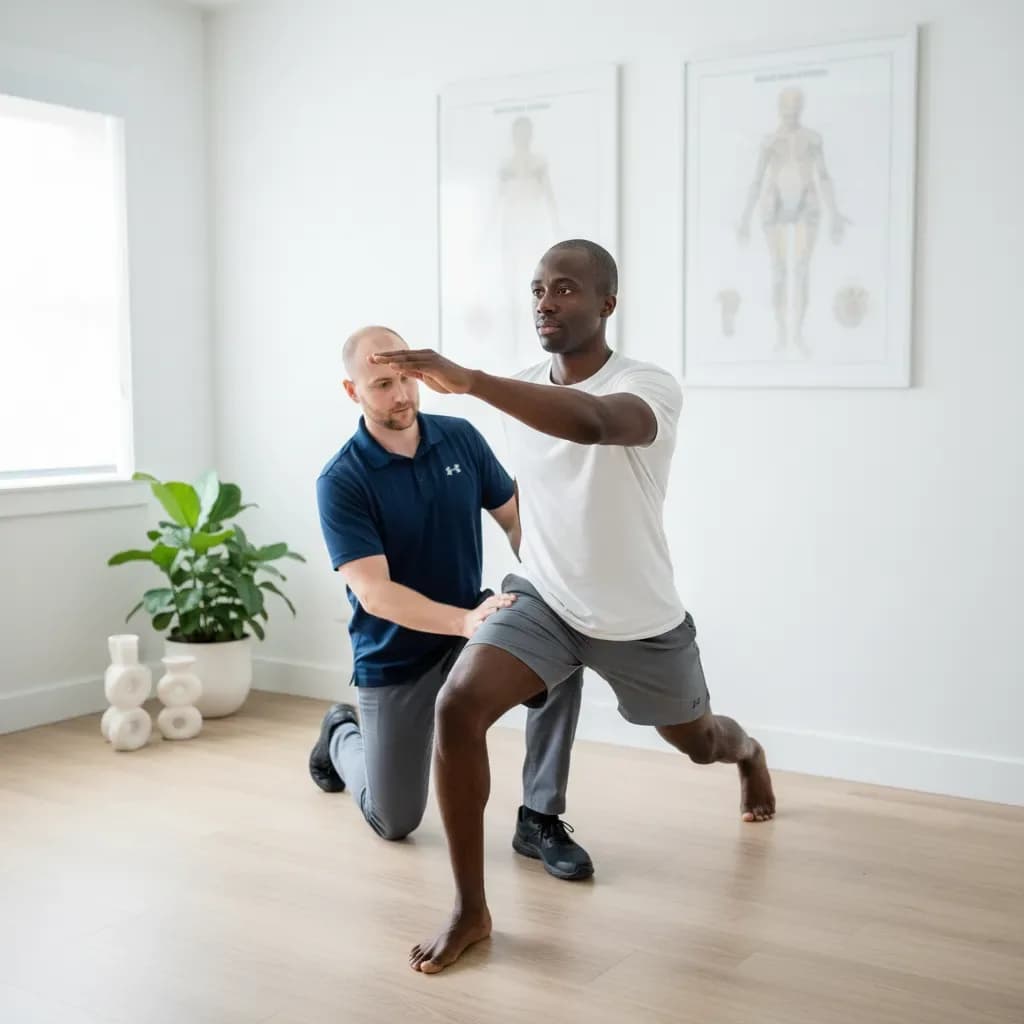
A functional movement assessment is a structured screen of how your body actually moves through the fundamental patterns every sport and daily activity is built on: squatting, lunging, stepping, reaching overhead, rotating, and balancing on one leg. Instead of fixating on a single sore spot, we look at the whole chain, because the place that hurts is often not the place causing the problem.
Each pattern is graded for mobility, stability, motor control, and left-versus-right symmetry. The side-to-side differences and the patterns you quietly compensate around tell us where you're loading tissue you shouldn't be. That objective data is what a generic stretching routine or gym program never has, and it's the reason the same niggles keep coming back.
Whether a joint can reach the range a pattern requires, ankles, hips, mid-back, and shoulders are the usual culprits. We separate a true mobility block from a control problem so the plan targets the right one.
Whether you can own and control the range you have under load. A stable core, hips, and shoulder girdle are what turn raw flexibility into safe, repeatable movement.
How the left side compares to the right across each pattern. Meaningful side-to-side differences are one of the most reliable early warning signs that a tissue is being overloaded.
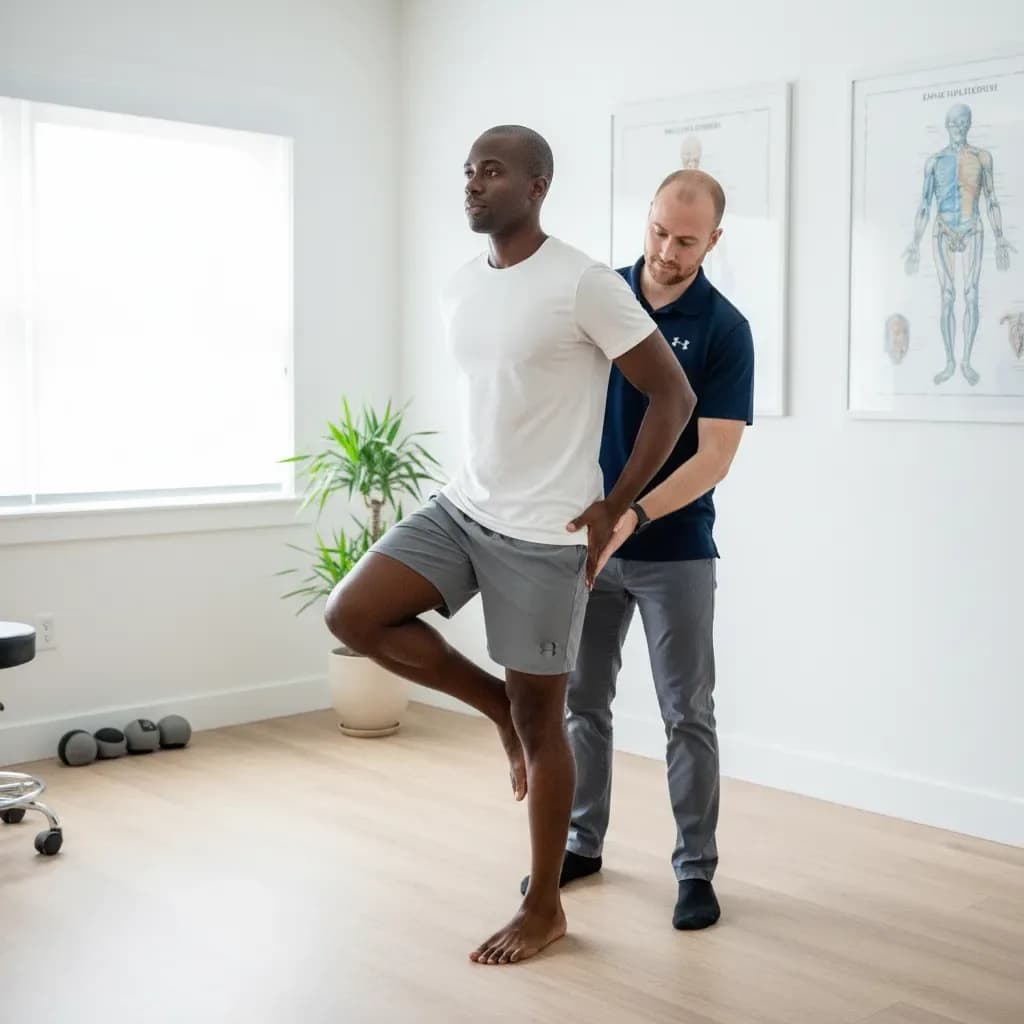
By the time something hurts, the underlying movement fault has usually been there for months. The body is remarkably good at compensating: a stiff ankle gets covered for by the knee, a weak hip gets covered for by the lower back. The compensation works, until the tissue picking up the slack finally complains.
A movement screen reads those compensations before, or instead of, waiting for pain to make them obvious. It's the difference between guessing at the next exercise and knowing which one actually addresses the cause. And because the screen is scored, the same test re-run later tells you objectively whether the work is paying off.
The same strain, tweak, or flare keeps returning no matter how much you stretch or rest. A movement screen usually finds the upstream cause the last fix missed.
Running injuriesComing back from a layoff, an injury, or pregnancy and want the ramp-up to be safe. A baseline screen shows what's ready to load and what needs work first.
Lifts or times have stalled. Restoring a missing pattern or evening out an asymmetry often unlocks progress a new program alone never will.
The assessment runs about 45–60 minutes. Most people leave with a clear score, their top one or two priorities, and the first set of corrective exercises in hand.
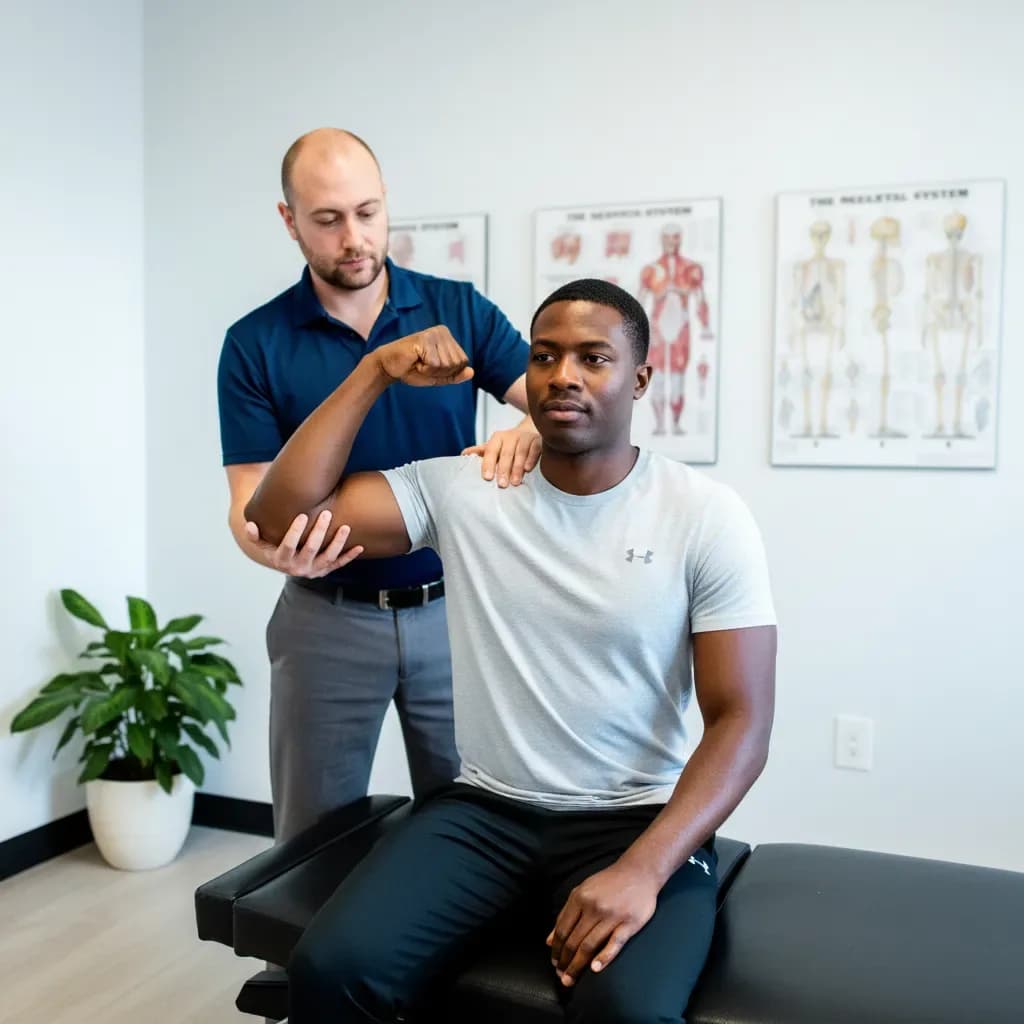
We start with a conversation about your goals, your sport or daily demands, your training history, and any past injuries, context that shapes how we read the screen. From there you'll move through the assessment itself: squatting, lunging, stepping, reaching, rotating, and balancing while we score each pattern and note the asymmetries.
Then we sit down and walk you through what we found in plain language, which patterns are limiting you, why, and what to do about it. You leave with your weak link identified, a short corrective plan, and a clear date to re-test. If the screen turns up an active injury, we fold treatment in directly rather than sending you elsewhere.
Objective
Movement data
Whole-body
Pattern screen
Baseline
+ re-test for progress
Downtown
Toronto clinic
When the screen points to foot mechanics driving the problem, a 3D foot scan shows whether orthotics should support the base while rehab addresses the chain above.
Custom orthoticsRecurring back pain is often a movement problem in disguise. The screen pinpoints the hip, core, or mobility gap feeding the cycle.
Lower back painOnce the screen shows what's limiting you, hands-on care and a targeted plan address the restriction rather than working around it.
See chiropractic careA few words from patients who finally got to the root of a stubborn issue.
“I came in wanting to train harder without getting hurt again. The asymmetry they spotted explained every injury I'd had on one side. The corrective plan was short and I actually stuck with it.”
“Instead of a vague 'work on your core,' I left with a scored report and the exact two things to fix. When we re-tested a couple of months later, the numbers had actually moved. Loved seeing the progress in black and white.”
“I'd seen a few people about a knee problem that kept coming back. The movement screen found it was actually coming from my hip and ankle, something nobody had checked. Fixing that finally fixed the knee.”
Common reasons people come in for this.
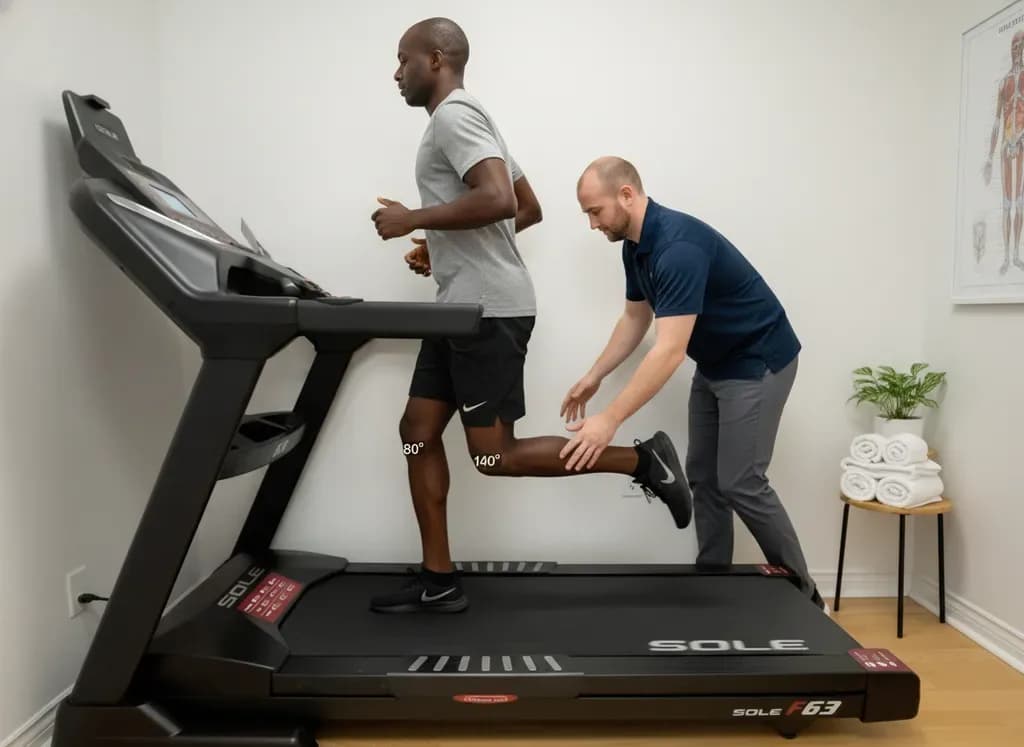
Runner's knee, IT band, Achilles tendinopathy, plantar fasciitis, shin splints, and stress reactions. Assessment, gait analysis, and a structured return-to-run progression, not 'just rest.'
Read the guide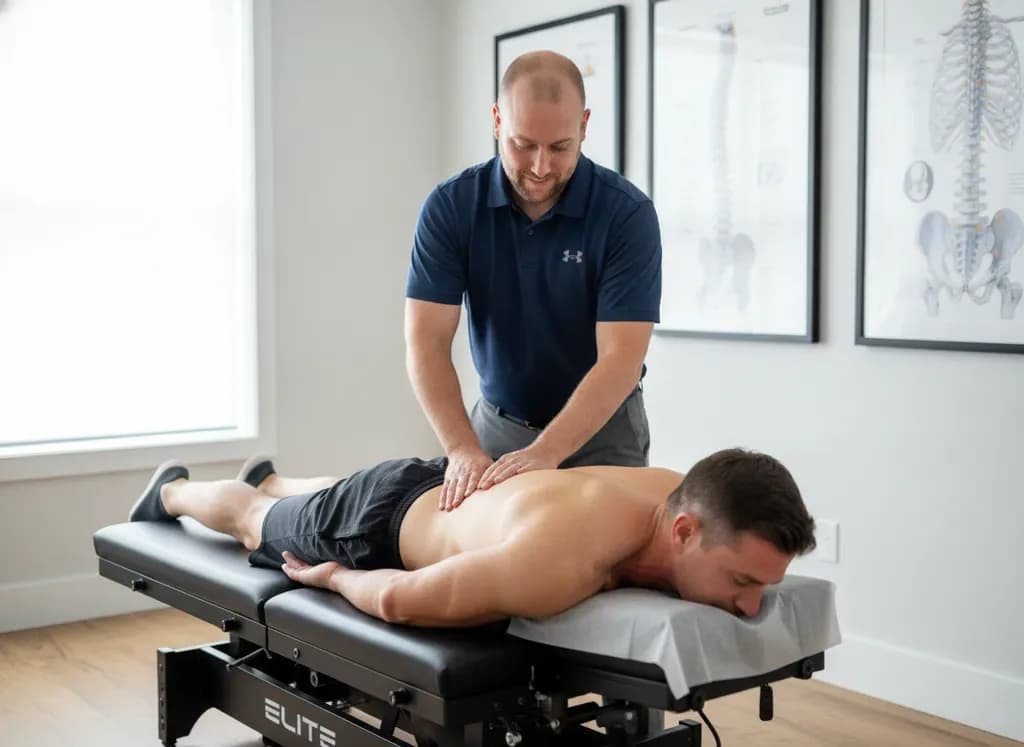
Lower back pain is the most common reason patients book at BACK IN BALANCE, from acute flare-ups and sciatica to chronic pain that limits daily life. Same-day chiropractic assessments for lower back pain at our downtown Toronto clinic.
Read the guideAbout functional movement assessment
About the clinic

Screens can trigger headaches, eye fatigue, dizziness and brain fog after a concussion. This practical four-stage plan explains how to reduce screen exposure initially, rebuild tolerance and return to normal use.
Read the article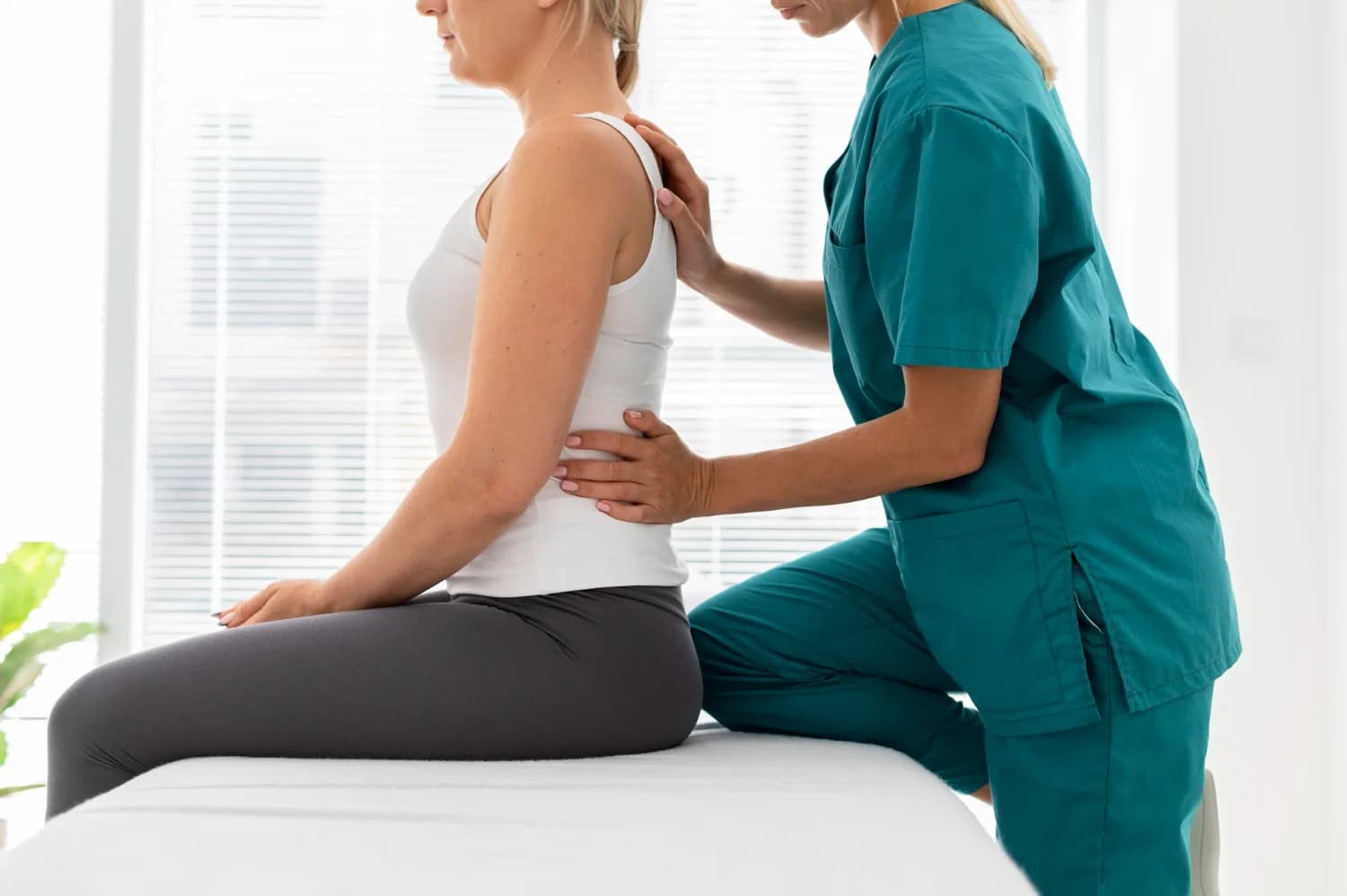
Learn how motor vehicle accident rehabilitation in Toronto helps guide recovery from stiffness, pain, or setbacks after a collision, one step at a time.
Read the article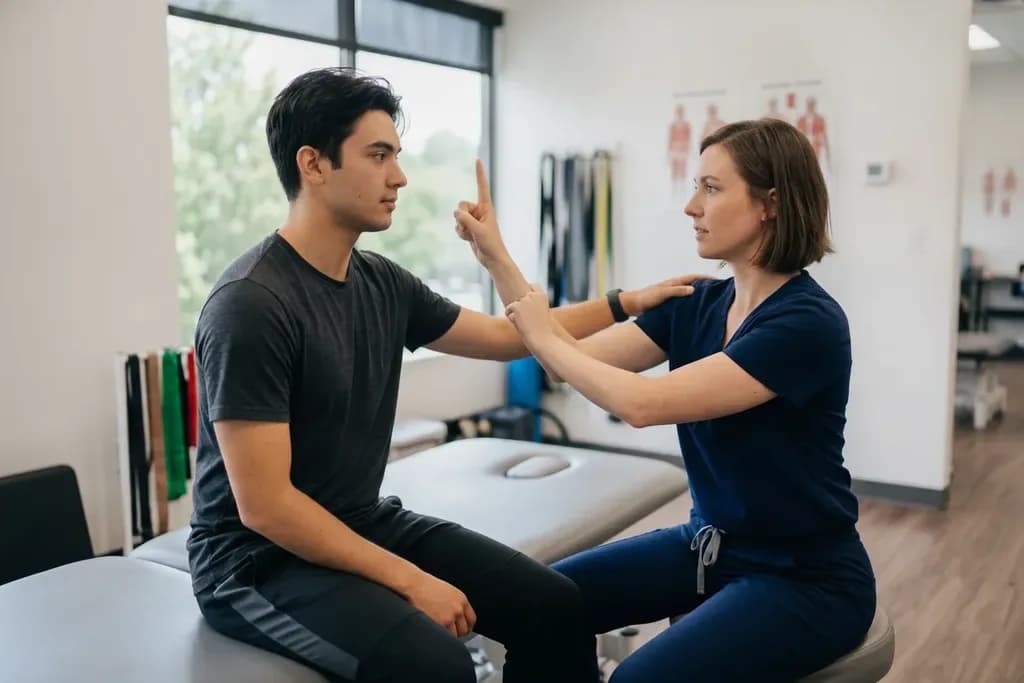
Learn when symptoms might point to something more serious and how timely concussion treatment in Toronto can support your recovery this winter.
Read the articleTell us what you need from functional movement assessment and the front desk will match you with the right practitioner.