Tech neck & postural strain
Forward-head posture from desk work and phones, neck and shoulder pain that builds through the day and eases on weekends. The most common pattern we see, and the most responsive to early care plus a workstation tweak.

Tech neck, postural neck pain, cervicogenic headaches, post-whiplash recovery, and pinched-nerve symptoms, assessed and treated with the same expert rigour we bring to low back pain.
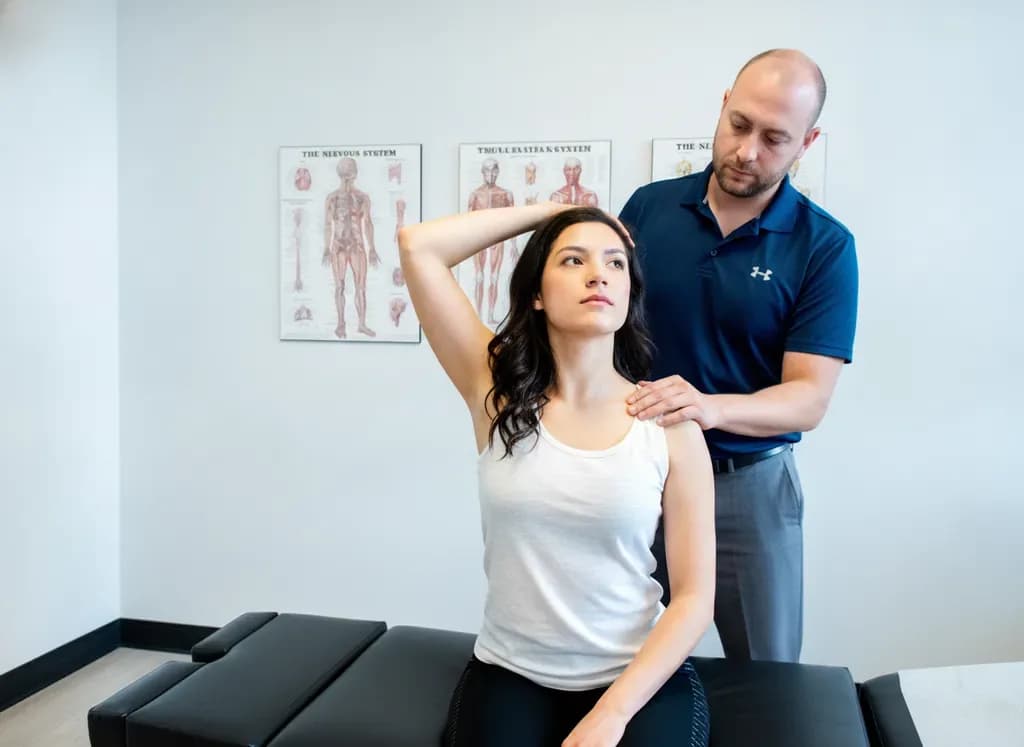
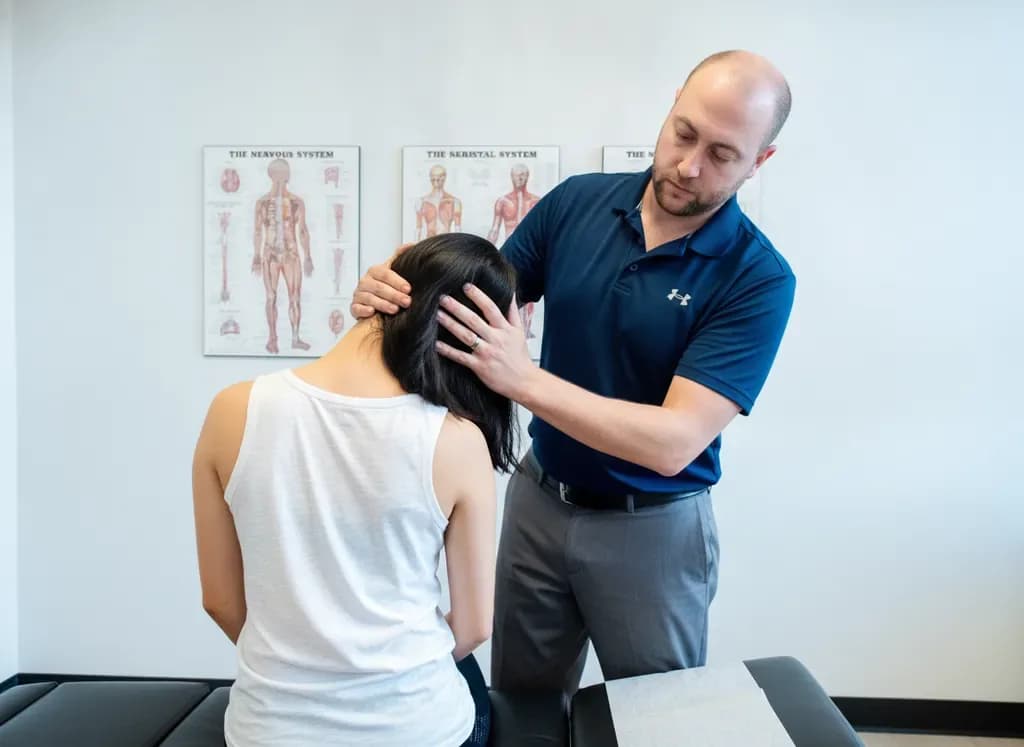
Neck pain is one of the top three reasons patients book at BACK IN BALANCE. It usually involves the joints, muscles, and ligaments of the cervical spine, irritated from sustained postures (hello, laptops), an old whiplash injury, sleep position, or a flare-up that came out of nowhere. The vast majority of cases are mechanical, not a sign of anything dangerous, even when the pain is sharp or comes with headaches.
Roughly 80% of acute neck pain settles within 6–8 weeks with the right care. At your first visit we pinpoint where it's coming from, joint, disc, muscle, or nerve, settle the irritation quickly, then retrain the deep neck and upper-back muscles that keep it from coming back. Our job is to tell which kind of neck pain you have, calm it down, and give you a plan that holds.
Forward-head posture from desk work and phones, neck and shoulder pain that builds through the day and eases on weekends. The most common pattern we see, and the most responsive to early care plus a workstation tweak.
After a car accident or sports collision: range-of-motion loss, muscle guarding, and lingering ache that needs structured rehab, not just rest. We direct-bill your auto insurer for MVA care.
Headaches driven by the upper neck, usually one-sided, brought on by neck movement or sustained postures, and highly responsive to manual therapy and motor-control exercise.
Concussion careA pinched or irritated cervical nerve that sends pain, numbness, or tingling into the shoulder, arm, or hand. Treated with gentle mobilization, traction-type techniques, and nerve-glide work, not aggressive thrusts.
Disc injury guide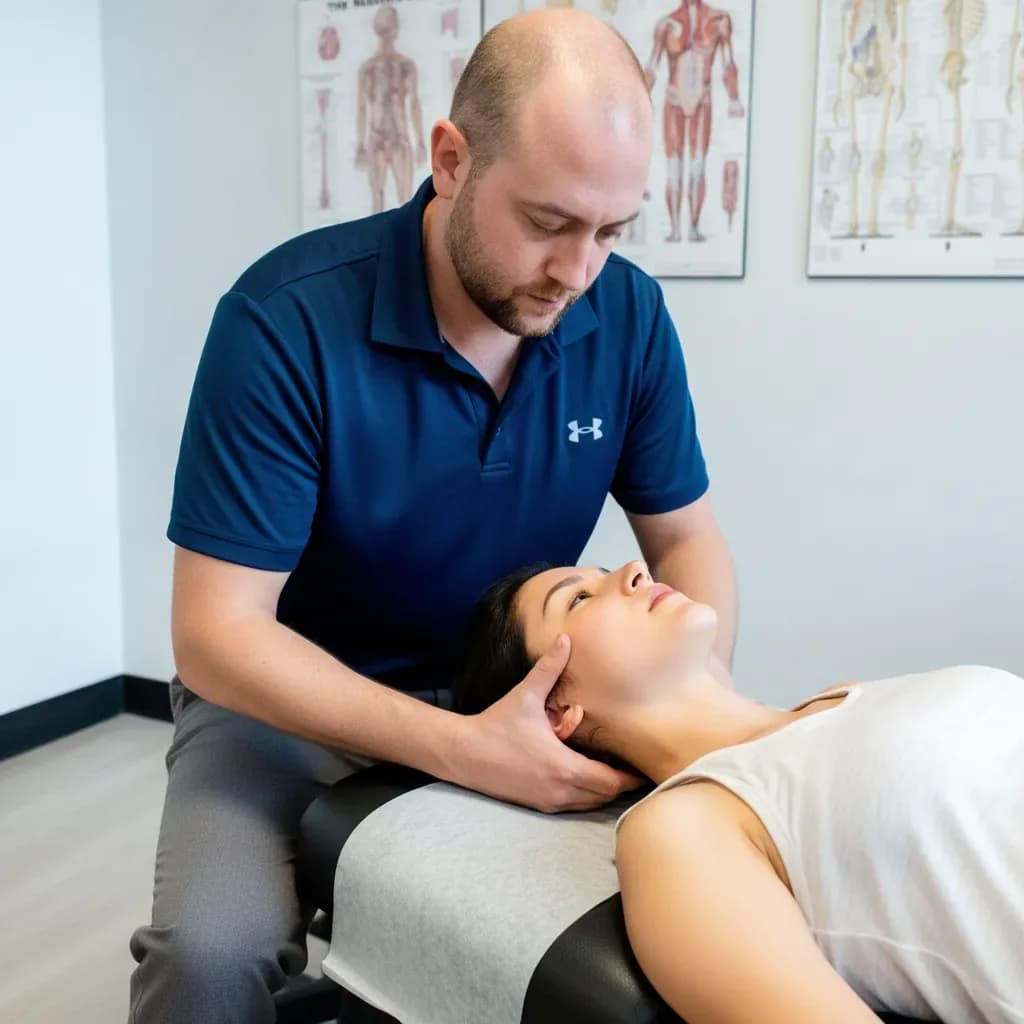
Most neck pain isn't caused by one big thing. It's the slow accumulation of small loads the cervical spine wasn't built to hold all day: hours of forward-head posture over a laptop, a phone held at chest height, a monitor set too low, and shoulders that creep up toward the ears under stress. The neck muscles fatigue, the joints get stiff, and the deep stabilizers stop doing their job.
Sometimes the trigger is obvious, a rear-end collision, a bad night's sleep, a hard tackle, and sometimes it builds so gradually you can't name the moment it started. Either way, the pattern matters more than the moment. That's why every first visit at BACK IN BALANCE starts with history and movement testing, not a treatment template, so the plan addresses the real driver instead of just chasing the ache.
If any of the following are present, please contact your family doctor or visit an emergency department before booking with us. These signs may point to something that needs medical or imaging attention.
These signs are uncommon, most neck pain is safe to treat. Book an assessment: we're trained to look for the serious causes of neck pain, and if anything points to one, we'll direct you to the right care immediately.
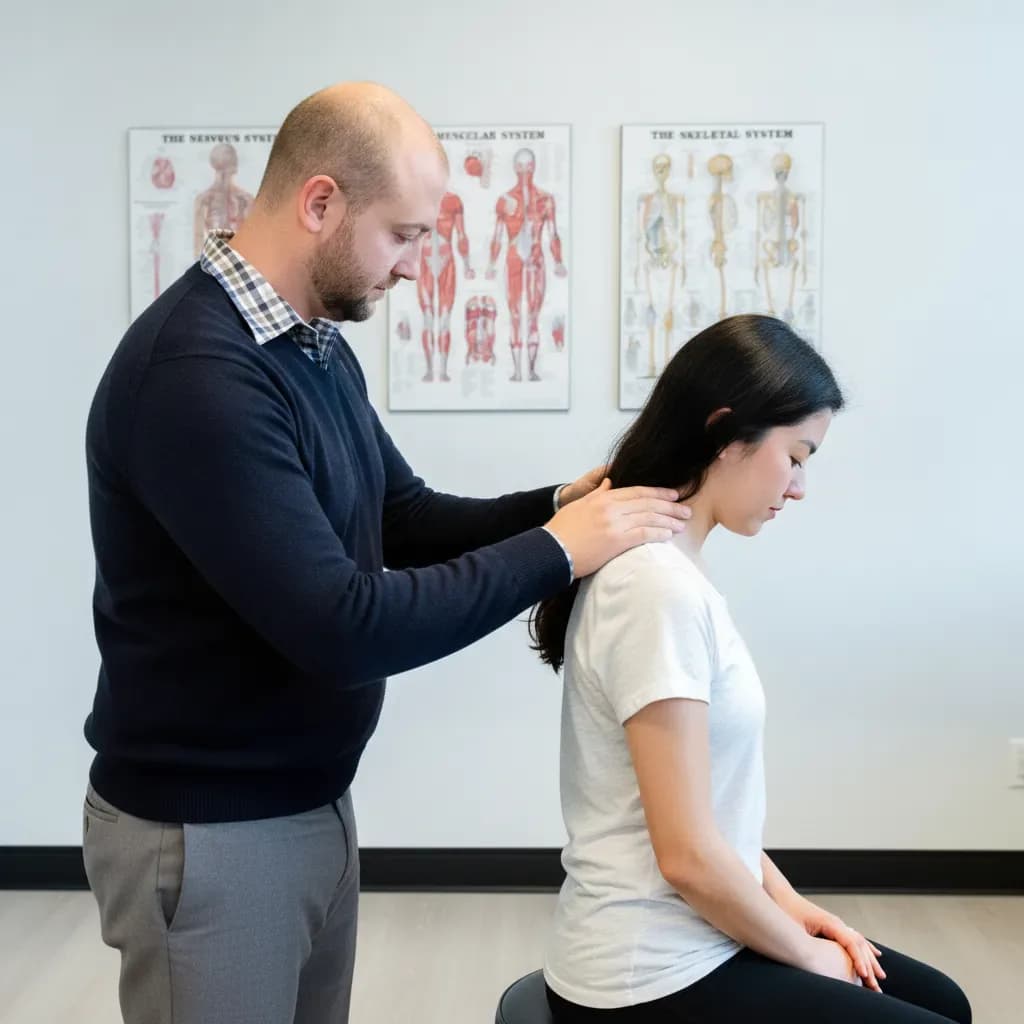
Your first visit takes 45–60 minutes. We start with a detailed history, what hurts, when it started, what makes it better or worse, whether there are headaches or arm symptoms, and what your day-to-day looks like. That's followed by an orthopedic and neurological assessment: cervical range of motion, nerve screening, and movement testing, with the screening we use to make sure manual care is safe and appropriate for your neck.
From there we'll explain what we think is going on in plain language, walk you through the treatment options, and start care the same day if it's appropriate. You'll leave with a clear plan, the first set of exercises, and a realistic sense of how many visits we expect this to take. If you're here after a car accident, bring your claim details, we coordinate the paperwork so you can focus on getting better.
Gentle mobilization or targeted manipulation to reduce joint irritation and restore motion, chosen to match your assessment. High-velocity work isn't right for every neck, and careful mobilization is just as effective for most patients.
Hands-on release for the tight, guarded muscles of the neck, upper back, and shoulders that drive pain and headaches. Often paired with massage or acupuncture when it speeds your recovery.
A short, specific routine to retrain the deep neck flexors and upper-back posture muscles so the relief lasts, five to ten minutes a day, plus workstation and sleep-position guidance built into the plan.
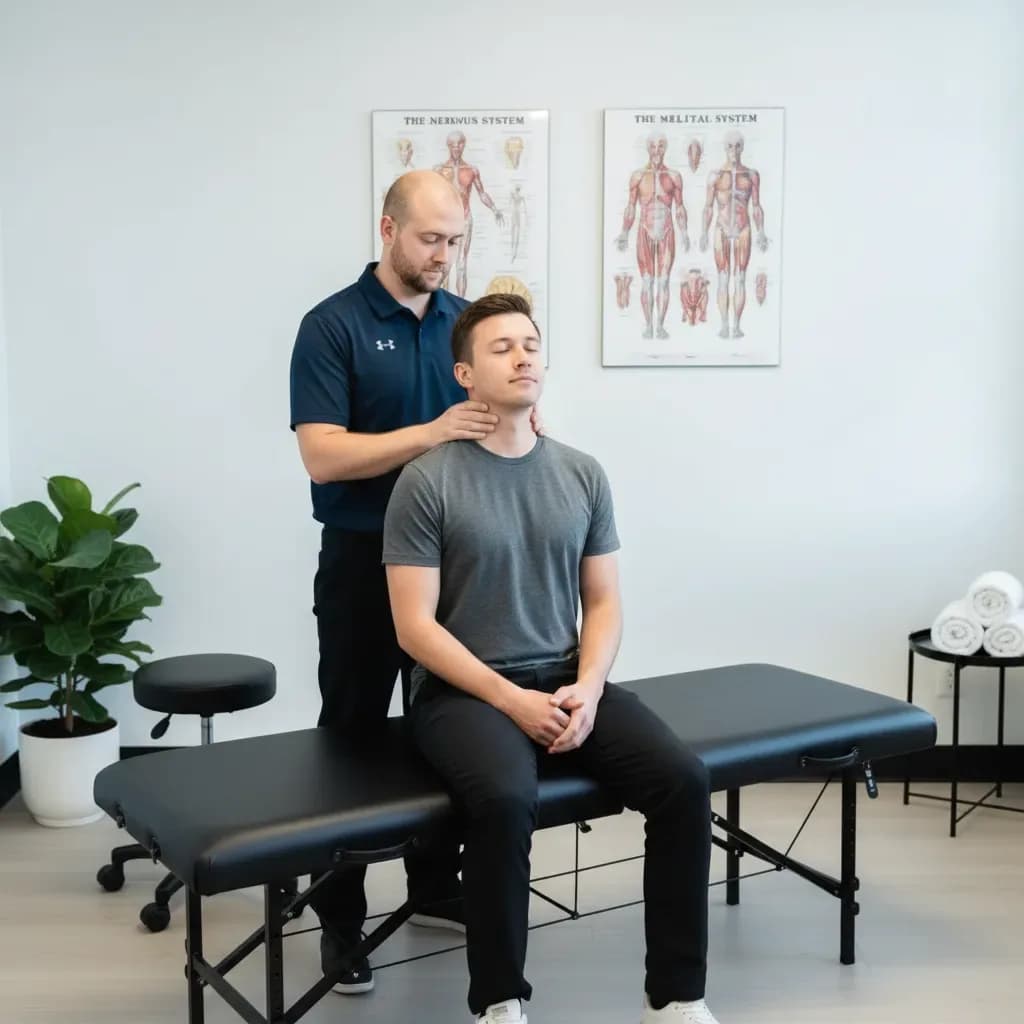
A large share of stubborn headaches are actually cervicogenic, they start in the upper neck and refer pain up into the head, often on one side, behind the eye, or at the base of the skull. They tend to be triggered or worsened by neck movement and sustained postures, and they frequently get mislabelled as tension headaches or migraines for years before anyone checks the neck.
The good news is that headaches driven by the neck are one of the most responsive presentations we treat. Manual therapy of the upper cervical joints combined with deep-neck motor-control exercise can dramatically reduce headache frequency for most patients within a handful of visits. If your headaches followed a concussion or a collision, we assess and manage that pathway too.
APP-trained
Advanced spine triage
MVA
Direct-billed
16+ yrs
Treating Toronto
Direct bill
Most insurers
A few words from patients we've helped with desk-related neck pain, whiplash, and headaches.
“I used to get headaches that started right at the base of my skull almost every day. Once we addressed my neck they dropped off dramatically. I didn't realize the two were connected.”
“After a car accident my neck and shoulders were a mess and I was getting constant headaches. The care here got me real relief and walked me through every step. I felt looked after the whole way.”
“Years of desk work left my neck stiff and aching every afternoon. A few weeks of treatment plus some simple posture changes, and the daily pain is basically gone. I can get through a workday comfortably now.”
The core of most neck plans, assessment, mobilization or adjustment, and a progressive exercise plan tailored to your case.
ChiropractorSoft-tissue release for the tight neck, upper-back, and shoulder muscles that drive mechanical pain and headaches. Direct-billed to most insurers.
Massage therapyA drug-free option that helps calm muscle guarding and persistent neck pain, often combined with hands-on care for faster relief.
AcupunctureWhat we'll typically pull from when we put a plan together.
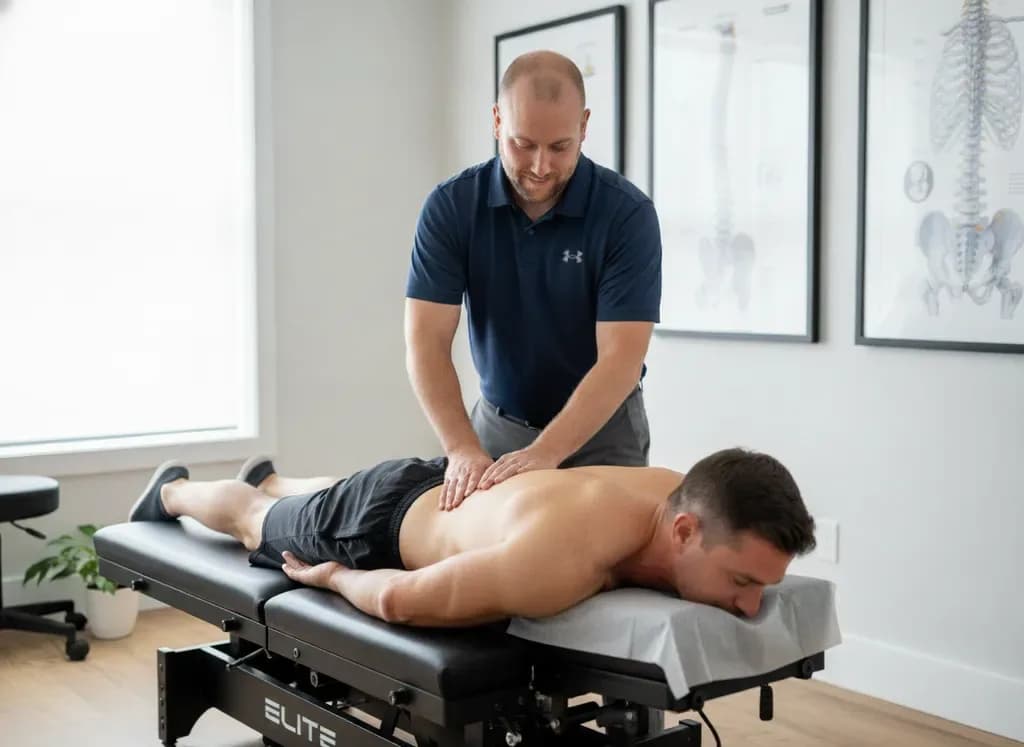
Hands-on chiropractic care for back, neck, and joint pain, adjustments, mobilizations, soft tissue work, and rehab exercises tailored to your assessment.
Learn more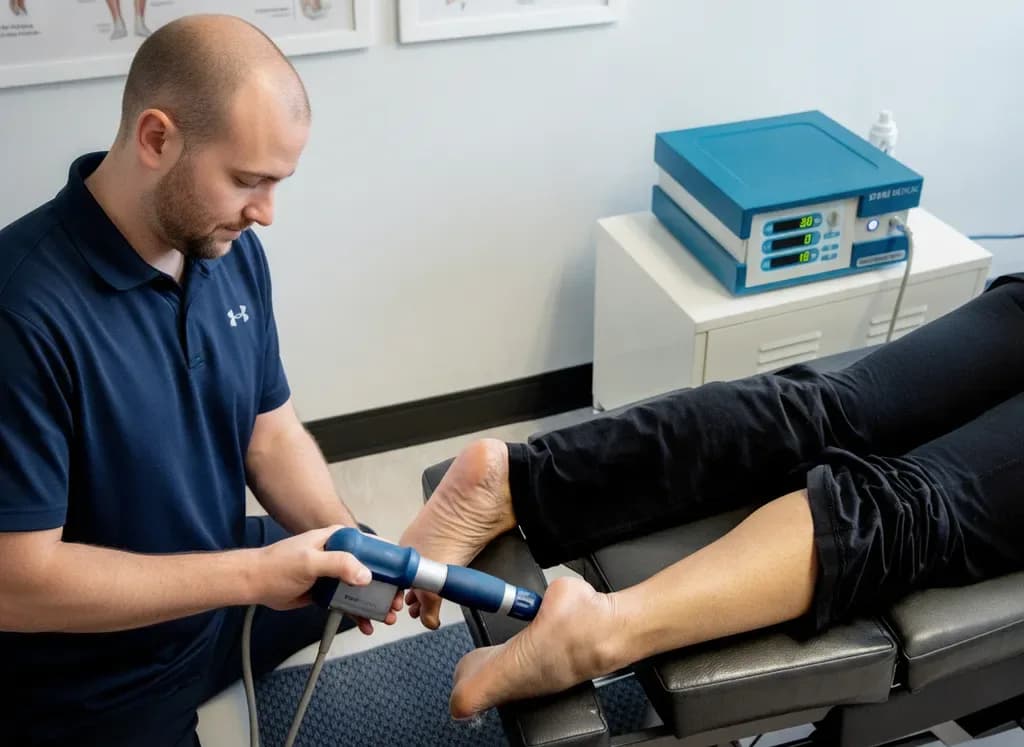
Extracorporeal shockwave therapy (ESWT) for chronic tendinopathy, plantar fasciitis, and calcific conditions that haven't responded to conservative care alone.
Learn more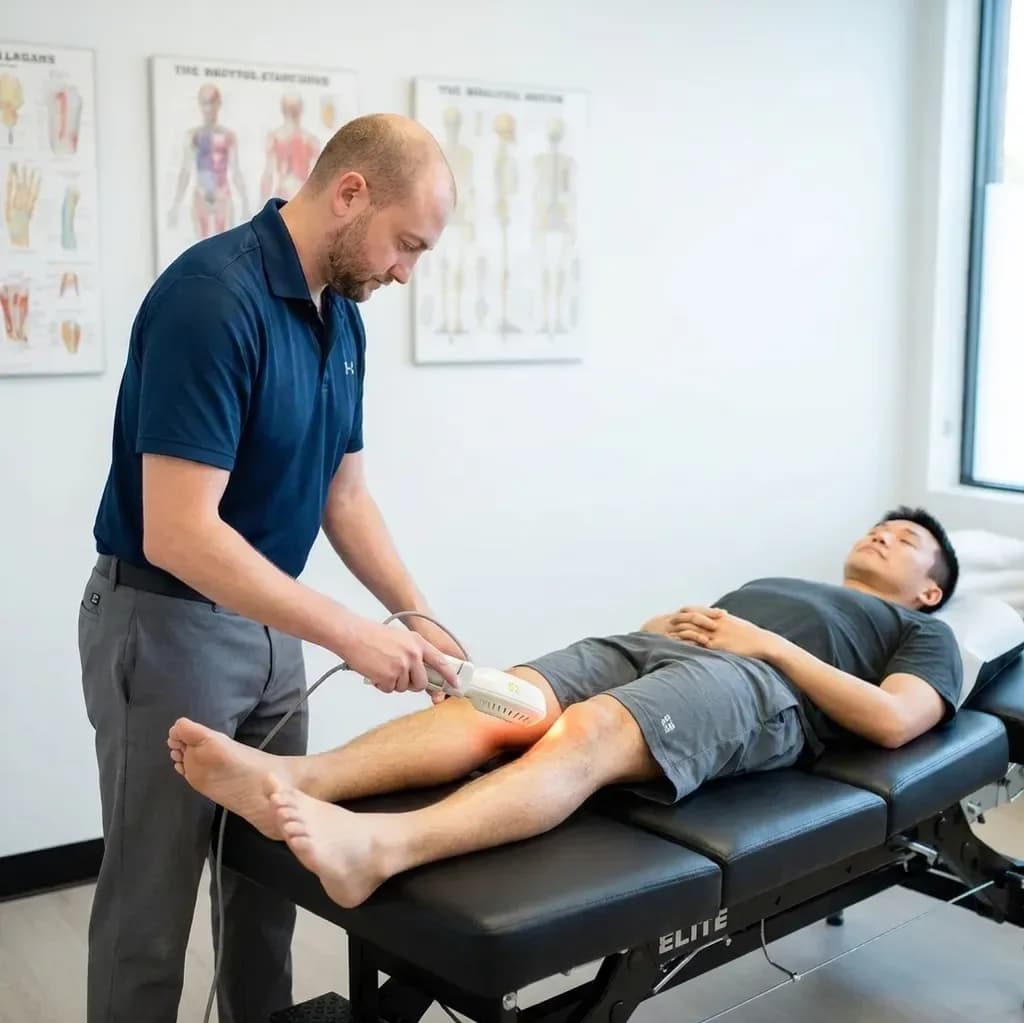
Low-level laser therapy for pain, inflammation, and tissue healing. A pain-free, drug-free adjunct that pairs well with manual care for acute and chronic musculoskeletal issues.
Learn more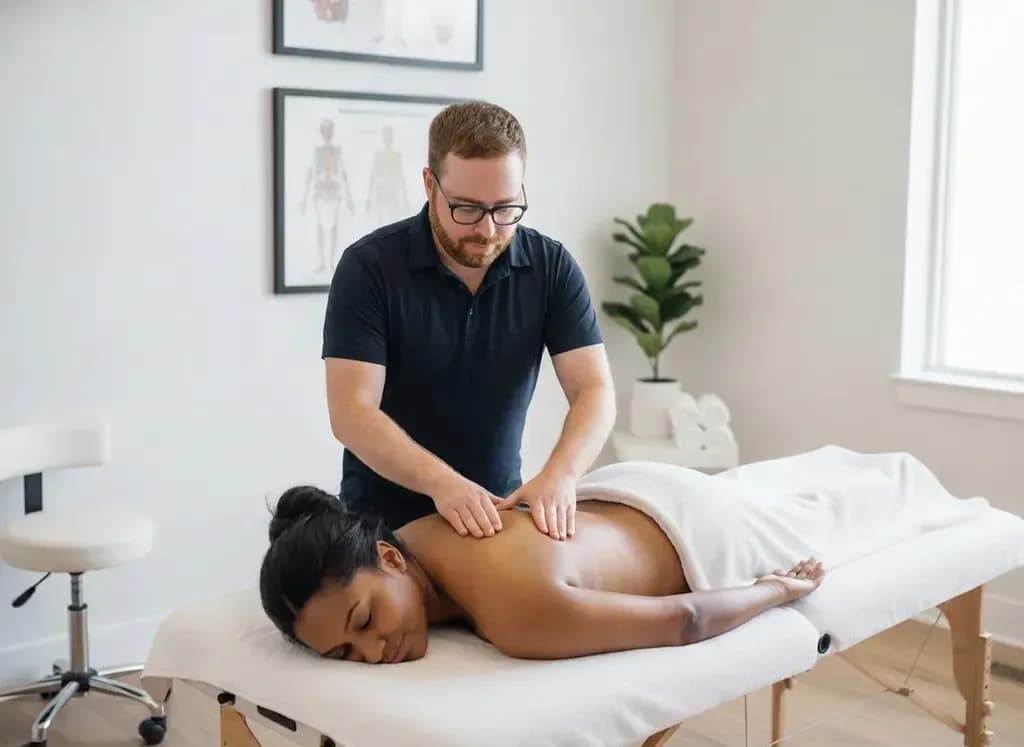
Registered massage therapy with two RMTs on the team. Therapeutic, deep tissue, pre/postnatal, sports recovery, and relaxation, fully insurance-eligible.
Learn moreOften shows up alongside what brought you here.
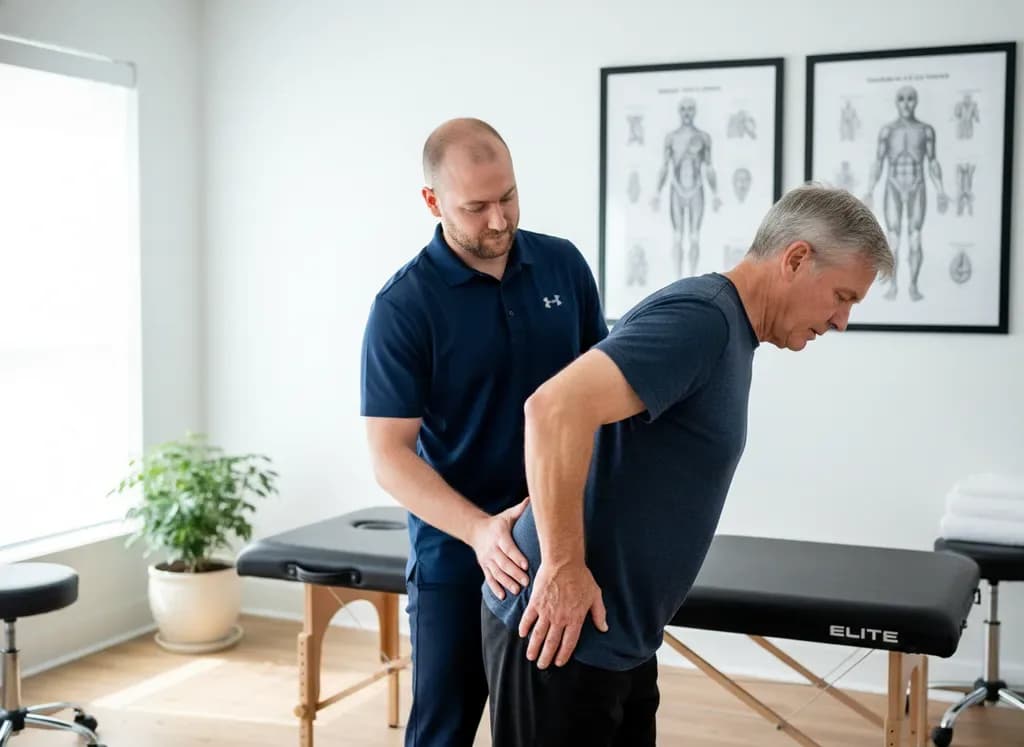
Conservative care for narrowing of the spinal canal, neurogenic claudication, leg cramping with walking, and pain that eases when you sit or lean forward. Advanced spine triage included.
Read the guide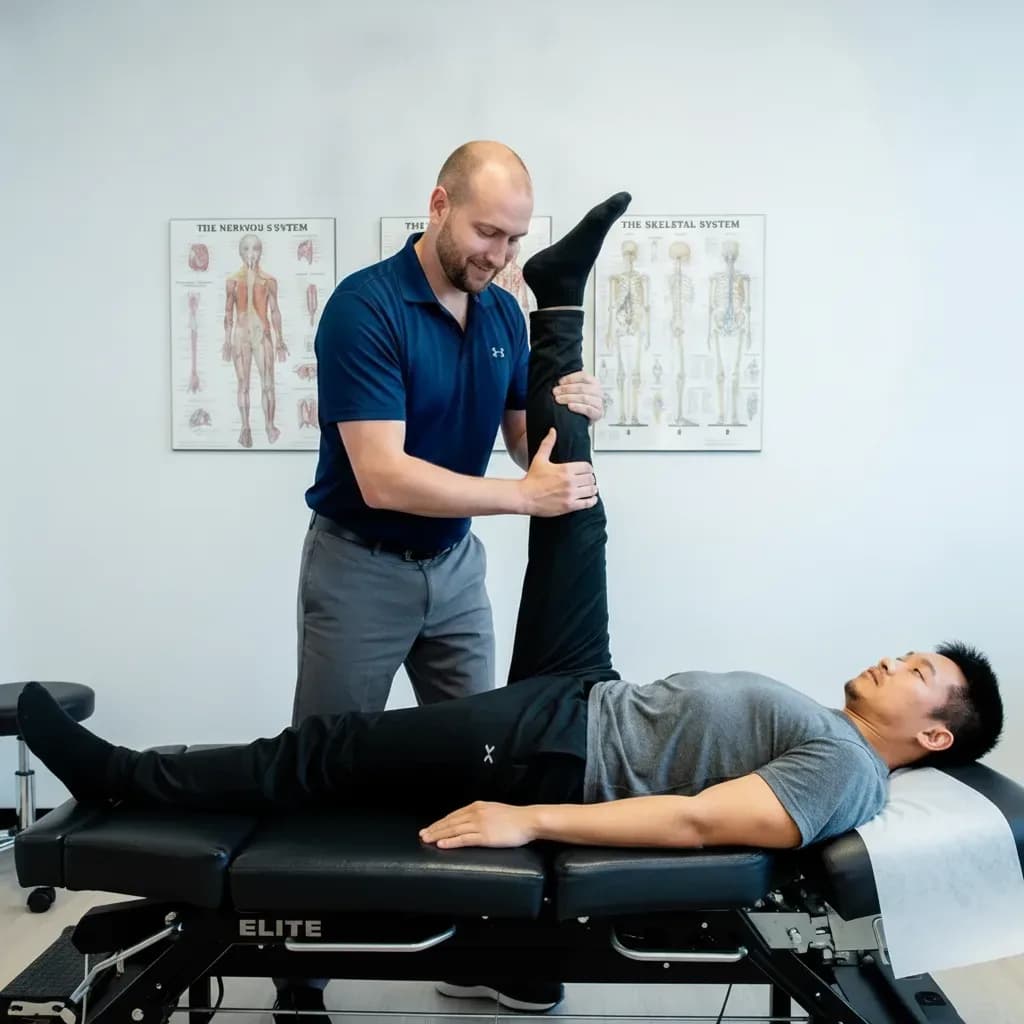
Disc bulges, herniations, and disc-related sciatica. What the imaging actually means, when surgery is and isn't on the table, and the conservative pathway most patients respond to.
Read the guide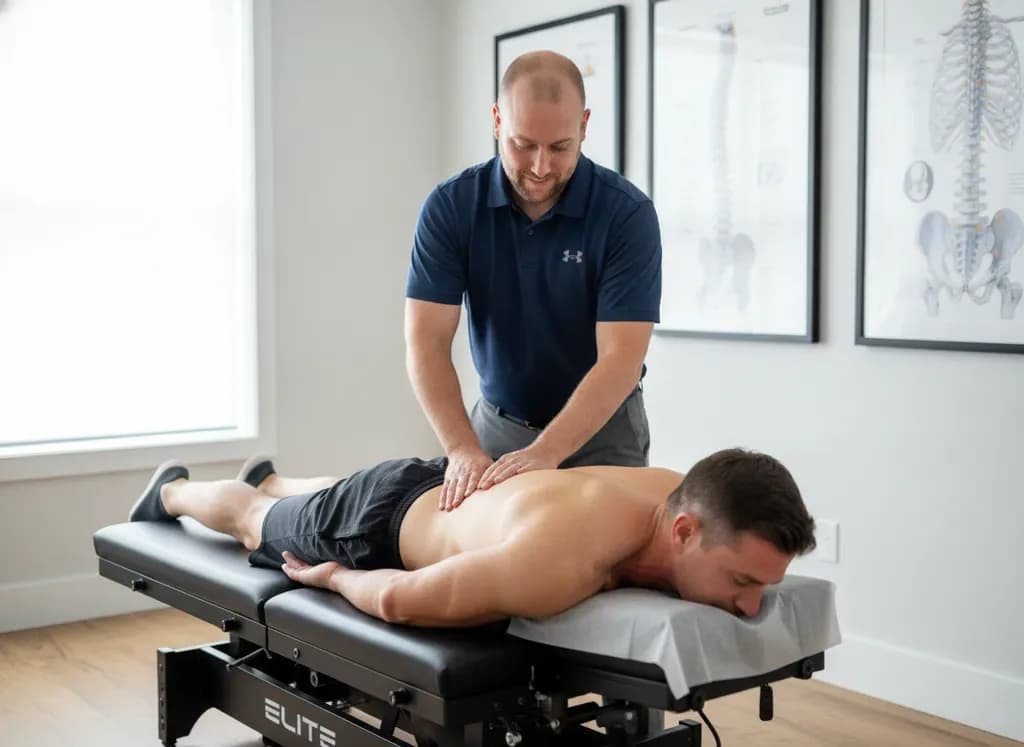
Lower back pain is the most common reason patients book at BACK IN BALANCE, from acute flare-ups and sciatica to chronic pain that limits daily life. Same-day chiropractic assessments for lower back pain at our downtown Toronto clinic.
Read the guideAbout neck pain
About the clinic

Screens can trigger headaches, eye fatigue, dizziness and brain fog after a concussion. This practical four-stage plan explains how to reduce screen exposure initially, rebuild tolerance and return to normal use.
Read the article
Learn how motor vehicle accident rehabilitation in Toronto helps guide recovery from stiffness, pain, or setbacks after a collision, one step at a time.
Read the article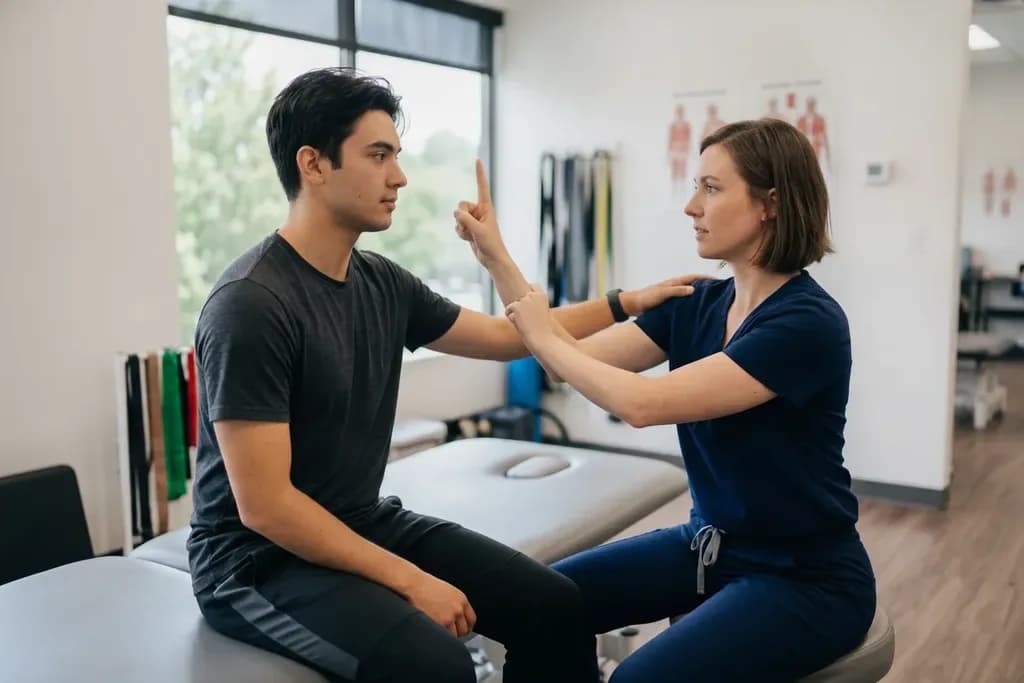
Learn when symptoms might point to something more serious and how timely concussion treatment in Toronto can support your recovery this winter.
Read the articleTell us about your neck pain and the front desk will match you with the right practitioner.