

Once spring starts to roll into Toronto, it’s normal to feel more pulled toward movement. We switch out heavy boots for sneakers, pack away the thick coats, and suddenly there’s yard work, park paths, and home projects we couldn’t tackle all winter. But as activity increases, so does the chance of feeling that nagging ache in the lower back.
For many of us, it’s a time when soreness that started brewing during cold, inactive months starts to speak up. Lighter clothes make us more aware of our bodies again. If bending and moving feels stiff or sore, it might be time to pay attention. That’s where lower back pain therapy in Toronto can help. Spring gives us a natural chance to notice pain that’s been building and take easy steps to feel better again.
Spring Movements That Can Strain Your Back
This season invites us outside, but it also brings a new set of movements our backs might not be used to yet, especially after a slow winter.
- Cleaning up leaves and winter debris means a lot of bending and twisting, sometimes without realizing it
- Gardening, even with small tools, puts stress on your hips and lower spine if you’re hunched over for too long
- Outdoor workouts, like jogging or bodyweight exercises, can be harder on your back if you’re suddenly jumping into them with no warm-up
These movements might seem simple, but they often come all at once. It’s not just one action that causes a strain. It’s the repeat bending, reaching, or moving awkwardly that builds pressure. Sometimes the discomfort doesn’t show up right away. You might go to bed feeling fine, only to wake up the next day with a stiff, sore lower back you can’t ignore.
What Lower Back Pain Can Feel Like Day to Day
Lower back pain isn’t always sharp, and it doesn’t always demand urgent attention. But it can quietly make everyday things more difficult. In spring, that might include stepping off a curb, leaning to tie your shoes, or pushing a lawnmower.
Here’s how back pain might show itself:
- Morning stiffness, especially after long nights of lying still
- Soreness that grows after sitting for long periods, like at your desk or in the car
- A pulling feeling or dull pain during walks, lifting groceries, or carrying kids
- Tightness that eases after moving around but never fully relaxes
The tricky part is how the pain can change from day to day. One moment it’s barely there, the next it’s flaring up during a simple stretch. That unpredictability can lead some people to move less or skip activities. But the more we avoid moving, the stiffer things tend to get. Spring should be about enjoying the outside, not tiptoeing around what hurts.
Simple Spring-Friendly Therapies That Feel Good
The good news is that relief doesn’t have to be forceful or complicated. Gentle approaches often make a big difference when it comes to easing lower back pain. Most of the time, slow and steady is what works best, especially in spring, when our bodies are adjusting to being active again.
Here are a few common methods often used in lower back pain therapy in Toronto:
- Guided movement to help restore mobility without adding stress to sore muscles
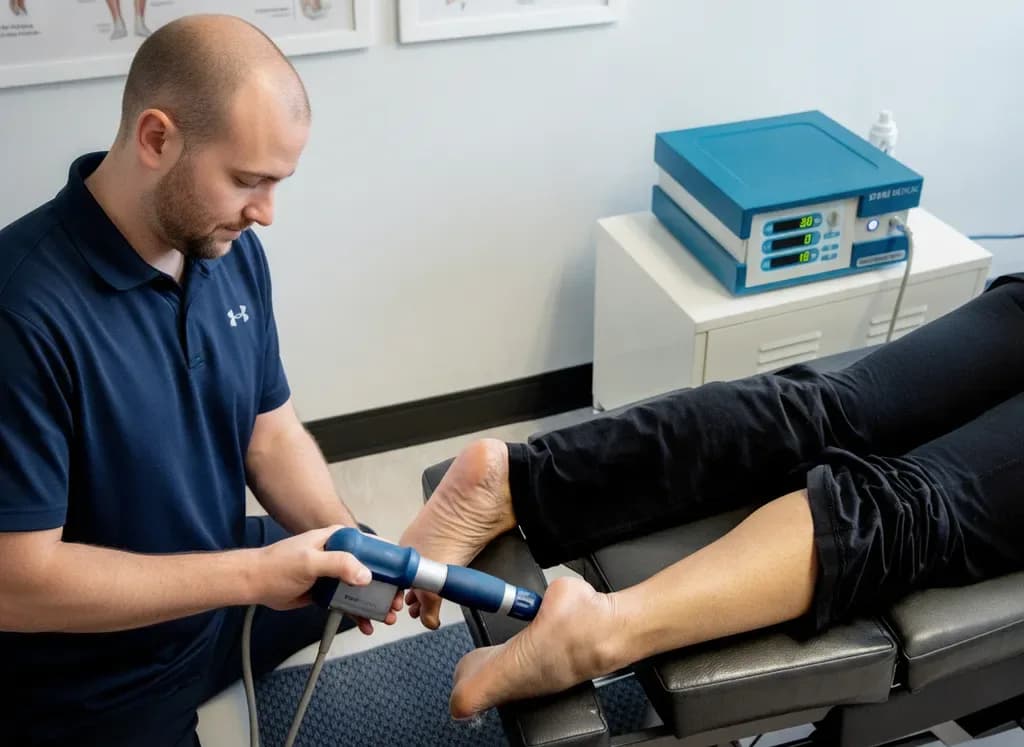
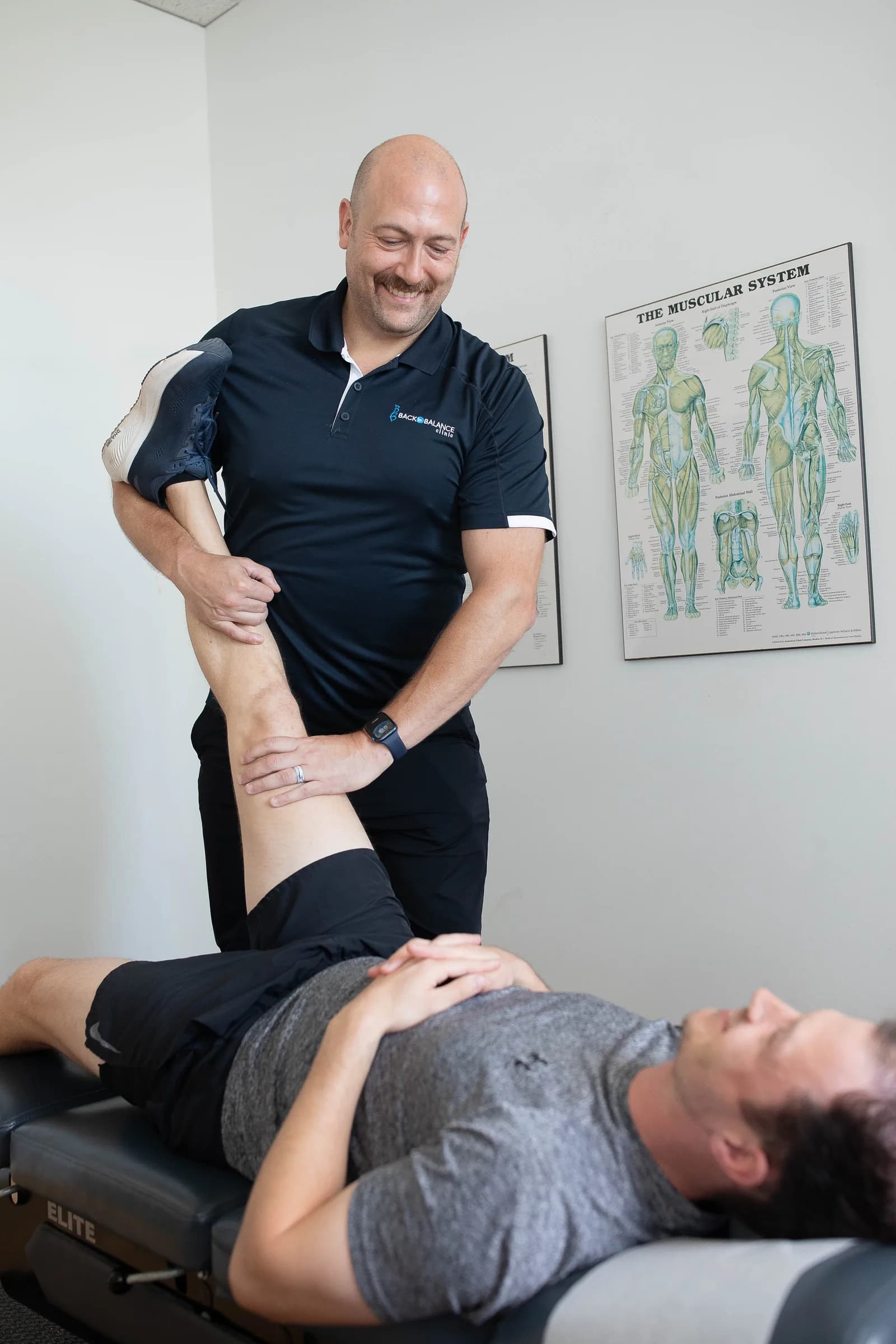
- Hands-on techniques focused on loosening tight areas around the lower back and hips
- Light stretches to open up movement near the low spine, helping reduce stiffness
- Breathing or positional changes that teach the body to relax and move with less effort
At Back In Balance Clinic, our approach to lower back pain therapy includes a combination of individualized chiropractic adjustments, myofascial release, and personalized exercise plans to help you recover safely and gently as spring activities pick up. Our evidence-based care allows you to return to movement at your own pace, building confidence as you go.
These gentle steps are all about meeting the body where it is. In spring, many of us are coming out of a period of rest with muscles that aren’t quite warmed up yet. A calm, supportive pace helps prevent flare-ups and builds confidence in movement again. It shifts the focus from fixing pain fast to making real changes that last through the season.
Gentle therapies can also help address areas that have been tight for months, allowing muscles to gradually adapt to new demands. Seasonal changes can highlight areas of tension that may not have been obvious before. Even small tweaks to movement or posture, guided by a therapist, can provide meaningful relief and lead to stronger habits that support staying active all season.
Knowing When It’s Time for a Check-In
Back pain doesn’t need to be unbearable in order to deserve attention. In fact, it’s often the low-level discomfort that sticks around the longest. Staying aware of when soreness becomes something more can help prevent it from turning into a bigger issue down the road.
A few signs it might be time to pause and check in include:
- Pain that’s still present after three or four days, especially if it hasn’t improved
- Trouble falling asleep or waking up often due to back discomfort
- Feeling more limited in daily tasks like bending, climbing stairs, or walking distances
These signs don’t always feel dramatic. But if you notice that you’re adjusting your day around your pain, that’s usually a cue. Ignoring the signs in spring can make it harder to move through summer comfortably. Early care can gently guide things back on track and help you keep up with the season without hesitation.
If you are noticing any of these signs, taking a proactive step can be beneficial. Addressing discomfort sooner rather than later provides more options for relief. Small adjustments, supportive therapies, and renewed awareness can help keep the problem from getting worse or interfering with your day-to-day activities. Spring is naturally a time of transition, and checking in with your body allows you to move forward with confidence rather than concern.
Step Into Spring Feeling Stronger
Back pain doesn’t have to weigh down your energy this spring. Warmer weather can give us the space to move again, but it also highlights which parts of our body need extra care. By noticing discomfort early and staying aware of how your body feels during daily activities, small aches can be managed before they slow you down.
If spring chores, walks, or stretches are starting to come with a side of soreness, it doesn’t mean something’s wrong. It just means your back’s asking for more support. Paying attention now can help you move more freely as the days get longer and warmer. And that makes spring feel a whole lot better.
Staying active, even in simple ways, is key for managing back pain and supporting whole-body comfort. Small routines, such as daily walks, gentle stretching, or trying basic at-home relaxation exercises, can make a real difference as your activity level increases each spring. Listening to your body and not ignoring its signals can help make each day feel a little lighter and keep aches from becoming setbacks.
At Back in Balance Clinic, we take a hands-on, personalized approach to help you move with greater ease, especially when seasonal changes leave your lower back feeling stiff or sore. Our care is focused on gently relieving discomfort and helping your everyday movement feel lighter. Discover how we support our clients through targeted lower back pain therapy in Toronto and take your first step toward feeling better. Contact us to book your appointment today.
Related reading: How Motor Vehicle Accident Rehabilitation Works in Toronto.