Disc-related sciatica
Leg pain, numbness, or tingling that traces a clear nerve root pattern, and isn't getting better with general care.
Expert assessment and care for complex spine cases, disc-related pain, sciatica, stenosis, and chronic low back pain that hasn't responded to standard treatment.
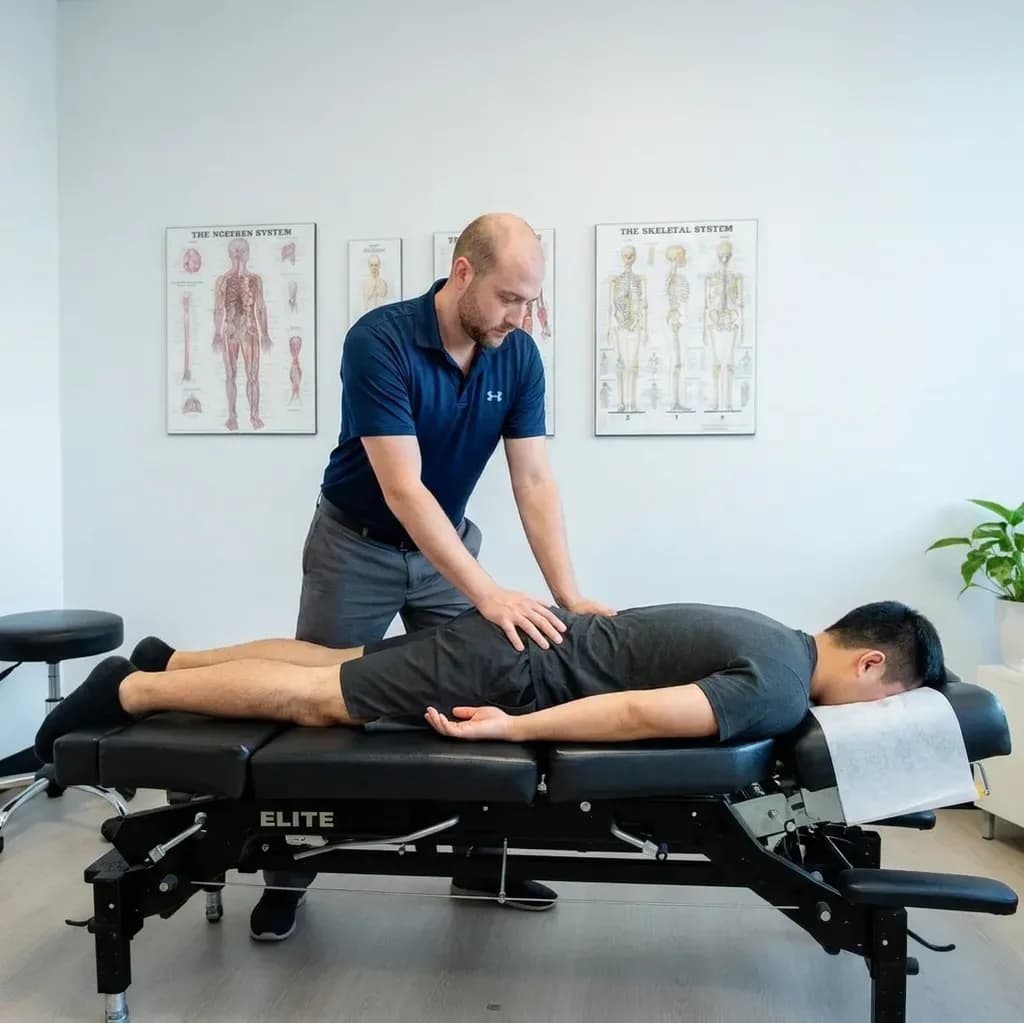
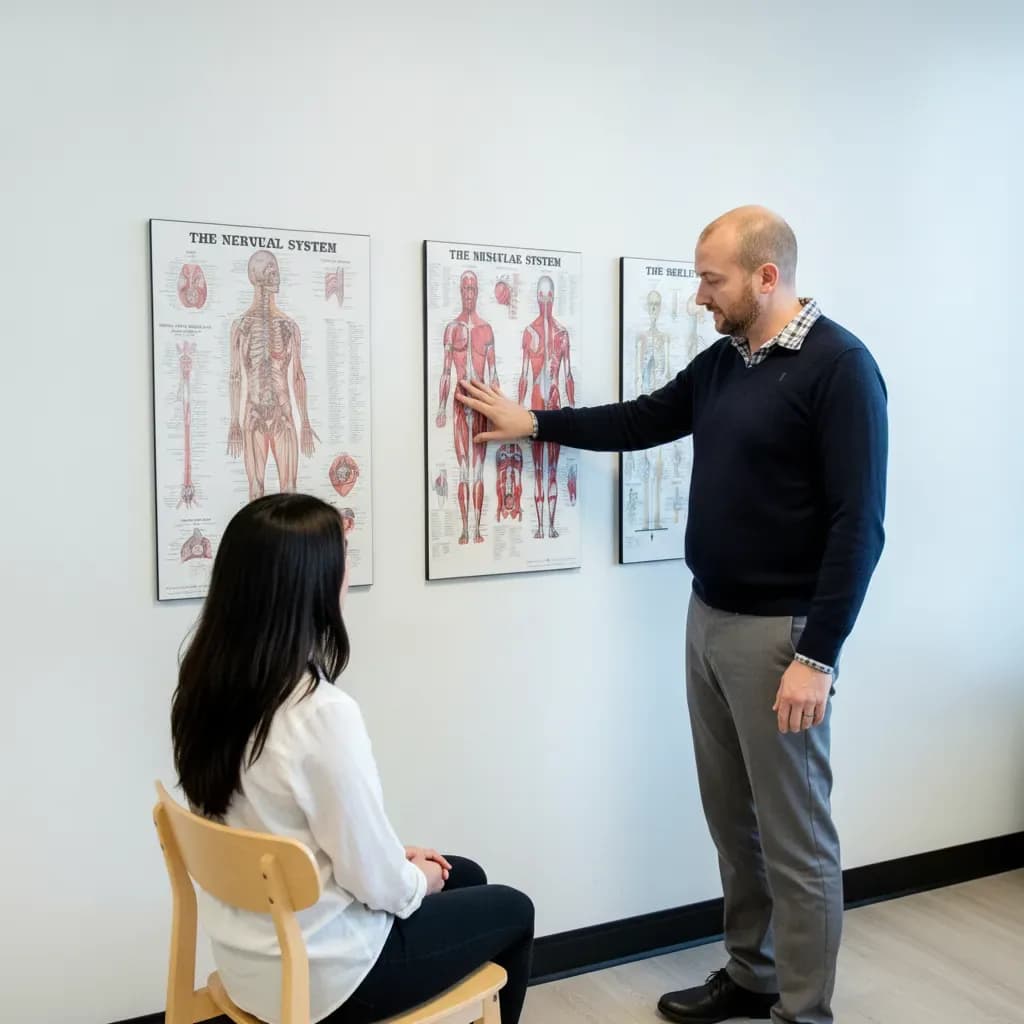
Most low back pain settles with general chiropractic care, gentle movement, and time. But a meaningful subset of cases, disc-related sciatica, chronic pain past 12 weeks, neurogenic claudication from stenosis, needs a different lens.
Advanced Spine Care is built on Dr. Serrick's advanced training and continuing education in spine care, Advanced Practice Provider training in evidence-based spine assessment and a Primary Spine Practitioner designation from the University of Pittsburgh. It's a structured assessment-and-care pathway that combines orthopedic and neurological assessment, plain-language education, evidence-based conservative treatment, and clear escalation rules when imaging or specialist referral is genuinely needed.
Leg pain, numbness, or tingling that traces a clear nerve root pattern, and isn't getting better with general care.
Pain longer than 12 weeks. The plan looks different from acute care, graded loading, education, and confidence-building movement.
Neurogenic claudication, foraminal stenosis, and irritated nerve roots that flare with extension or prolonged standing.
You'll know exactly what we're doing and why. Care is structured but flexible, we adjust based on what your body responds to, not a fixed protocol.
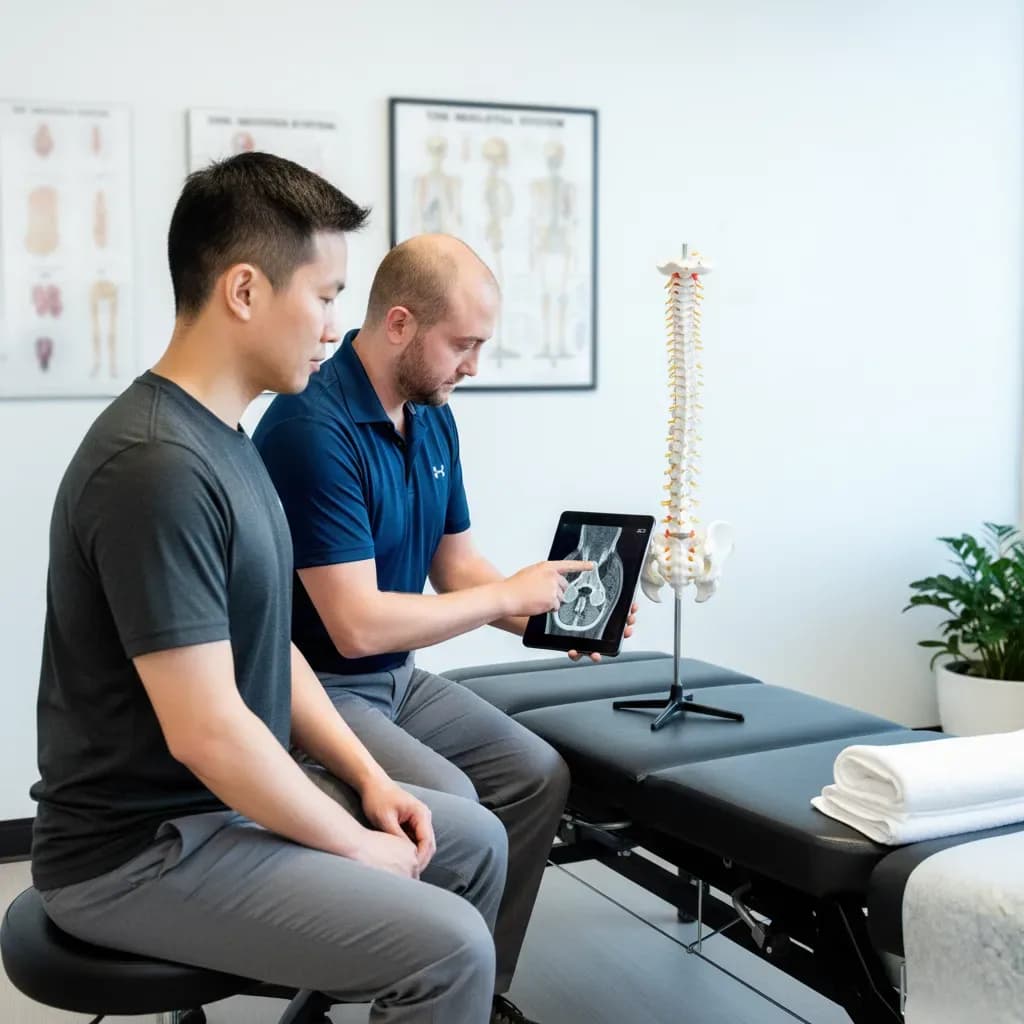
Dr. Serrick's continuing education in spine care includes Advanced Practice Provider training in evidence-based spine assessment, the same red-flag rules, classification systems, and escalation thresholds hospital spine programs rely on, and a Primary Spine Practitioner designation from the University of Pittsburgh.
Translation: when you sit in front of Dr. Serrick, you're getting the kind of structured assessment a spine surgeon's team would run, without the wait, the referral chain, or the assumption that surgery is the destination. Most patients never need an MRI. The ones who do, we know how to identify quickly.
A note on coverage: Advanced Spine Care at BACK IN BALANCE is private or insurance-billed care you can book directly, no referral needed. Ontario also runs a separate, OHIP-funded hospital program, the Rapid Access Clinic (RAC) for Low Back Pain, which is assessment-focused and requires a referral from your family physician. If that route fits you better, see our Rapid Access Program page for how it works.
Book directly, no referral needed. Assessment plus ongoing treatment, billed privately or through your extended health insurance.
Ontario's OHIP-funded hospital program for low back pain, assessment and education only, available by referral from your family physician.
How the RAC worksBook an assessment or call us. If the hospital pathway is the better route for your case, we'll say so and point you to it.
Lower back pain guideAPP-trained
Evidence-based spine care
Pittsburgh
Primary Spine Practitioner
16+ yrs
Treating spine cases
4–8
Typical visits to plateau
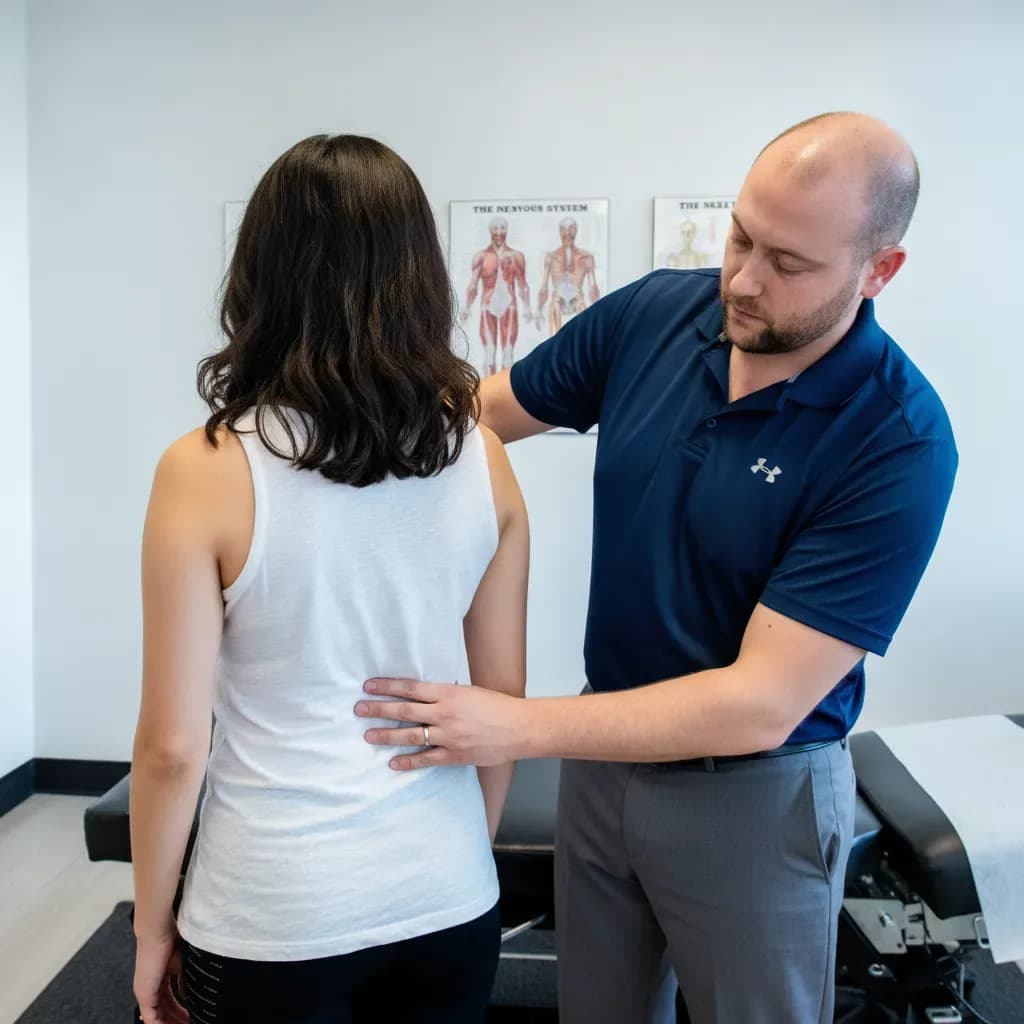
Plan for 45–60 minutes. We start with a full history, what hurts, when it started, what makes it better or worse, and what your day looks like. Then a comprehensive physical exam: range of motion, neurological screening (reflexes, sensation, strength), orthopedic provocation testing, and movement classification.
From there, you'll get a plain-language explanation of the working diagnosis, a written care plan, and the first set of exercises tailored to your presentation. If we think you need imaging, a family doctor visit, or a specialist referral, we'll tell you that, and help coordinate it.
Common reasons people come in for this.
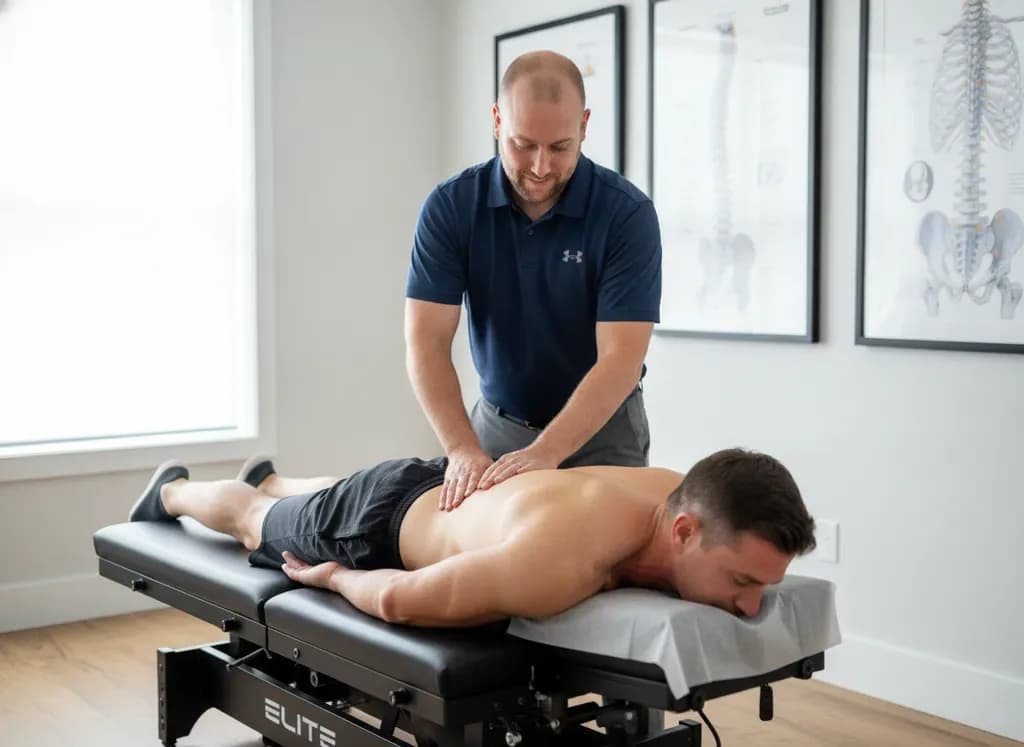
Lower back pain is the most common reason patients book at BACK IN BALANCE, from acute flare-ups and sciatica to chronic pain that limits daily life. Same-day chiropractic assessments for lower back pain at our downtown Toronto clinic.
Read the guide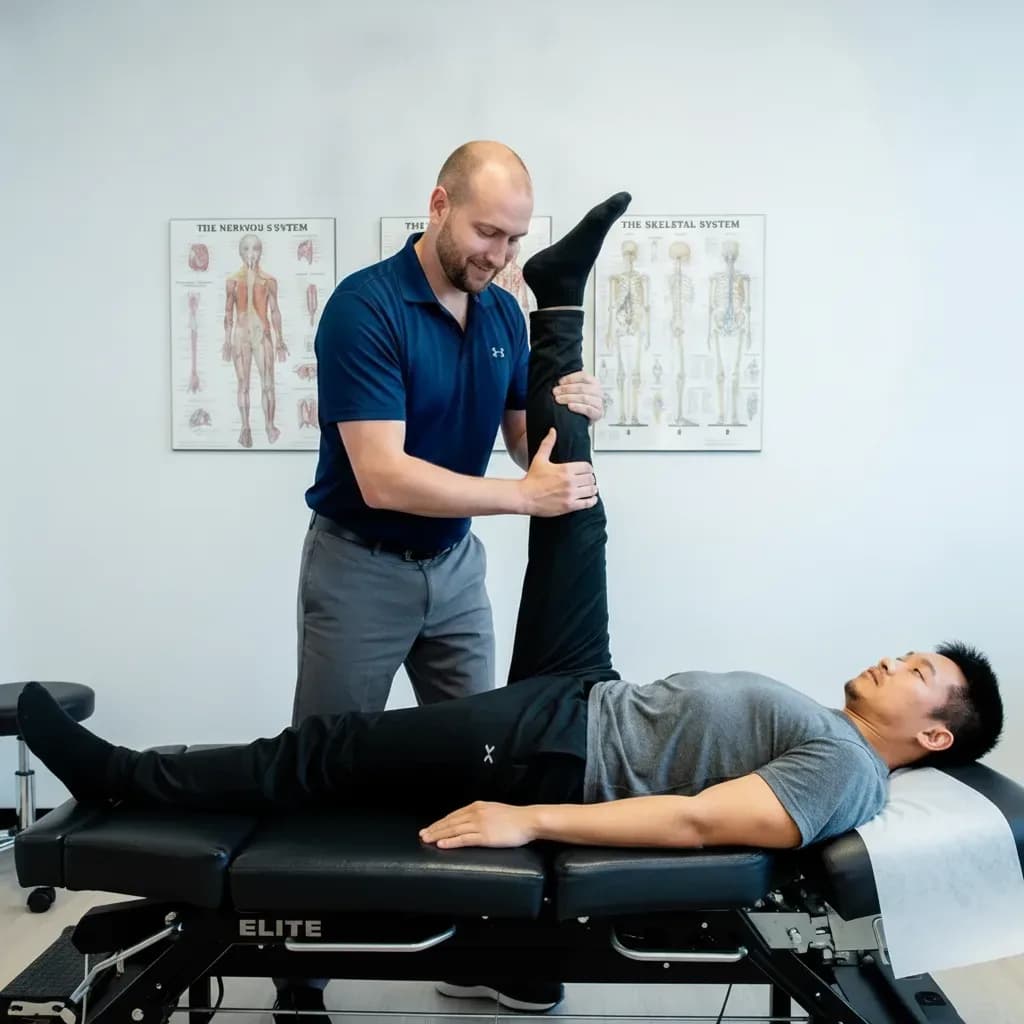
Disc bulges, herniations, and disc-related sciatica. What the imaging actually means, when surgery is and isn't on the table, and the conservative pathway most patients respond to.
Read the guide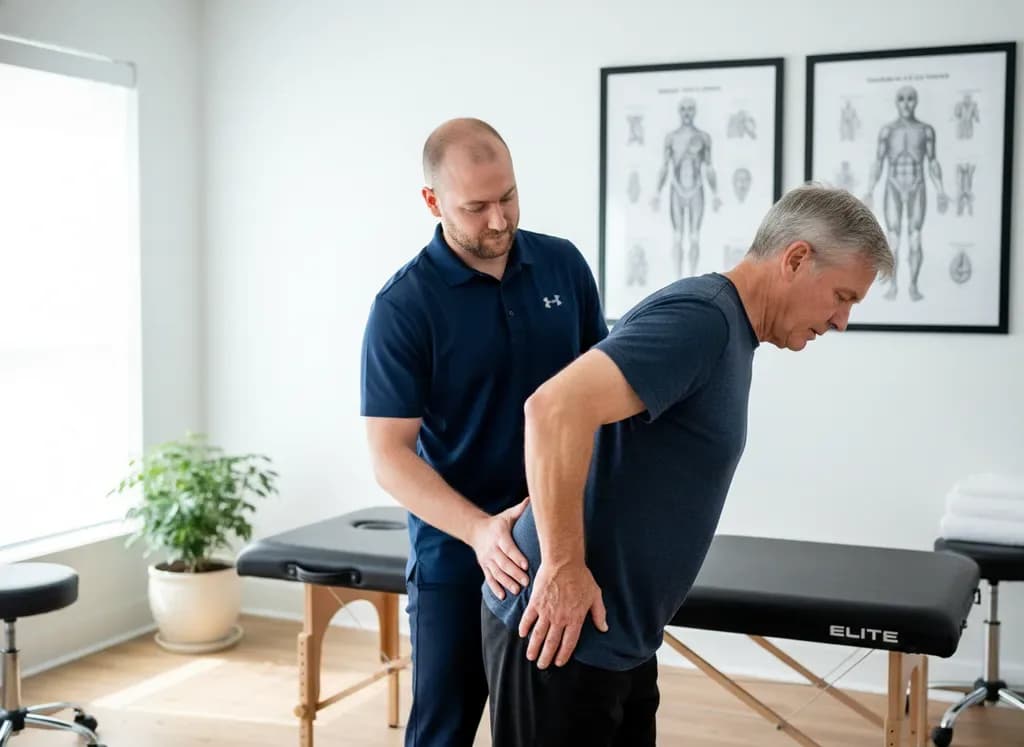
Conservative care for narrowing of the spinal canal, neurogenic claudication, leg cramping with walking, and pain that eases when you sit or lean forward. Advanced spine triage included.
Read the guide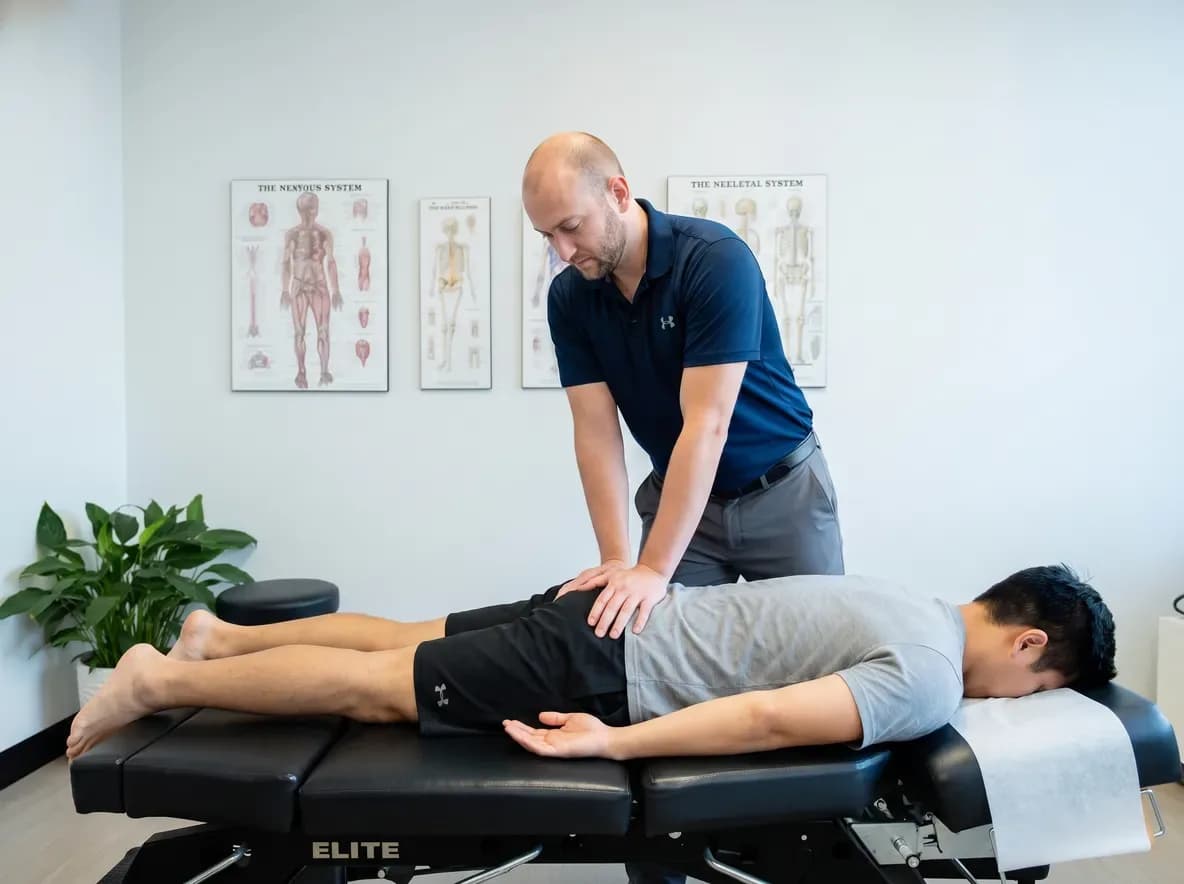
Stabbing, one-sided low back or buttock pain that flares with twisting, asymmetric loading, or rolling over in bed. Often missed for months because it doesn't behave like 'regular' back pain.
Read the guideAbout advanced spine care
About the clinic
A few words from people we've helped get back to what they love.
“Steps from College station and they direct-bill my insurance, so it's an easy visit. Real assessment, no pressure, and a plan I could actually follow at home.”
“I saw Dr. Clarke through my pregnancy for pelvic pain. Gentle, knowledgeable, and reassuring the whole way. It made a real difference to how I felt day to day.”
“Booked for a running gait analysis before a half marathon. The video breakdown of my stride was eye-opening and the exercises sorted out the knee pain that kept derailing my training.”
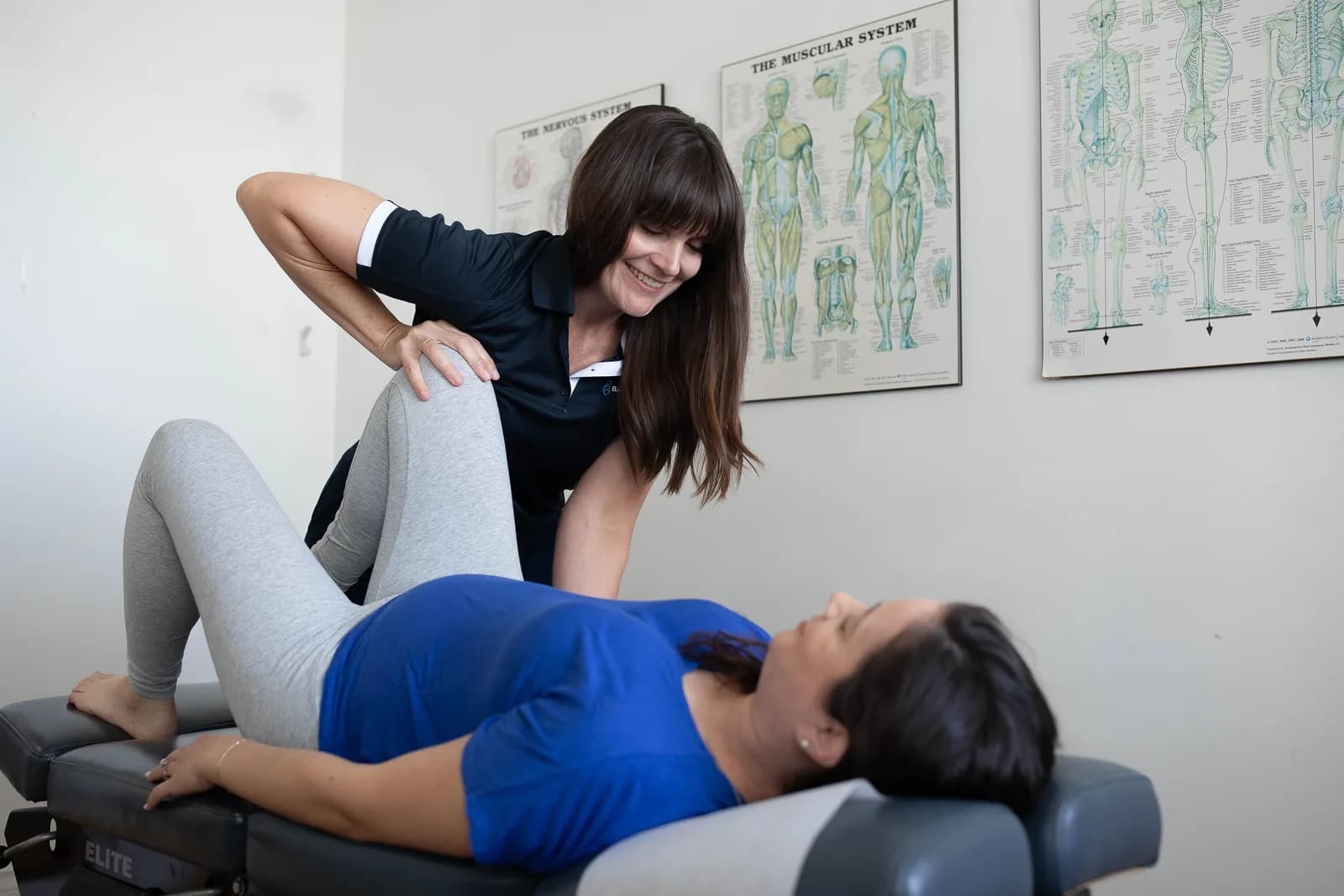
Learn about pelvic girdle pain during pregnancy, common symptoms, and how individualized chiropractic care can help.
Read the article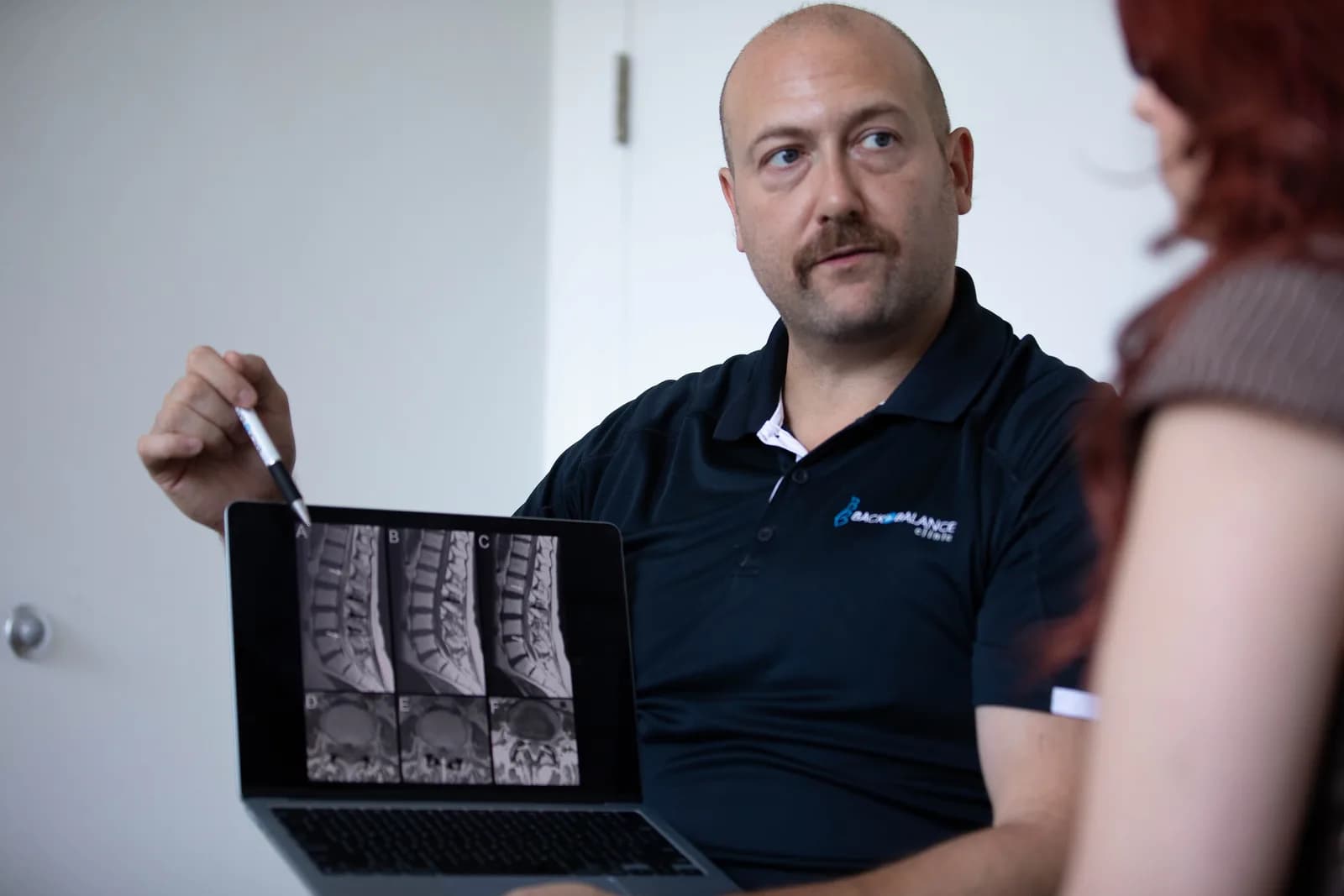
An MRI can be essential when low back pain suggests a serious problem or when the results will guide specialist treatment. For many people, however, a scan adds information without improving care. Here is how to tell the difference, and why the way MRI findings are explained matters.
Read the article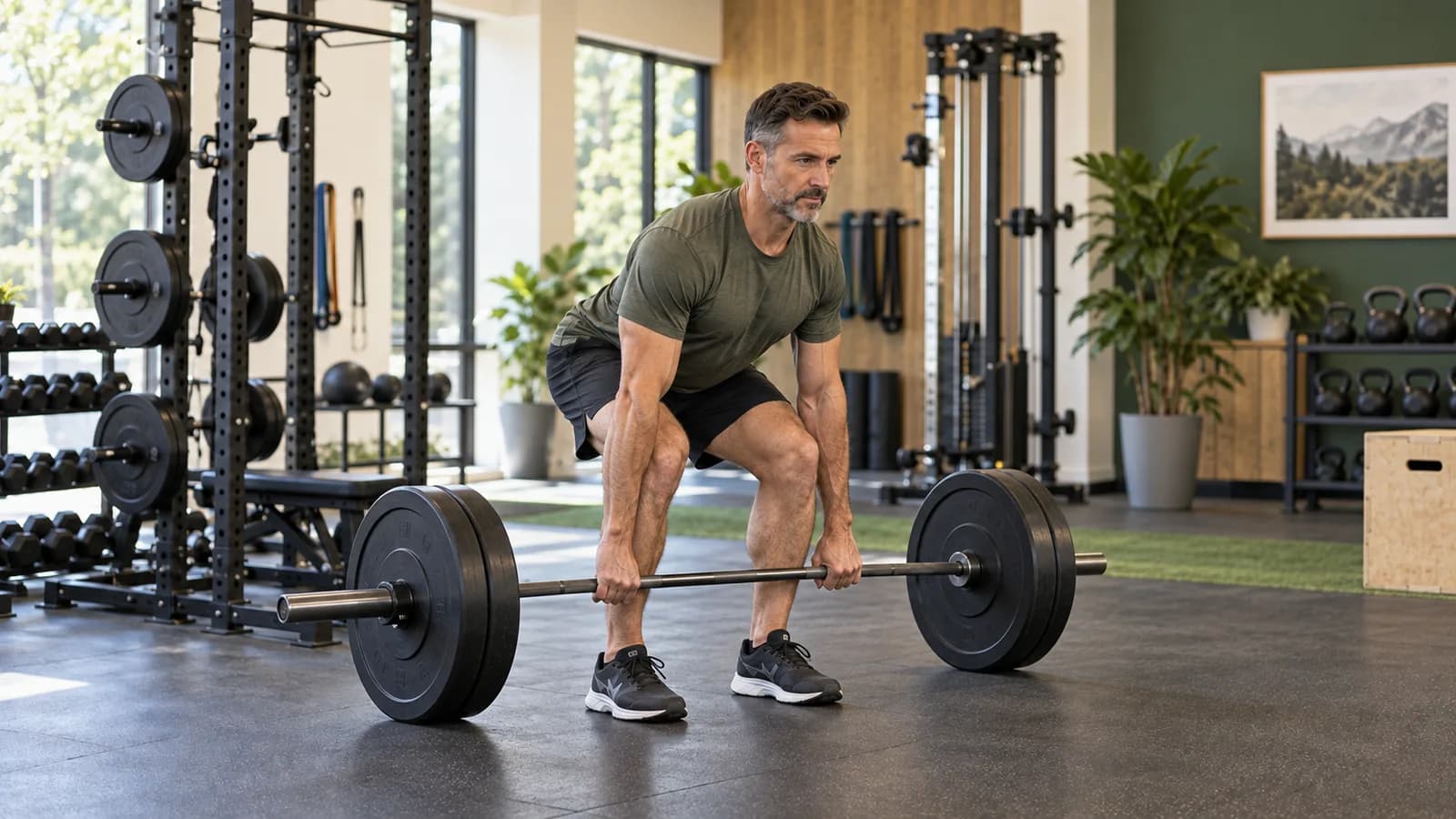
An injury flare-up does not always mean new damage. Learn how balancing capacity and demand can settle symptoms while helping you rebuild the strength and tolerance needed for daily life.
Read the articleTell us what you need from advanced spine care and the front desk will match you with the right practitioner.