
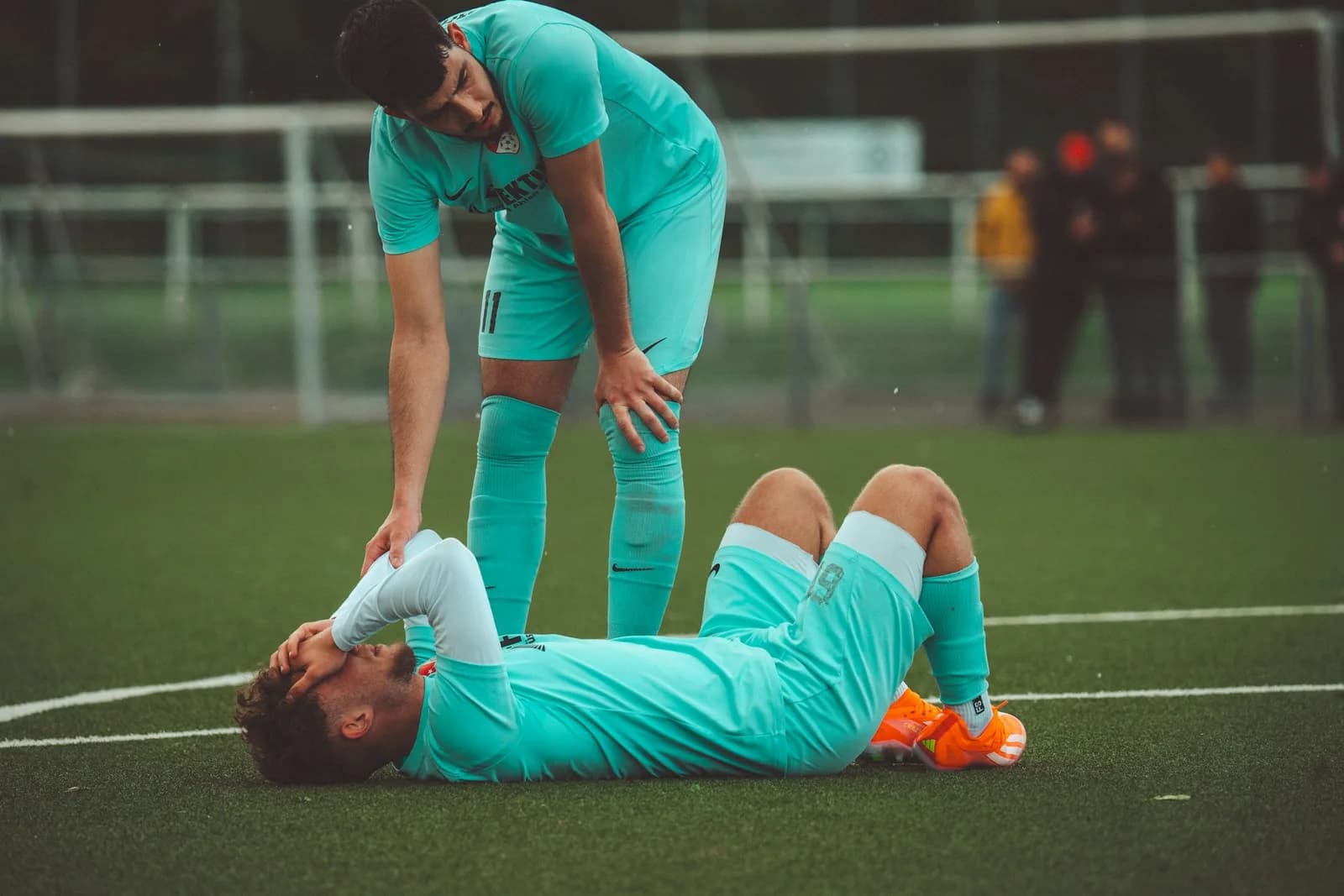
Fall is a big season for contact sports in Toronto. Whether it is football, rugby, or hockey, more kids and adults are getting out and playing harder as the temperatures drop. With that, fun comes a higher chance of injuries, especially to the head. That is why concussion management in Toronto becomes even more important this time of year.
Getting hit in the head or falling at the wrong angle can seem minor at first. Even a small bump can lead to a concussion. These injuries do not always look serious, but they affect focus, balance, and how someone feels for days or weeks afterwards. Recognising early signs and acting quickly can help prevent longer-term problems. Fall is a packed season, and no one wants to be sidelined by something that could have been managed more smoothly.
Recognising a Concussion After a Fall Sport Incident
During fall sports, head injuries happen in quick and often surprising ways. A football tackle in practice, a slip on a wet soccer field, or a rough check during a hockey game can all put someone at risk. Even a light hit with no loss of consciousness can still cause a concussion.
Here are some common signs to watch for in the hours or days after an injury:
– Headache or a feeling of pressure in the head – Dizziness or trouble keeping balance – Feeling foggy or confused – Nausea or throwing up – Mood changes, such as becoming more irritable or sad – Sensitivity to light or sound
Sometimes the person just feels “off.” That sense matters. It might be tempting to brush off small signs, especially when excitement or adrenaline is high, but any change could point to something more serious.
Kids and teens may not always speak up about their symptoms, so it helps to keep a close eye on them after any knock to the head. Watching for changes, especially for the first 24 to 72 hours, can make a big difference. Any sign that something isn’t right needs attention from someone who can take a closer look.
Why Early Support Matters After a Head Injury
A concussion means the brain has had a physical shock and needs time to rest and heal. That can be tough when routines are busy, and athletes are eager to get back into a game or students want to return to class. But pushing too hard or ignoring early signs makes a full recovery harder.
At first, symptoms might feel mild—a headache, a bit of tiredness. Lights, noise, screens, or a lot of thinking can quickly cause symptoms to flare if the brain hasn’t reset. Coming back to activities too soon can not only delay healing but can also bring symptoms back when they had started to fade. Both kids and adults need more than just sleep. Stepping away from screens and giving the brain a break from activity is key.
In the early stages, having a rest plan can set the right pace, but you don’t want to completely rest unless absolutely necessary. For example, some clinics provide written advice about how to reintroduce screens, classwork, or practices based on the way symptoms change over a few days. When symptoms don’t improve or get worse, a professional assessment helps shape the safest way forward.
How Professionals Help with Concussion Recovery
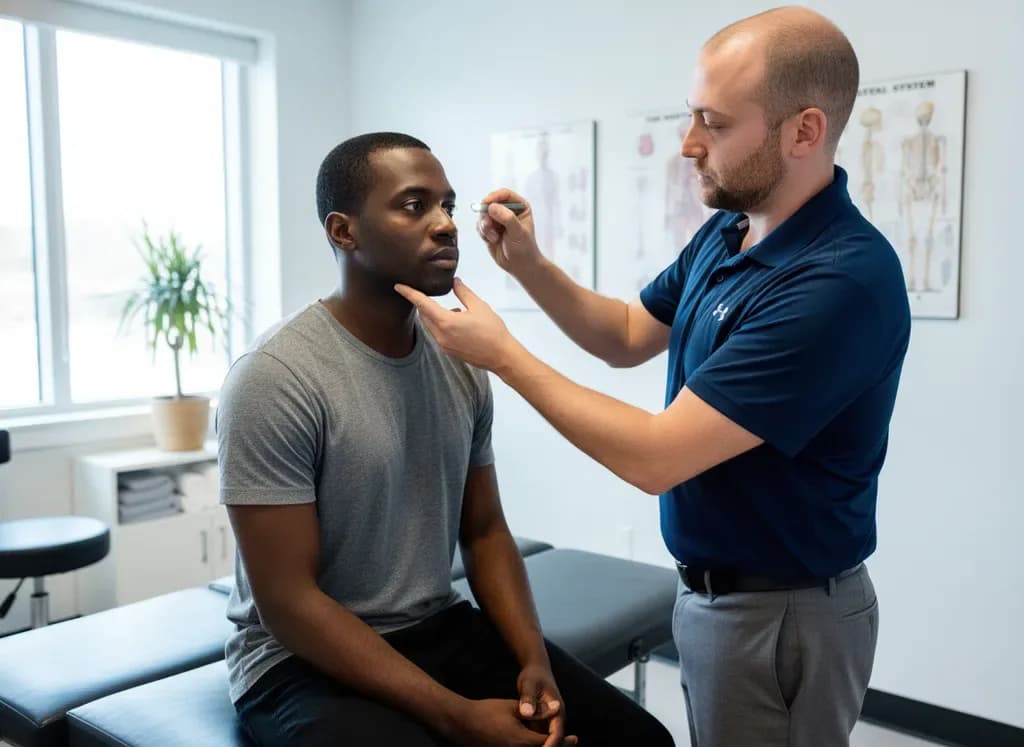
Professional concussion management in Toronto usually begins with an in-depth assessment. At Back In Balance Clinic, for example, care starts with a detailed history of the injury and symptoms, followed by tests for balance, memory, eye movement, and coordination. This offers a full view of how the brain, spine, and body are responding after the injury, rather than only checking for obvious symptoms.
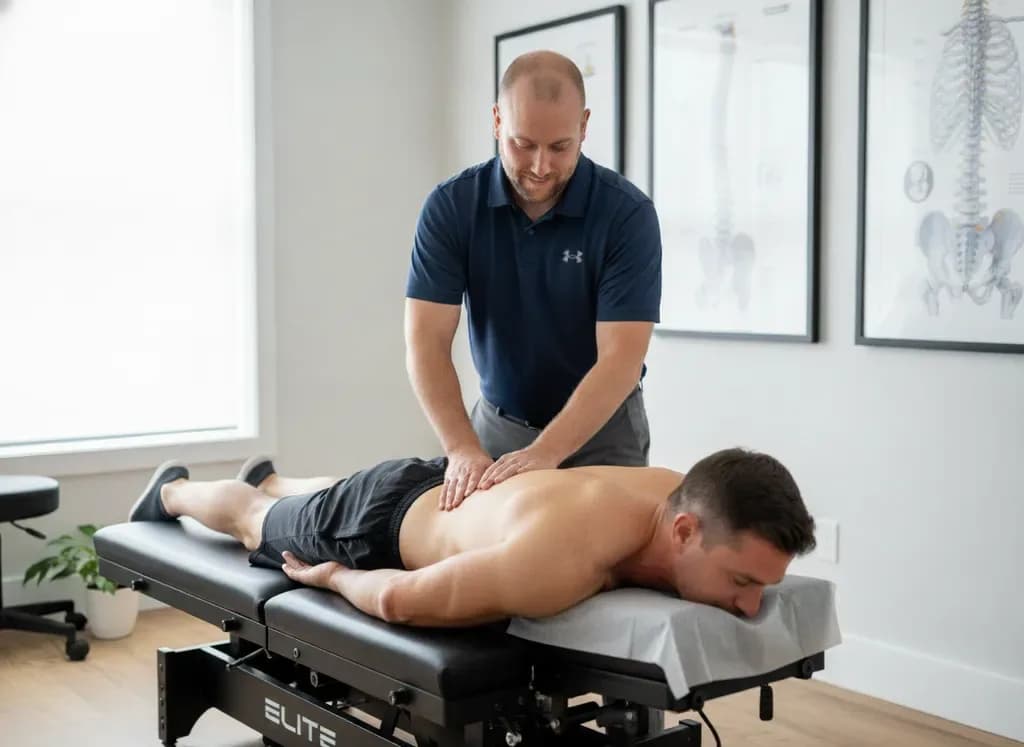
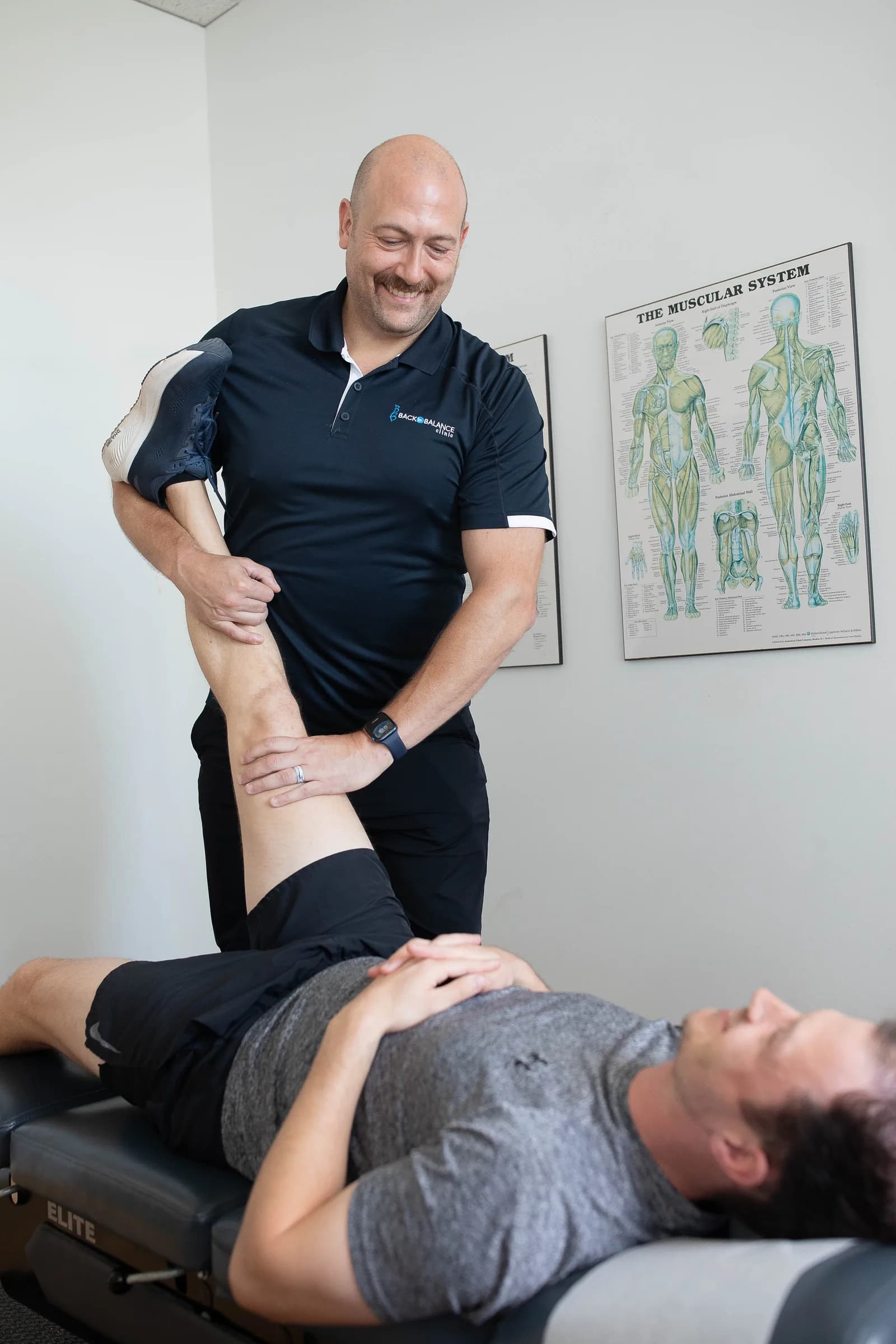
Manual therapies like soft tissue therapy or gentle neck treatment can sometimes be part of the recovery plan if there is muscle tension or headaches. There may be guided support for light sensitivity or ways to manage symptom triggers around school and home routines. Often, a return-to-play plan is mapped out, including stepwise increases in activity and regular check-ins to see how the body is adjusting.
Having access to concussion management in Toronto during the busy fall season means local families know what to expect from sport leagues and school programs. Professionals here can match support with everyday life—like building a return-to-learn plan for students or adapting guidelines for younger athletes. This local approach makes practical advice easier to follow and helps everyone feel more confident about recovery.
Making Sport Safer This Fall
Prevention and awareness are just as important as recovery. Even when symptoms start fading, returning to play too soon creates a higher risk for another injury. Coming back before the brain is ready slows reflexes, throws off balance, and leads to mistakes that can be dangerous.
Here are some habits to help keep fall sports safer:
– Wear required safety gear, like headgear or mouth guards – Follow game and practice rules that protect from hits to the head – Wait for a professional’s go-ahead before returning to play – Remind coaches, parents, and athletes to communicate any symptoms quickly
Families and coaches who know what to watch for make a big difference. If someone cannot speak up or is trying to hide symptoms just to get back on the field, teammates and adults should still be ready to pause and check in.
Giving recovery the time it needs now helps avoid missed games and school days later. No one wants a season cut short by an injury that could have been caught early.
Paying Attention Makes a Big Difference
Nobody wants to see a head injury ruin a promising season or slow a return to school. The best recoveries start with quick attention. Even a tired mood, brain fog, or a change in balance needs to be taken seriously.
Trusting your instincts, staying patient, and looking after your own signals—or those of a child or teammate—are some of the smartest ways to move through the busy autumn sports months in Toronto. Concussions can be managed well when the first signs are caught and steps are taken early. That is how families and athletes get the healthiest seasons possible.
When someone takes a hit to the head during fall sports, even small shifts in focus or mood can be worth a closer look. Early steps in concussion management in Toronto can make recovery feel less overwhelming and more in tune with everyday life. At Back In Balance Clinic, we’re here to help you move forward safely. Give us a call to book your spot.
Related reading: Is Massage Therapy in Toronto Different in the Spring Months.