

Back pain doesn’t always show up at the gym or after a fall. Sometimes it’s during the most regular parts of the day, like walking to work, getting out of bed, or standing in line at the grocery store. These small movements can feel bigger when there’s a dull ache in your lower back or a pinch near your shoulder blades. During a cold Toronto winter, the impact of these everyday activities starts to stack up faster.
That’s one reason back pain relief in Toronto matters as much as it does. It’s not just about helping people recover from injuries or deal with serious pain. It’s about making it easier to live normally, whether that means walking more comfortably on icy sidewalks or sitting through a long meeting without shifting every five minutes.
Small, steady changes in how we treat our backs each day can go a long way toward helping us feel better. Let’s look at the habits and conditions that often make back pain worse, and how thoughtful winter support helps make life more manageable across the city.
Everyday Habits That Make Back Pain Worse
It doesn’t take much for the back to stiffen up during daily routines. In winter, we’re already layered up and dealing with snow or slush, which changes how we move. When you mix that with office hours or long commutes, the spine gets less opportunity to stretch or stay balanced. A few patterns we often see include:
• Sitting for long stretches during transit or work hours presses down on the spine, especially without movement breaks. This often leads to stiffness or lower back soreness by the end of the day. • Bulky winter jackets, boots, and bags change how people hold themselves. They shift weight and posture without warning, which can add pressure or tension in the back, neck, and shoulders. • Shovelling snow or walking with armloads of groceries across icy walkways puts unbalanced stress on the lower back. Without coordination or muscle prep, that load becomes risky.
These may not seem like a big deal day by day, but when they repeat every week, they wear the body down. We often notice that small aches begin to show up more quickly and take longer to shake during this time of year.
How Pain Affects Simple Winter Activities
A stiff back on a cold day can change everything, sometimes more than people expect. Simple daily movements take more effort, and people often stop doing certain things without knowing it’s because of discomfort. In winter, this plays out in a few common ways.
• Walking across snow or slush makes people tighten up or shorten their stride to stay steady. That changes posture and adds pressure to already-tense areas of the back and hips. • Sleep becomes harder when cold muscles cramp or sore spots flare up. When the body can’t relax into sleep, it misses out on one of the most natural ways to recover. • Everyday tasks like bending to tie winter boots or reaching high shelves for storage bins feel heavier than they should. These short motions can cause sharp twinges when the back is already under stress.
When pain joins the daily routine, people often start avoiding simple tasks without realizing it. Over time, that leads to weaker movement patterns or even more strain. This gradual loss of movement can sneak up on people, making simple actions like turning around or reaching down more challenging.
What Back Pain Support Looks Like in the City
City life runs at its own pace, especially in downtown Toronto. That pace doesn’t pause for bad weather or stiff muscles. But there are ways to make back support part of the rhythm, even during the thickest parts of winter.
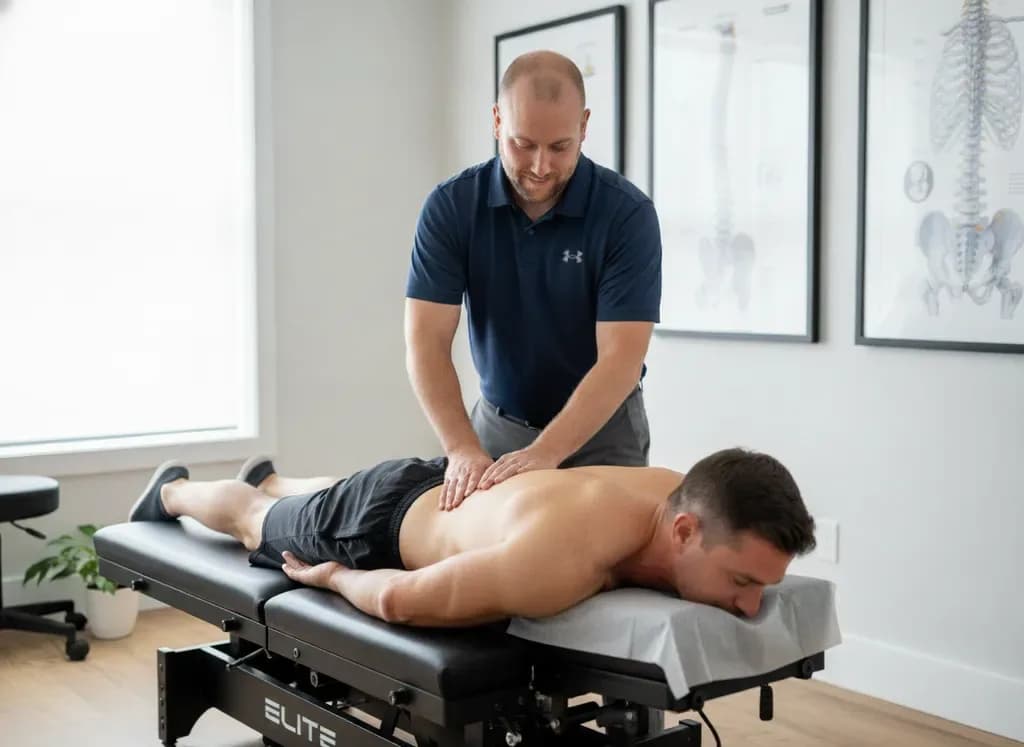
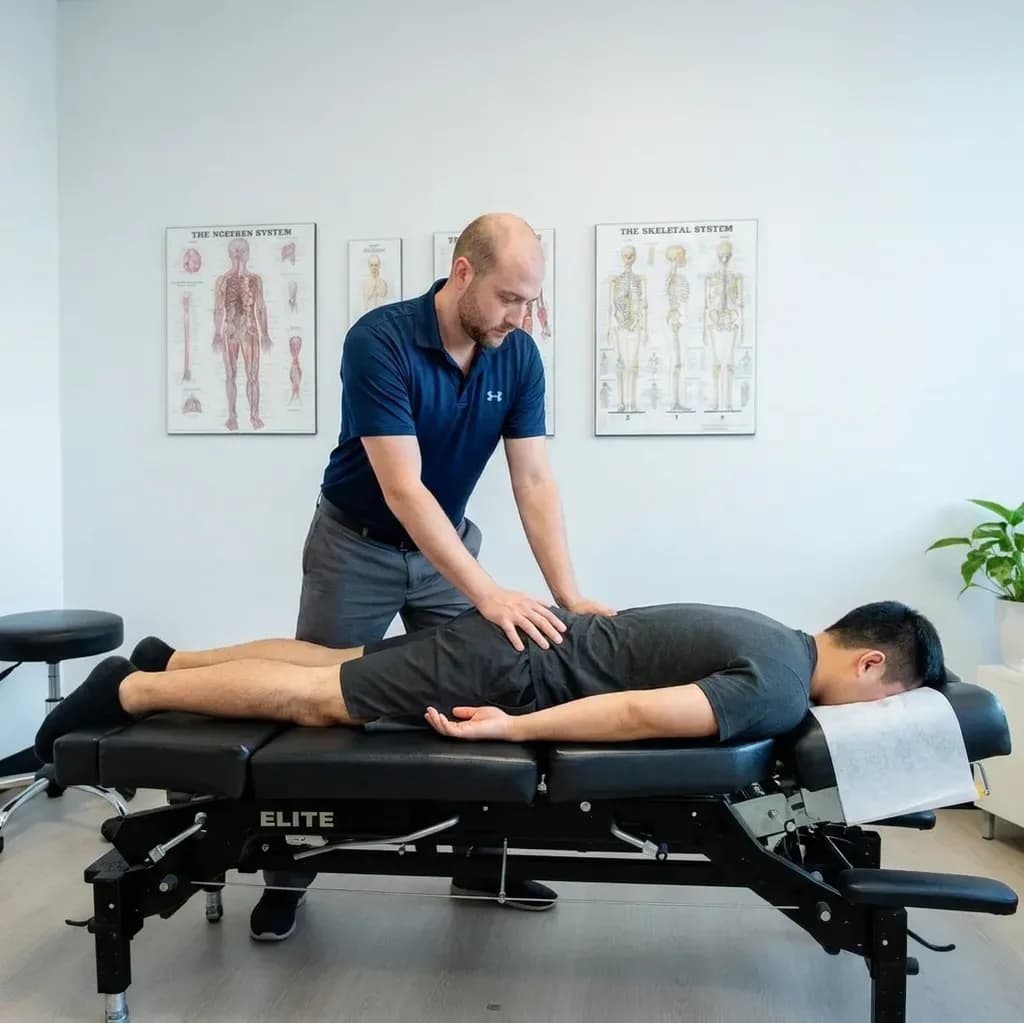
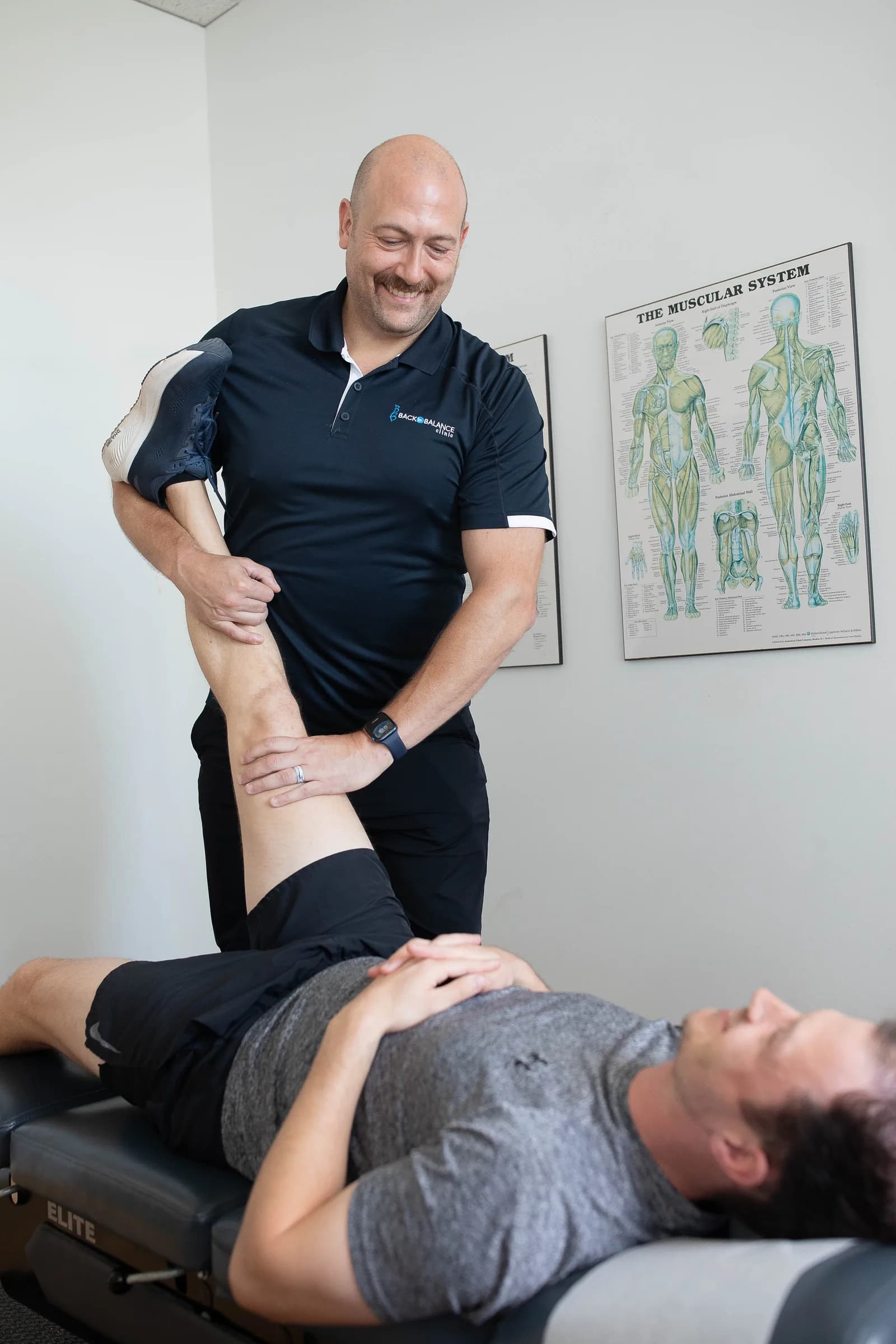
• Personalized approaches help people keep up with busy routines while protecting their back. That might mean adding stretch breaks when desk hours run long or creating habits that reduce slouching on the streetcar. • Care that focuses on posture and movement brings relief without making dramatic changes. Small steps, like soft tissue work or changing how someone sits, can ease strain in everyday settings. • Back pain relief in Toronto usually blends hands-on support with practical advice on how to move through city life in safer ways. That’s especially helpful when people work long hours, carry heavy bags, or rely on walking during snowy commutes.
Back in Balance Clinic offers custom care plans tailored to your specific back pain, blending manual chiropractic adjustments, massage therapy, and active rehabilitation techniques. Each service is delivered by practitioners with experience in treating winter-related back pain and daily discomfort common to city living.
The key is finding steady support that feels realistic. Nobody wants to stop their life to heal an ache, and most people don’t need to. With the right direction, the body can keep moving while healing.
Why Winter Calls for Extra Support
Cold winters create new stress on the entire body, especially back muscles and joints. When temperatures drop, circulation slows and the muscles stay tighter for longer. That means everyday motion gets heavier, and the body is more likely to feel sore after simple tasks.
• Muscles that aren’t warmed up tighten faster, making even regular movement feel stiff. Something like getting up off the couch or walking to a local shop can leave someone feeling sore if the back isn’t supported. • With the sun setting earlier and the days staying cold, people usually spend more time wrapped up indoors or just sitting. That drop in activity delays healing from aches or light injuries. • Without active movement, the back misses out on the stretch and balance it needs to feel strong. That opens the door for more pain or slower recovery when discomfort begins.
Seasonal care doesn’t need to be complicated. The goal is to help people feel more confident in their bodies while winter is doing its work outside. Supporting better movement even in small ways, like warming up before shovelling snow or improving how you sit on your commute, can prevent that feeling of heaviness or tightness that builds through the season. When people take these extra steps during winter, they often feel less worn out and more comfortable by the time spring arrives.
Maintaining Comfort in Everyday Winter Life
When cold weather takes over, regular life doesn’t stop. People still have to get to work, buy groceries, and help their kids into boots. These motions build up. Without back care, the stress starts to spread from the spine to other parts of the body until it becomes harder to move well or rest fully.
That’s why smart, practical support in winter matters. It’s not about big changes. It’s about helping people gain the smaller wins, like taking a longer walk without pain, getting through sleep without tossing, or carrying a bag without a pinch. These little moments add up to something bigger: a season that feels more manageable, even when everything else is cold.
Back care doesn’t have to be complicated. It just has to match your lifestyle, and work with your city, and offer the right kind of attention when the season demands more from your body.
At Back In Balance Clinic, we know winter can put extra strain on your back as you manage a busy schedule or colder days. When regular routines become uncomfortable, our team is here to help you discover real, lasting relief that fits your lifestyle, whether you spend your day walking around the city or seated at a desk. Anyone searching for back pain relief in Toronto this season can count on us to guide you towards greater comfort. Call us to start the conversation.
Related reading: How Motor Vehicle Accident Rehabilitation Works in Toronto.