

Winter in Toronto makes a lot of things harder, and back pain is no exception. As temperatures drop and sidewalks get slippery, even simple movements like walking to work or bending over to tie boots can become uncomfortable. Back pain that felt manageable in warmer months can feel a lot worse once you’re bundled up and spending more time sitting indoors.
That’s why choosing the right care matters more during this season. A helpful approach to back pain doesn’t just treat the discomfort, it should make it easier to move through everyday life when the weather slows everything down. Let’s look at how back pain treatment in Toronto can fit into the winter routine and help keep things on track even when the pace outside changes.
What Winter Really Does to Your Back
Cold weather does more than make you shiver. It actually tightens muscle tissue and makes joints feel stiffer, especially when you’re not moving much. That tension builds over time and can lead to pain in places that didn’t bother you before.
- Cold air makes muscles contract, which means they don’t stretch as easily during regular movement. That leads to tightness and soreness, especially if your posture isn’t strong.
- We tend to move around less in winter because it’s freezing, it gets dark early, and streets aren’t always safe to walk on. Less movement means joints don’t stay flexible, which leads to stiffness.
- Thick clothing, heavy boots, and cautious steps on icy sidewalks can throw off your balance and posture. That forces your back to work harder, often unevenly, which can lead to pain.
These shifts aren’t always obvious at the time, but over a week or two they can really add up. Your body has to work differently to manage winter habits, and sometimes it responds by getting sore or stuck.
When Back Pain Starts to Take Over Your Day
Back pain doesn’t always start with a big moment like a fall. It often sneaks in through daily habits you don’t think much about. Then one morning, tying your boot or lifting a bag suddenly feels harder than it should.
- Long drives or commutes in traffic can keep you sitting for too long without moving. That puts extra pressure on the lower back, especially when you’re wearing layers or sitting in a cold car.
- Bending to clear snow, carry bags, or keep an eye on where you’re walking can strain the back if your body isn’t ready. Slow, repeated movements like this can lead to a lingering ache.
- If the pain sticks around, people sometimes change how they move to avoid it. That leads to new aches, weaker muscles, and habits that make things worse over time.
It’s easy for little things like rest, grocery runs, or walks around the block to feel like too much effort when back pain sets in. This is why having a plan matters, it helps you stay ahead of the problem before it spreads into other parts of your daily life.
What to Look for in a Helpful Back Care Plan
A good back care plan in winter doesn’t need to be complex. It just needs to match how you live. The goal is to support the back in a way that doesn’t create more stress, while helping the body feel steady and calm.
- The best kind of support fits into your routine. Whether you’re working from home or packing a busy schedule downtown, your care should work with your time, not take over your day.
- It’s not about pushing or forcing change. A gentle way that helps ease pain without creating new pressure often works better, especially when everything else in winter already feels tight.
- Look for help that keeps things simple. Focus on small steps like better posture, easier movement, and regular habits to loosen tight spots. These changes may seem minor, but they make a real difference over time.
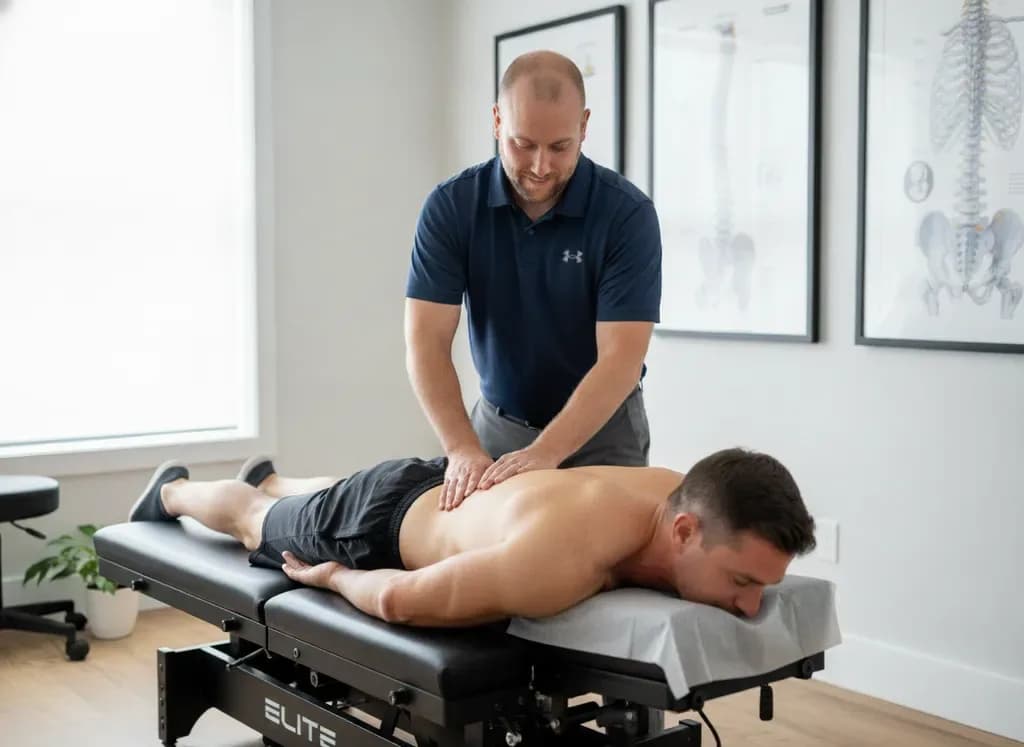
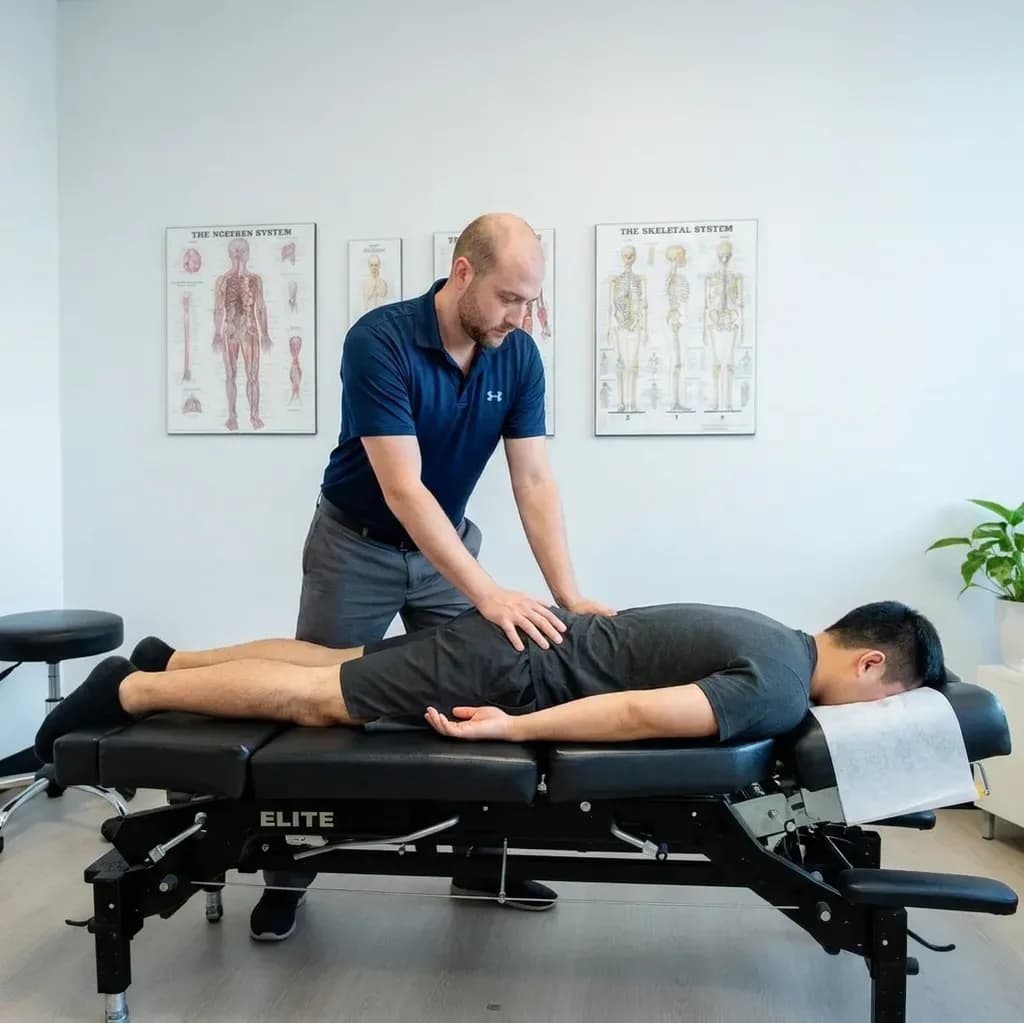
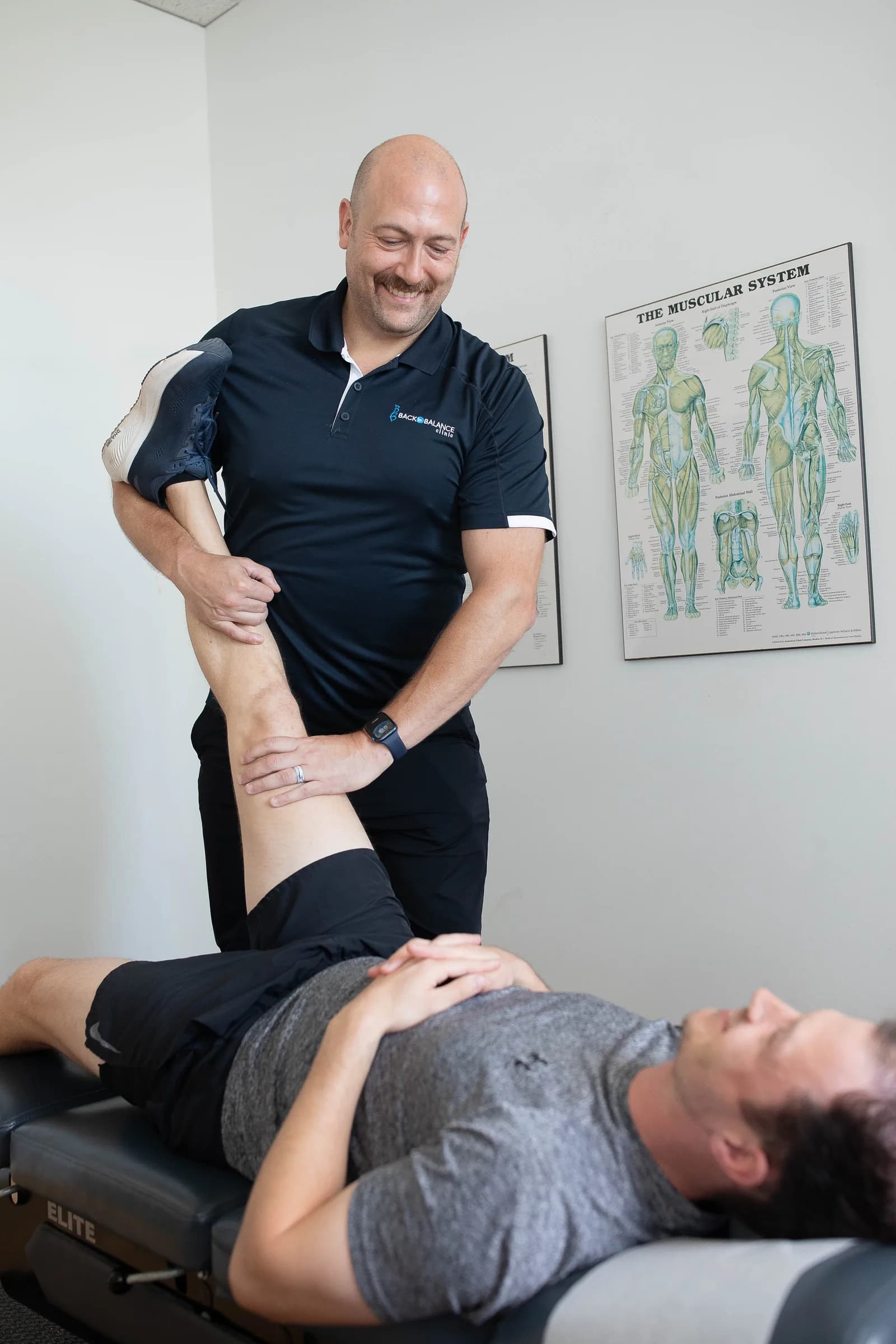
At Back In Balance Clinic, treatment plans are tailored to each individual, combining chiropractic care, manual therapy, and rehabilitation exercises designed to target the root cause of discomfort. By assessing posture, movement habits, and daily activities, we help you build routines that truly support your goals.
You don’t need to overhaul everything or take hours out of your week. With the right support, the changes can be steady and built into what you already do.
Getting Support That Makes Sense in the City
Living and moving around downtown Toronto brings its own challenges, especially in cold months. Between transit delays, packed schedules, and long commutes, it’s easy for back care to get pushed aside. But this is where local support can make a real difference.
- Plans that work well in the city often focus on short, regular sessions that offer relief and direction without adding much time to your week.
- Common winter treatments address the tight muscles and joint stiffness that come from shovelling, sitting in traffic, or slipping on slush. They don’t need to be high-effort or difficult, just consistent.
- A lot of care in Toronto looks at how people move through their day. That includes time spent walking to the subway, sitting at a desk, or carrying a heavy backpack over icy ground. The way support is given should make these moments easier.
We also offer massage therapy and postural assessments to complement chiropractic adjustments, helping you manage both acute pain and prevent future flare-ups.
Sometimes, just knowing there’s a simpler way to move through the week can help you relax. With a little consistency, the back can start to feel better without needing a huge shift in your lifestyle.
Find Your Winter Back Balance
Back pain can make people feel stuck, especially during cold months when everything already feels harder. But support doesn’t have to mean stopping what you’re doing or waiting for things to get worse. It can be as simple as walking a bit easier or sleeping more comfortably each night. A steady plan and the right guidance can help get things moving again without extra stress.
The cold won’t last forever, but staying active and supported through winter does make the season feel less limiting. With just a few thoughtful changes, it’s possible to stay on top of discomfort and find relief that lasts past the snow. A little help at the right time can make each day feel lighter, one step at a time.
At Back in Balance Clinic, we understand how daily life in downtown Toronto can add extra strain on your body, especially during the colder months when your back may feel tighter or stiffer. Our approach supports you in feeling better every day, all while fitting seamlessly into your routine. To discover how we handle back pain treatment in Toronto with your needs in mind, call us today.
Related reading: Lower Back Pain Therapy in Toronto Simple Options for Spring.