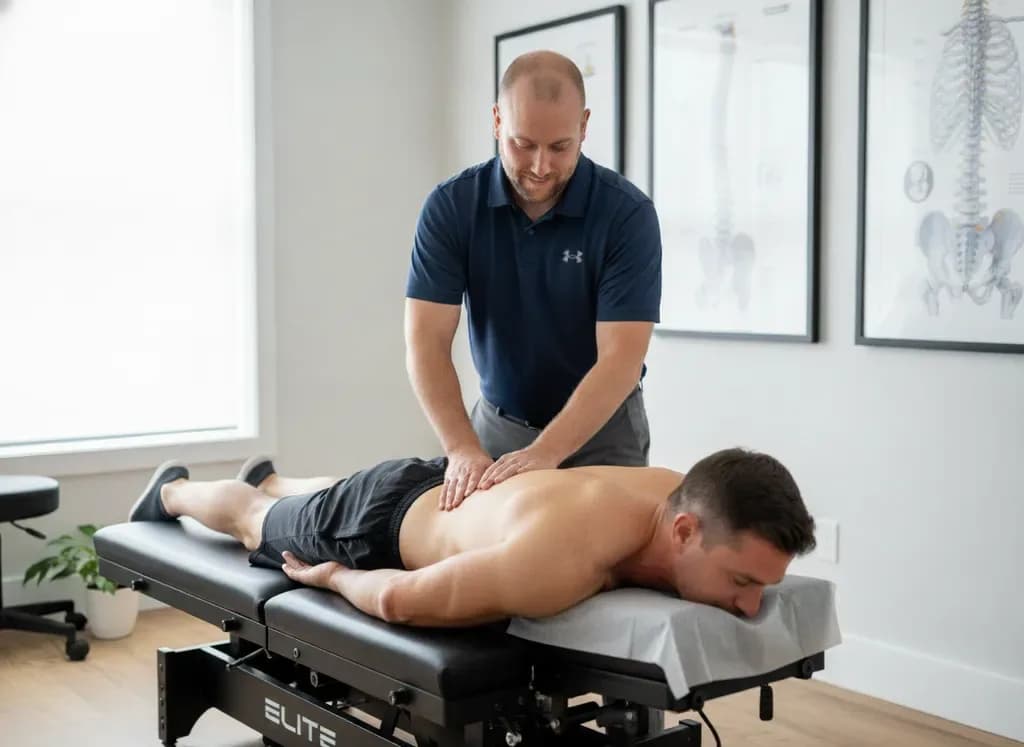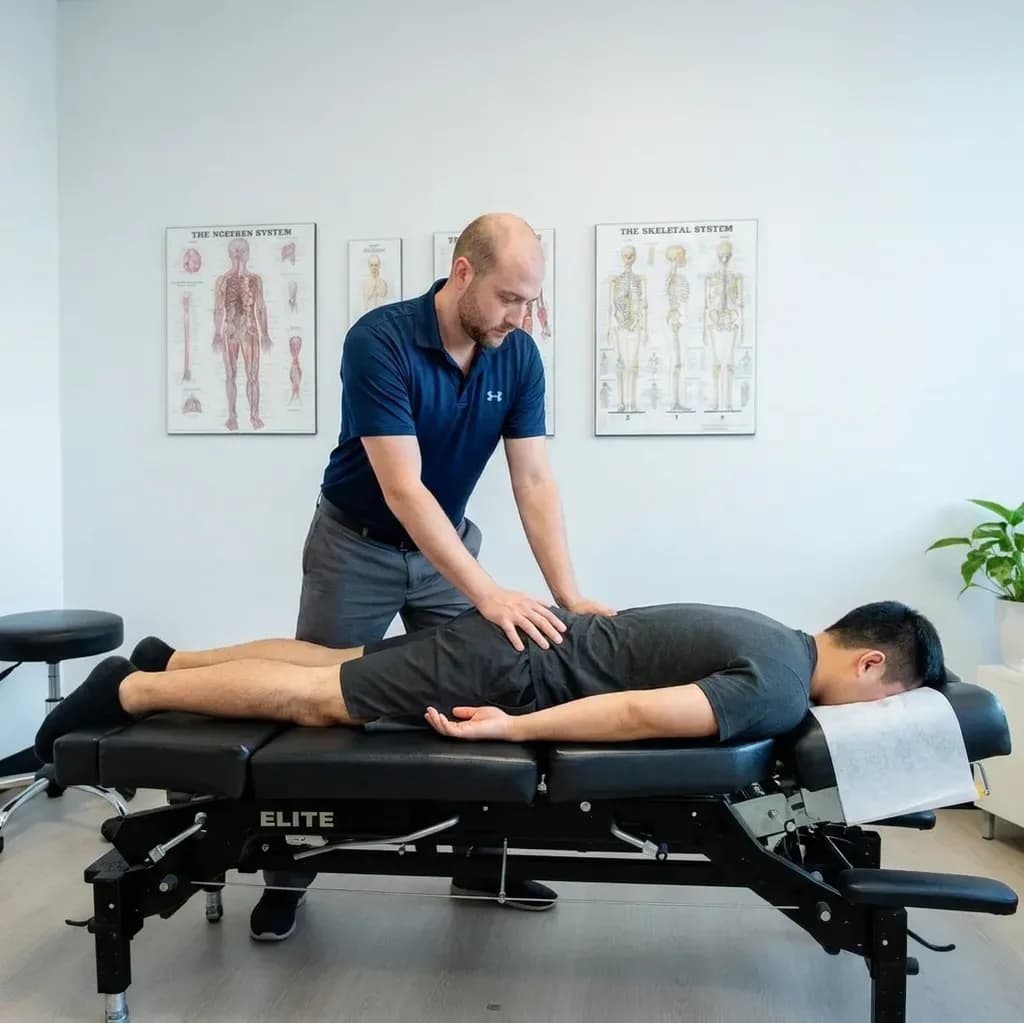

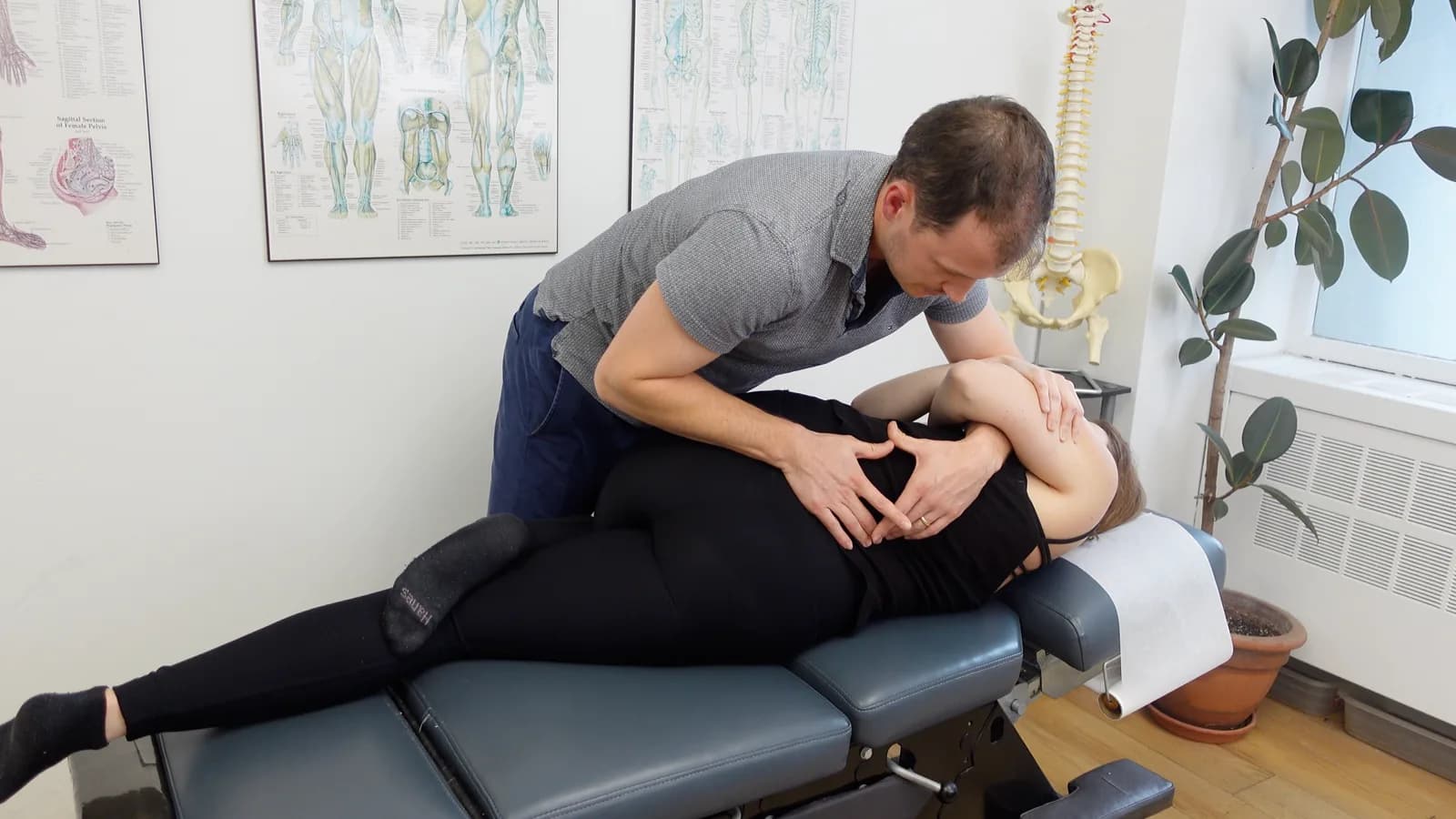
Low back pain is one of the most common reasons for seeking medical care. People often go straight to their GPs who can only offer “traditional therapies” such as medications to stop the pain or suggest expensive surgeries. Basically, spinal manipulation offers an alternative treatment for patients with back, neck, shoulder and even head pain. So why then is there this controversy underlying the administration of chiropractic spinal manipulations?
Well, people fall into two categories: those who swear by it and those who are more skeptical and believe it’s ineffective and dangerous. While there has been a lot of successful clinical evidence out there to disprove any inkling of doubt, not a lot of scientific evidence is available to support the effectiveness of manual therapies. However, spinal manipulations are no outcome of modern innovation. These healing arts date back to over 4 000 years ago and clinicians have been using the ancient technique for thousands of years. But before we delve into the benefits of this ancient practice, let’s clarify some common misconceptions.
Manipulation vs. Mobilization
First of all, manipulations are one of many tools in the chiropractor’s handy toolkit. A stand-alone adjustment is not effective for long term results and should be used in conjunction with other treatments and exercises as part of a holistic plan of care. You wouldn’t sabotage your gym routine with an unhealthy diet – to reap the full health benefits your body needs to be fuelled with proper nutrition. Likewise, in chiropractic therapy your body needs more than just a thrust to change.
In chiropractic care, manipulation is not synonymous with mobilization; these are two separate techniques. What differentiates the two is something called the “dynamic thrust”. This can be defined as a controlled force delivered with high velocity in a specific direction. It’s this type of thrust which makes a distinction between spinal manipulations and other forms of manual therapy. So when you are receiving a manipulation, you are getting a passive thrust, whereas a mobilization is a non-thrust manual.
Now that we have gone over the differences between these two separate techniques, let’s look at all those benefits.
Benefits of Chiropractic Manipulations
There is a plethora of benefits to chiropractic manipulations, particularly in regards to improved movement. For the sake of better understanding the technical side on how manipulations work, let’s pull out the old textbook.
The Nervous System
Your nervous system is an extremely important and highly complex machine. There are two main parts: the Central and Peripheral. The Central system includes the brain and spinal cord and the Peripheral nervous system includes a network of neurons which tailor to the organs, the muscles and the body. Both of these systems work together to help us function and think like human beings.
Activating Your Articular Mechanoreceptors and Muscle Spindles to Reduce Pain
During a spinal manipulation, your articular mechanoreceptors (the nerve ending that responds to mechanical pressure or distortion found in the joints) and muscle spindles (sensory receptors found in the core of a muscle that detect changes in length) become activated and the result is decreased pain perception.
Afferent Input and Manipulations
The neurons that receive information from the sensory organs and transmit this input to the central nervous system are called afferent neurons. These are also called the “receivers”. During the spinal manipulation, removal of abnormal afferent in the joint can result in improved proprioception and motor response. This means the pelvis and surrounding musculature can function much better. Paired with other treatments, short term responses become long term improvements to overall movement.
Direct Benefits
Pain Relief
- This is almost instant in your lower back, back, neck, head and shoulders but sometimes changes take days depending on the type of injury or dysfunction.
General Health
- Spinal manipulations on various points of the spine, pelvis and hip motion has been shown to be beneficial for your overall health.
Improved flexibility
- When used alongside exercises that strengthen your core muscles and develop improved movement in your back, shoulder and neck, patients have noticed considerable improvement.
Prevent surgery with spinal manipulation for low back pain
- If you’ve exhausted all of your options, consider this as an alternative to surgery. Scientific findings indicate that this therapy is effective for chronic pain relief and functional improvement.
In Summary
Let your own experience dictate how you feel about your treatment. While there are many benefits, the risk of overutilization can become a setback. Spinal manipulation is one tool within the chiropractor’s vast toolkit and used in combination with other treatments is all part of a holistic approach to caring for your body.
If you’d like yo meet with one of our chiropractors to discuss further, schedule an appointment HERE!
Source: http://drjohnrusin.com/long-live-the-chiropractic-manipulation/
Related reading: Why See a Toronto Chiropractor When You Have Post-Holiday Aches.