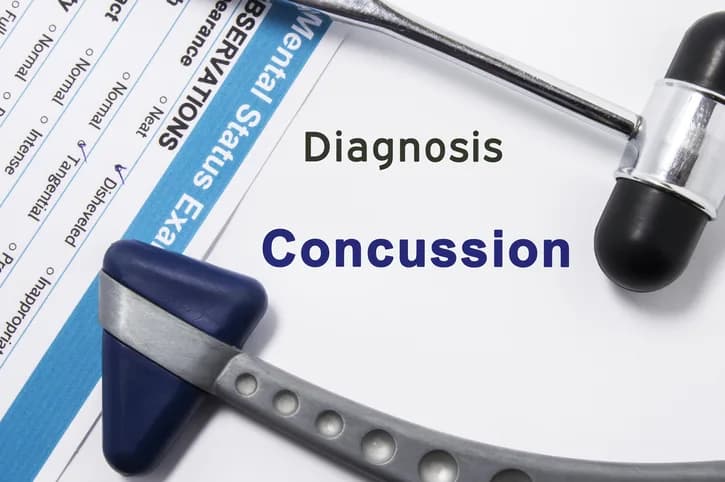
Concussion
Head injuries have received a substantial amount of attention in the media these past few years. What is it about concussions that has everyone so concerned? Extensive research and numerous practitioners have been investigating this issue, especially with focus on athletes who are exposed to high volumes of concussions. What are the long-term effects? How can you tell that you’ve had a concussion? What can I do to prevent an injury like this?
What happens with a concussion?
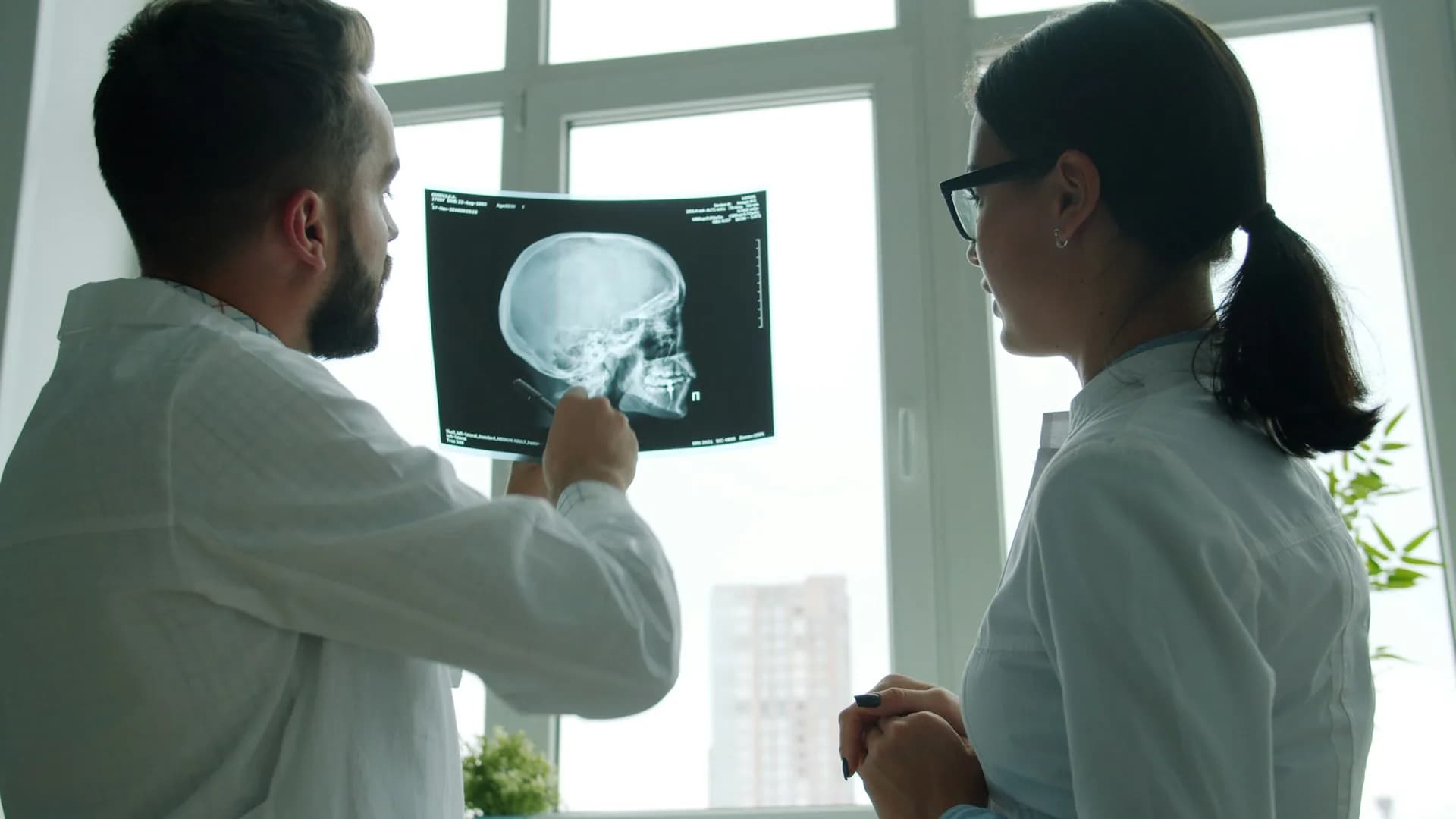
When enough trauma hits the head from an external source, your brain can move away from its safe, suspended space in the cerebrospinal fluid (CSF) and collide with your rigid skull. This damage causes chemical and metabolic changes in the brain cells, hindering their ability to communicate to the rest of the body. This trauma can exist to varying degrees and doesn’t always make itself clear, like a broken limb would be. Being educated on what the symptoms to what for is a vital step for the care of concussions.

Concussion Impacts on Health
Cognitive Motor Function
In a study done by De Beaumont and associates (2007), they assessed concussed athletes alongside the brain’s ability to give motor commands to the body. Their results indicated that people who were exposed to more severe concussions had greater abnormalities in their motor cortex functioning and experienced greater delayed motor responses. Severity of concussion was indicative of decrease in motor cortex function, effects which persisted past the event of the injury. They also found that subsequent concussions exacerbate the unfavourable effects of sport concussions.
Long Term Implications
Professional football players, along with other contact sport athletes, have been observed to show alarming symptoms similar to those of Parkinson’s disease (tremors, slowed movement, posture and balance deficits, slowed speech and writing). They also show deficits with memory and attention. Although these are observed in older athletes, the results are of people who haven’t been exposed to a concussion since young adulthood. With this in mind, studying professionals highly suggest that concussed athletes refrain from entering play until healed, as this exacerbates the potential negative effects and prolongs healing time.
Lassonde (2009) comments on the topic of their results, “This tells you that first of all, concussions lead to attention problems, which we can see using sophisticated techniques such as the EEG,” says Lassonde. “This may also lead to motor problems in young athletes.” The adverse effects on older athletes seem to be more pertinent with long-term investigations, Dr. Lassonde observes the cortex, “a thinning correlated with memory decline and attention decline.”
What to Watch For
Here are the major immediate onset symptoms of concussive injuries:
- Headache with pressure feeling
- Loss of consciousness
- Ringing in the ears
- Confusion or fogginess
- Temporary memory loss about traumatic event
- Vomiting
- Nausea
- Slurred speech
- Fatigue
- Delayed response to questions
In several cases, these symptoms may not be visible evident. It is important to watch a potential concussion hours to days after the collision. Delayed onset symptoms include:
- Inability to concentrate and retain memory
- Irritability and other personality changes
- Light and noise sensitivity
- Poor sleeping
- Depression
- Disorders of smell and taste
How to take care of a concussion
- Refrain from participating in any activities that could cause more trauma, overwork your heart or strain your brain
Immediate rest after the concussion is only necessary if your symptoms are really debilitating. Even here rest isn’t recommended for more than 48 hours. Resting requires that you don’t do anything physically or mentally taxing and prevent further exposure to head trauma. After that active rest is recommended and even light exercises to tolerance.
- Get assessed
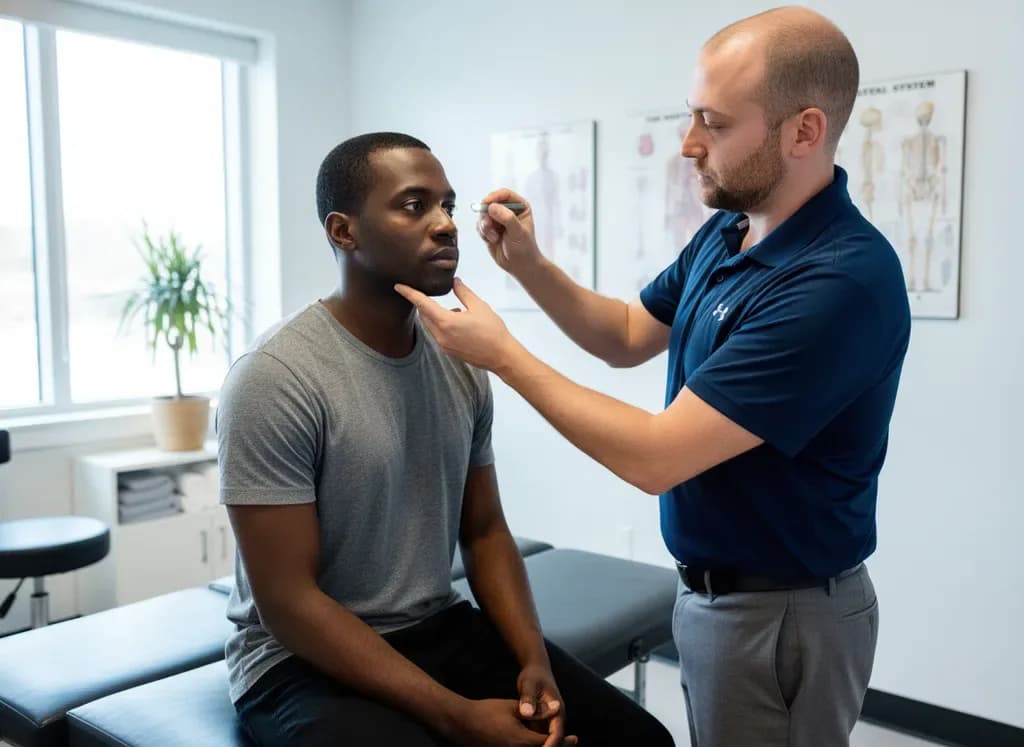
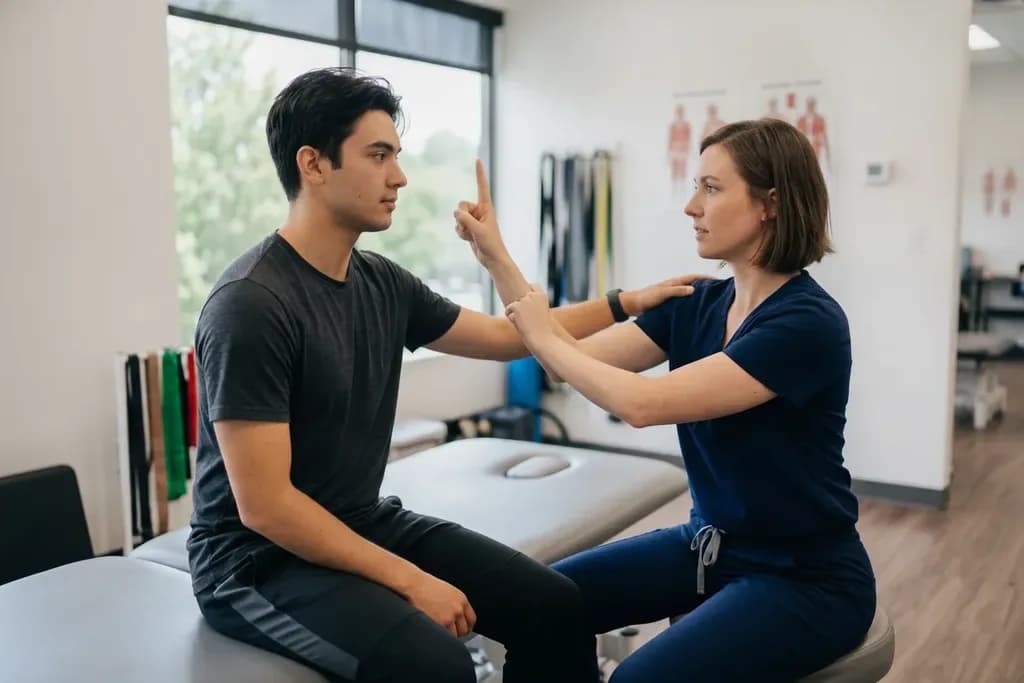
If any signs evident of being concussed, you should assume it is one until you are able to get a proper examination. Contact concussion certified clinics, like ours, to receive an assessment.
- Relax
If it causes your symptoms to get severely worse, don’t do it. A little bit of discomfort is generally okay. Post-concussion you should have no strenuous exercise unless told to do so, avoid lit screens (phone, television, etc) and get enough sleep daily. Although it is a popular misconception to just stay hibernating in a dark room, this is not the best form of recovery as it can lead to anxiety and depression, extending recovery time. Spend time with friends and family while monitoring these symptoms!
- Watch symptoms carefully
Note your experiences, your feelings about them and the severity of your symptoms. This is important information to monitor for your doctor.
- Stay positive!
Most people recover in a couple weeks after a concussion and it can just a temporary setback when treated properly.
Although concussions are a serious matter, they can be combatted by prevention and awareness. Proper diagnosis of this injury helps the recovery time vastly and immediate recognition will help in avoiding potential greater damages. Follow-up with Back in Balance Clinic for an assessment of any concussion you’re wary of. If you’re not sure, get assessed anyways! There is no harm in taking extra care. Head injuries can be serious, but have a much better chance at a full recovery when taken care of in good time.
Book your concussion assessment here
References
- De Beaumont, L., Lassonde, M., Leclerc, S., & Théoret, H. (2007). Long-term and cumulative effects of sports concussion on motor cortex inhibition. Neurosurgery, 61(2), 329-337.
- De Beaumont, L., Theoret, H., Mongeon, D., Messier, J., Leclerc, S., Tremblay, S., … & Lassonde, M. (2009). Brain function decline in healthy retired athletes who sustained their last sports concussion in early adulthood. Brain, 132(3), 695-708.
Related reading: Why See a Toronto Chiropractor When You Have Post-Holiday Aches.