

Many people don’t realize that their seemingly harmless desk jobs might be doing more harm than good to their spines. Spending hours sitting hunched over a computer can contribute to discomfort and health problems that sneak up quietly. In Toronto, where many professionals work long hours at a desk job, these issues can become even more pronounced. Understanding how this daily routine affects spinal health is key to finding relief.
Picture yourself sitting at your desk in Toronto’s downtown core. The workday passes with little movement beyond reaching for a coffee cup or juggling a computer mouse. Routine tasks can be surprisingly harmful to your spine, leading to problems like back pain and neck aches. With some awareness and slight changes, you can protect your spine while handling your daily responsibilities.
The Hidden Dangers of Sitting All Day
Sitting might seem comfortable, but when it’s for long stretches, your spine doesn’t enjoy it. Staying in one spot can change the natural curve of your spine, putting added pressure on certain areas. Over time, this can lead to chronic pain and stiffness that doesn’t just disappear once you stand up.
Long-term effects of sitting all day are more serious than one might think. Muscles can tighten, joints may become less flexible, and even your circulation might slow down. When your body isn’t moving enough, these small problems can add up into something bigger.
Taking breaks for movement, even just a quick walk to the water cooler, can significantly reduce the risks associated with extended sitting. Integrating small movements throughout your day helps fend off long-term spine issues and maintains your overall well-being.
Recognizing the impact of your work habits is the first step to better spinal health. With awareness and a proactive mindset, you can work towards a more balanced and pain-free work environment.
Common Spinal Issues for Desk Workers
When you sit for long hours, it’s typical to develop certain spine-related issues without even realizing it. The most common complaint is lower back pain and specifically disc pain, which often comes from poor posture or not having enough support under your lower back. Then there’s neck stiffness, often tied to leaning forward to look at a screen or cradling a phone between your shoulder and ear. Over time, these daily habits can cause muscle tightness, limited range of motion, and ongoing discomfort.
Poor posture doesn’t always feel like a serious problem, but it can sneak up on you. Sitting with your shoulders slouched or your head tilted forward can slowly change your spinal alignment. Something as simple as working on a laptop at the wrong height can cause tension in your neck and upper back. If you’ve ever stood up after a long Zoom meeting and felt stiff or achy, you’ve experienced one part of the problem.
Some workers even report tingling or numbness in their arms or legs. That can happen if nerves in your spine get irritated or compressed. For example, sitting cross-legged all day might irritate nerves in your lower back or hips without you noticing until those symptoms start to show up.
It’s easy to brush these aches off as just part of getting older or dealing with a busy workday. But they’re often signs that your body’s trying to tell you something. Paying attention early can help stop problems from worsening.
Practical Tips for Protecting Your Spine at Work
Making a few small upgrades to your workspace and habits can do a lot for your spine. A comfortable and supportive setup goes a long way. But it’s not only about your desk and chair. It’s how you use them that makes a difference.
Here are a few smart changes to get started:
- Keep your feet flat on the floor with your knees at a 90-degree angle
- Use a chair that supports the natural curve of your lower back
- Adjust your screen so your eyes look straight ahead, not down
- Take quick stretch breaks throughout the day, even if it’s just for a minute or two
- Try to stand up at least once every hour. Walk around or roll your shoulders to reset your posture
These tips sound simple, but they’re easy to forget when you’re deep in work. To help build better habits, set reminders or pair stretch breaks with routines like grabbing a coffee or checking email. The key is to keep moving and avoid sitting in one position for too long.
How a Chiropractor in Downtown Toronto Can Help
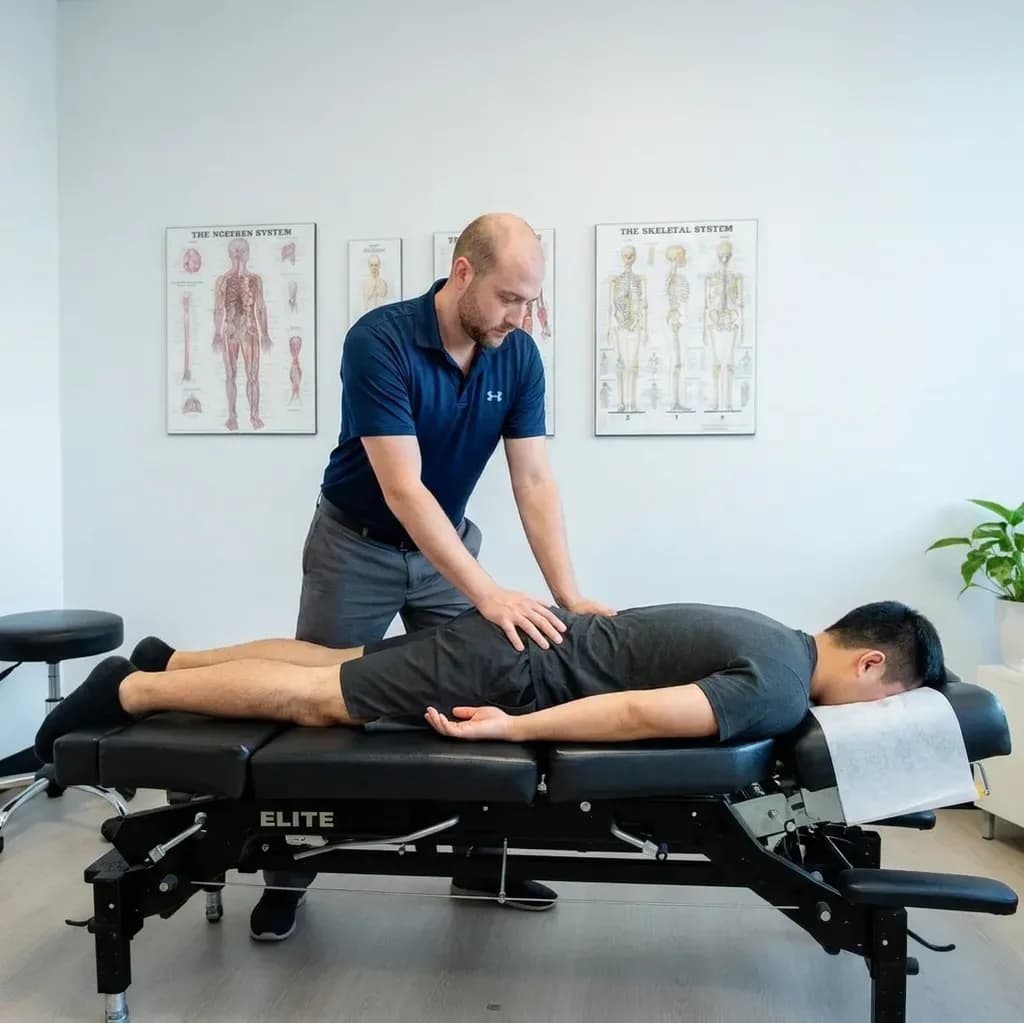
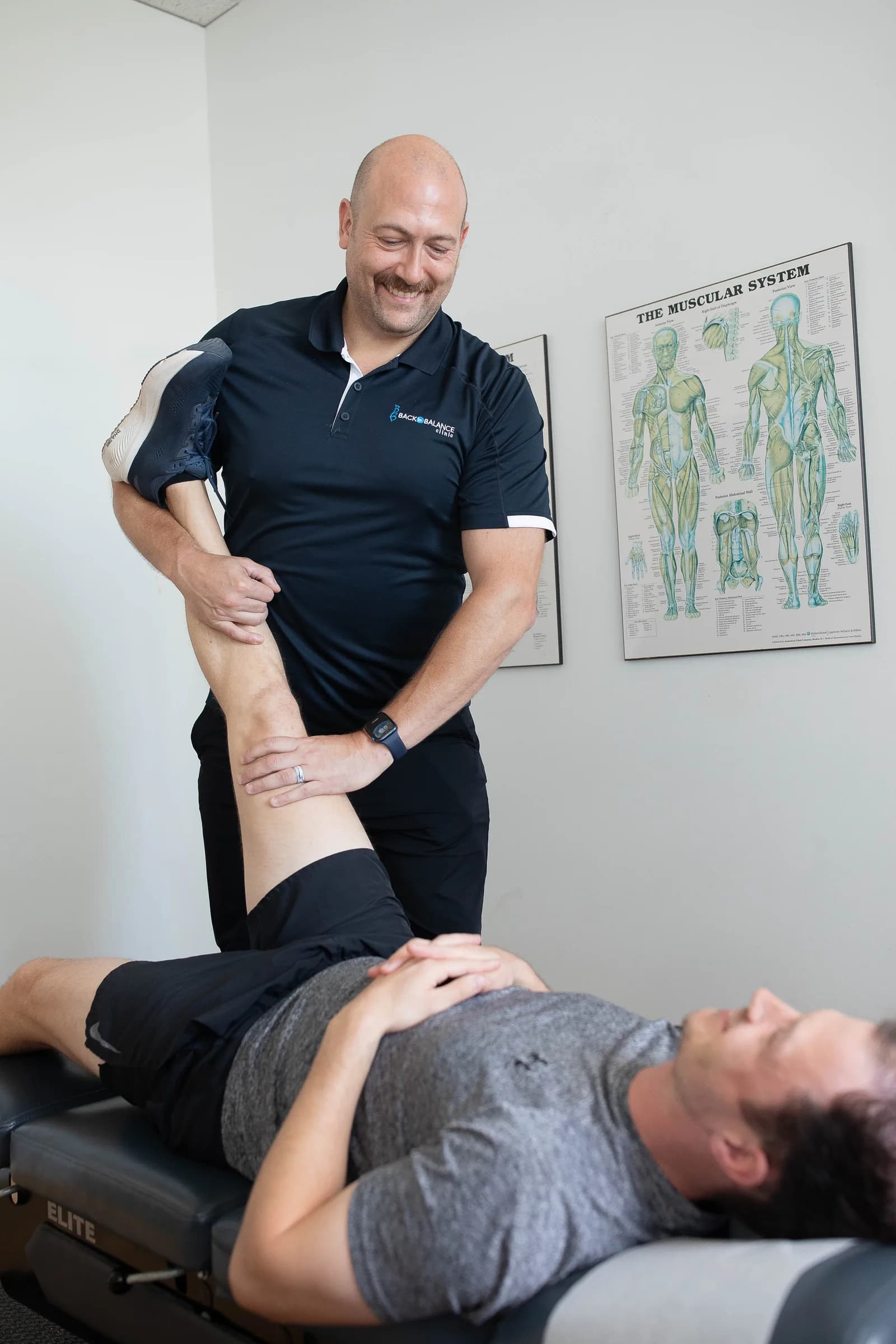
If you’ve tried basic changes but still feel that nagging stiffness in your back or neck, professional chiropractic care can help. Chiropractors are trained to understand how the spine functions and how everyday habits like desk work can throw things off balance.
A chiropractor in downtown Toronto can assess how your posture, screen height, and chair setup might be affecting your spine. They can help relieve tension, improve mobility, and suggest small changes that add up over time.
Manual adjustments aren’t the only thing they offer. Many clinics include therapies like stretches, guided exercises, or soft tissue work that can support your spine and the muscles around it. These guided sessions are especially helpful if you’ve started to feel symptoms like tingling or sharp pain.
Getting help sooner rather than later is the best way to avoid long-term damage. When your body is properly supported, it’s easier to focus, feel more productive, and stay comfortable during those long work hours.
Bring Balance to Your Work Life
Spending hours at a desk doesn’t have to mean aches, pinches, or stiff joints. With the right setup, movement routines, and professional guidance when needed, you can stay ahead of the damage and feel better in your body. Small discomforts today can lead to frustration down the line if they’re ignored, so don’t wait for pain to make you act.
Your spine works hard to hold you up, day in and day out. Taking a little time to care for it during the workweek is one of the best ways to protect your health, now and in the future.
If your workday habits have taken a toll on your spine, it might be time to explore how a trusted professional can help get things back on track. Learn how a registered chiropractor in downtown Toronto can support your posture and keep you moving comfortably by booking a visit with Back In Balance Clinic today.
Related reading: How Motor Vehicle Accident Rehabilitation Works in Toronto.