
Kids and teens who play sports tend to move more than others their age, which is great for their growth and confidence. But more movement can also mean more risk for injury, especially when they’re still learning how their bodies work. A hard fall, a twisted ankle, or even just playing the same sport every week can start to wear on young joints and muscles.
That’s where support from a sports injury chiropractor can help. With care that focuses on how the body moves, heals, and builds strength over time, young athletes have a better chance of staying active without pain holding them back. We focus on helping kids bounce back after injuries and move with more comfort and confidence every time they return to play.
How Injuries Can Happen in Youth Sports
Playing sports is fun and healthy, but it’s also full of quick turns, awkward landings, and the kind of slips and slides that can lead to trouble. For young athletes whose bones and joints are still growing, these moves can add up faster than expected.
- Common injuries include ankle sprains, pulled leg muscles, sore necks, and tight shoulders
- Low back pain can show up, especially when kids are sitting in school all day, then jumping straight into practice
- Kids might not always speak up when something feels off, so small issues can hang around longer than they should
Winter activities in Toronto, like hockey, figure skating, or indoor soccer, put pressure on different parts of the body. Cold muscles tend to tighten faster, and sudden changes from warm indoor settings to chilly outdoor air can also make stiff spots feel worse. When kids have that transition between indoors and outdoors, it’s easy for their muscles to become tighter than usual. Add the weight of winter clothes or slippery sidewalks, and movement can get tricky. That’s why checking in on physical stress early, before it turns into a bigger issue, can make a real difference. For more ideas on improving safety, here are 4 tips for keeping young athletes saf
Sometimes the way a child lands on the ice, twists during soccer, or just carries a backpack home can spark early warning signs of trouble. That’s when it helps to pay extra attention to how kids say they feel during or after their active sessions. If they mention a new ache, a sharp twinge, or you notice them limping, it’s time to step in gently.
What a Sports Injury Chiropractor Actually Does
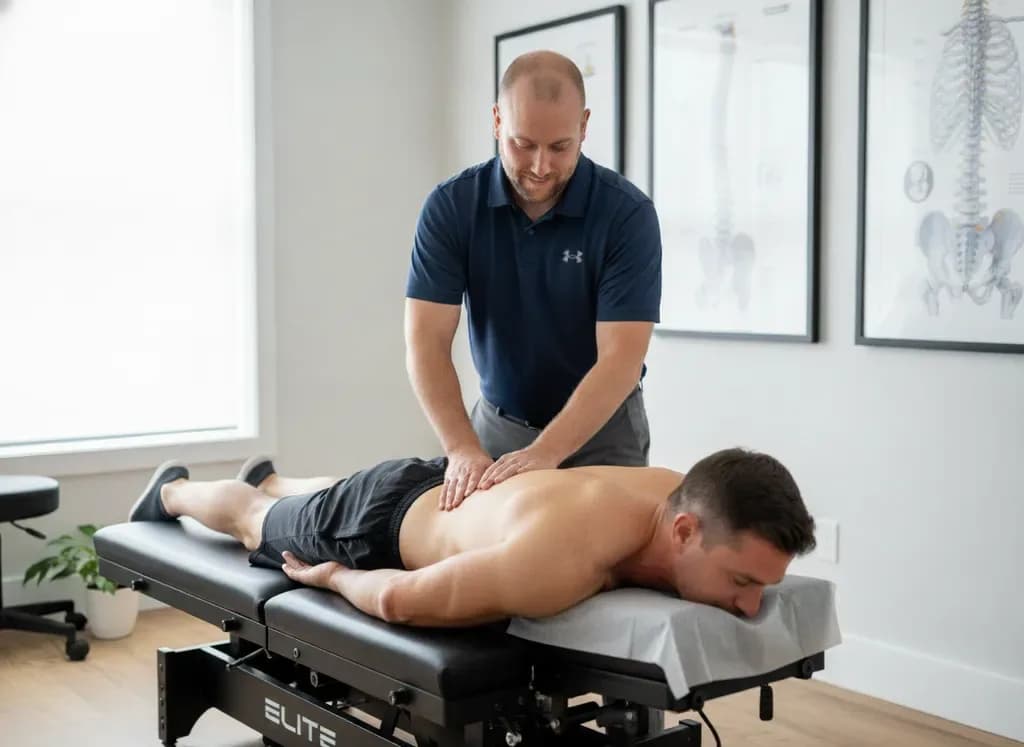
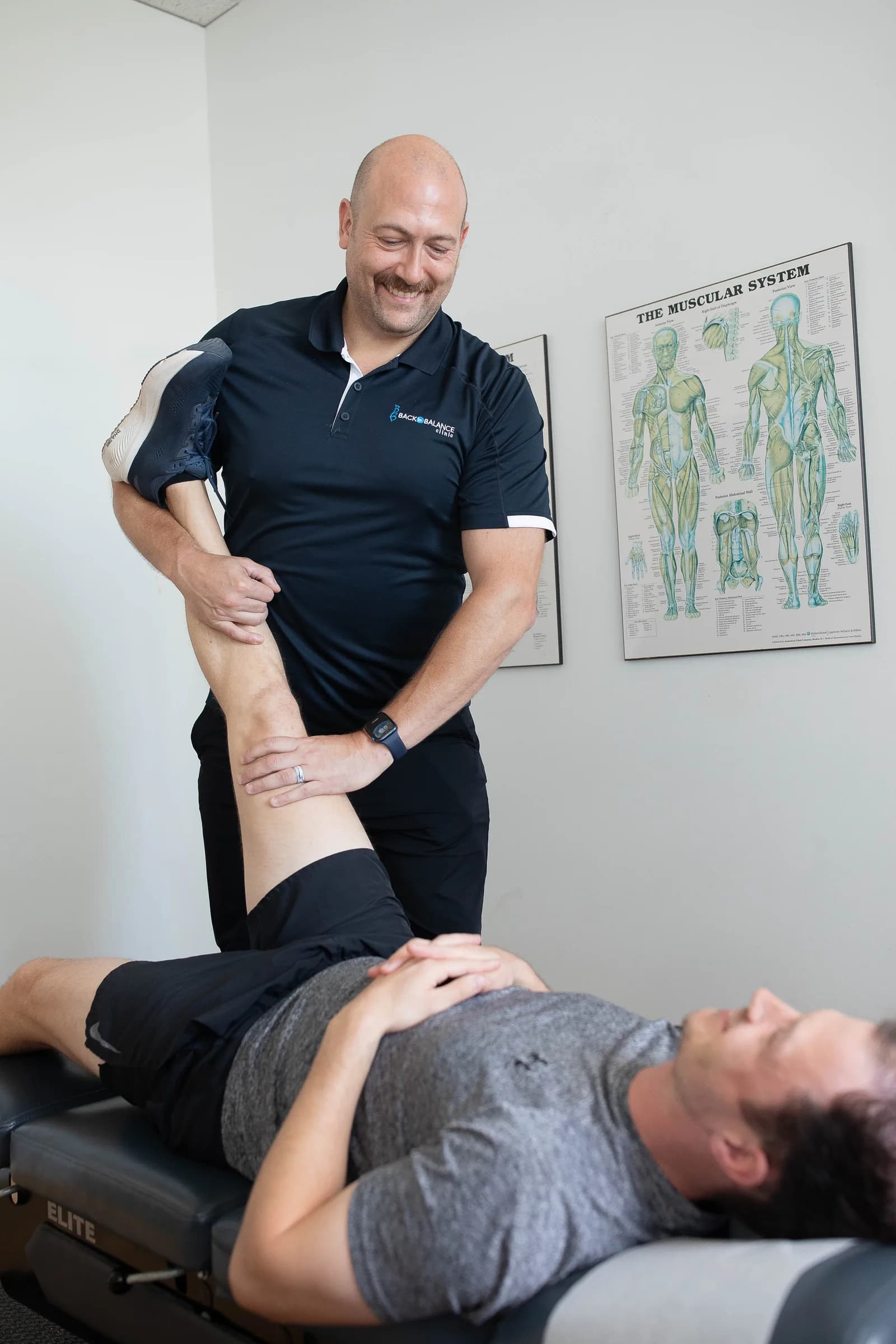
When we work with young athletes, the first step is always to see how they’re really feeling. We don’t just look at the sore spot. We check how the whole body moves, from the neck down to the feet. Sometimes pain in one place is caused by tightness or weakness somewhere else completely.
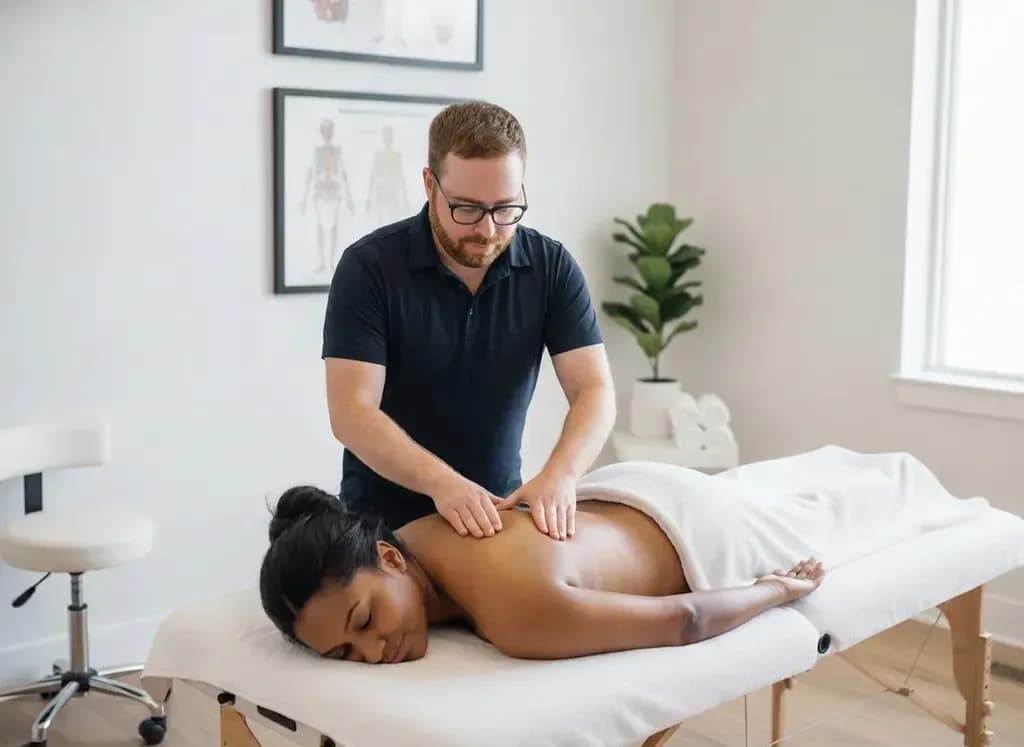
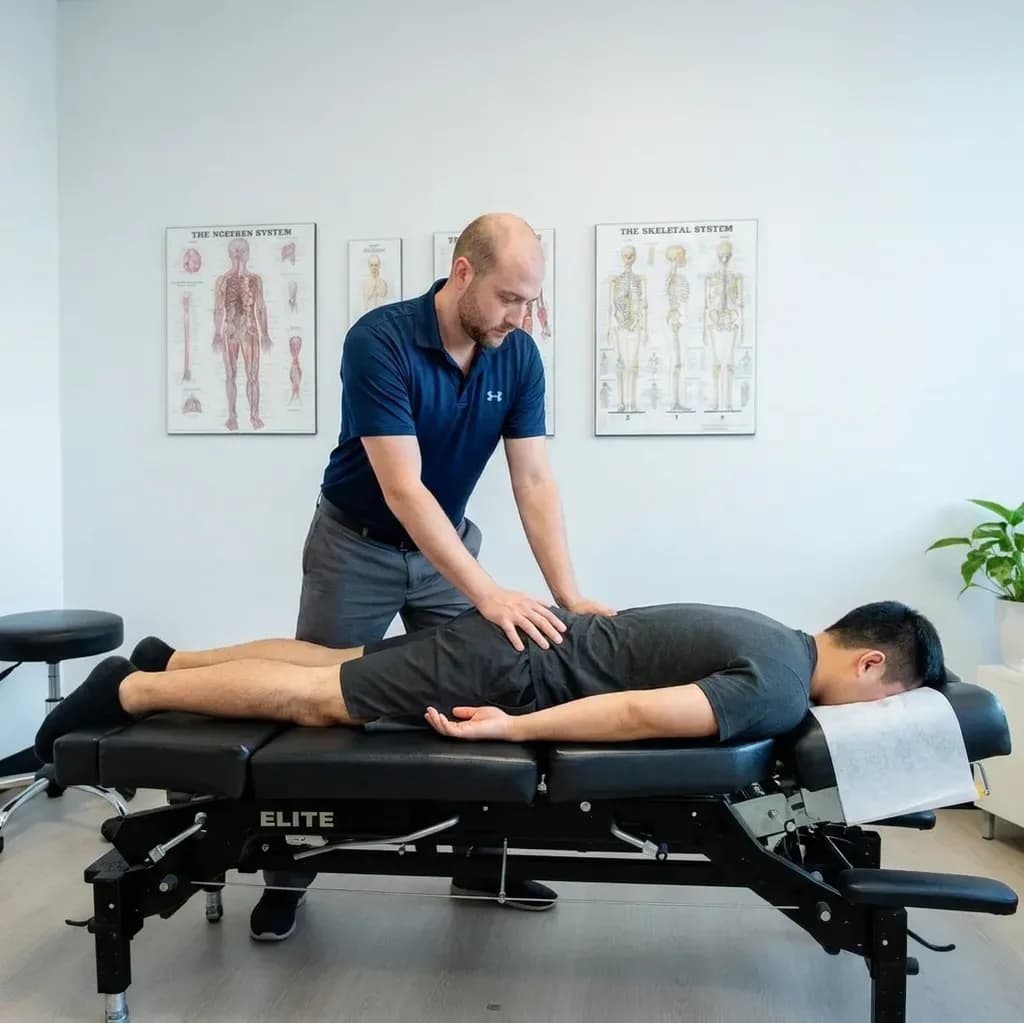
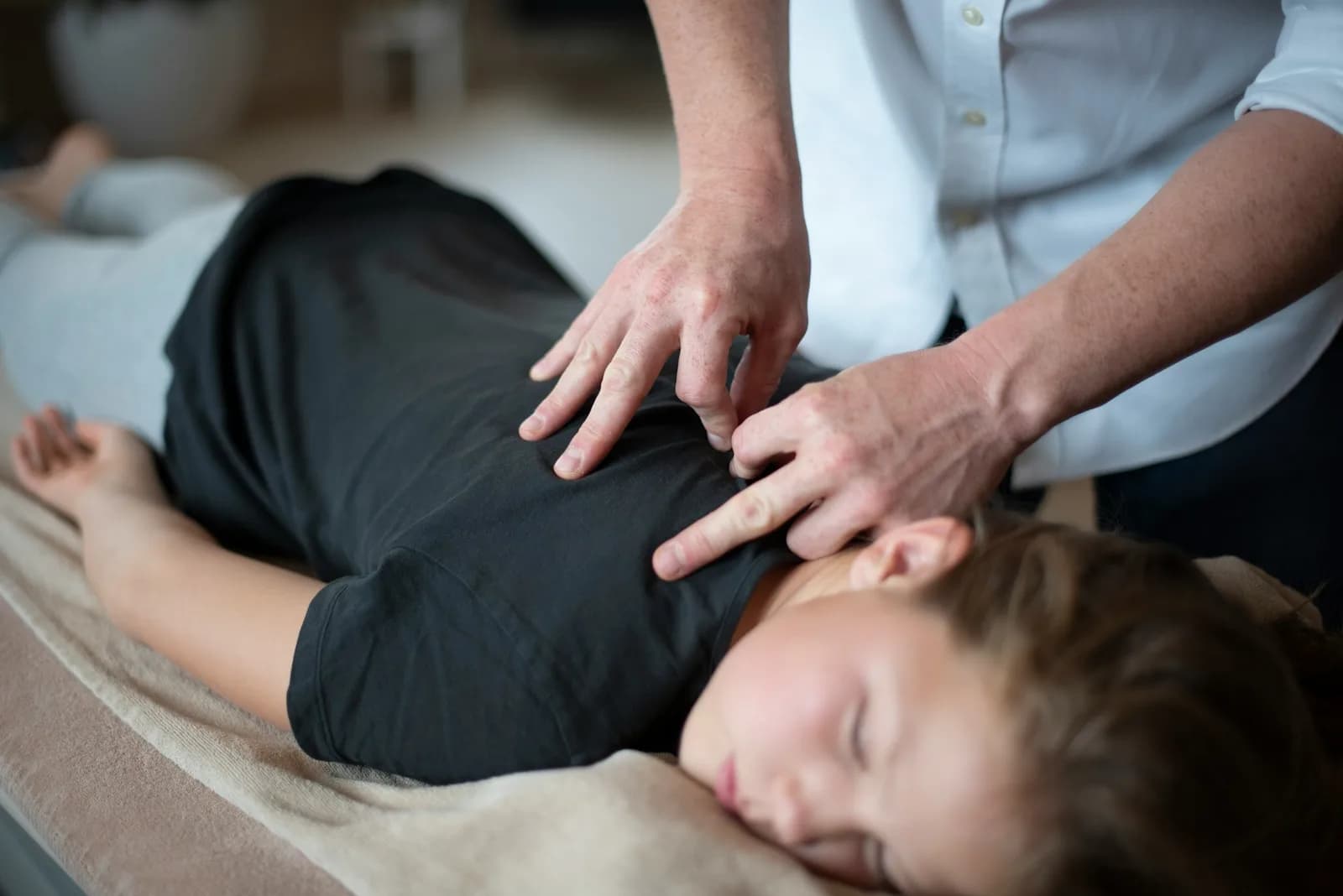
Once we get a sense of where things are off, we use hands-on care to gently work with the body. This might mean loosening up tense spots, helping joints move more freely, or guiding muscles back toward their normal range. We go slowly and pay close attention to how each child responds. Their comfort matters just as much as the results.
Everything we do is measured and supportive, especially with younger kids. Care is always gentle and adapted to their age, activity level, and how their bodies are developing.
We also like to talk through each step, so kids and parents know what’s happening and why. It’s normal to feel a little nervous about treatment, but the focus is always on keeping kids comfortable and confident. We explain movement patterns, help spot things to practice at home between visits, and talk about which part of the body needs more attention.
Why Chiropractic Help Can Make a Difference
When a young athlete gets hurt, all they usually want is to feel better and get back to the sport they love. Our job is to help them do that safely, without rushing the healing process. Getting the right care early on can cut down on pain and help the body recover more evenly.
Chiropractic support helps with more than just fixing the current issue. It also teaches better movement habits. Many injuries in sports happen because joints or muscles aren’t working together the way they should. We help kids learn how to move in ways that protect their bodies. This helps with healing after an injury, and lowers the chances of more injuries down the road.
- Care supports healthy posture, balance, and flexibility during growth
- Treatment encourages smoother coordination between muscles and joints
- Addressing small issues early often prevents larger problems from setting in
We’ve seen how paying attention now can save kids from months of discomfort later, especially during seasons when they are playing often or trying new sports. For more insight, check out this article about sports-related injuries among high school athletes.
Sometimes, during a busy sports season or after a growth spurt, kids might feel aches that come and go. Being able to talk to a professional who understands youth bodies helps kids and families know what’s normal soreness and what might need extra care. It brings peace of mind and keeps parents from wondering if they should wait it out or get help sooner.
How Ongoing Support Helps Recovery and Sport Confidence
Just because the pain is gone doesn’t mean the body is fully healed. After an injury, muscles may have changed how they move to avoid discomfort. Over time, that kind of compensation can create new trouble spots if left unaddressed.
That’s why we often continue working with young athletes over several visits, making sure that everything feels right again, not just pain-free, but strong and steady. Ongoing care allows us to spot anything new early and guide kids toward safe movement as they return to regular play.
- Continued care builds strength and flexibility after healing
- Movement checks help spot poor habits that could lead to reinjury
- Support keeps kids aware of how they’re using their bodies as they grow
During the colder months, when many kids move less outside, indoor training or sitting for long periods can introduce other types of strain. With shorter days and drop-offs between practices, it’s easy to overlook tightness or low energy. A little added support during these times can help young athletes stay in a good rhythm, both physically and mentally.
It can also help their confidence. Once kids start to feel stronger and more aware of their bodies, they often try new activities or push themselves with more courage. As they recover, learning good body awareness keeps them positive and motivated through setbacks. Checking in regularly gives families a chance to ask questions and track progress, so everyone feels involved in recovery and new activity.
Keeping Active Kids Moving Safely All Year
Every child is different, just like every sport. What works for one growing body won’t always be right for another. That’s why our care always adapts to how each young athlete is feeling and moving in that moment.
By seeing a sports injury chiropractor, families can better support not just recovery, but growth, strength, and safe play in every season. It’s not just about getting back onto the ice or field faster. It’s about showing kids how to listen to their bodies, trust their movements, and play with confidence from head to toe.
Winter in Toronto can slow people down. But with the right approach, active kids don’t have to lose their momentum. A little focused care goes a long way in keeping movement smooth, recovery steady, and energy strong through every part of the year. Adding options like sports massage to their routine can also help ease tight spots and support healing in active muscles.
Taking the time to rest, recover, and strengthen the body means each season can be healthy and safe. Talk with kids about what feels right and what feels off, and encourage them to speak up, both about pain and about what’s going well. The habits they build now support healthy movement later, both on and off the field.
Every young athlete deserves support that helps them move better, not just heal faster. At Back In Balance Clinic, we take time to understand how each body is growing and changing, especially during active seasons like winter in Toronto. Seeing a sports injury chiropractor early can guide recovery and help prevent pain from coming back. If your child is dealing with soreness or has had a recent injury, contact us to talk about what care could look like.
Related reading: How Motor Vehicle Accident Rehabilitation Works in Toronto.