
When winter settles into Toronto, it doesn’t just affect roads and rooftops. It affects us too, our routines, our energy levels, and often, our bodies. For many, the season brings a big change in how the spine feels and functions. Cold air, icy sidewalks, and less movement all make it easier for back pain or stiffness to show up.
That’s where advanced spine care in Toronto becomes especially helpful. It’s about more than getting treatment for sore muscles or an aching back. It means understanding how this season affects movement and making sure people can keep doing their everyday activities without feeling worn down or held back. Whether someone’s commuting to work downtown or just trying not to slip on the way to the grocery store, the spine is often doing more work than they realize.
Let’s look at why winter can be tough on the back and how proper spine care can make a big difference through the cold months.
Why Winter Is Tough on Your Spine
Cold weather has a way of locking muscles up. The chill in the air can make joints feel tighter and old injuries more noticeable. Even those who feel fine during spring and summer often notice more discomfort in their lower back, neck, or shoulders when the temperature drops.
- When we spend more time indoors, sitting for long hours, the spine doesn’t get the movement it needs to stay strong and flexible
- Snow shovelling, winter sports, and icy sidewalks raise the risk of sudden injuries, especially if muscles are cold or not warmed up properly
- Heavier winter coats can pull on the neck and shoulders, shifting our usual posture without us even noticing
These changes might seem small, but they add up quickly. That’s why spine care is often needed more in winter. When we understand what’s causing extra strain, we can start helping people feel better with the right kind of care.
How Spine Care Looks Different This Time of Year
In the colder months, some common spine issues become more noticeable. We see more cases of tight lower backs, neck tension, and shoulder discomfort, especially from people who are indoors most of the day or who have to walk on slippery, uneven pavement outside.
Because of this, spine care often shifts slightly to match the season. Here’s what tends to change:
- There’s more focus on warming up the body before making any adjustments, stretches, or soft-tissue work
- Posture becomes a bigger conversation, especially with people who wear heavy boots or jackets and sit for long stretches
- Winter activities, like shovelling or carrying groceries on icy sidewalks, are talked about more directly so new injuries can be avoided
Spine support isn’t one-size-fits-all. Each season has its own patterns, and winter definitely brings some extra roadblocks. It’s all about noticing them early and helping the body move through them in a safe, steady way.
What Real Advanced Spine Care Includes
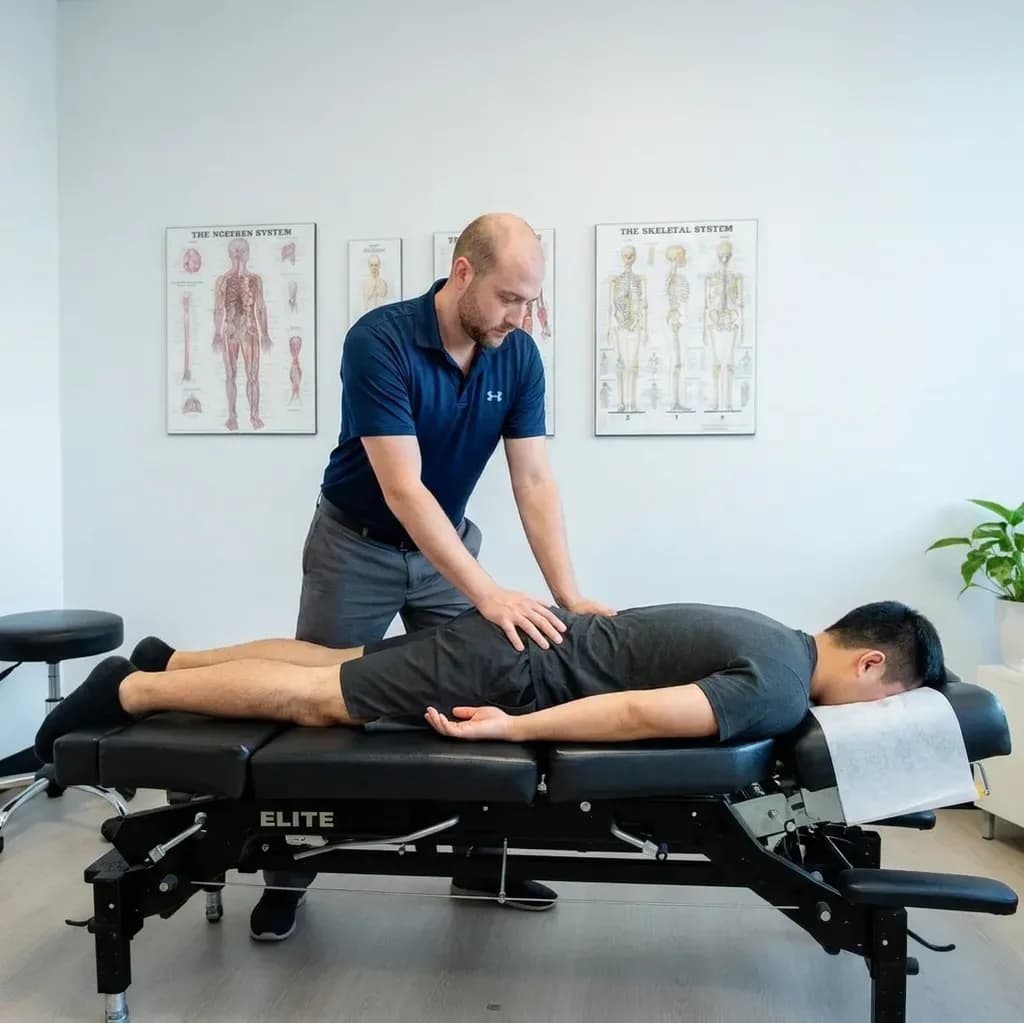
We often get asked what advanced spine care really means. It doesn’t have to sound complicated. At its heart, it means giving hands-on, thoughtful care that looks at how a person moves, where they feel limited, and what their day-to-day life is asking of their body.
Advanced spine care in Toronto often involves:
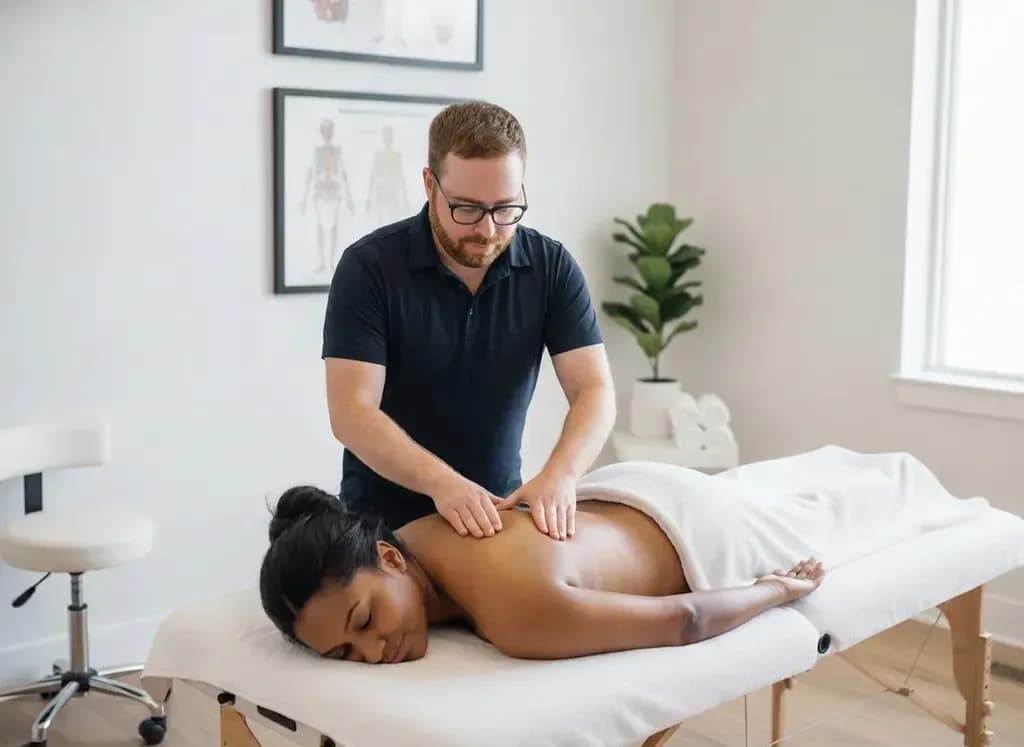
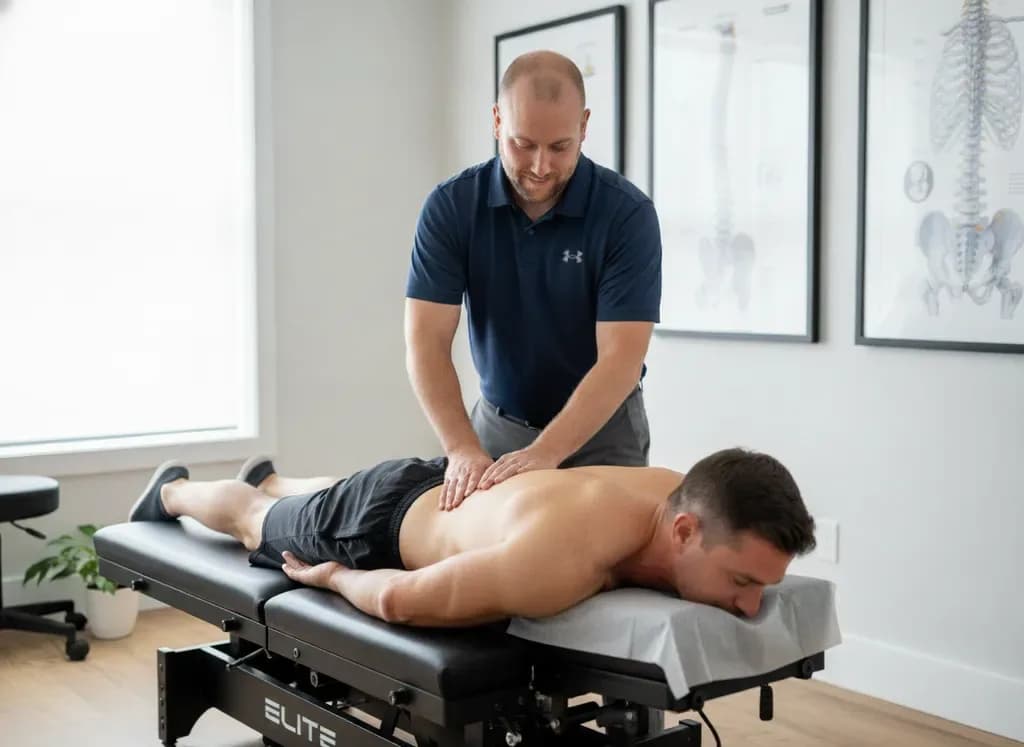
- A mix of therapies working together, like chiropractic care, massage therapy, or other manual techniques
- Focusing not just on pain relief, but on improving how the whole body moves and feels
- Personalized plans that respect how people live, helping them get back into routines even during the winter freeze
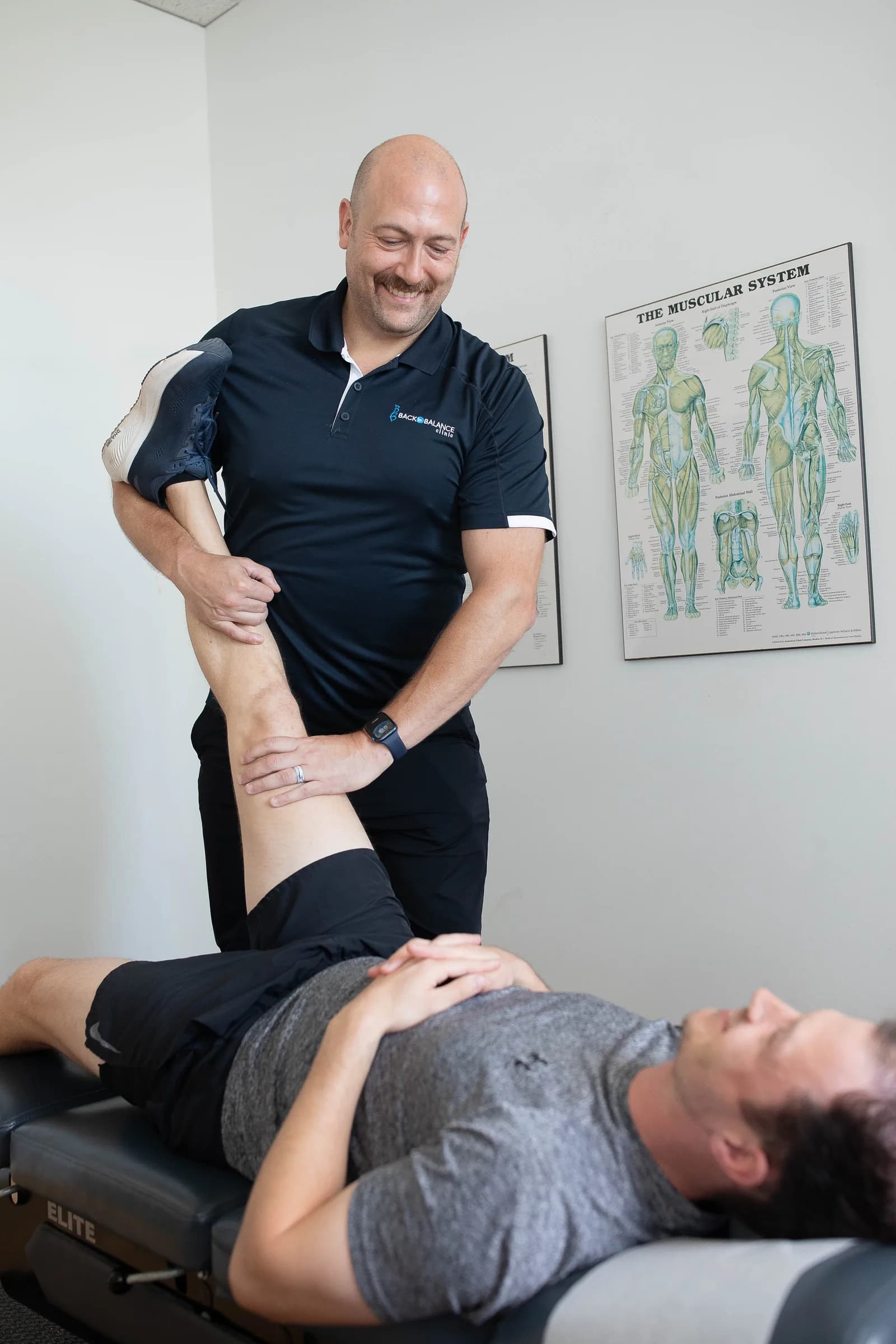
At Back In Balance Clinic, modern chiropractic adjustments are combined with techniques such as soft tissue therapy and individualized exercise prescriptions to give patients support for their unique needs. These therapies are always evidence-based and designed to help address current pain or stiffness, and to support overall movement and recovery.
For example, we might pair soft-tissue work with quick posture advice for someone who spends long hours hunched at a desk, bundled in scarves and coats. Or for someone recovering from a slip on the ice, care may start slow and build over time to support full recovery. Every plan is a bit different, because no two spines or schedules are exactly the same.
Everyday Situations Where Spine Support Helps
Spine care doesn’t always mean a big injury. Often, people feel uncomfortable for smaller reasons tied to winter life. Some of the more common situations we support in this season include:
- Office workers dealing with stiff backs after long streetcar rides followed by hours at a desk
- People who’ve taken a small fall on the ice, feeling sore but not always recognizing they need some recovery time
- Weekend skiers or walkers who try to stay active in the cold but end up feeling extra tension or fatigue afterward
Even minor aches and pains can build up if you ignore them for too long. Small steps early in the season can protect your back and help maintain healthy movement throughout winter.
Practical Prevention and Recovery in Downtown Toronto
Toronto winters present unique challenges for working professionals and active residents. We are experienced in helping people prevent injuries before they become major issues, using assessment tools and multi-modal therapies. From teaching gentle corrective stretches to offering guidance on desk ergonomics and winter footwear, we help reduce the impact of cold weather habits on your back.
By taking a proactive approach, including regular check-ins and manual therapy as needed, it’s easier to recover from small problems and get back to regular routines. This kind of support builds resilience, making it easier to handle the demands of city life through the coldest months.
Keeping Your Back Healthy All Winter
Cold air and icy sidewalks can make winter tough on your back, but Back in Balance Clinic is here to help. Our approach blends thoughtful movement, seasonal care, and targeted recovery strategies, made to support you when snow and cold settle in. See how we use advanced spine care in Toronto to keep you moving comfortably through the winter months. To schedule an appointment or ask us questions, connect with us today.
Related reading: How Motor Vehicle Accident Rehabilitation Works in Toronto.