
What happens?
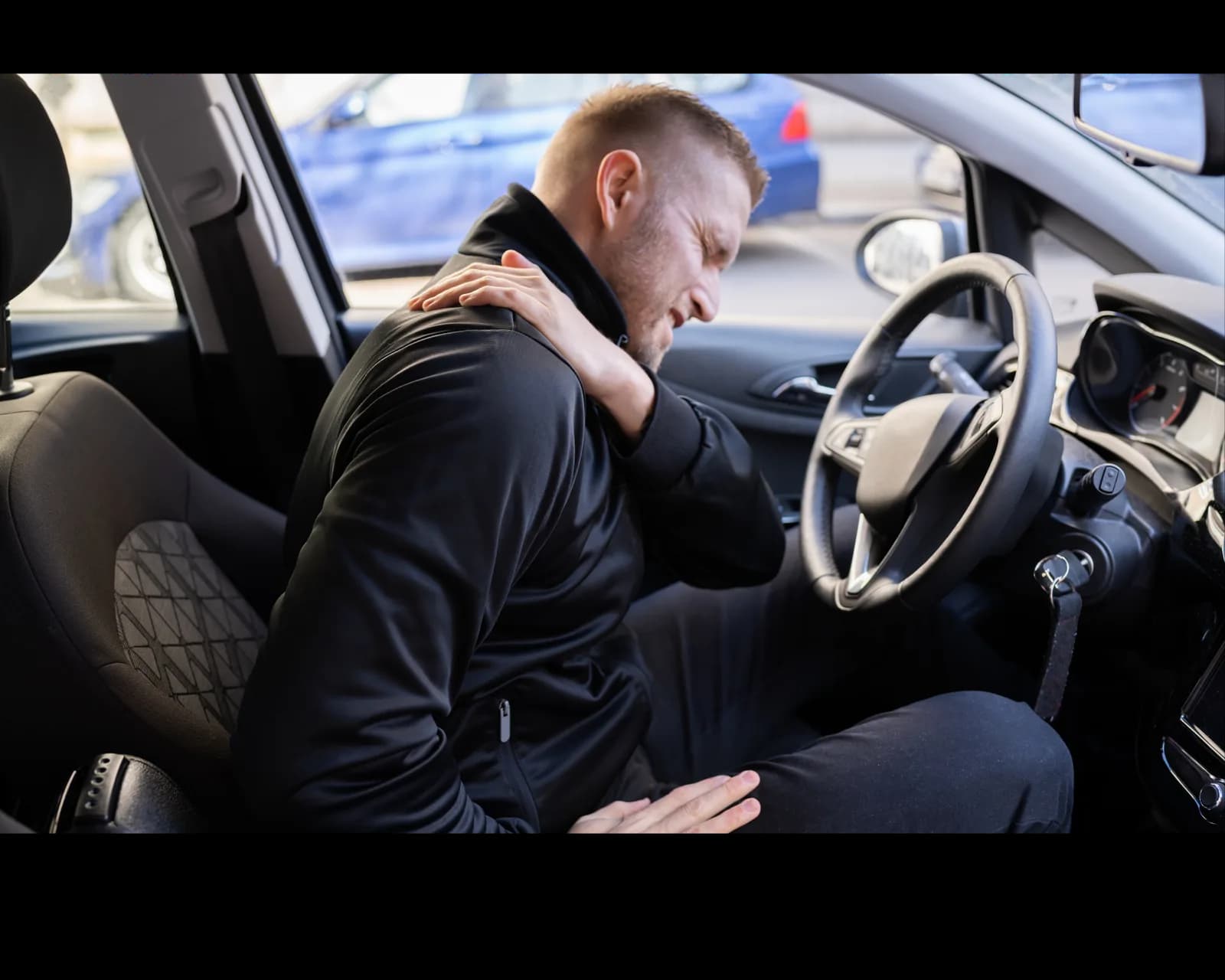
The term whiplash describes any indirect neck injury to the cervical spine, excluding fractures. The most common reason behind a whiplash injury is a rear-end collision between two cars. Rear-end collisions are related to more severe symptoms versus collisions from any other side. The severity of a whiplash injury depends on the magnitude of the differential velocity between the head and the upper torso. This difference in velocity causes the joint between the head and neck and the joints of the upper neck (cervical spine) to hyperextend (head jolts back) and then hyperflex (head whips forward). This trauma can lead to:
- Intense neck pain and stiffness
- Loss of range in motion in the neck
- Headaches that start in the base of the skull
- Tenderness in the shoulders, upper back or arms
- Tingling or numbness in the arms
If the velocity difference between the neck and upper torso can be reduced, the negative effects can also be minimized. Meaning, vehicle accidents at lower collision speeds can lower the adverse effects of whiplash. If a moving car hits your immobile car, you can still feel the effects of whiplash.
Risk Factors
Collision direction
Although any type of collision could lead to a whiplash injury, the odds are much higher when the impact comes from behind. A study investigated people in rear-end crashes are subject to more diverse neck movements upon the crash. They experience a rapid change in direction of the head within milliseconds. It should also be noted that rear-end collisions often result in the head striking the car chair head restraint, leading to more adverse effects.
Impact by greater masses
Generally speaking, the degree of whiplash injury increases as the relative difference in mass between the colliding vehicles increases. A vehicle with a larger mass will transfer more energy against a smaller vehicle, the occupants of the smaller vehicle are significantly at more risk to get injured.
Positioning of head restraint
The more effective and safe way to have the head restraint placed is at the center of gravity of the occupants head, approximately at the level of the top of the ears. A position lower than this will increase the risk in neck damage. The height of the occupant could increase the likelihood of whiplash, as the head restraint would be too low for taller people. Keeping this in mind, it’d be wise to have a head restraint capable of protecting the heads for all heights of passengers regularly in your vehicle.
Rehabilitation
If the proper rehab is implemented, many moderate whiplash injuries will heal within four to nine months. Unfortunately, of those who suffer from whiplash injuries more than 20% of will continue to feel pain, weakness and restricted movement up to a couple years after their accident, if not for the rest of their lives. There are some important steps to take in rehabilitation so this injury does not become permanently debilitative.
Get evaluated
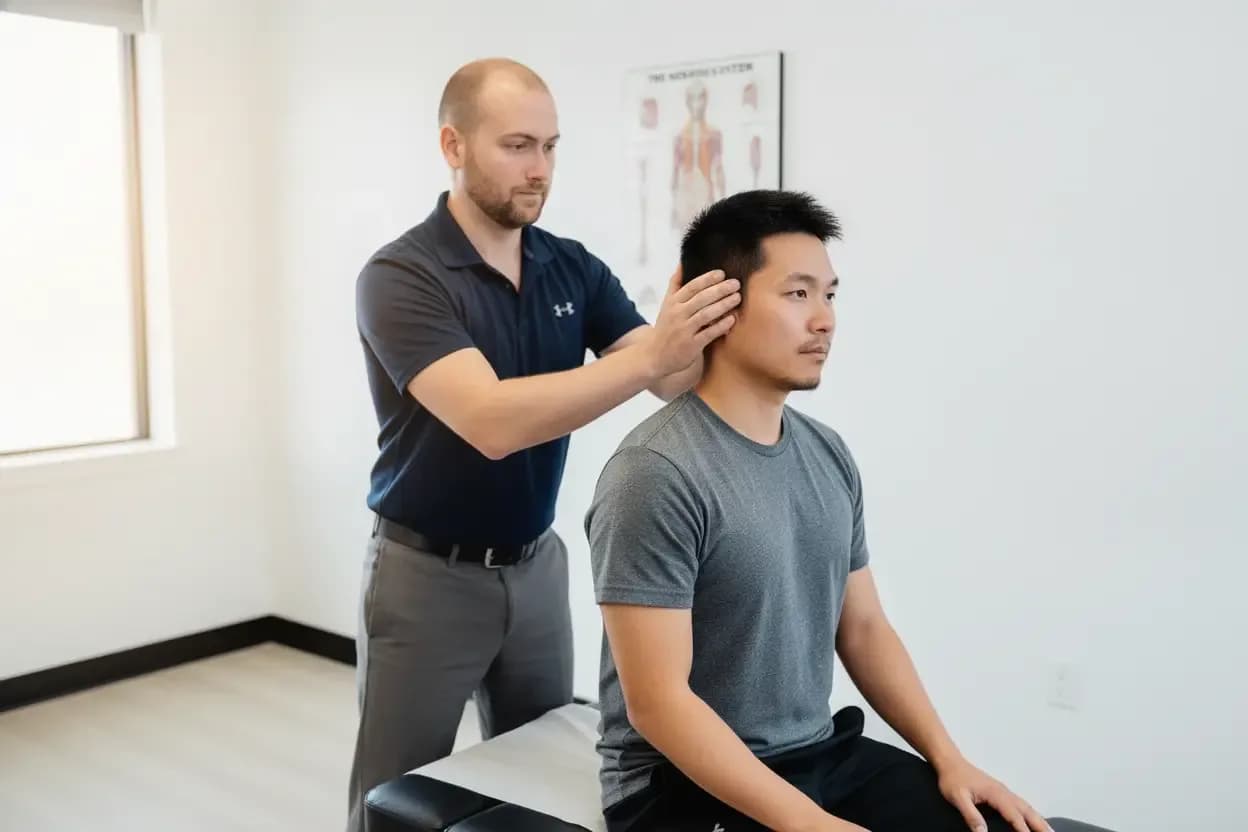
Whiplash injuries affect the soft tissue in the cervical area, which consists of over 100 muscles and ligaments, so damage can be difficult to look at objectively. It’s important to get an initial assessment of mental state, bruising and any local swelling. Your chiropractor can do a thorough observation so that you may get a personalized treatment plan and exercise recommendations, based on your individual capabilities.
Rest and protect
The cervical spine has just been under some heavy trauma and needs to be supported. Consider investing in a cervical collar, a cervical support pillow and also using cold packs to reduce any swelling. Good cervical collars are an important element in care. A design that is in a semi-flexed position is ideal for support when swelling and pain is present. Pillow selection has high importance in order to provide support. Conventional pillows can create pliable deformations and increase further risk of permanent instability in the neck. Specialized pillows that support the natural curve in your neck (lordotic curve) and instill the proper positioning are ideal.
Introduce mobility
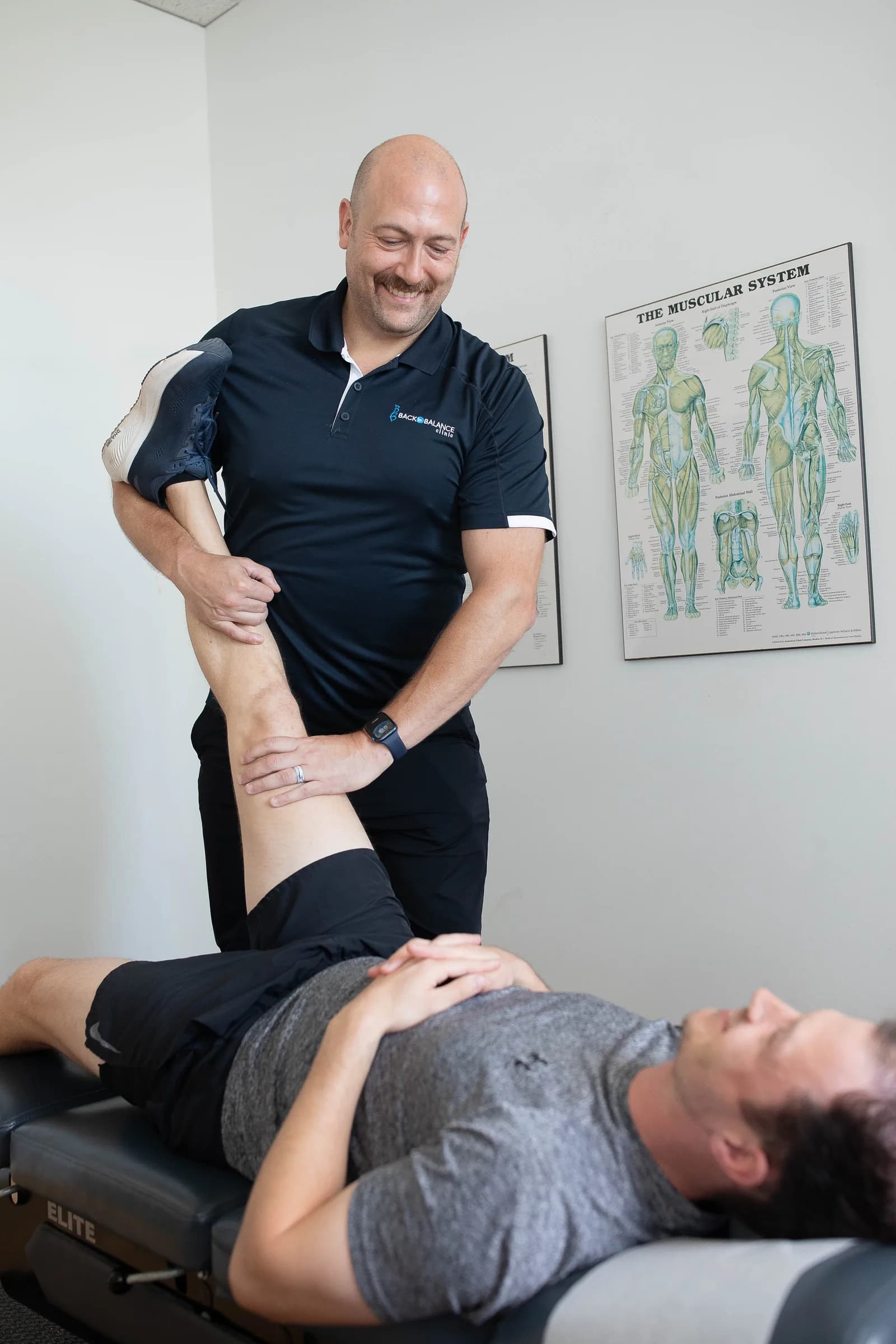
After some time, the external cervical supports can be used less frequently, mainly using the specialized pillow at night. Passive mobility will be introduced into your treatment plan prescribed by your chiropractor. The doctor will start to prescribe your active rehabilitative exercises once some independent mobility is observed.
Continuation of treatment
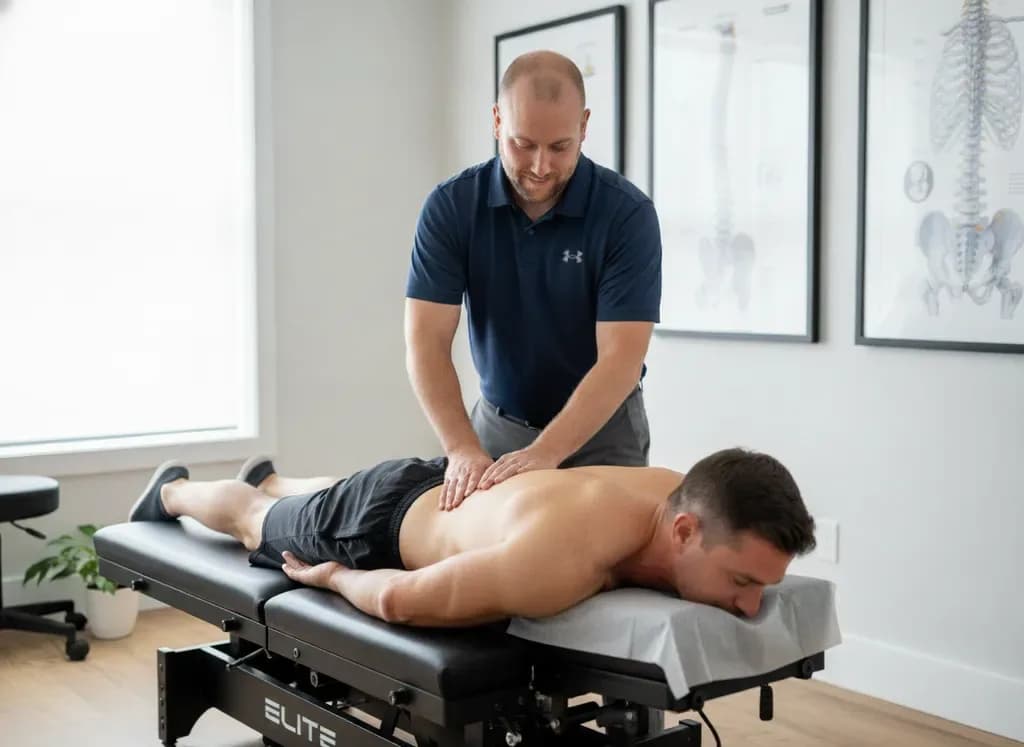
Once full function is returned and pain has subsided, you will need to continue the active exercises alongside chiropractic manipulations in order to ensure that the injury is completely rehabilitated. This is a commonly overlooked step in recovery, it’s easy to stop the work once you feel better. In order for the effects to last, strengthening must take place by furthering the length of treatment.
Whiplash can be a manageable injury if you take the right steps. Get in touch with a properly trained chiropractor at Back in Balance if you or a loved one has been affected by a whiplash injury to prevent any further pain or limitations.
References
- Association of British Insurers. Tackling Whiplash: prevention care compensation. November 2008:1-15.
- Berglund A., Alfredsson L., Jensen I., Bodin L., Nygren A. (Jan. 2003) Occupant- and Crash-Related Factors Associated with the Risk of Whiplash Injury. Ann Epidemiol.
- Cassidy JD et al. Immediate effect of manipulation versus mobilization on pain and range of motion in the cervical spine: a randomized controlled trial. J Manip Physiol Ther 1990; 15(9):570-575.
- Mathewson JM. Dynamics of car crashes. International Record of Medicine and GP Clinics 1956:29-30.
- Nygren A. Injuries to car occupants: some aspects of the interior safety of cars. Acta Otolaryngol Suppl 1984;395:1-64.
Factors Affecting Whiplash Injuries
Related reading: How Motor Vehicle Accident Rehabilitation Works in Toronto.