
Winter sports come with excitement, speed, and fun, but they can bring risks too, especially when you are on ice or snow. Whether it is hockey, snowboarding, or skating at your local rink or park, taking a hard fall is not uncommon once the temperature drops. Helmets help, but a head injury does not always look or feel dramatic when it happens. Even a mild hit that seems fine at first can affect how you think, move, or concentrate in the coming days.
This is why seeing a concussion therapy specialist before winter arrives can make a difference. Early signs are easy to dismiss, especially if you tend to push through things. Checking in ahead of the season makes it easier to notice changes quickly and get support if you need it.
Why Concussions Are Common in Winter Sports
Ice, speed, and quick turns get the adrenaline going in winter sports, but they raise the risk for falls and bumps. In Toronto, more people lace up skates or hit the slopes once it gets cold, and that means more slips and collisions. Having the right gear helps, but icy surfaces and unplanned contact are tough to avoid.
You do not need a major crash or a hard blow to get a concussion. A simple slip skating or a minor bump against the boards can do it. Many players and parents assume that if there is no serious pain right away, there is nothing to worry about. In reality, people can start to feel different up to a few days after a small head impact—foggy, tired, or just off their usual game.
The danger comes when early signs are ignored. It is common to push through symptoms, thinking they will clear up on their own. But mild dizziness, fatigue, or feeling slow are worth paying attention to. The sooner a concussion is caught, the smoother the recovery will usually go.
What to Watch for After a Bump or Fall
Most people do not expect a bump to the head to mess up their thinking or memory, but it does not take much. Maybe a child takes a hit in a hockey game and keeps playing. Maybe a skier catches a patch of ice and is sore but feels fine. The next day or even a few hours later, new symptoms can show up.
Watch for these signs: – Headaches that linger, even with rest – Feeling foggy, slow, or dazed – Trouble focusing on simple tasks – Light or sound feels too strong – Dizziness, even if just for moments – Memory gaps or trouble holding a conversation
Symptoms can kick in right after a fall or might wait a while. Sometimes people start their day feeling fine but notice later at work or school that their brain just is not keeping up. Everyone reacts differently to a concussion, so comparing your symptoms to someone else’s is not helpful. If you feel off in a new way, it is best to check in and play it safe. Ignoring these hints can make recovery take longer and may lead to other problems, like trouble sleeping or a cranky mood.
Why Timing Matters Getting Checked Before the Season Starts
It is a good idea to see a concussion therapy specialist before winter sport routines begin. Pre-season care gets you a baseline of how your brain and body work in a normal state. This helps if you end up taking a fall later on, since the specialist will know what your usual focus, balance, and movement look like.
Having a baseline makes a huge difference for tracking symptoms. If you start to notice trouble with memory, coordination, or mood after a hit, your care provider can quickly see what changed and how to help. At Back In Balance Clinic, concussion therapy includes baseline testing that looks at reflexes, memory, balance, and posture.
From there, a recovery plan can be built that fits your life—whether you are a weekend player, a parent, or someone training for competition. The plan could help you manage both the activity you love and the rest you might need. Pre-season visits help lower stress since you are ahead of any surprises.
What Care Looks Like with a Specialist
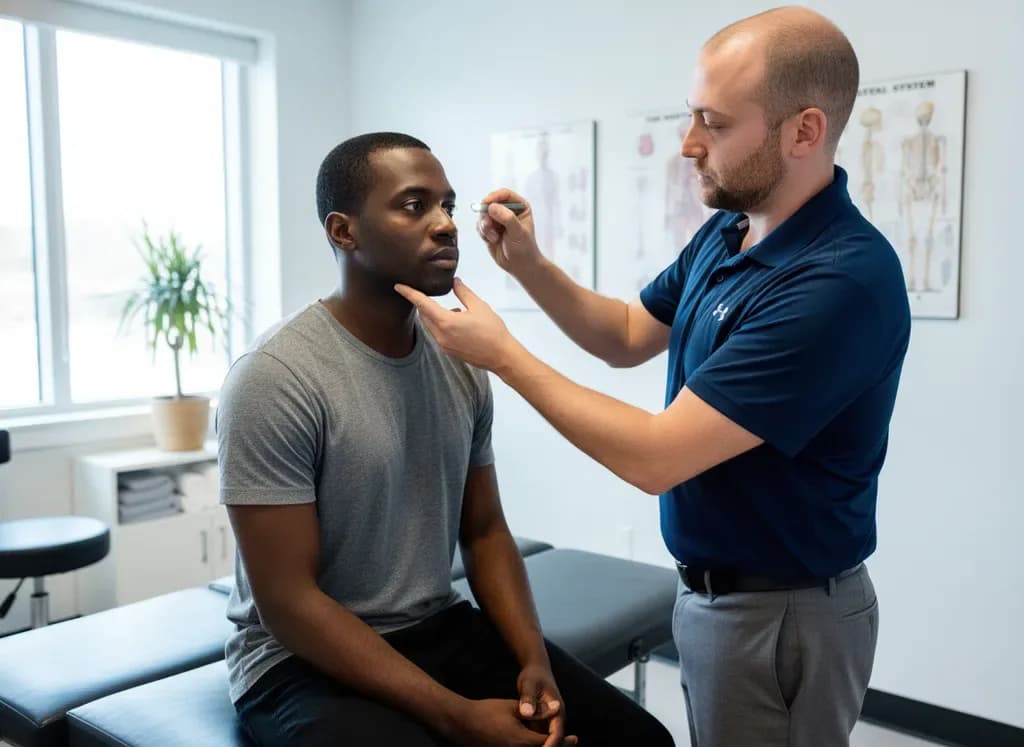
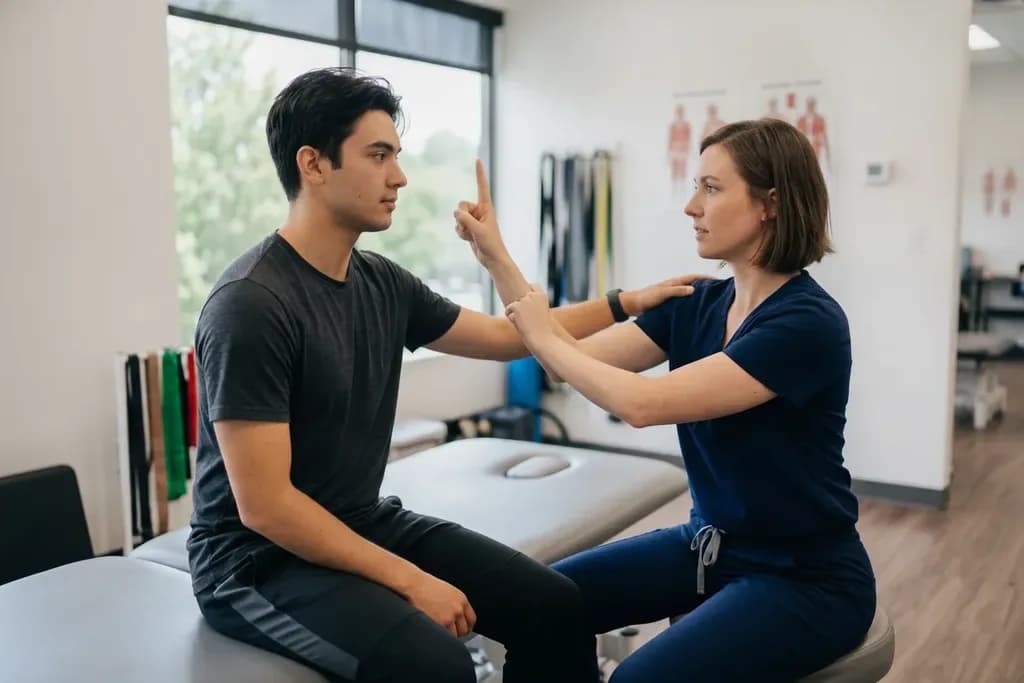
Concussion therapy often starts with a calm, step-by-step visit. First, there is a review of your recent activity and any bumps or symptoms. The specialist will check your eyes, memory, balance, and how steady you feel standing or moving. Your neck and posture may be gently checked too, as they can affect concussion recovery.
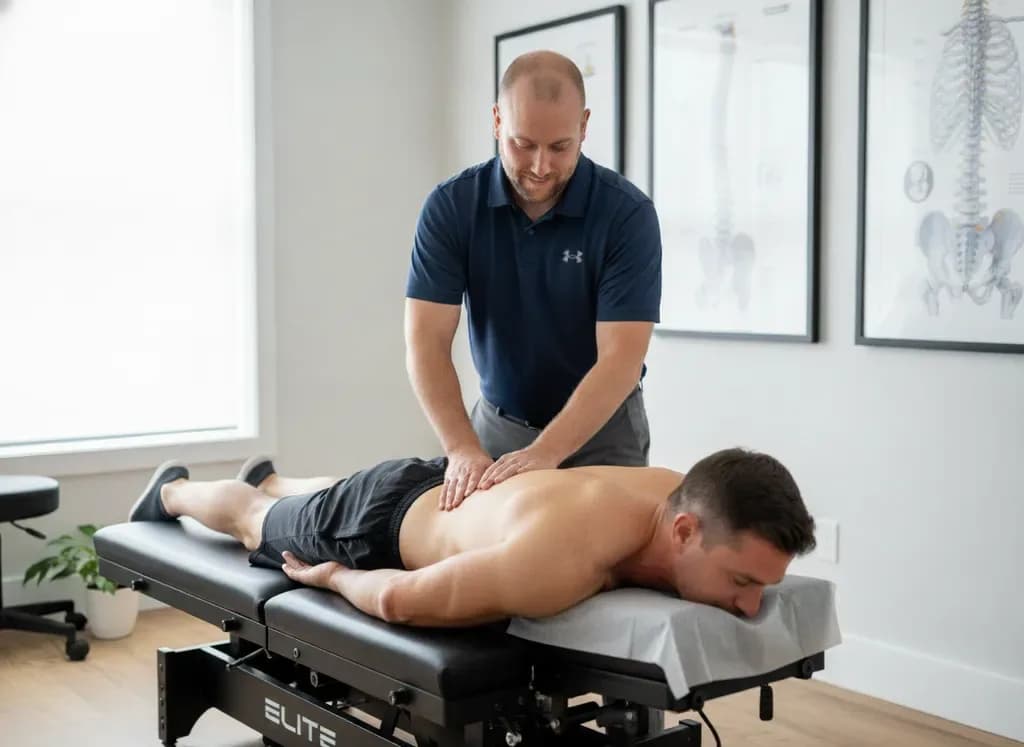
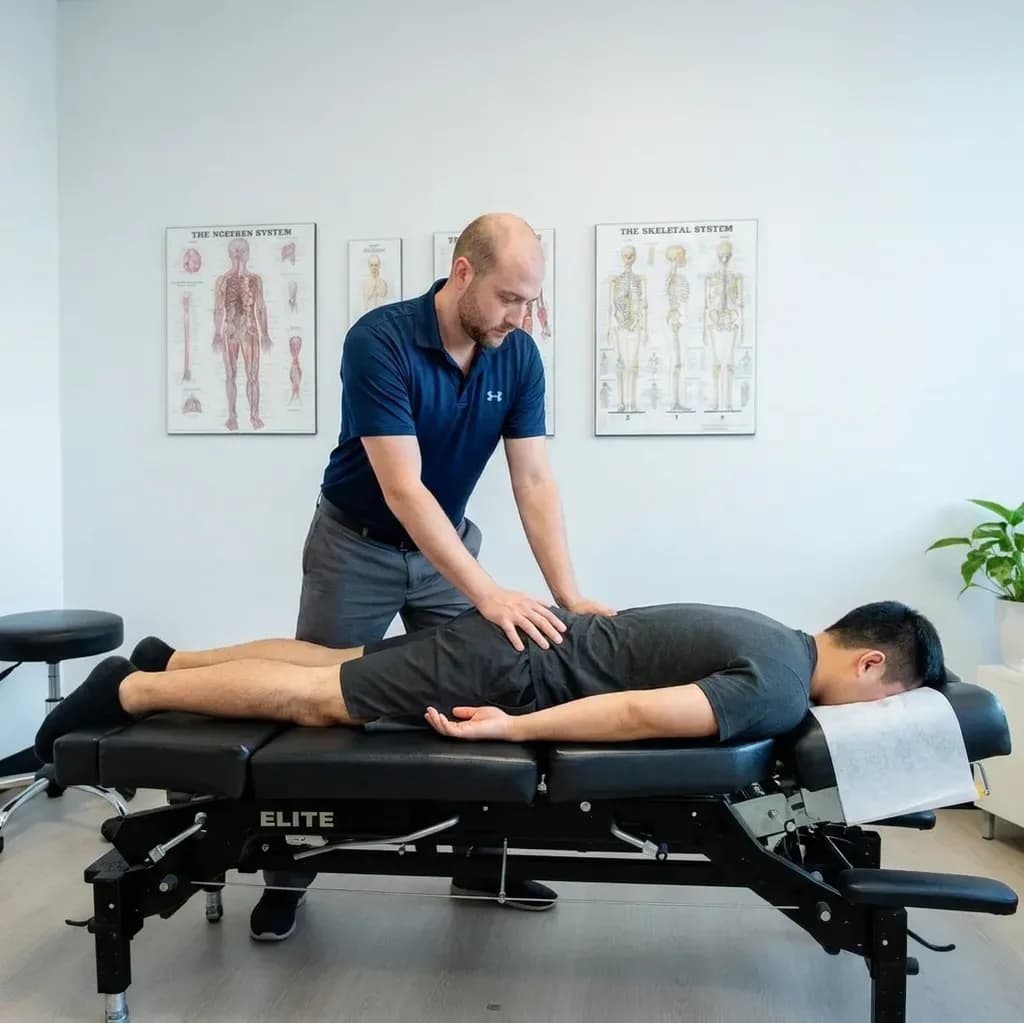
Treatment plans at Back In Balance Clinic can include: – Light posture training and movement exercises – Gentle stretching or neck mobility work – Brain rest activities, like limiting screen time or reducing complex tasks – Strategies for supporting balance and coordination as symptoms fade -Guided return to work and play support to get you back to your job or sport as soon as possible and in a safe manner
The idea is not to push your body, but give your brain a chance to rest while keeping your whole self moving without strain. Starting therapy early usually means symptoms get better faster and more completely.
Feel Clear and Ready for Winter Activity
When the temperature drops, everyone is eager to get outdoors or join a team, but slips and sudden hits are part of winter. Being prepared is not about expecting the worst, it is about making sure your mind and body have the support they need to recover quickly if something happens.
Seeing a concussion therapy specialist does not mean something is wrong. It is a smart move for anyone spending time on ice, skis, or at the rink this season. Small steps, like checking for early signs or getting a baseline, can make all the difference. With a plan and extra awareness, you can hit the ice or the trails feeling more confident, comfortable, and ready for anything winter brings.
Had a few bumps or slips in past seasons? Now’s a good time to pay attention to how your head and body are really feeling, especially if you’re getting back into winter sports around Toronto. A quick check with a concussion therapy specialist can help catch small issues before they turn into bigger ones. At Back in Balance Clinic, we’re here to support you through recovery in a way that fits your season and pace. Reach out today to book your first visit.
Related reading: Is Massage Therapy in Toronto Different in the Spring Months.