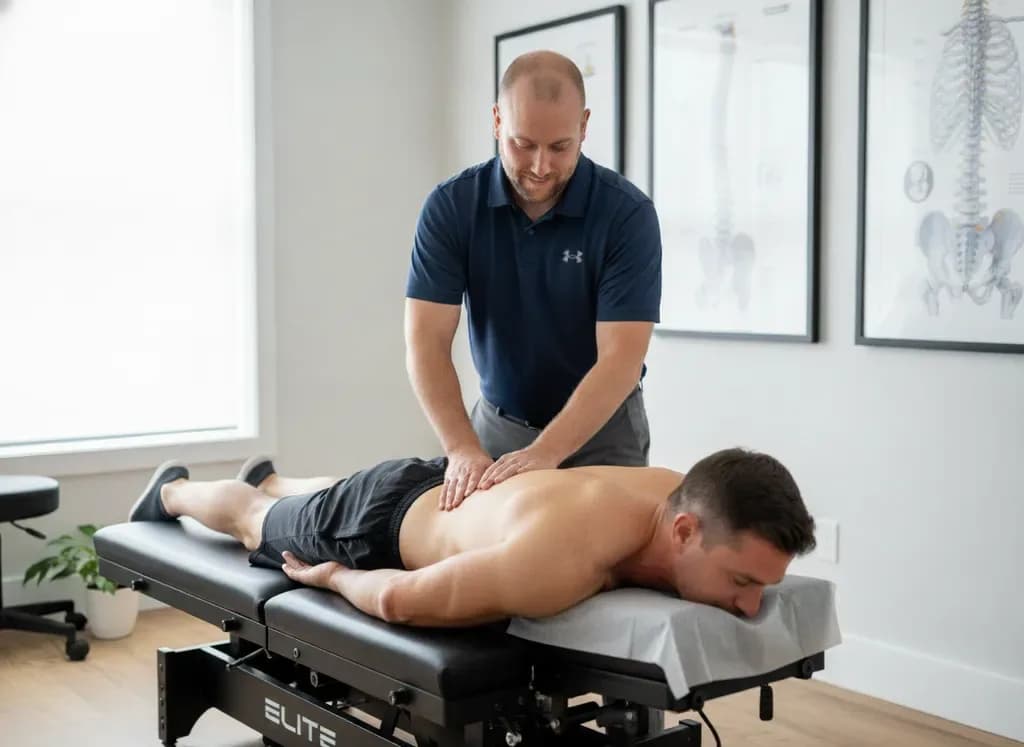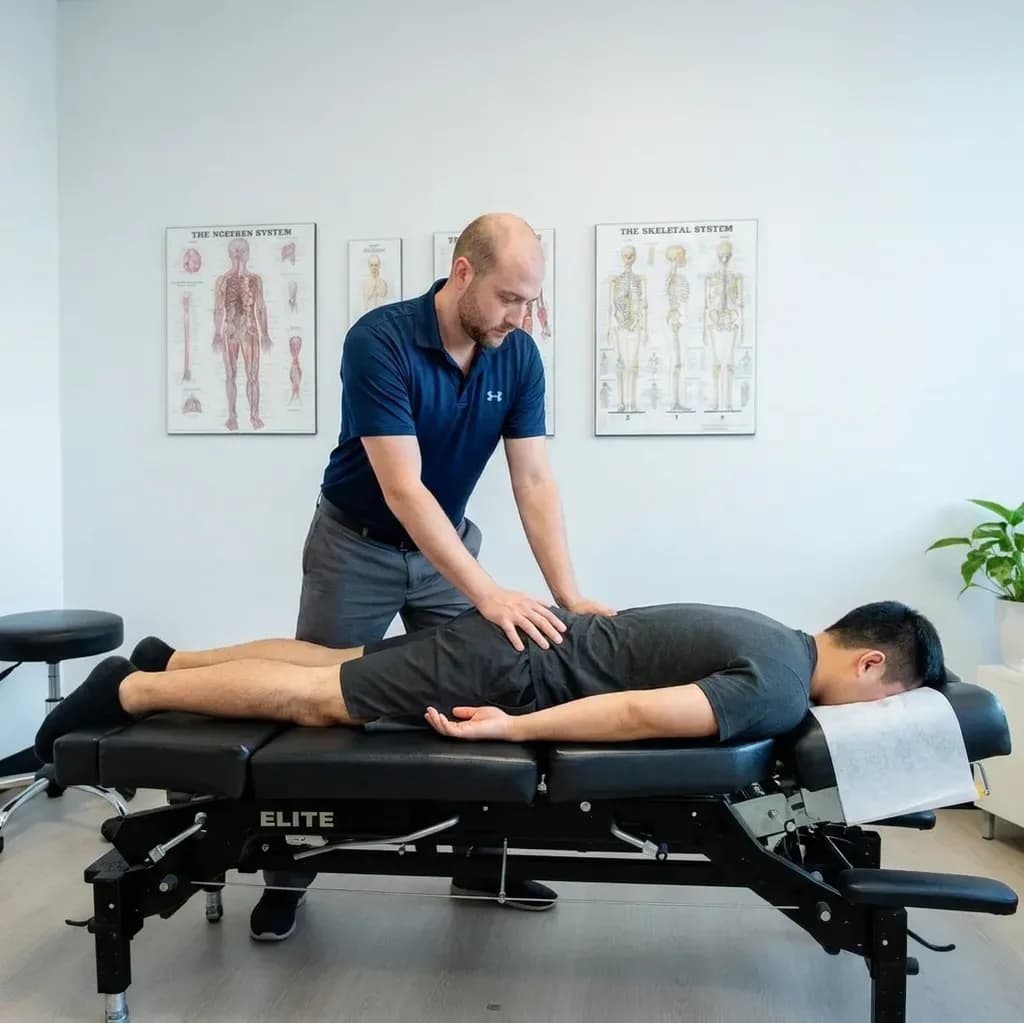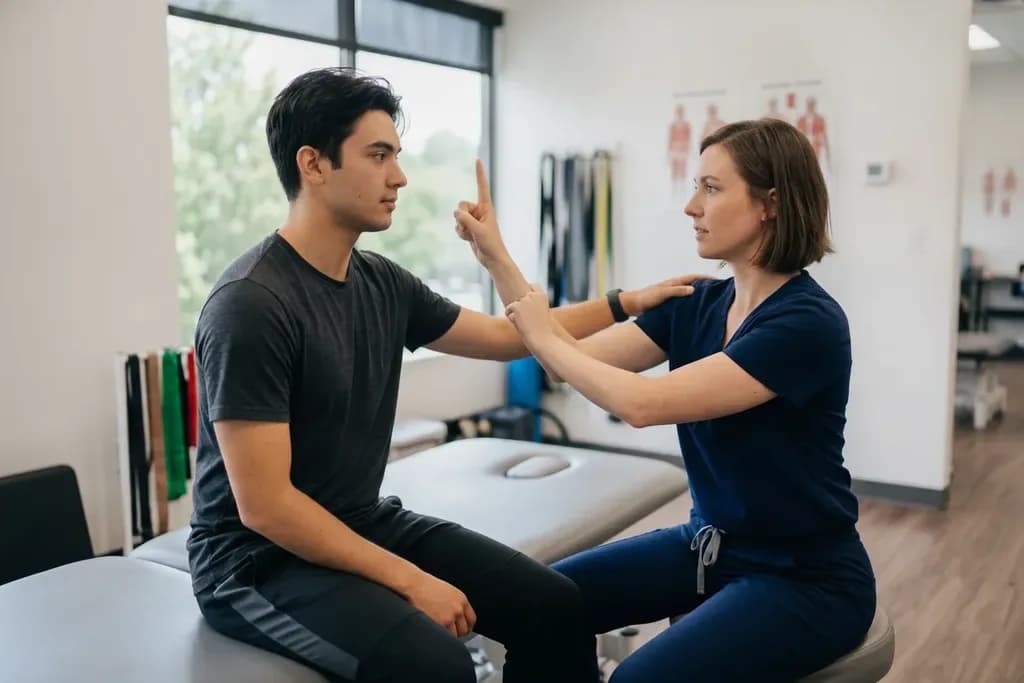


When fall hits Toronto, things change fast. The weather cools, the sun sets earlier, and daily routines shift. For anyone recovering from a concussion or looking out for early signs of one, these changes can make a difference in how your body and mind feel.
It might not be something people think about at first, but fall is a season where how we feel can shift more than expected. That is why concussion therapy in Toronto can feel different during this time of year. With sports starting, work and school getting busier, and the colder air settling in, fall brings a mix of things that can raise the chances of head injuries or stretch out recovery.
Some feel more tired. Others find it harder to focus. If a mild head injury is in the picture, these changes might make symptoms harder to ignore. It is not always about big impacts. Even a small bump can catch up more quickly when your body is already feeling the effects of the season.
Why Fall Conditions Can Affect Recovery
Cooler weather can be tough on the nervous system, especially when the body is healing. A drop in temperature often causes muscles and joints to tighten more than usual. If you have neck tension or balance issues, which are common with concussions, this extra stiffness can add to discomfort.
There is also a difference in sunlight. In Toronto, fall brings cloudier skies and shorter days. Even a small drop in natural light can shift energy levels and mood. Some people feel low, tired, or irritable without realizing that the change in daylight is part of it. For anyone healing from a concussion, these mood and focus changes can feel even stronger.
And then there are the indoor environments. Once temperatures drop, more time is spent in places like hockey rinks, gyms, and chilly arenas. These spaces are often loud and filled with bright or flickering lights. For those dealing with light or noise sensitivity, two symptoms common after a concussion, these can trigger flare-ups, even if you are just there to watch practice.
Changes in Routines and Daily Demands
Fall is not just about colder air. It also means a change in daily routines. Many return to offices, schools, or busier schedules after a more relaxed summer. For adults and kids alike, days are packed with work, classes, sports, and social plans.
Screen time usually increases in fall. Between work, emails, online meetings, or homework, it is easy to spend more hours looking at a device. For anyone recovering from a concussion, screens can make headaches, eye strain, or a foggy feeling worse.
The pressure to keep up can also sneak in. During a busy season, it is easy to dismiss small symptoms or try to power through. Maybe the end of the workday leaves you too drained to do much else. Or maybe your child is slow to focus after a sports bump but insists they are fine. When schedules get packed, those hints that recovery is not finished can fly under the radar.
Seasonal Activities Bring Unique Risks
Fall is the start of Toronto’s sport season. Skating, hockey, recreational football, and indoor soccer are back in full swing. More hours on the rink or in the gym often bring extra slips and falls. Icy sidewalks and damp leaves are also part of Toronto’s fall, making everyday routines a bit riskier.
Concussions do not always follow a big crash. Smaller collisions, quick stops on skates, or slips on sidewalks can all add up, especially if someone has an old injury that never fully healed. Fall sometimes brings those older issues back to the surface.
People often shrug off minor bumps, thinking they are not serious if there is no immediate pain. Someone might get hit in a casual game and forget about it, only to feel odd or extra tired the next day. Not everyone connects these feelings to what happened at practice or in a pickup game.
Local care matters here, and concussion therapy in Toronto has to match what is happening right now. Fall means more activity, more chance for smaller injuries, and a bigger need for care that fits these real-life risks. At Back In Balance Clinic, concussion therapy can include baseline cognitive testing and assessments to check memory, balance, and reaction time, all designed to help spot changes early and tailor care to local routines.
Why Autumn Is a Good Time to Check In
Even with more risks, fall is a smart time for a checkup, especially before winter activity ramps up. Not every head bump gives clear symptoms, but you might find yourself a bit clumsier, slower in conversation, or unable to focus for as long as before.
Fall is a good chance to test your balance, memory, and reaction skills. A quick check, even when you are feeling fine, can offer a solid baseline for later. If you hit your head again, or feel “off,” knowing your normal first helps track changes that matter.
Should another injury happen during the winter, already having a record makes it easier to compare and spot problems. Care will often improve and move faster with early notice of small changes. Taking action now, as routines pick up, can lead to better results in both prevention and recovery.
Check for early warning signs, such as: – Extra neck pain – Headaches after computer or phone use – Slow reaction times in games or conversation – More trouble sleeping
Any one of these can mean your brain could use a break or more support this season.
Get Ready to Think Clearly Through the Season
Fall moves fast in Toronto. Schedules change, the weather shifts, and days feel busier. All of these factors make it easier to miss signs that your brain is feeling the pressure.
Tuning in now helps. Any shift in focus, mood, or comfort can be your body’s way of asking for some attention. Fall does not have to slow recovery down, but it can make symptoms easier to miss.
With a few well-timed check-ins and a little planning, you can stay in front of small problems before they grow. Notice how you feel, keep routines flexible when possible, and let your body rest when it asks. Staying one step ahead keeps you clear, balanced, and ready for whatever this season brings.
Something feeling off this season, like foggy thinking, dizziness, or a lingering headache, could be your brain’s way of signalling a need for more care. Cooler weather tends to make concussion symptoms stand out, especially after a fall from a bike or scooter. We’re here to help you figure out what’s changed and how to move forward with confidence. If any signs are sticking around, we’re open to talk about options for concussion therapy in Toronto. Give Back In Balance Clinic a call to see how we can help you take the next step.
Related reading: Is Massage Therapy in Toronto Different in the Spring Months.