Winter in Toronto can be beautiful, but slippery sidewalks, slippery streets, and busy cold mornings can create unexpected risks. Concussions are one of the more common injuries we see this time of year, often from simple things like slipping on an icy step or bumping your head during a low-speed car accident. With all the snow and ice, accidents feel like they can happen out of nowhere.
That’s why understanding concussion management in Toronto during the winter months matters. Knowing how to spot early signs and when to get help can make all the difference. Recovery tends to go smoother when symptoms aren’t ignored, and support starts early.
Slips, Sports, and Street Accidents: How Concussions Happen in Winter
When the ground freezes and ice builds up, it doesn’t take much for a quick trip outside to turn into a fall. Uneven sidewalks, slushy stairs, or frozen curbs can lead to someone slipping and hitting their head. Winter also slows us down in other ways. Cold weather can stiffen muscles and make balance harder to keep. Even bundled up, we may not move as easily or react as quickly.
Hockey and snowboarding are another piece to this. Helmets help protect our heads, but they don’t stop every type of concussion. Hard falls, even with a helmet on, can still rattle the brain. Car accidents are another common cause. Slippery roads mean more fender benders, and a sudden jolt can send the head swinging.
Concussions can happen fast and not always from a major incident. A small stumble or light bump can still affect how someone feels for days, or even weeks. That’s why no incident is too small to pay attention to if head contact is involved.
Common Signs to Watch for After a Winter Head Injury
Concussions don’t always look the same, and symptoms don’t always show up right away. Some people feel fine immediately after, then start noticing problems over the next day or two. Others feel “off” right away.
Here are some signs that may appear:
- Headaches that come and go, or get worse with movement
- Dizziness, feeling lightheaded, or trouble keeping balance
- Blurry vision or difficulty focusing on a screen
- Trouble finding the right words or slower thinking
- Hands feeling clumsy or movements not feeling as steady
- Feeling extra tired, wanting more sleep, or having trouble sleeping
- Feeling irritable, anxious, or extra emotional for no clear reason
Screen time can make these signs feel worse. Phones, computers, and even bright lights can be tougher to handle during recovery. Stress, which already tends to increase in winter, makes symptoms feel heavier too. If you’re feeling unsure about whether something’s related to a bump on the head, it’s better to play it safe and keep track of what’s happening.
What Good Concussion Care Looks Like
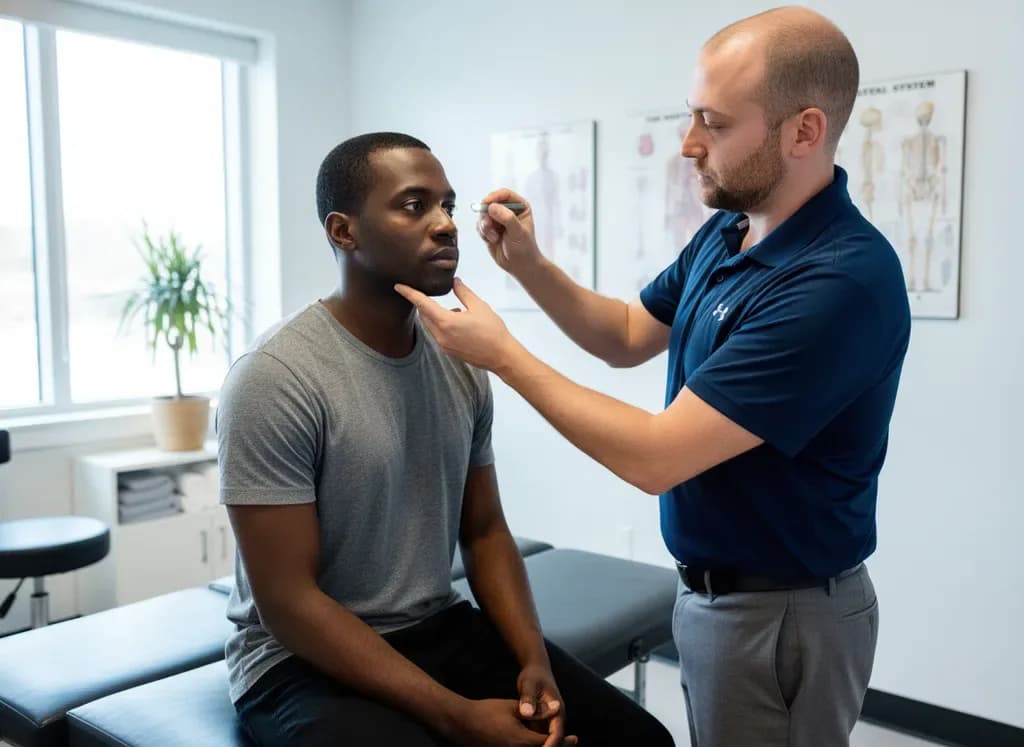
Getting cared for after a head injury starts simply. A first visit usually includes talking through what happened, how you’ve been feeling, and what daily tasks are harder now. It’s meant to be calm, not overwhelming. The goal is to check how you’re doing and figure out what kind of support might help most.
With proper concussion management in Toronto, support might include:
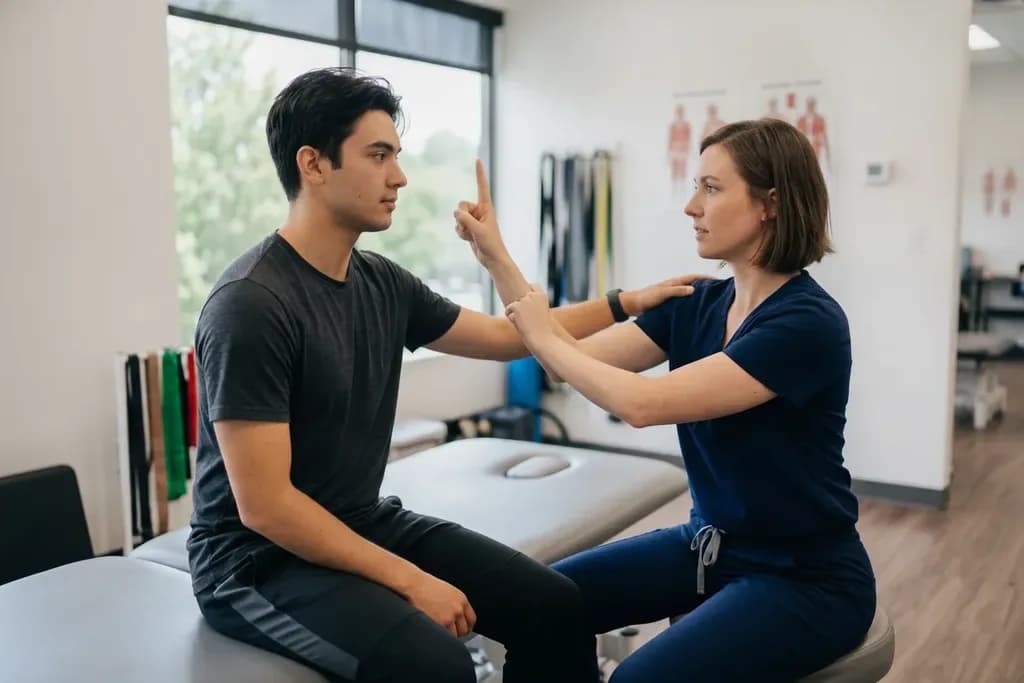
- Guided exercises that are light, such as walking in a quiet space or small balance challenges
- Breathing routines to calm the nervous system and reduce pressure in the head or neck
- Short breaks from screens or busy chatter to help the brain reset
- Gentle stretches or hands-on care for neck or shoulder tightness
- Tips for small changes at home, like keeping spaces dim or cutting back on multitasking
One of the most helpful things about proper care is that it’s never one-size-fits-all. What works for someone recovering from a hard hockey fall might not be right for someone recovering from a slow-building headache after their feet slipped crossing the street. The care follows how you feel and how much your system is ready to handle.
At Back In Balance Clinic, our concussion management uses evidence-based therapies to support every stage of recovery. Our practitioners may recommend manual therapy, education on activity pacing, or strategies for gradually returning to regular tasks as your symptoms improve, always customizing care to your unique needs.
When to Reach Out for Help
Many people wait, thinking symptoms will pass after a few days. Sometimes they do, but sometimes they quietly stick around. If you’ve hit your head and still don’t feel right after several days, it’s worth pausing to check in.
Some signs it’s time to get help:
- You’re struggling with balance or feel dizzy walking
- Reading, screen use, or conversations make you feel tired or foggy
- Headaches are worse than they were in the first few days
- You feel slower at work or less focused in school
- You’re relying on extra sleep or caffeine to get through the day
- Your mood doesn’t feel like your usual self
Winter tends to be busy, and we often brush off symptoms while trying to stay on schedule. But rest doesn’t always work on its own, especially when the brain is trying to keep up with daily life. There’s no harm in asking for help, even if you think the injury was minor.
Moving Forward with Confidence This Winter
Concussion symptoms aren’t always loud. Sometimes they just feel like a harder-than-usual week. But when simple tasks don’t feel right after a bump to the head, it’s usually a sign the brain could use extra care. Trusting those signals can prevent longer, harder recoveries.
Winter in Toronto brings enough challenges on its own. When you’re already dealing with slippery sidewalks, cold mornings, and a packed schedule, waiting to feel better on your own isn’t always the next best step. Spotting the early signs and being open to support can make the recovery process smoother, so you can get back to day-to-day life with more ease.
Experiencing symptoms like headaches, balance issues, or difficulty focusing after a slip, minor car accident, or winter sports injury is more common than most people realize in Toronto. With so much ice and snow in the city, it’s important to address potential concerns early. We support downtown Toronto residents with all types of recovery, and our approach to concussion management in Toronto centres on understanding your experience and guiding you step by step. Unsure about what you’re feeling? Connect with Back In Balance Clinic and let us help you get back on track.
Related reading: The VOMS?.