After a car accident, it’s normal to focus on the damage to your vehicle. But while the car can be taken to a shop, your body might be trying to manage its own repairs. Even in small crashes, something can feel off, your neck hurts, your back feels strange, or you’re just not moving the way you did before.
This is where questions about whether to see a car accident chiropractor in Toronto often come up. It’s not about fixing everything overnight. It’s about making sure your spine, muscles, and joints heal properly, especially when the cold weather can make things feel stiffer than usual. No matter how mild the crash seemed, we’ve seen how people can end up feeling worse days later if they ignore those early signs.
What Happens to the Body in a Car Accident
In many accidents, even at low speed, the body takes a hit in ways you can’t always see right away. Muscles tighten, joints shift, and the spine doesn’t always bounce back on its own.
• Whiplash is one of the most common issues, and it doesn’t take a big crash to cause it. Quick movements can jolt your neck enough to leave lasting discomfort. • Bruising or muscle strain can happen under the surface. Sometimes, people wake up the next day wondering why it hurts to turn their head or twist their back. • Pain might not show up at all in the first few hours. It can creep in days later, which is part of why post-accident care often starts after the dust settles.
What might seem like a minor ache today can turn into weeks of discomfort if the body doesn’t get the right help. And that’s not always something stretching or rest can fix on its own.
Signs You May Need Support After a Collision
It’s easy to downplay how you feel after an accident, especially when adrenaline is still running. But some signals should never be brushed off. These are the quiet reminders your body sends that something needs attention.
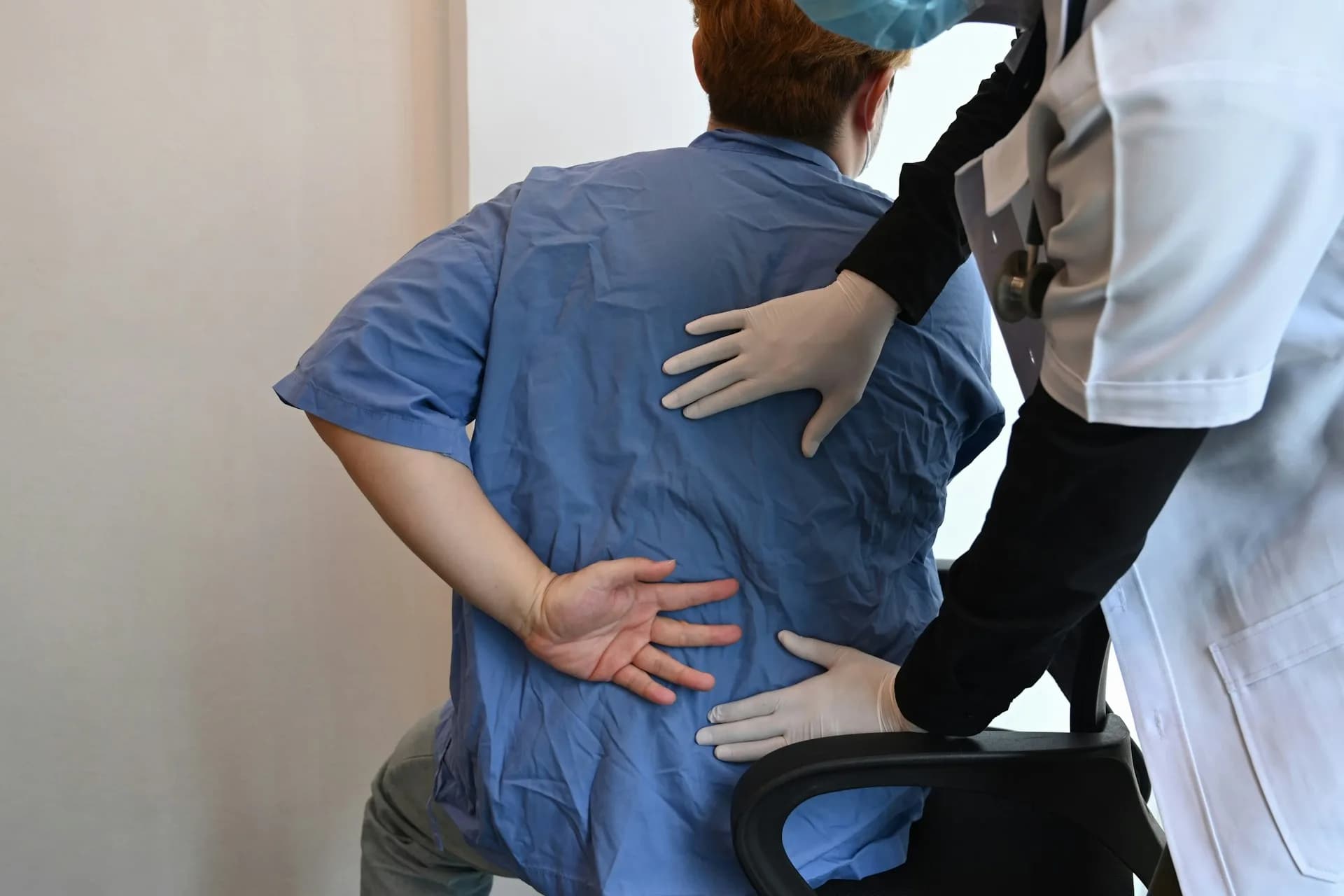
• Ongoing headaches, especially paired with neck stiffness, can suggest that your spine isn’t sitting quite right. • If you’re struggling to sleep, sit for long periods, or feel tight every time you stand, there may be deeper imbalances that need care. • Your posture or movement might feel off, even if your range of motion seems okay. If walking, bending, or turning feels stiff or uneven, that can point to strain or misalignment.
Some of these signs may appear small, but they can add up. Left alone, they often get worse. When we notice someone hasn’t felt quite right since their crash, these are usually the first patterns we check.
How Chiropractic Care Can Help After a Crash
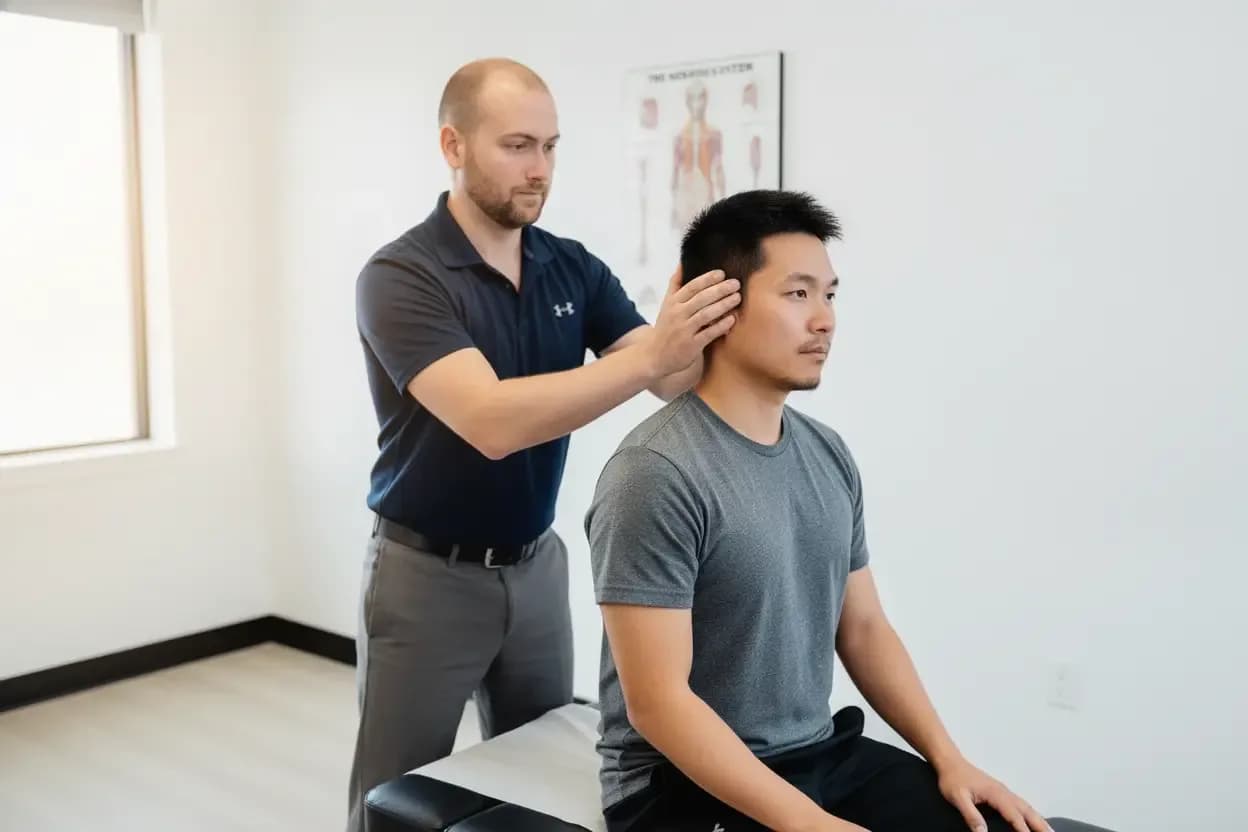
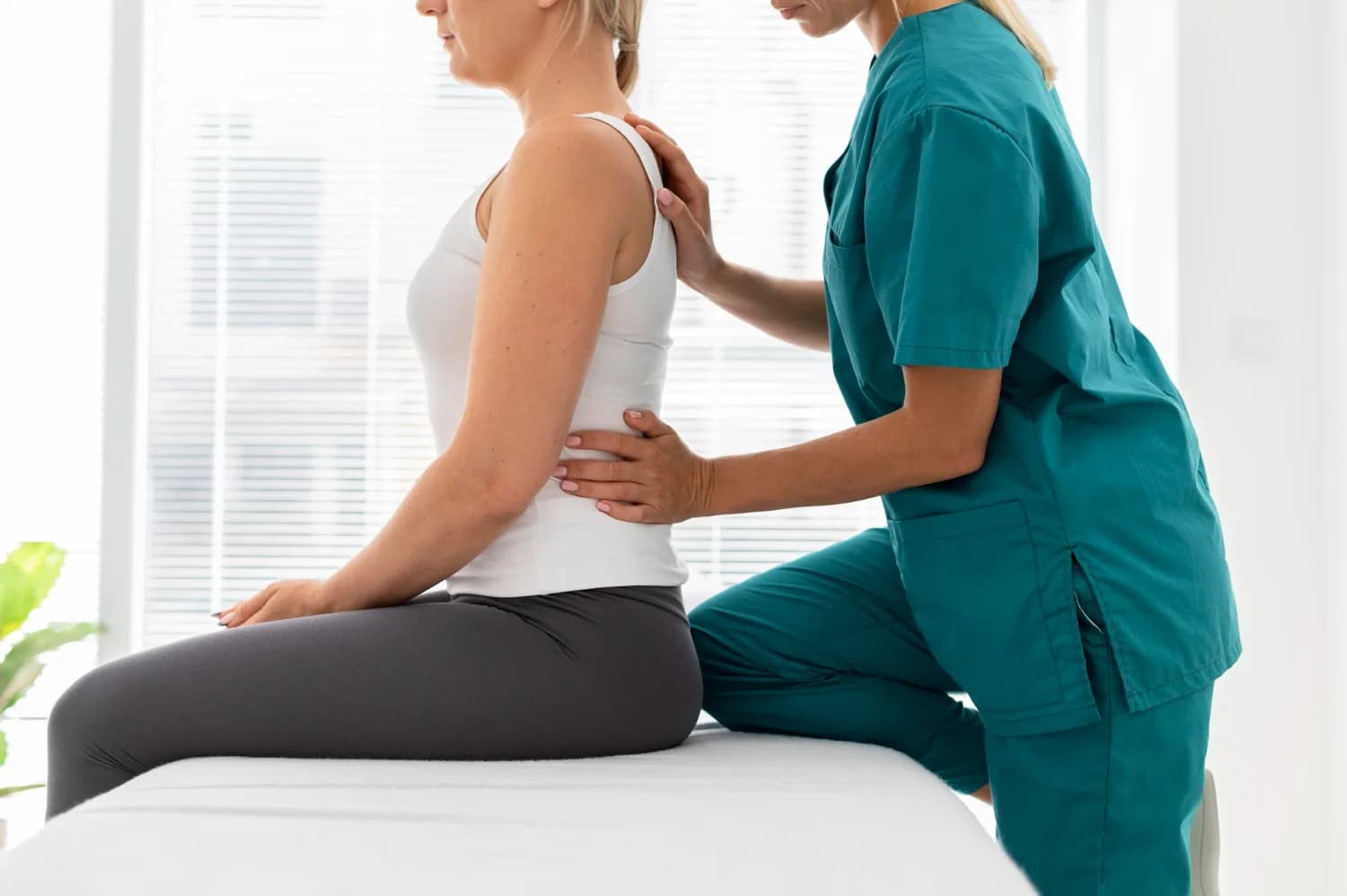
A chiropractor doesn’t just chase symptoms. We look at how your spine and joints are working together, especially if something has shifted out of place during the crash.
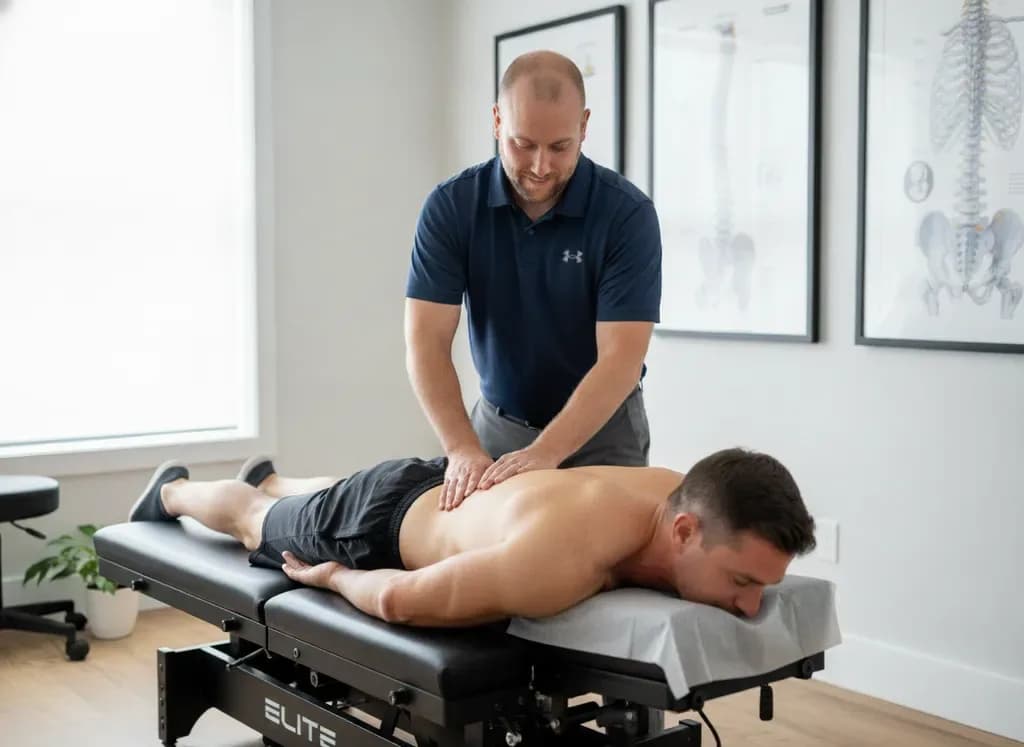
• Through gentle, hands-on adjustments, we can help realign your spine, ease tight muscles, and reduce pressure that builds after impact. • Over time, this kind of care may help improve how you move and ease pain that didn’t seem to stop with rest or ice. • Seeing a car accident chiropractor in Toronto during winter means getting care that understands what extra stress the season puts on your body, whether that’s stiffness from the cold or the risk of slipping when sidewalks freeze over.
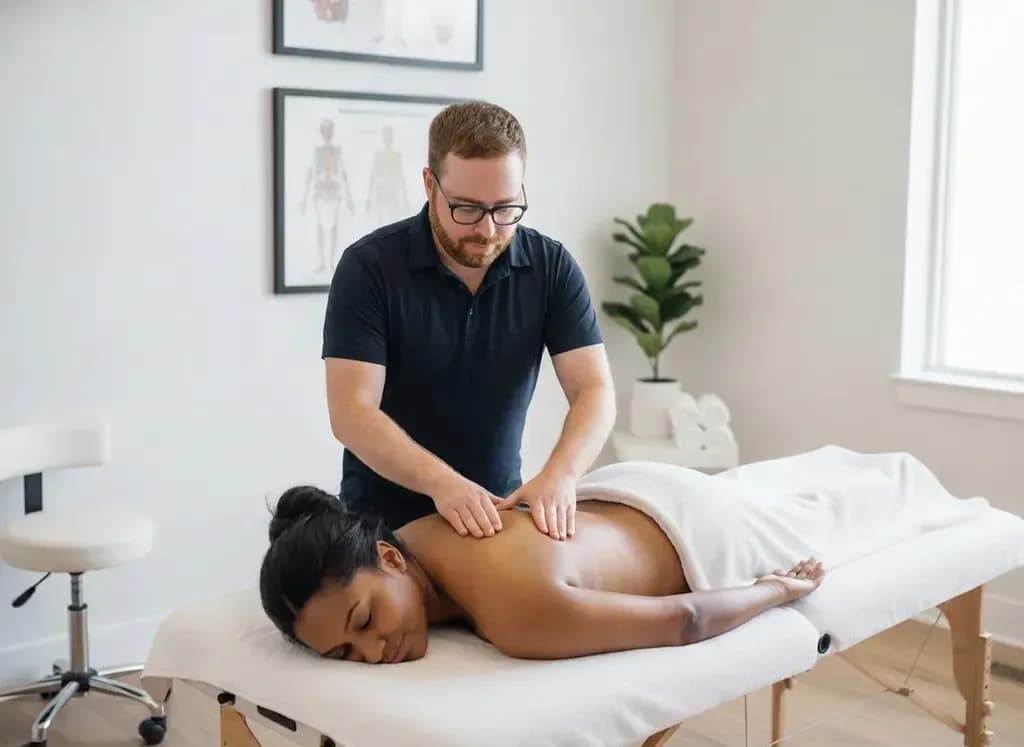
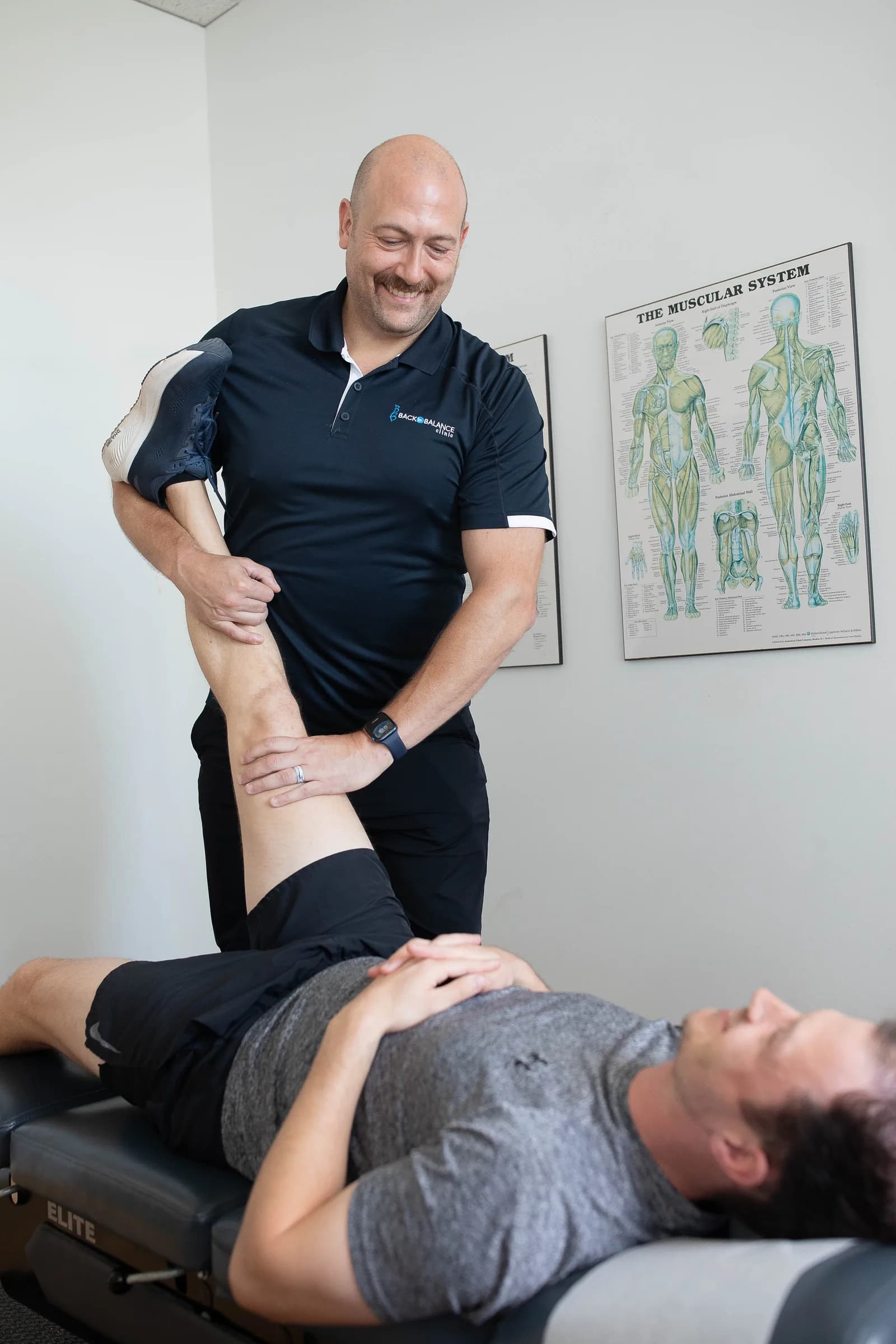
At Back In Balance Clinic, car accident care includes a full assessment of your injuries, evidence-based chiropractic adjustments, and a custom recovery plan that can involve massage therapy or acupuncture when needed. We communicate with your insurance company and handle paperwork, so you can focus on healing. Our practitioners have experience supporting people through both new injuries and the lasting discomfort that comes from older accidents.
We find that recovery often works best when it fits into your normal day. That means looking after areas that took a hit and giving the body space to heal, even when the weather slows everything down.
Winter in Toronto Makes Recovery a Bit Tricky
January in Toronto isn’t the easiest time to heal. Cold weather can do strange things to a sore back or tight neck, especially when the body is already dealing with impact from a car crash.
• Chilly air stiffens muscles more than most people expect. This can slow recovery or even make that post-accident soreness feel worse. • Getting to appointments through snow or slush isn’t fun either. Having a recovery plan that works with your routine, not against it, can make a big difference. • There’s also the risk of slipping when sidewalks or driveways are icy. If your body’s still healing, even a small fall can cause a setback.
We take winter into account when we talk to anyone who’s healing from a collision. Your recovery needs to match what your body can handle and what the season allows.
Taking the Next Step for Winter Recovery
Nobody plans on getting into a crash, but when it happens, the way your body feels afterward matters. Not all pain shows up right away, and not all healing happens on its own. That’s why noticing the signs, rather than pushing through them, can help get things back on track.
When winter walks in, recovery can get delayed or made tougher by the cold. Supporting your body with care that works for the season means you’re not just waiting for things to feel better sometime later. You’re helping your spine and muscles adjust sooner, in safer and more comfortable ways. If you’re wondering whether those aches are something to pay attention to, they usually are.
At Back in Balance Clinic, we know that lingering soreness or discomfort after a recent crash can hold you back, especially as winter sets in and healing may slow. Subtle aches like neck tension or finding it hard to sit comfortably could signal deeper injuries from impact that often don’t resolve on their own. Our team supports your recovery with care that fits your everyday routine, even as colder weather and icy sidewalks add new challenges. Visiting a car accident chiropractor in Toronto can help your body recover in a way that works with the season. Reach out to us today to get started on your path to feeling your best.
Related reading: Is Massage Therapy in Toronto Different in the Spring Months.