
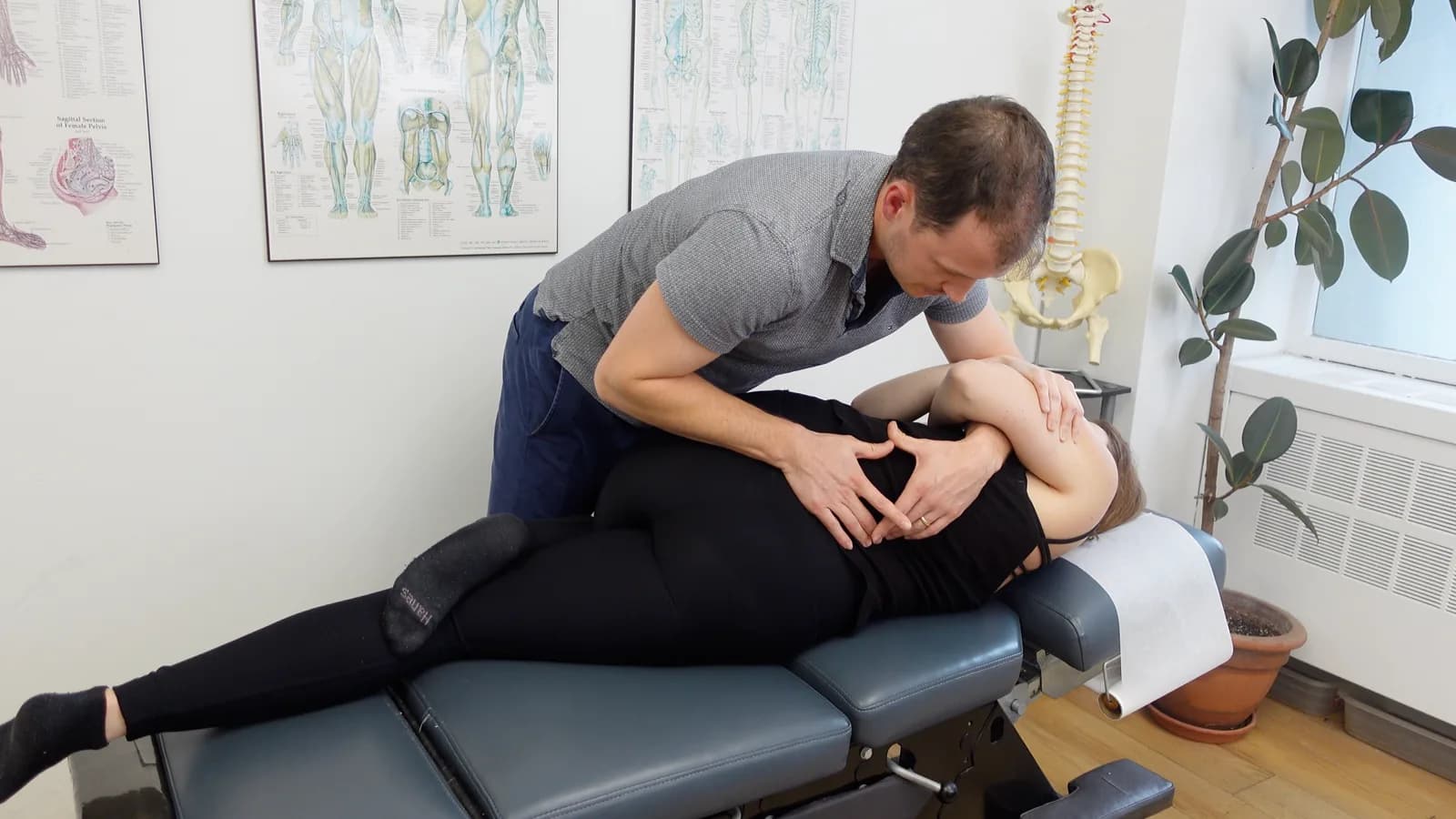
Chiropractic Adjustment
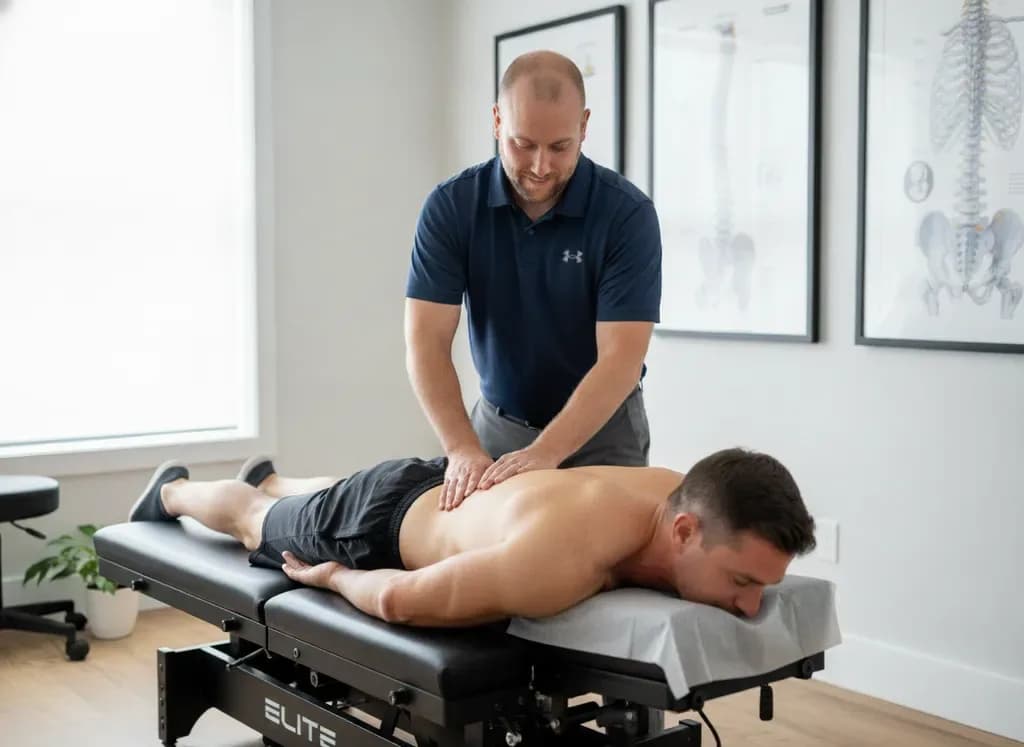
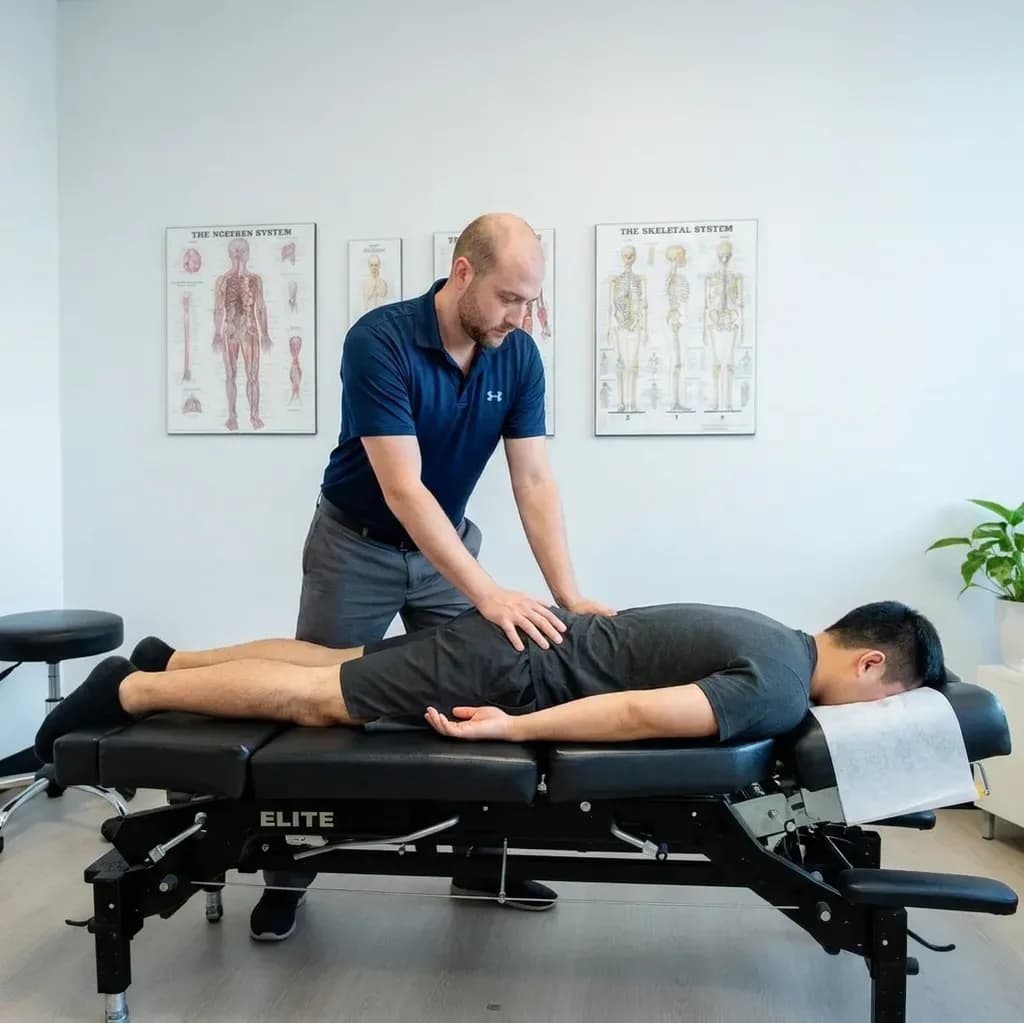
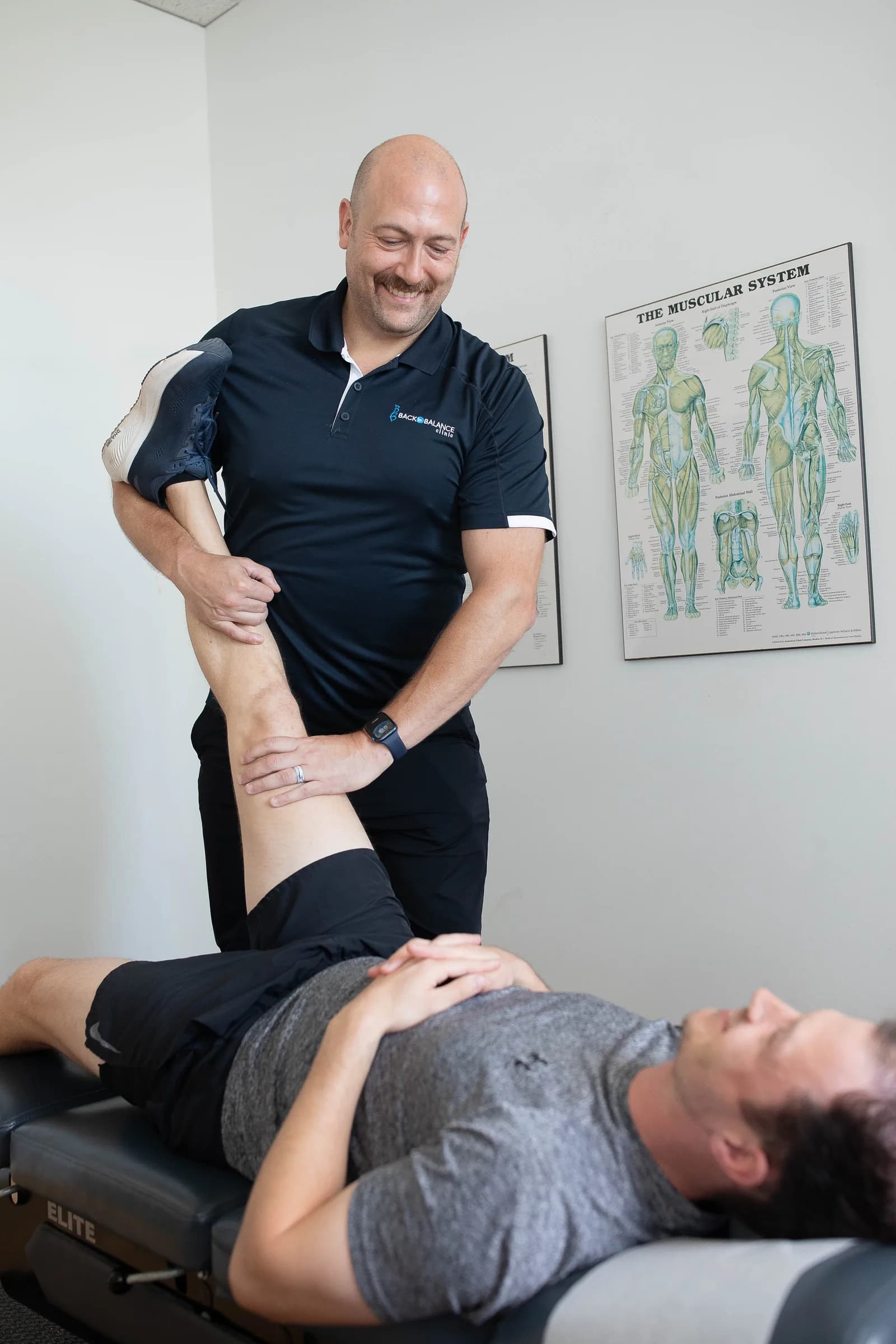
A chiropractic adjustment, commonly called spinal manipulation, is a key treatment technique widely used by chiropractors. This manual therapy involves a chiropractor performing a high-velocity, low-amplitude thrust to a joint, typically in the spine, near the end of its range of motion. Often referred to as “cracking” joints, this procedure aims to improve joint function and alleviate pain.
An adjustment, a form of joint mobilization, is a type of manual therapy used to increase a joint’s range of motion. Joint mobilizations are categorized by intensity, ranging from grade 1 to grade 5. Non-thrust mobilizations employ low-velocity, passive movement techniques of varying intensities within the patient’s range of motion. As the grade of mobilization increases, the closer it approaches the joint’s passive end range. An adjustment, or grade 5 mobilization, involves a high-velocity, low-amplitude thrust that goes beyond the patient’s passive range of motion.
How does the adjustment work?
Chiropractic manipulation works through both biomechanical and neurophysiological mechanisms. The biomechanical theory posits that manipulation targets dysfunctional or “stuck” joints, aiming to reduce internal mechanical stress. This adjustment increases the range of motion in joints that were previously restricted. Meanwhile, the neurophysiological approach suggests that adjustments impact nerve cells within muscle tissues, the motor control system, and the pain processing system in the spine. This means that spinal adjustments cause changes in sensory neurons of the joint and surrounding tissues, helping to alleviate pain.
How Does Spinal Manipulation Work?
Various theories exist on how spinal manipulation works, but none have been definitively proven due to the complexity of designing and administering such studies. A 2005 review by Potter, McCarthy, and Oldham explored proposed theories, including joint gapping, improving range of motion, reducing muscle hypertonicity, and altering pain perception. It is possible that spinal manipulation works through a combination of these mechanisms, though more research is needed.
It’s important to note that spinal manipulation does not “push a vertebra into place” or “correct a misalignment.” Often, what feels like a “misalignment” is actually a tight or restricted joint. In some cases, segments may move excessively, causing the sensation that something is out of place. However, physically, there isn’t a true misalignment. Your spine is robust and does not misalign from everyday activities.
What Are Its Uses?
In a 2019 meta analysis, Rubinstein et. al. looked at the harms and benefits of spinal manipulative therapy for the treatment of chronic low back pain. Their results concluded that the observed effects were similar to those of other recommended therapies including exercise and non-steroidal anti-inflammatories, and appears to be better than non-recommended interventions such as light soft tissue massage, electrotherapy, or no treatment for short-term improvement in function.
For acute pain, a meta-analysis by Paige, et al (2017) the authors concluded from 26 randomized clinical trials that spinal manipulation was associated with statistically significant benefits in both pain and function.
Is it Dangerous?
Minor side effects included increased pain, muscle stiffness and headache, but these were transient in nature and were not long term. Major side effects that have been reported included worsening of disc herniations, rib fracture, and exacerbation of stroke symptoms. Although these risks are highly unlikely, it is worth discussing them with your chiropractor prior to undergoing spinal manipulation.
Overall, spinal manipulation can be a great tool for some people when it comes to their pain. Ask your chiropractor or healthcare provider if it is an option for you. It should not be used as a one-size fits all approach for everyone but can be very helpful as a part of a multidisciplinary treatment for certain conditions along with education, exercise, and muscle therapies.
Interested in learning more about treatments provided by chiropractors? Check out our blog post HERE on treatment options for various categories of low back pain.
Want to book an appointment with one of our chiropractors or massage therapist? Click HERE to get started!
Related reading: Is Massage Therapy in Toronto Different in the Spring Months.