Return to Play Standards for Shoulder Injury
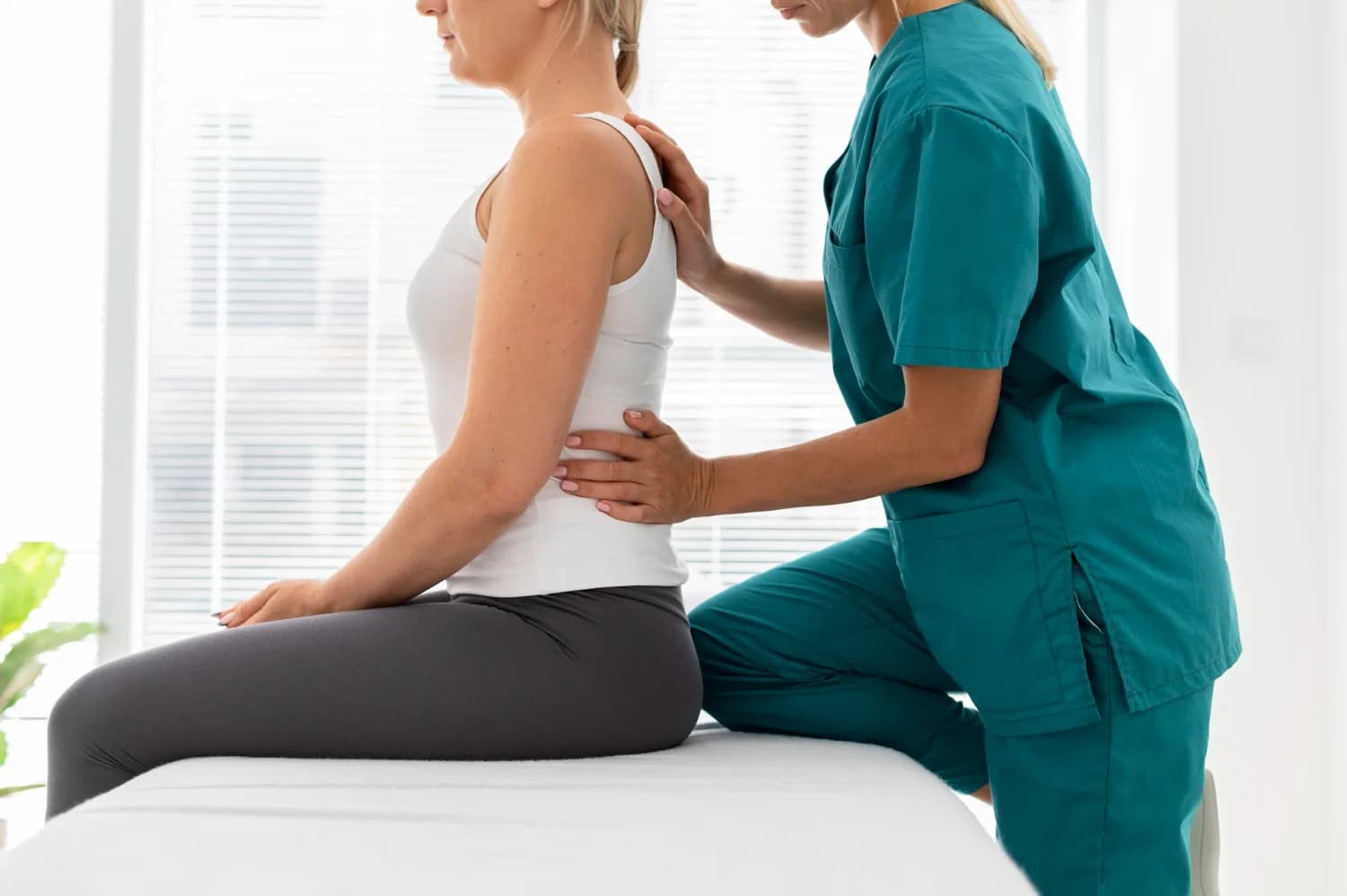
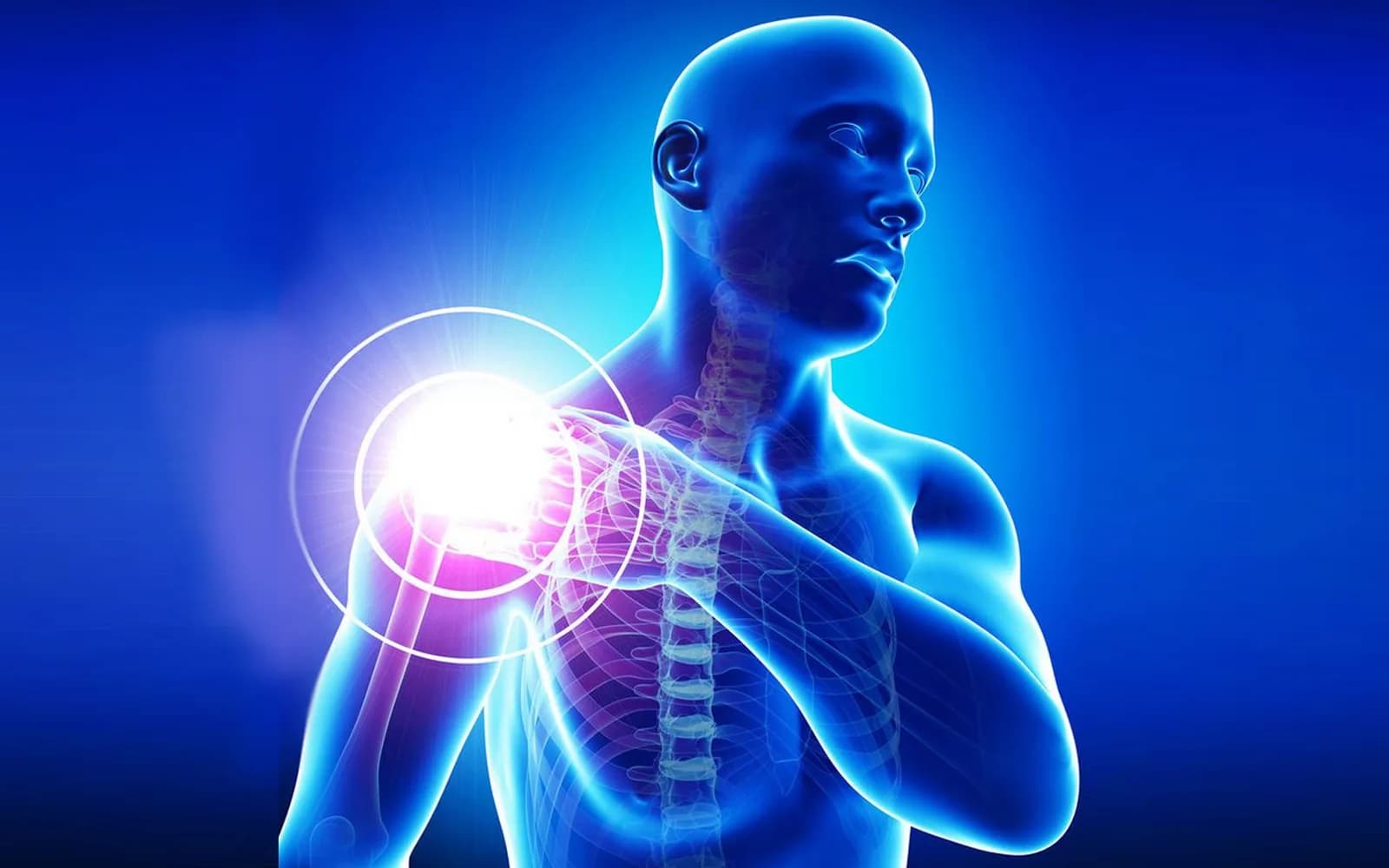
The shoulder joint, or glenohumeral joint, is one if the most regularly injured joints in athletes I handle many shoulder injuries in my practice. Most shoulder injuries can be treated with chiropractic care and the client can anticipate recovery. Some of the most typical injuries to the joint are:
- Instability
- Rotator Cuff Injury
- Superior Labrum Sore
There is enhancing evidence that the pathophysiology of rotator cuff injuries are more complicated than formerly believed. The way the tendon heals has a fantastic effect on treatment and recuperation
Tendons are usually injured in 2 ways:
- Direct trauma– usually in contact sports
- Senescence– gradual ‘wear and tear’ though aging and overuse
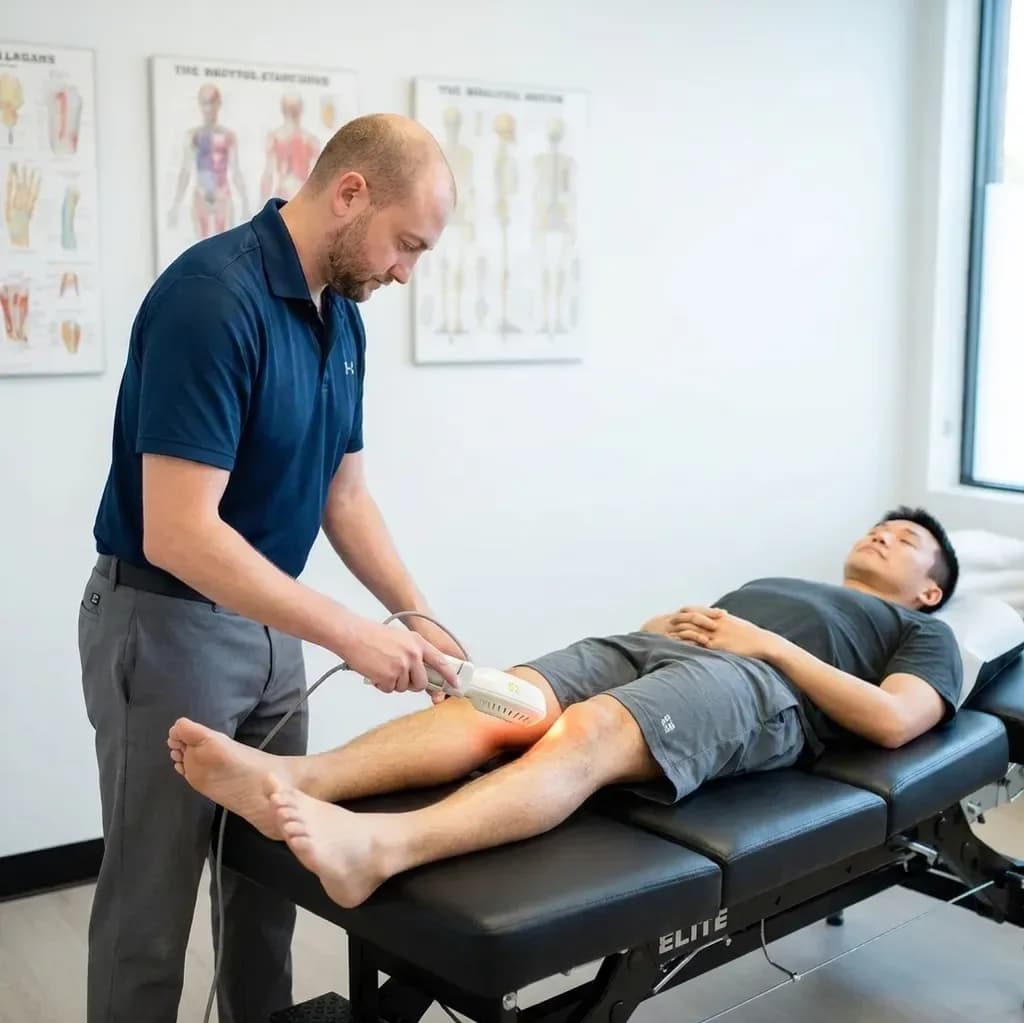
Apoptosis of fibroblasts (laser therapy can stimulate fibroblasts to produce more collagen to speed healing).
Decrease in cell activity (laser therapy can stimulate the cells associated with healing to enhance activity).
- Rotator cuff pathology usually increases with age.
- Since there are many different etiologies to rotator cuff injury, treatment, rehab, and return to play need to be customized for each person.
- Factors considered are:.
- Age– the older you are, the longer it will take to recover.
- Expected chance of recovery– severity of injury and other factors.
- Dominant extremity involved– dominant extremity is used much more and may take longer to recover.
- Extent of the pathology (i.e. tendonitis vs a tear).
- Co-existing pathology– involvement of other structures, or conditions (for instance, diabetes can impair tissue healing).
RETURN TO PLAY:
- There are a number of GENERAL rules for go back to play when dealing with rotator cuff injury.
- Full ROM.
- Full strength.
- Pain-free, or mostly pain-free.
- Athletes involved in overhead sports with pain when they return to play generally have set backs or recurrence.
Overhead athletes usually have functional changes in the shoulder to accommodate for the motion that they use when playing a particular sport.
- Athletes engaging in overhead sports such as baseball (throwing), volleyball, and tennis generally have excessive external rotation and decreased internal rotation.
- This phenomenon is known as GIRD– Glenohumeral Internal Rotation Deficiency Common treatment option in this case is to stretch the posterior capsule, which can be done with GH
- mobilizations Since GIRD is a common occurrence in overhead athletes, it is not required to address it before return to play. REFERENCE.
Park, H. et al. 2004. Return to bet rotator cuff injuries and superior labrum anterior posterior (PUT) sores. Centers in Sports Medication, Volume 23(3): Pages 321– 334. Disorganized collagen (resistance training can help restructure the collagen into strong tissue to deal with mechanical stress). Reduction in ECM synthesis.
Related reading: Why See a Toronto Chiropractor When You Have Post-Holiday Aches.