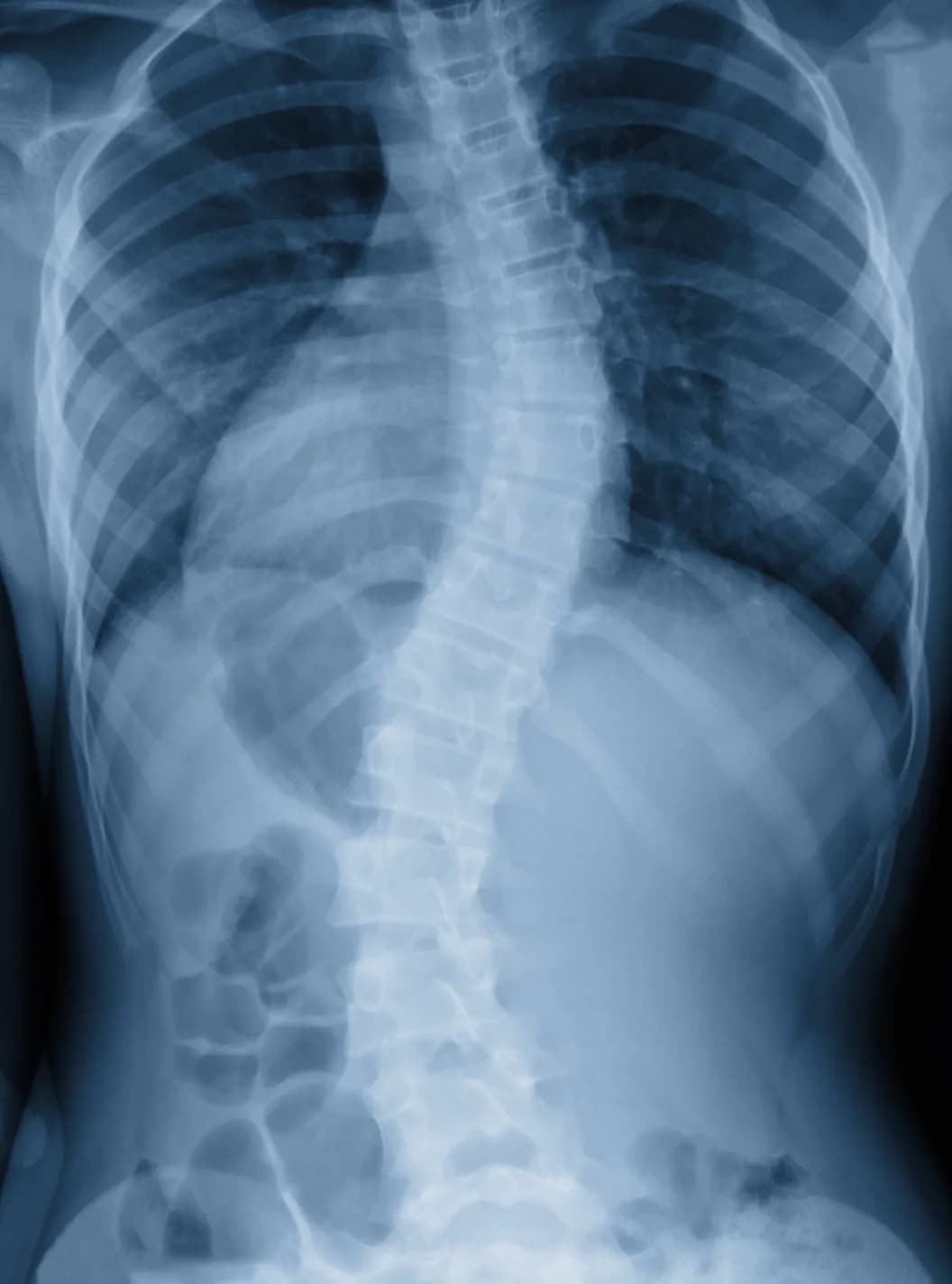
What is Idiopathic Scoliosis?
Scoliosis is a general term used for a sideways bend in the spine. There is a lot of fear and misunderstanding on this topic so today we are here to set the record straight.
Idiopathic scoliosis is the term given to scoliosis without a known cause. It is much more common than most people think, around 1-2% of school-aged children and 8% of adults, making it the most common type of scoliosis. The degree of curvature in the spine can vary and is split into three main categories.
- Mild Scoliosis: curves ranging from 10-25 degree
- Moderate Scoliosis: 26-40 degree
- Severe Scoliosis: 50 degree and above

Long-term Effects of Scoliosis
In general, those with mild to moderate scoliotic curves that take good care of their spine do not experience serious health complications stemming from the curve. By middle age, there is a slightly increased risk of developing disc degeneration and back pain induced by the asymmetric load on the spine. But this rarely has any deleterious effects on one’s quality of life in terms of pain, functional status or mental health.
It is possible for the scoliosis to progress, with the risk increasing as the severity of the curve increases. There is a 10-20% risk of progression for mild scoliosis and up to 70% in moderate to severe scoliosis. On the other hand, the older you are when your scoliosis develops, the less likely there is going to be significant progression of the curve as you continue to develop.
More severe lumbar curves are at risk of developing spinal stenosis and radiculopathy, so curve progression should be monitored annually. Severe thoracic scoliosis can limit the expansion of the heart and lungs so curves greater than 60 degrees should be further assessed for additional testing to determine the extent of cardiopulmonary involvement.
Goal of Treatment
The main goal of adult idiopathic scoliosis treatment is to improve flexibility of the curve and the overall spinal function. Effective scoliosis treatment involves clinical improvements in pain and function by decreasing asymmetries in the trunk, pectoral girdles, pelvic girdle and lower limbs. In individuals with mild scoliosis, there is some evidence that conservative care on its own may decrease the severity of the curve but this has only been seen in a minority of patients. Thus, the focus of treatment is on curve flexibility and spinal function.
Treatment for scoliosis depends on the case. It can range from watchful waiting, bracing, exercises, spinal manipulation and mobilization, and full spinal surgery. In general, bracing is only recommended for individual under 18 years of age who have not reached skeletal maturity and have a moderate scoliotic curvature, between 25 and 40 degrees. Once you reach adulthood, around 20 in females and 22 in males, the risk of continuous spinal curve progression is significantly reduced and the treatment is based largely on function rather than curve progression.
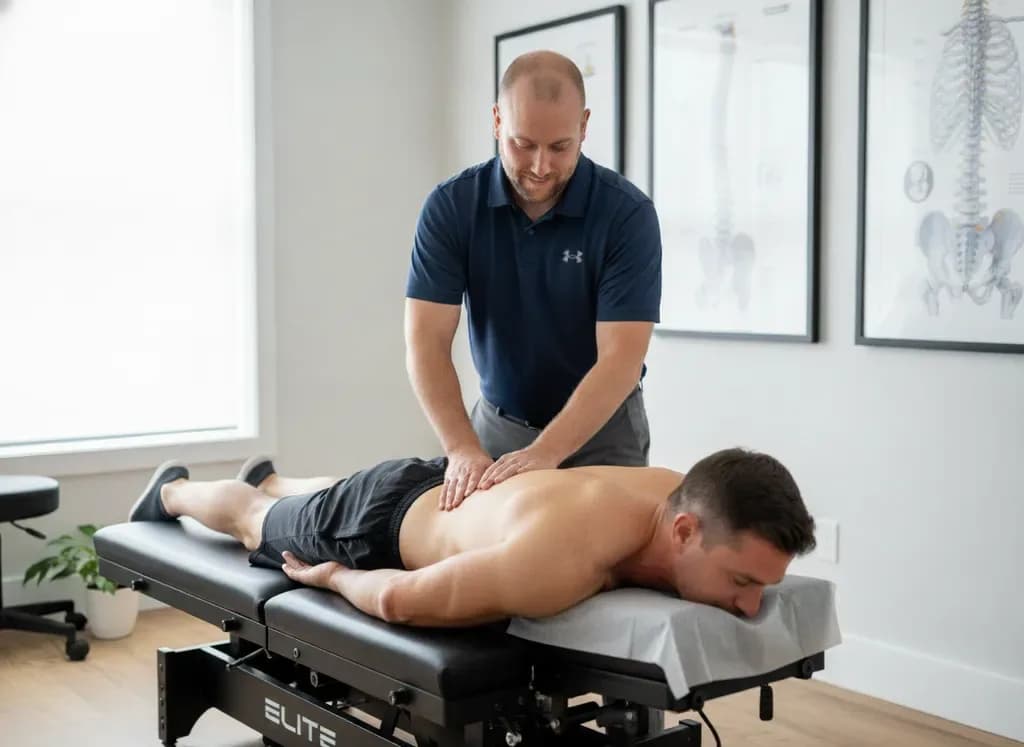
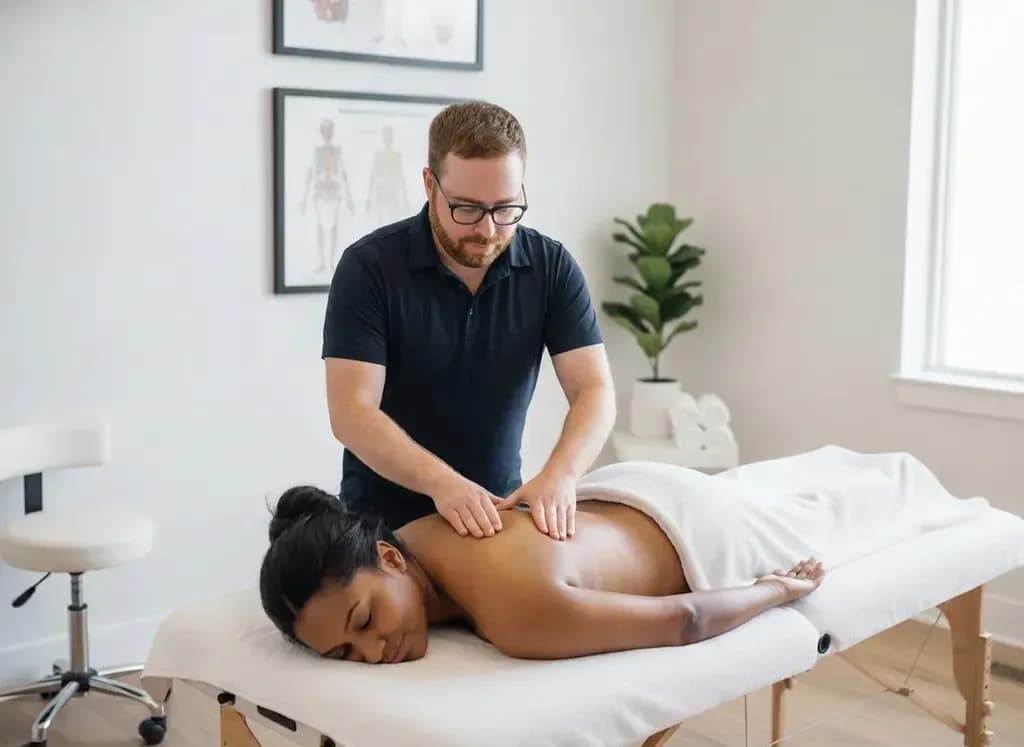
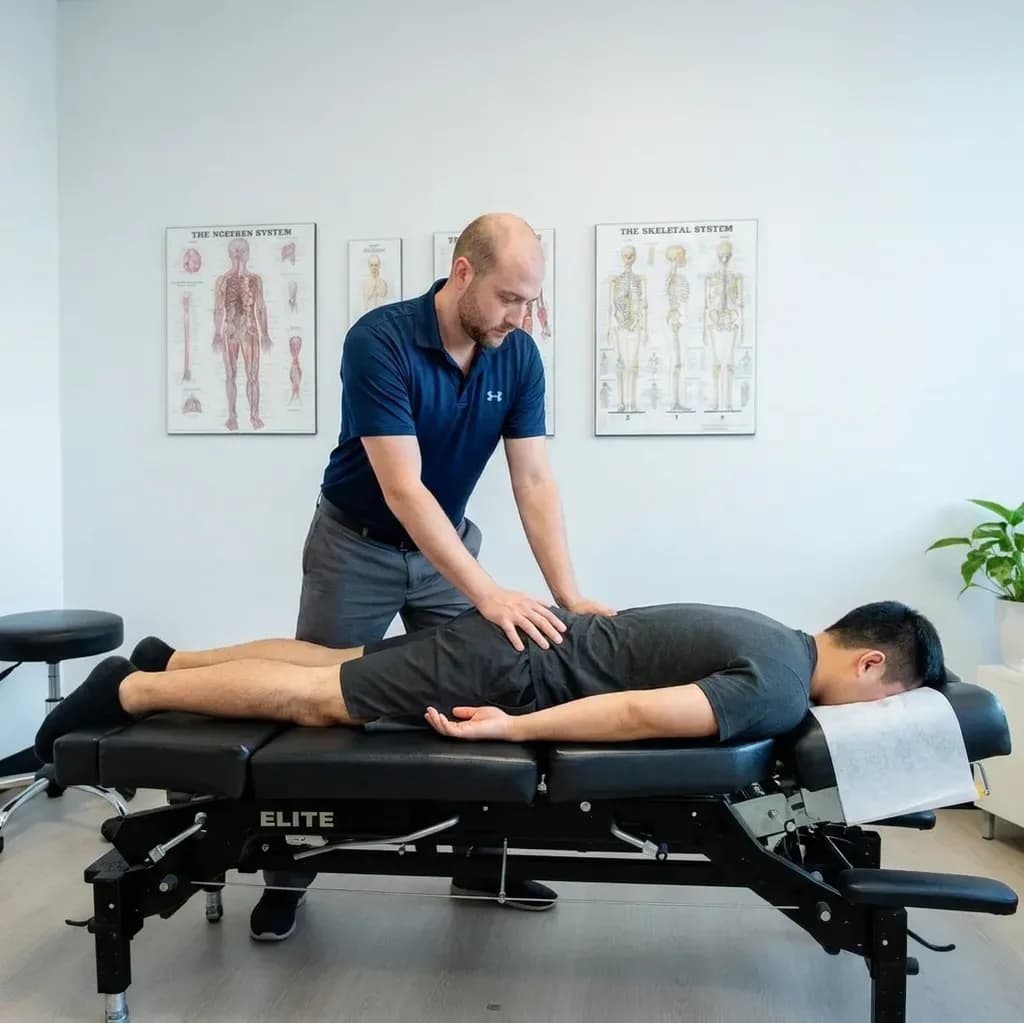
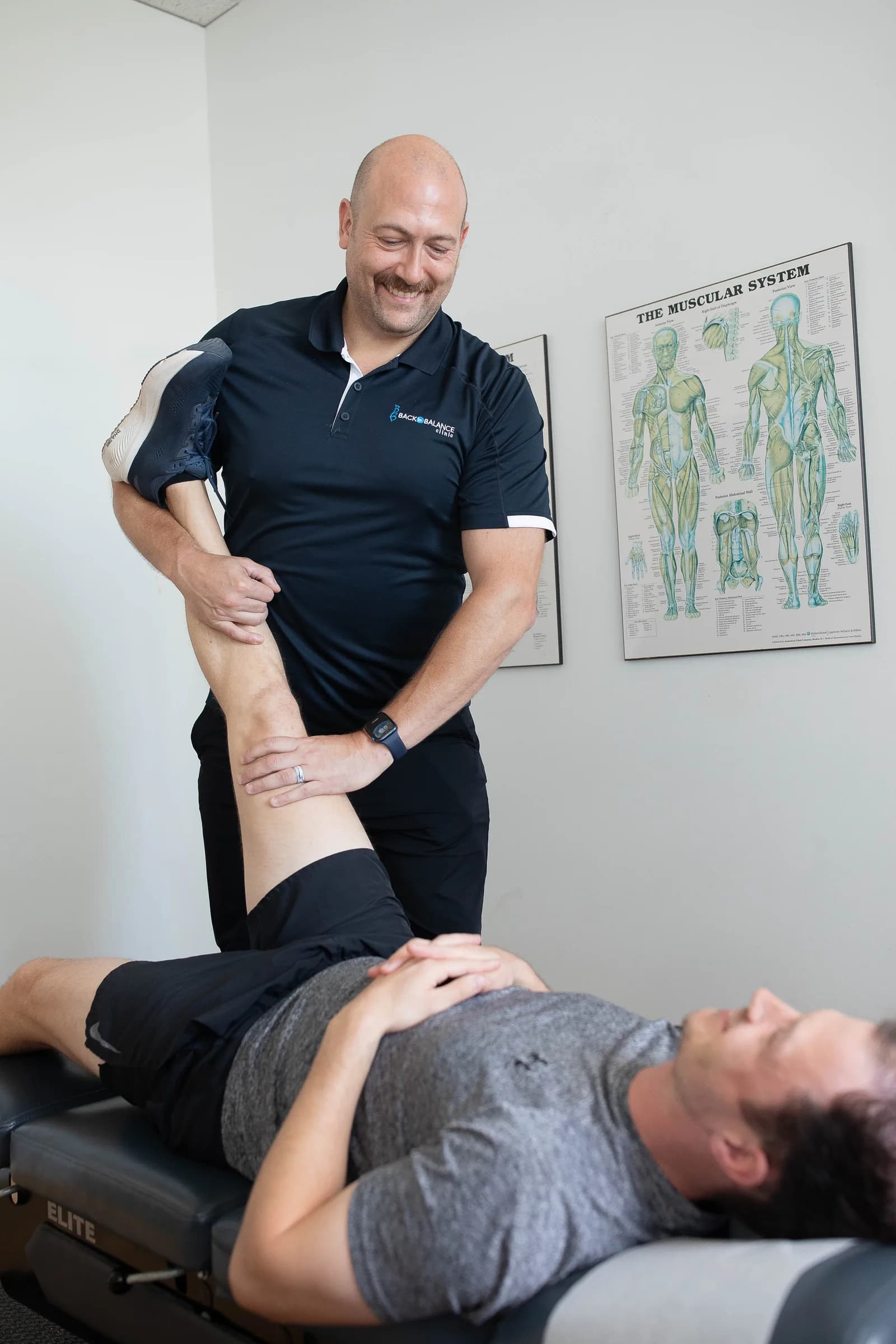
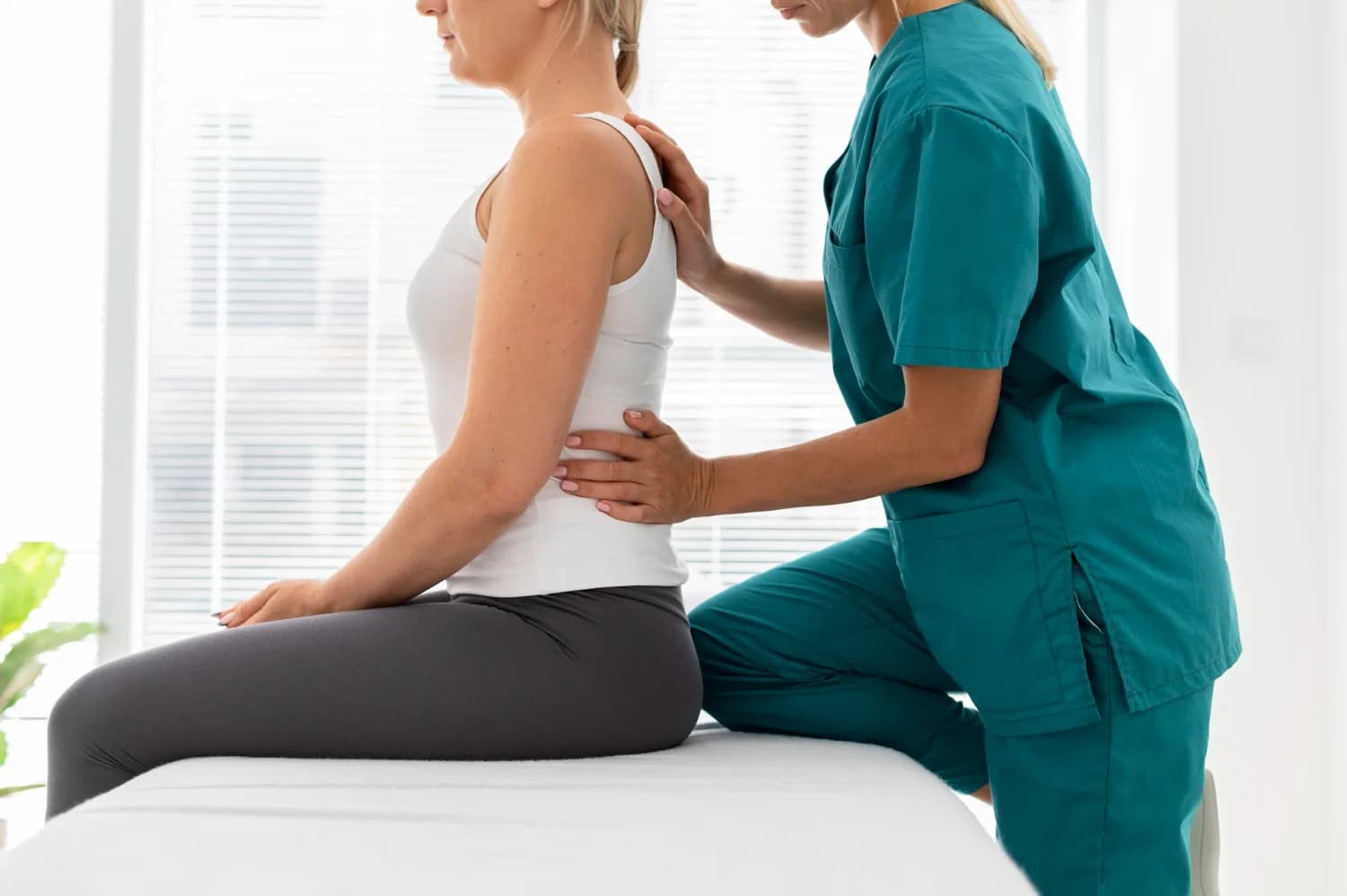
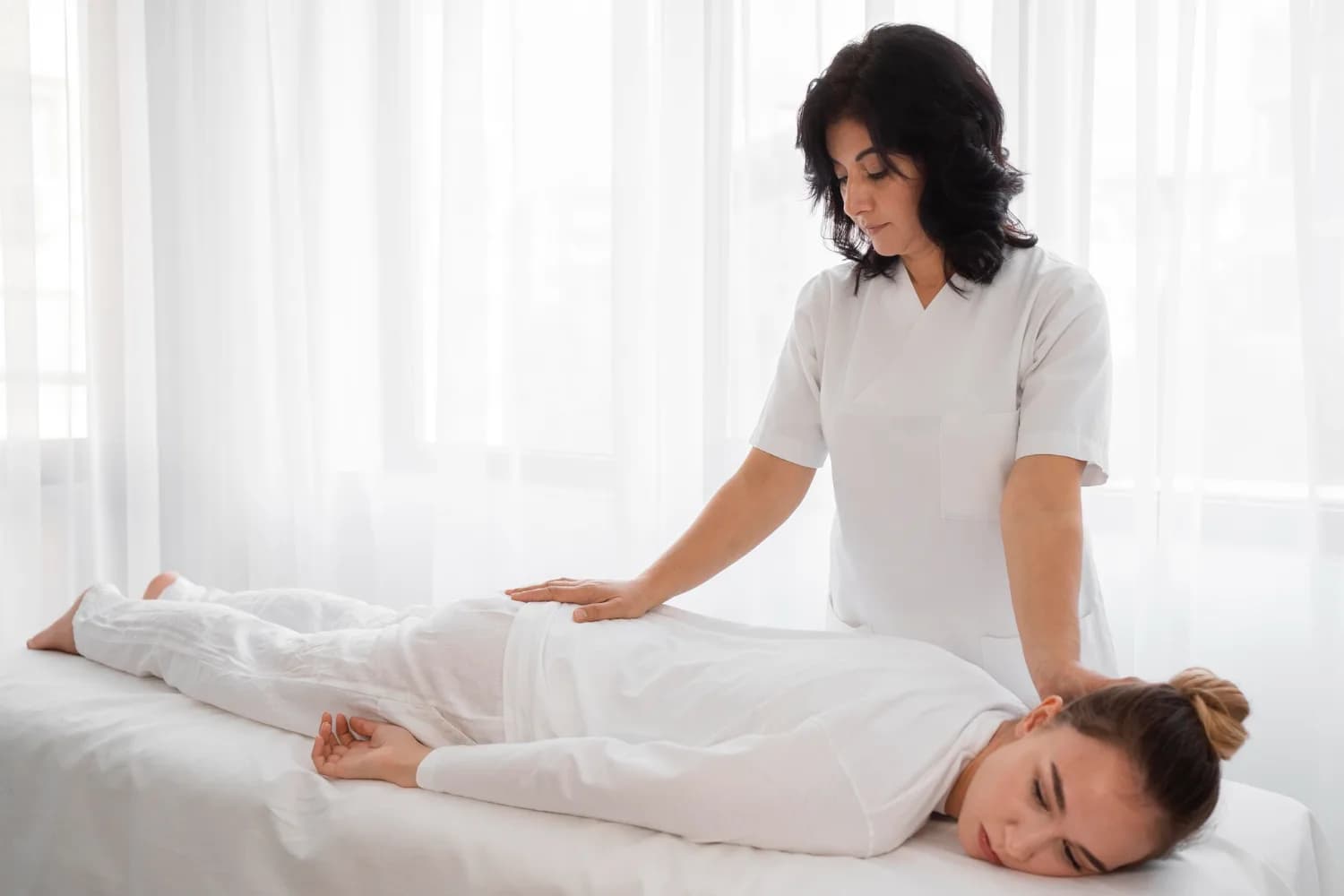
Some of the techniques that your chiropractor may choose to do with you include:
- Spinal manipulation
- Contract-relax therapy
- Passive and active myofascial release
- Trigger point therapy
- Joint mobilization
- Neuro mobilization
- Rehabilitation exercises
The goal of treatment in the adult population is to maintain as much spinal flexibility and to reduce as many function asymmetries as possible to prevent or reduce the symptoms associated with the scoliosis. For the vast majority of patients who come to our clinic, they have already finished growing and are thus not able to be braced and their curve is not severe enough for surgery. This leaves us with the option to manage their symptoms with conservative therapy. This is done with a combination of manual therapy and exercise prescription to try and treat the various skeletal changes associated with scoliosis and decrease the asymmetries that are present.
It is important to note that there is no evidence to suggest that any form of spinal manipulation can correct a spinal curvature, but rather helps with symptom relief.
What About Surgery?
Surgery is only recommended for patients who have adolescents scoliosis greater than 45 degrees or in adults with scoliosis curves greater than 60 degrees that significantly impact their life. Otherwise, surgery is not generally recommended. In general, we want to release tight muscles, strengthen weak muscles, reteach correct spinal mechanics and improve general stretch and neuromuscular control over the pelvic floor, scapula and thorax.
One of the biggest ideas that we try and get across with our patients with scoliosis is to be an active participant in their care. The chiropractor is not the only person doing the treatment. You need to learn about your curve, how you compensate for it and how you can continue to improve your overall function throughout the rehabilitation process outside of the clinical setting. Each curve is different so you are your chiropractor need to work together to develop a comprehensive plan that best suits you and lead to the best clinical outcome.
Looking to learn more about low back pain and x-ray imaging? Click HERE to read our blog post on the topic!
Want to book an appointment with one of our chiropractors or massage therapist? Click HERE to get started!
Related reading: How Motor Vehicle Accident Rehabilitation Works in Toronto.