

Winter shifts the way we move—especially in a city like Toronto, where sidewalks freeze, trails disappear under snow, and running routines start to change without warning. Every season brings its quirks, but once slush and ice settle in, your body works harder just to stay upright. For anyone who runs outside, trail conditions in December and January are not just about colder temperatures. They mean trickier footing, less predictable surfaces, and a greater chance of slipping, tweaking something, or compensating in ways that lead to pain later.
That is where preparation comes in. Getting a running gait analysis in Toronto before the ground gets icy helps you understand how your body moves before those challenges pile up. By starting now, you give yourself time to make small shifts that protect your stride and your joints all winter.
Why Your Running Gait Matters More in Winter
Running form always matters, but winter adds pressure to what is already off. Small problems that feel mild on dry pavement can turn into real issues when you are stepping around ice or bracing for balance. Your gait decides how your feet land, how your knees move, and how your hips absorb impact.
If your movement is off, slick ground can make it worse. Maybe one leg works harder, or your arches collapse as you grip on icy sidewalks. These shifts lead to soreness in ankles, knees, or low back, or throw off your stride altogether. Over time, that strain may leave you stiff, off-balance, or frustrated when running does not feel right anymore.
Having a stride that helps you stay light on your feet is especially key in winter, when you need your attention on the ground ahead. When form is dialed in, tension spreads more evenly through your muscles, making winter running less of a battle.
What a Running Gait Analysis Looks Like
A gait analysis is simple and practical. It often starts with walking or running on a treadmill while a video records your movement. Your posture, stride, and joint angles are checked from several angles so care providers can spot patterns.
This is not about judging performance. It is about seeing how your body works with every step. Professionals look for signs like how your foot strikes, if your stride favours one side, or if your knees track smoothly. Even the way one shoe strikes harder than the other can offer clues.
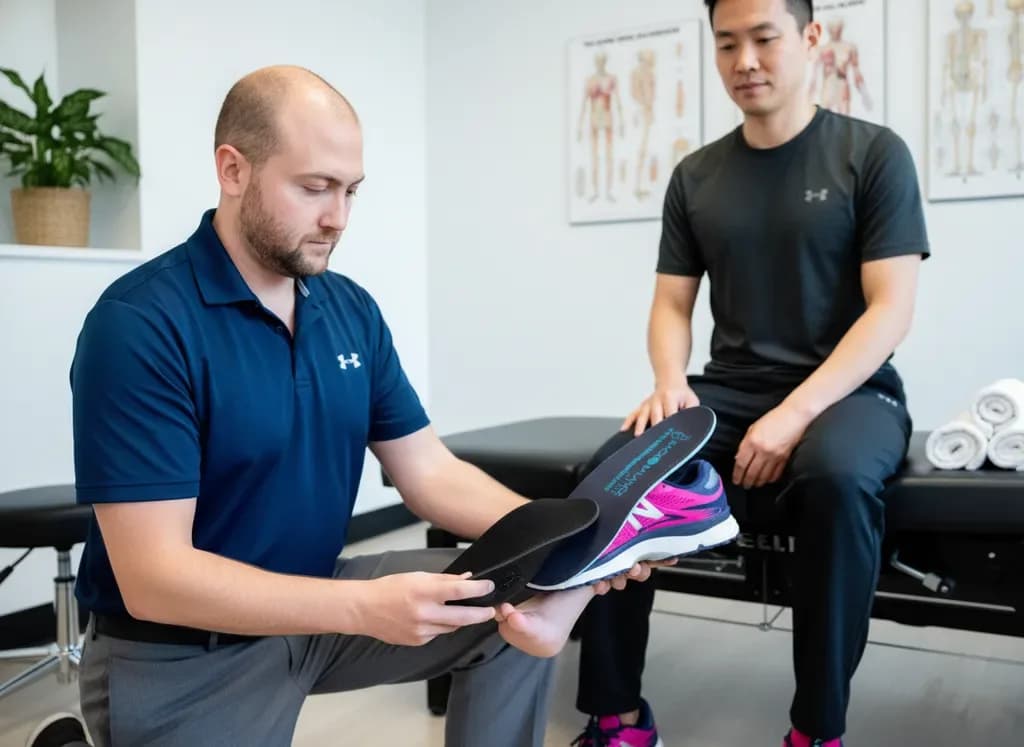
Small movement habits become much more obvious this way. Catching them now can save you pain later, before extra layers and slippery sidewalks make old issues harder to manage. At Back In Balance Clinic, gait analysis includes a review of foot mechanics and body alignment, so runners can address both shoe fit and stride.
The Benefits of Getting Assessed Before the Snow Falls
Timing your assessment is important. If you wait until you are running through snowbanks or feeling stiff hips, it makes recovery harder. An early gait analysis gives you a chance to correct things in small steps—changing shoes, building ankle strength, or fine-tuning your stride before winter stress hits.
Taking time to adapt means your body relaxes more as surfaces change, rather than bracing against them. It is also easier to adjust your runs, like mixing indoor training with nw movement drills that build on what the assessment finds.
You may still feel some winter soreness, but you start the season with a plan that protects your weaker spots and keeps small missteps from turning into ongoing problems. Being proactive helps you enter winter running with confidence and better comfort.
Common Patterns We See with Runners in Toronto
Running in the city brings its own habits and aches. Many Toronto runners have tight hips from long hours at a desk, foot misalignment from walking on concrete, or shoes that need replacing after months on the pavement.
Winter highlights these patterns. If one ankle rolls in, uneven ground will tell you. If your stride is uneven, icy ground or slush will call it out. Shoes can make a difference too—if your treads are worn or heel support feels loose, your risk of strain climbs with every winter step.
It is not about shame, it is just how life in the city shows up in your body. Gait analysis often finds long-standing issues that only become problems once conditions get trickier.
The Long-Term Value of Starting with Gait
Winter makes us rethink how we move. Shorter days, cold air, and time on treadmills or indoor tracks all highlight lingering issues. Maybe there is a shin ache that never left. Maybe you have always wanted to fix your stride, but there was never time.
A running gait analysis in Toronto can be the starting point for change, building habits that carry you into spring and beyond. Small corrections in stride, foot placement, or shoe choice do more than help in winter—they make every season of running easier.
Knowing how you move gives you active control over your body, so you do not just react to pain. You move forward feeling stronger, safer, and ready to build more distance without setbacks.
Move Smarter When Toronto Paths Freeze Over
Toronto winters roll in quietly—one icy patch or snowy step at a time. If you have not prepped for that shift, the aches and pains can catch you by surprise.
A gait analysis now gives you a strong foundation. It aligns your form with winter’s demands so you can face cold, slick sidewalks with more confidence. It is as much about peace of mind as better movement.
As you suit up for winter runs, remember your stride is just as important as warm gear. With smart prep, running can stay comfortable and fun, all season long.
Winter running in Toronto challenges more than just your lungs—it tests your body’s balance and movement too. Sidewalks get slick, muscles tighten in the cold, and even small missteps can throw things off. We’ve seen how a quick check of your stride before the snow really hits can make a big difference. If you’re ready to move with less strain this season, let’s get started with a proper running gait analysis in Toronto at Back In Balance Clinic.
Related reading: How Motor Vehicle Accident Rehabilitation Works in Toronto.