Plantar fasciitis & heel pain
First-line conservative care for stubborn heel pain and plantar fascia overload, offloading the fascia so it can settle while you keep moving.

Custom-made foot orthotics designed to correct your specific biomechanical pattern, overpronation, supination, or asymmetry, built from a 3D optical foot scan.
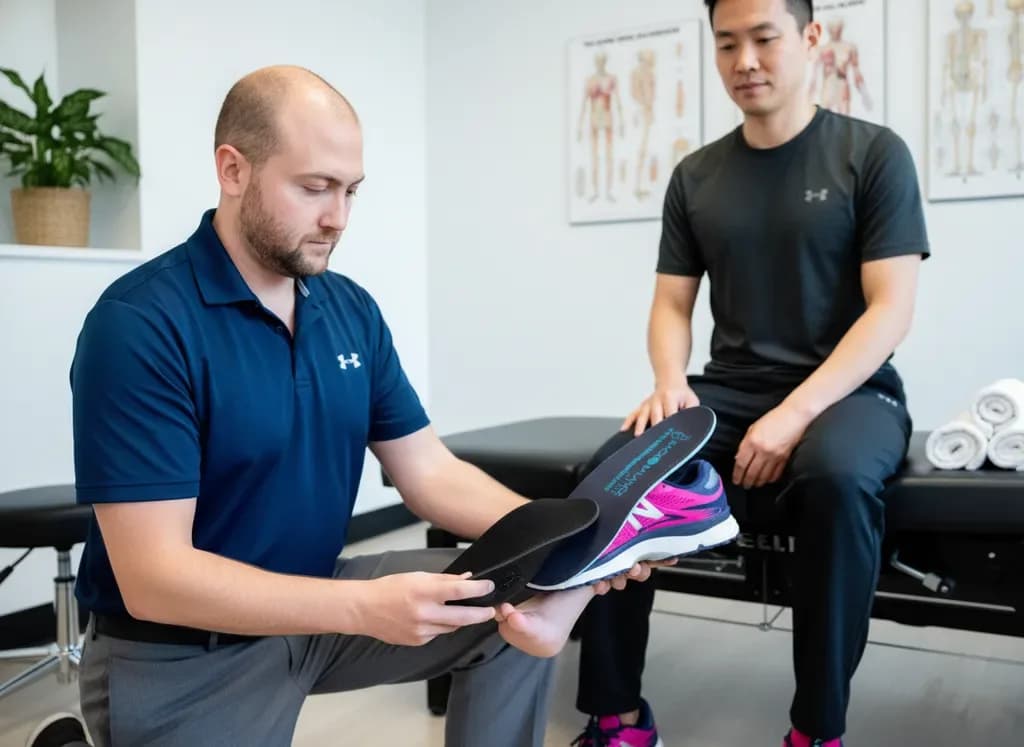
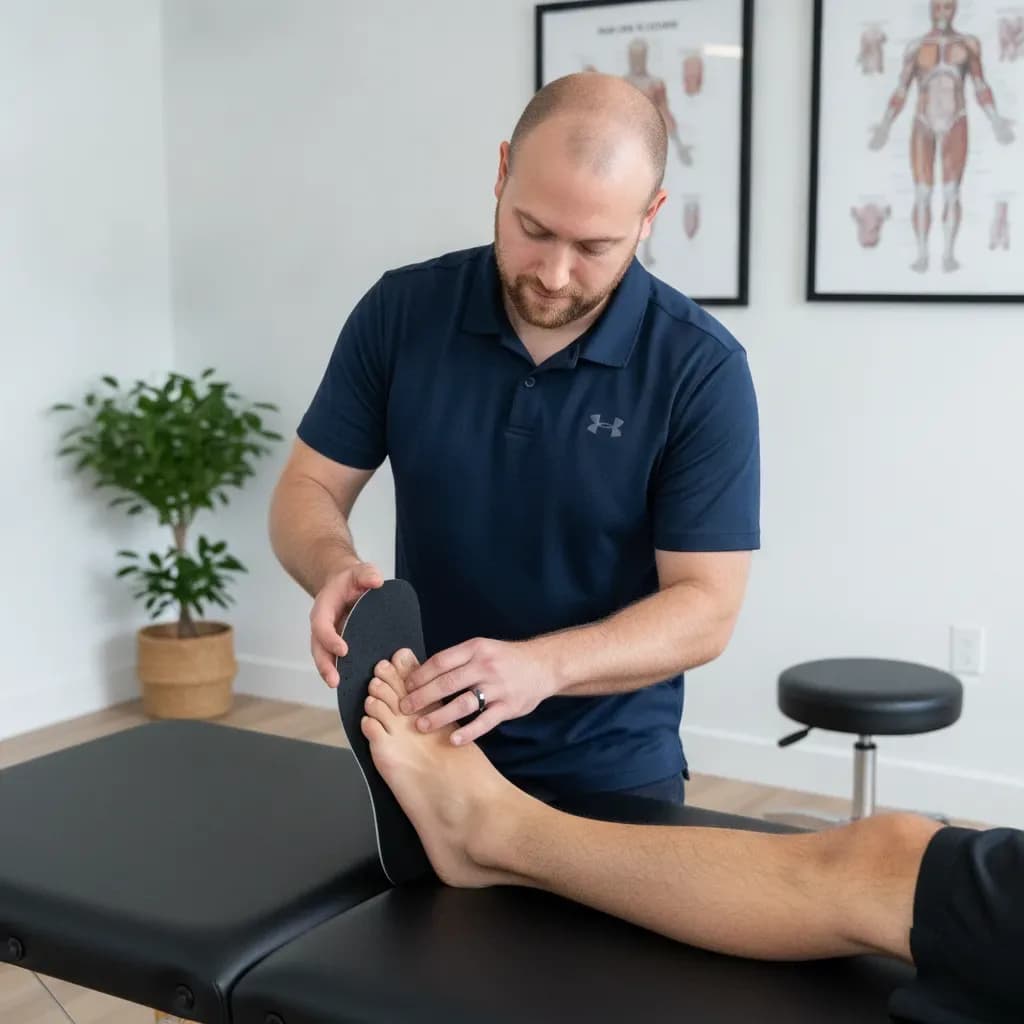
Custom orthotics are prescription medical devices made to correct your specific foot pattern, not a one-size-fits-all cushion. Unlike off-the-shelf inserts, they're built after a hands-on foot-and-gait assessment and a 3D optical scan of your feet, so the correction is tied to how you actually move and load your feet, not a generic arch shape.
By guiding and reducing problem movement through the gait cycle, most often overpronation, but also supination, arch collapse, or a left-to-right asymmetry, orthotics lower the strain that travels up the kinetic chain to the ankles, knees, hips, and lower back. The goal isn't to make your feet dependent on a device; it's to take the abnormal load off the tissues that keep flaring up so they can settle and rebuild.
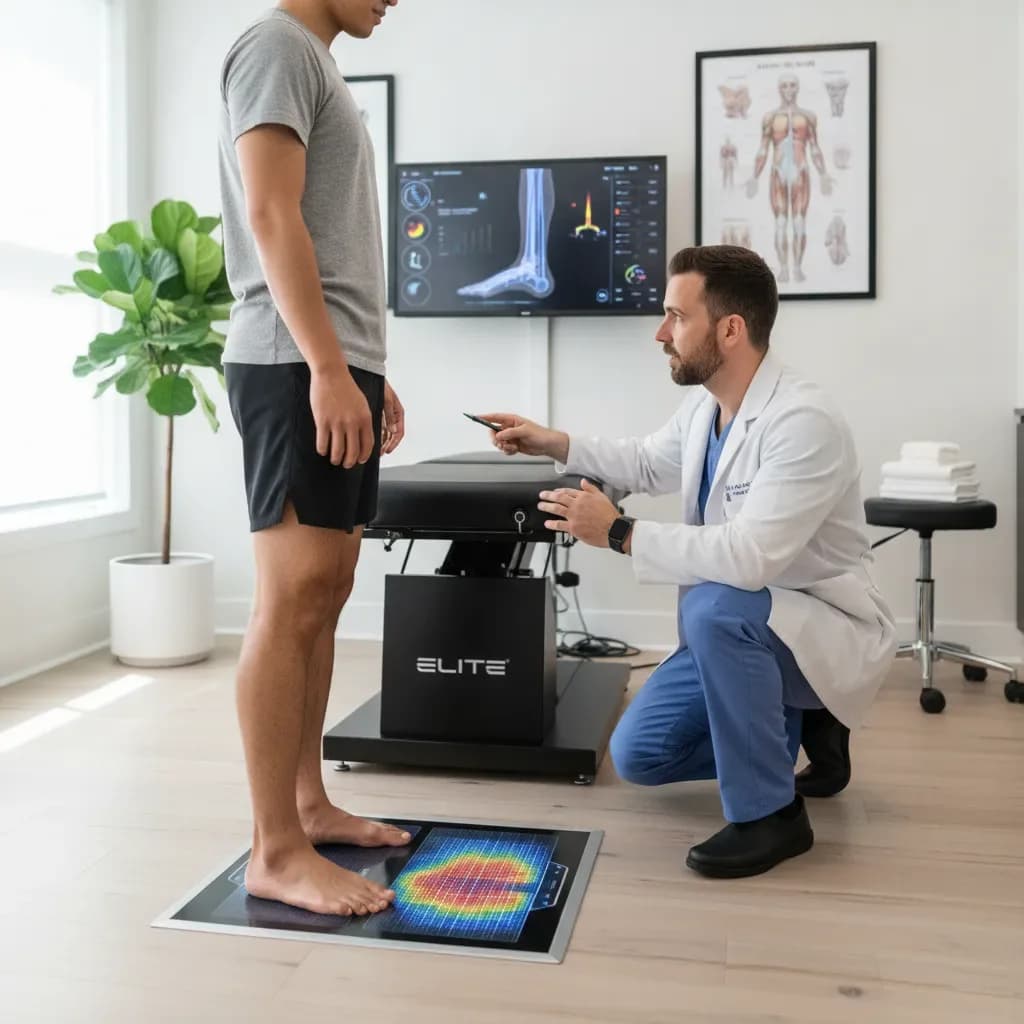
Every pair starts with a clinical foot-and-gait assessment, not a sales pitch. We take a history of where and when your symptoms show up, look at your arch height and foot posture in standing, and watch how your foot strikes, rolls, and pushes off through the gait cycle. We also screen up the chain, ankle, knee, and hip mechanics, because the foot is rarely the whole story.
Only when the assessment shows a specific, correctable pattern do we capture a 3D optical scan of your feet to define the prescription. That data drives the build, so the correction matches your mechanics rather than a default template. If your assessment doesn't suggest orthotics will help, we'll tell you, and point you to the care that will.
First-line conservative care for stubborn heel pain and plantar fascia overload, offloading the fascia so it can settle while you keep moving.
Lower-limb overuse from running, sport, and long days on your feet. Orthotics often pair with rehab and other clinic care to share the load.
Running injury guideWhen foot and ankle mechanics drive an upstream load pattern, correcting at the foot can change what's happening at the hip and lower back.
Lower back painA leg-length difference, a flattening arch, or a one-sided pattern that keeps loading the same tissues, addressed at the source rather than masked.
We keep the process clear and honest from the first visit. Many extended health plans include orthotics, bring your details and we'll confirm what's involved before anything is ordered.
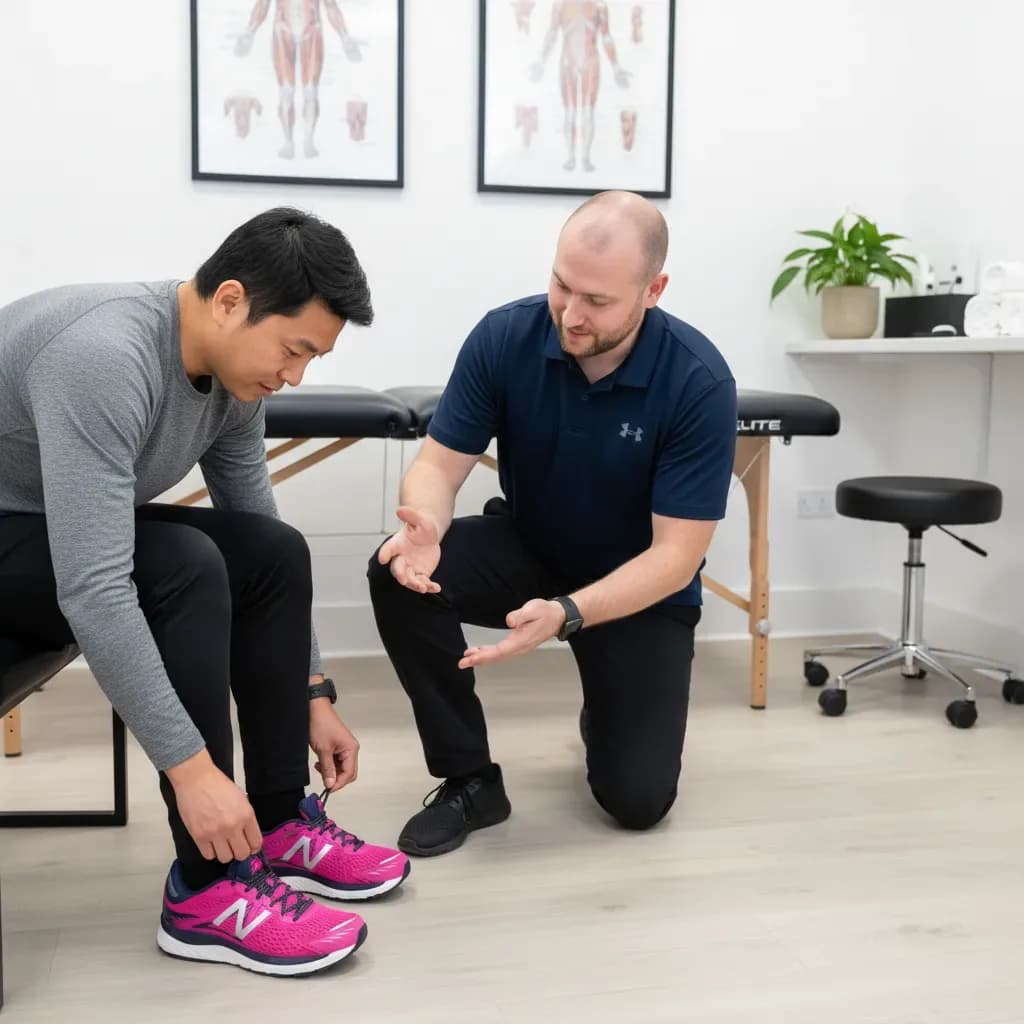
New orthotics change how your feet load, so they take a short adjustment period. We'll have you wear them in gradually, short stretches at first, building up over roughly two weeks, so your feet, ankles, and the muscles up the chain adapt comfortably rather than all at once. A little awareness in the first few days is normal; sharp or lasting pain is not, and it means we should take another look.
With daily use and reasonable care, a pair of custom orthotics typically holds its correction for about a year before the shell starts to compress. The top covers wear out before the shell does and can usually be replaced without re-scanning. When the symptom they were prescribed for starts creeping back, that's the signal to be re-assessed and re-issued, not to push a worn pair further.
Custom-built
To your assessment
~1 year
Typical lifespan
2-week
Break-in window
Downtown
Toronto clinic
If your pain is load-related, a whole-body movement screen finds the pattern driving it, and tells us whether orthotics are the right tool at all.
Movement assessmentWhen foot mechanics are loading the knee, hip, or lower back, hands-on chiropractic care addresses what's happening above while the orthotic addresses the foundation.
See chiropractic careFor low back and hip pain with a clear foot-driven component, correcting the base supports the rehab work higher up the chain.
Lower back painA few words from patients whose custom orthotics took the strain off feet, knees, and backs that kept flaring up.
“I was skeptical I'd only be comfortable in running shoes, but they fitted me so the pair works in my dress shoes for the office and my athletic shoes on weekends. Honest advice the whole way through.”
“My knees and shins used to ache after every run. They actually checked how I move before prescribing anything, and the orthotics, alongside the exercises they gave me, finally let me build my mileage back up.”
“Heel pain had made my first steps every morning miserable for months. After a proper assessment and a custom pair, the difference within a few weeks was night and day, I can walk first thing again without bracing for it.”
About custom orthotics
About the clinic
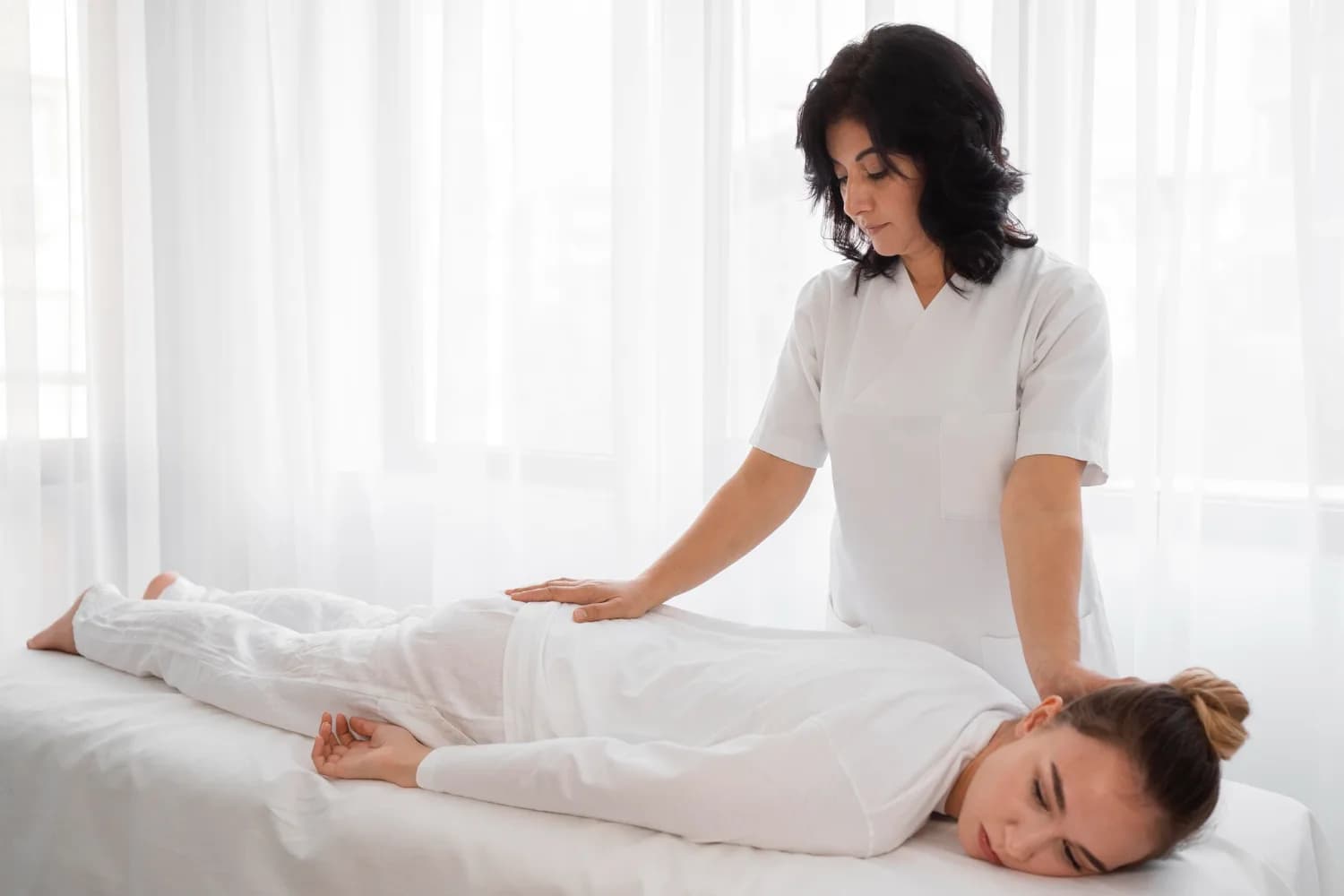
Warmer weather can bring new movement, and new aches. Learn how massage therapy in Toronto shifts with the season to help your body adjust.
Read the article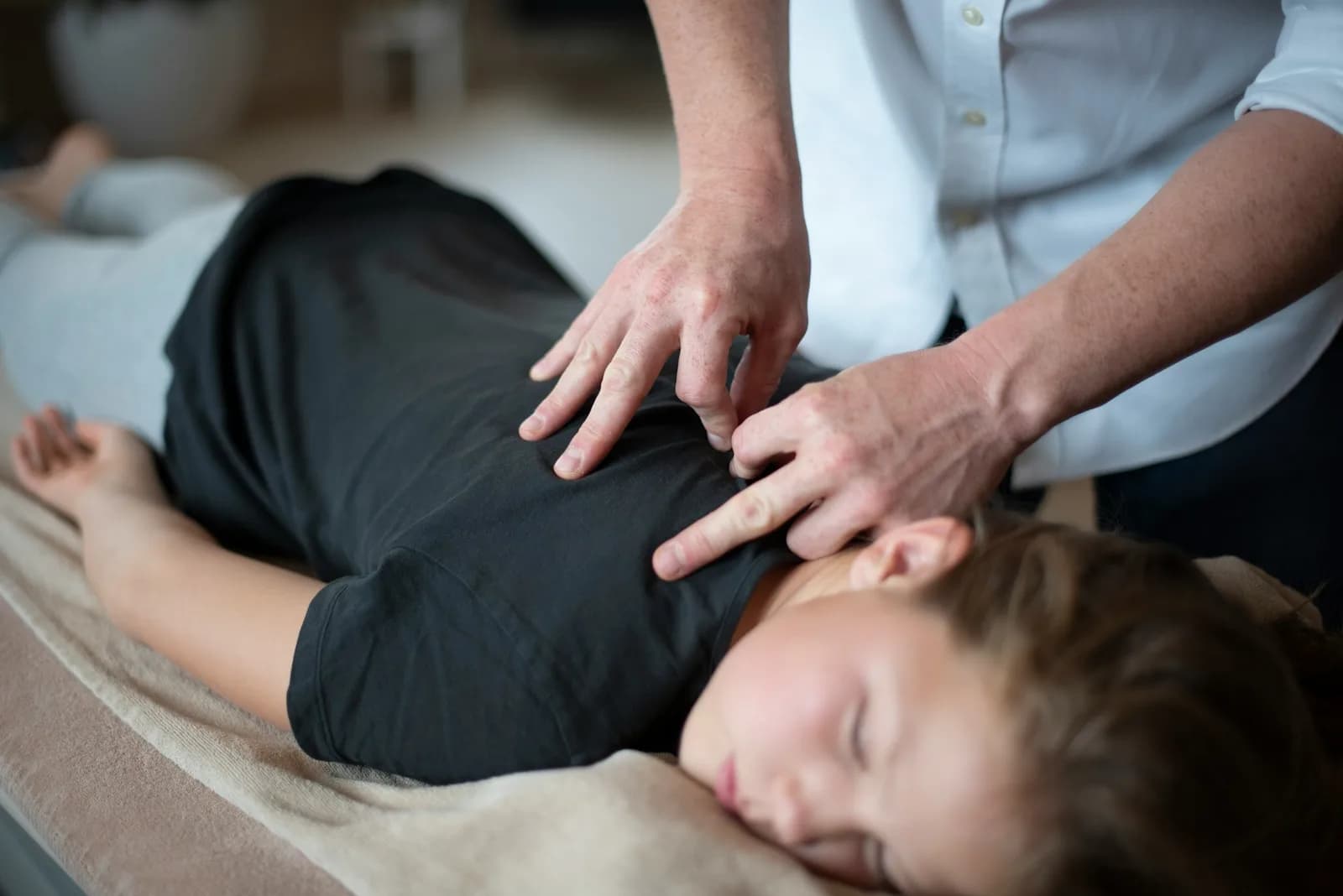
Learn how a sports injury chiropractor supports young athletes in Toronto with gentle care that improves healing, movement, and injury prevention.
Read the article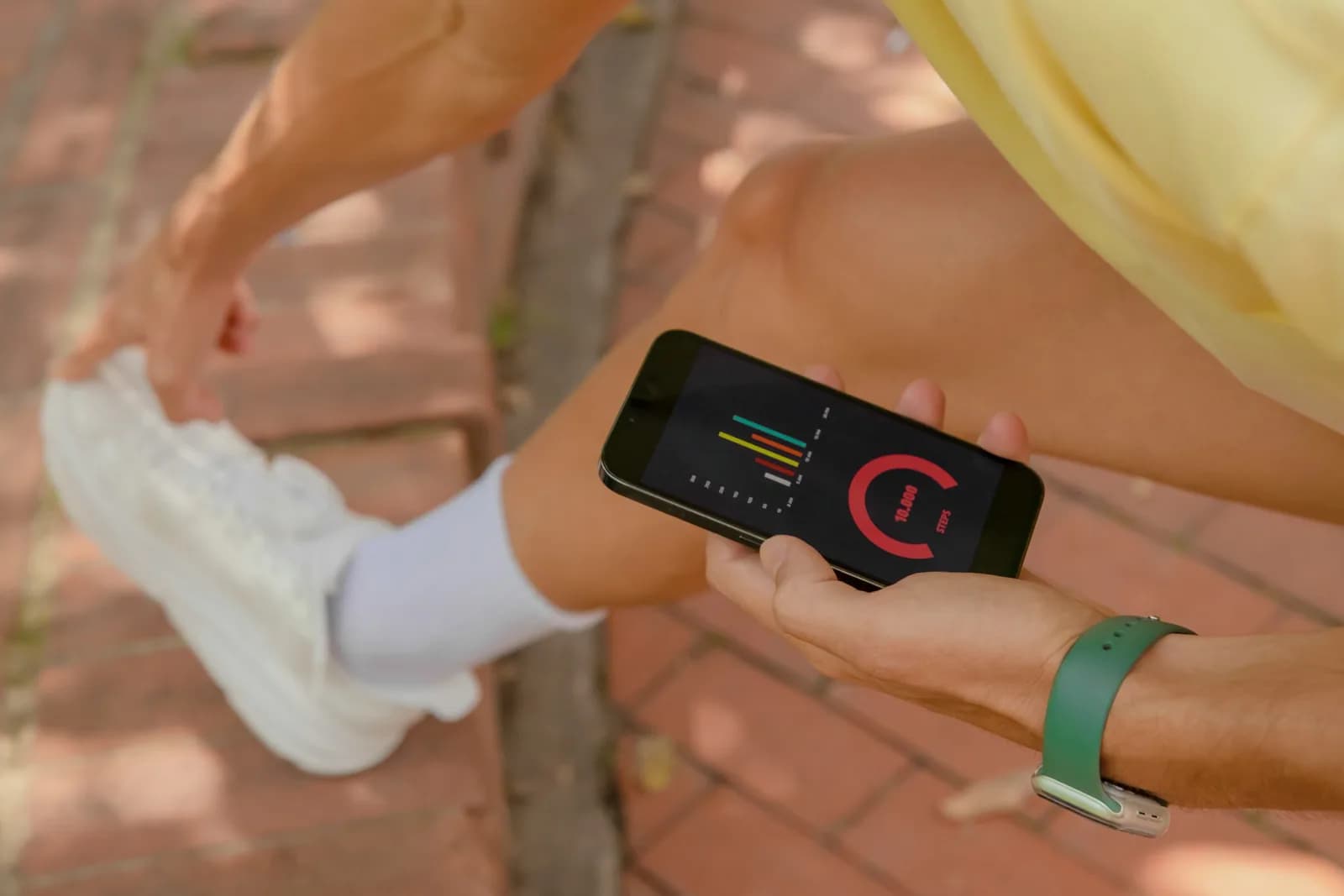
A running gait analysis in Toronto can help you avoid injuries, improve your stride, and stay steady on slick sidewalks this winter.
Read the articleTell us what you need from custom orthotics and the front desk will match you with the right practitioner.