Scoliosis is a common condition of the spine and I see it frequently in my practice. It is characterized by a curvature in the spine, usually from side to side. Although it is a complex three-dimensional deformity, on an X-ray, viewed from the rear, the spine of an individual with scoliosis may look more like an “S” or a “C” than a straight line. The amount of curvature can range from a barely noticable few degrees to nearly >70-80 degrees. Scoliosis is most often idiopathic (i.e. no-one knows what really causes it), but there are other types as well, that are less common. In the case of the most common form of scoliosis, adolescent idiopathic scoliosis, the cause may be attributed to a number of factors, including genetics. This condition affects approximately 7 million people in the United States.

- Low back pain one of the most common complaints in adults with scoliosis
- Estimated that 60-90% of people have suffered from low back pain
- Annual incidence is estimated at 5%
- The prevalence is no more associated in scoliotic patients than those of the general population
- Attempts to look at severity of low back pain in patients with scoliosis
- Some studies have suggested that the back pain in people with scoliosis is permanent and severe in nature, especially in cases of lumbar or thoraco-lumbar scoliosis
- Complications of scoliosis at it’s worse involves cardiorespiratory distress, limited functional properties of the spine, and back problem
- Common surgical option is surgical fusion with a Harrington Rod
- Surgical outcome measures have often focuses on objective signs such as radiographic measurement of the angle of the curve (Cobb Angle)
- Association of LBP with fusion is controversial
METHODS
- Patients hospitalized in a Spine Rehabilitation Hospital with chronic low back pain
- 50 patients with lumbar scoliosis and 50 control patients matched with age and gender
- Patients were given interviews to determine the severity of their low back pain and examined according to a standardized spine exam, which involved the taking of x-rays, and measurement of angles such as Cobb and lumbar lordosis
RESULTS/CONCLUSION
- Average age was 62 in both scoliosis and control groups and the ratio of male to female was equal
- Average Cobb angle in scoliosis patients was 24°
- In both groups, pain was intermittent in 23 patients, and permanent (daily) in 27 patients
- Intensity was similar in the two groups
- LBP in those with lumbar scoliosis was more uniform in starting intermittently and with less frequent episodes
- No association between the duration of LBP and parameters of scoliosis
- Crualgia was associated with the presence of rotary dislocation
- Inguinal pain was linked to the Cobb angle
- Significant differences were found between pre- and post operation in terms of general health, vitality, social function, and bodily pain
- Only 6 patients who reported LBP actually had signs on physical examination
- Cobb angle was significantly reduced after surgery
HOW CHIROPRACTIC CARE CAN HELP
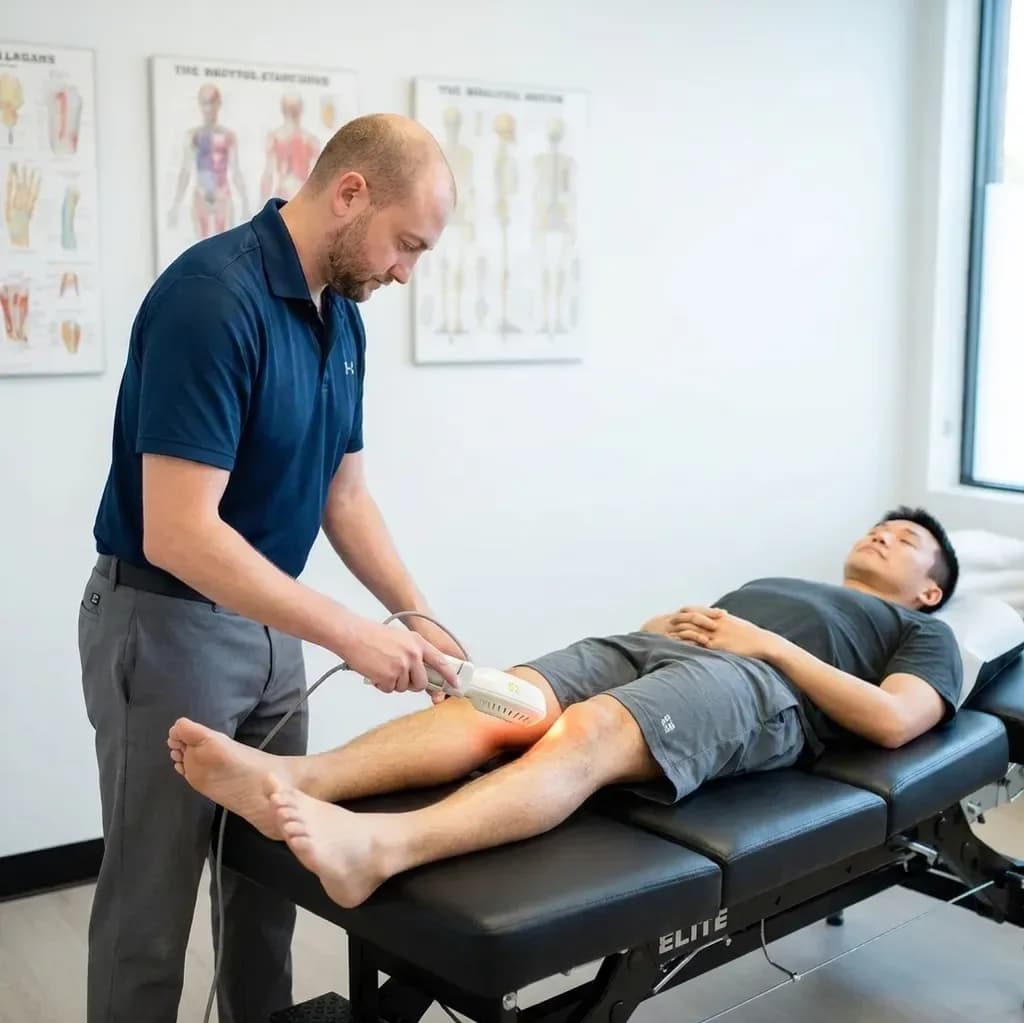
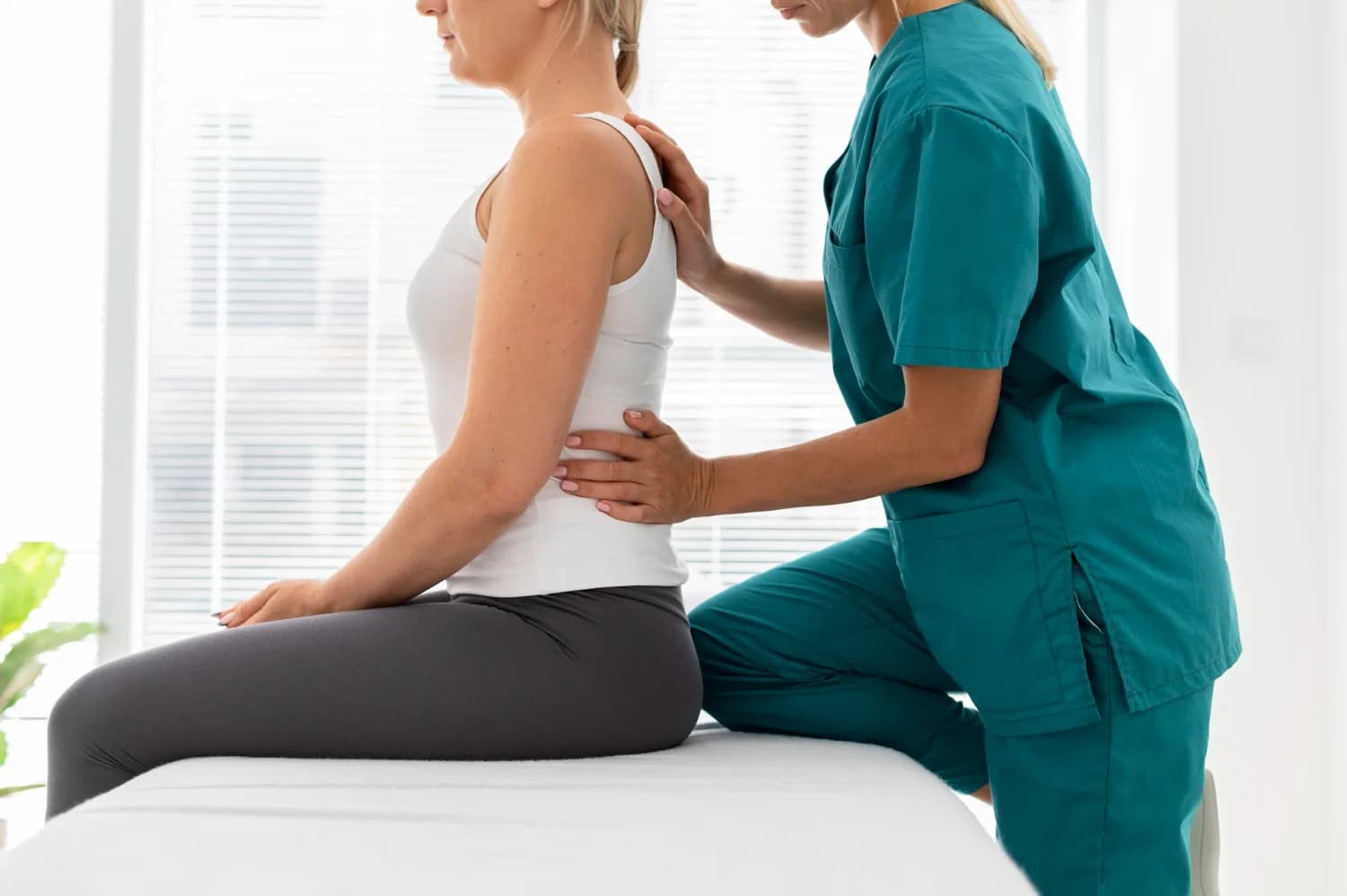
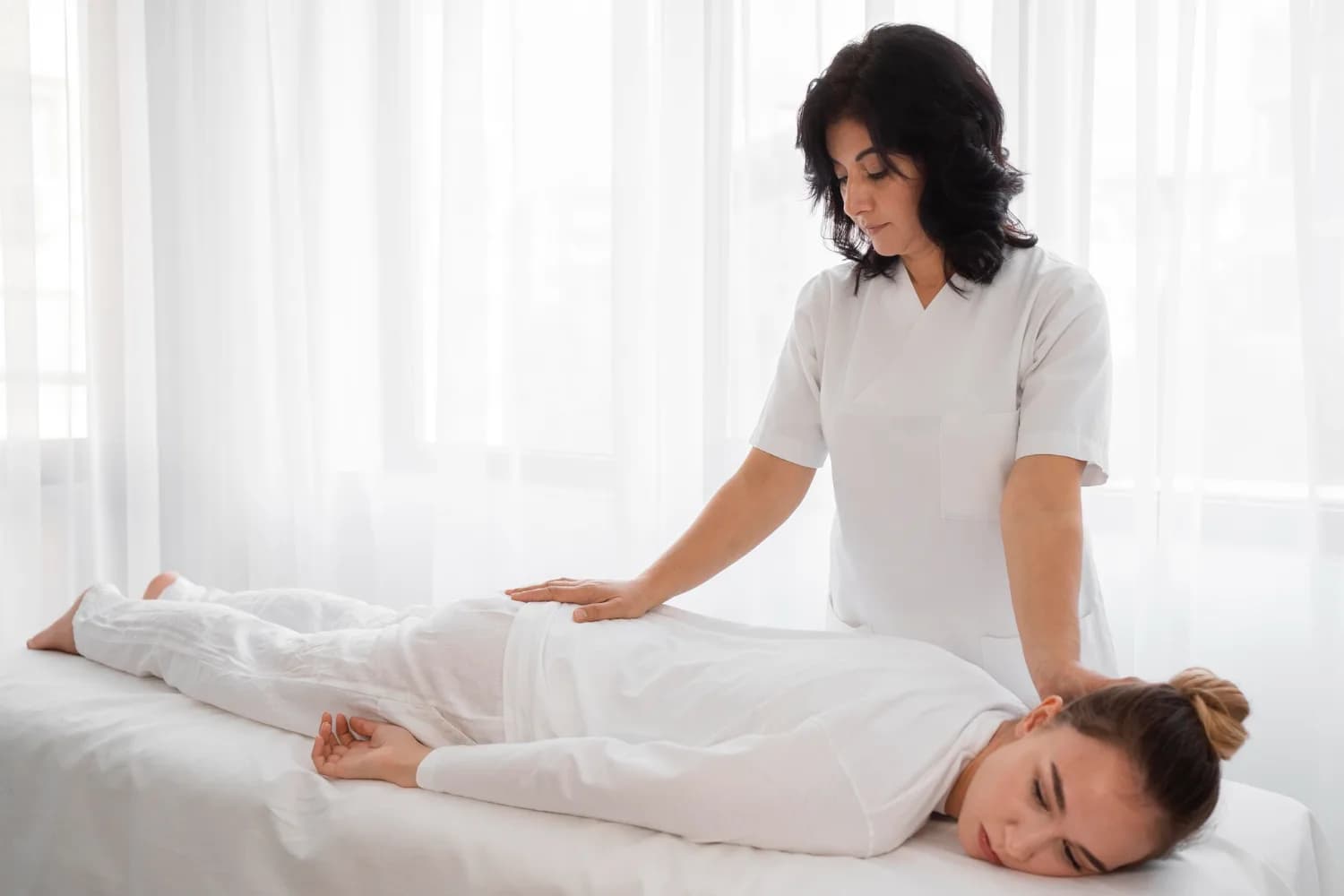
Chiropractic care can help with scoliosis in a few ways. Should pain be experienced, soft tissue work and exercise can help stabilize the spine and strengthen the tissues. Laser treatments can also help deal with pain and promote tissue healing. Stretches can also help deal with tension in the muscles experienced. Postural evaluation and dealing with the mechanics is important. Often with scoliosis, there will be mechanical issues that can be fixed with regular treatment and orthotic prescription. Chiropractic care cannot fix or reverse scoliosis. Often, scoliosis is an anatomical change that cannot be reversed. The care would be supportive, in helping one deal with the complications of having a spinal curvature. By doing this, the goal is to make one more functional and able to go about their daily lives pain-free.
REFRENCES
Gremeaux, V. et al. 2008. Analysis of Low Back Pain in Adults with Scoliosis. Spine. 33(4): 402-405
Pauda, R. et al. 2001. Patient Outcomes After Harrington Instrumentation for Idiopathic Scoliosis: A 15-28 Year Evaluation. SPINE. 26(11): 1268-1273
Related reading: Why See a Toronto Chiropractor When You Have Post-Holiday Aches.