Scoliosis: Does it cause pain?
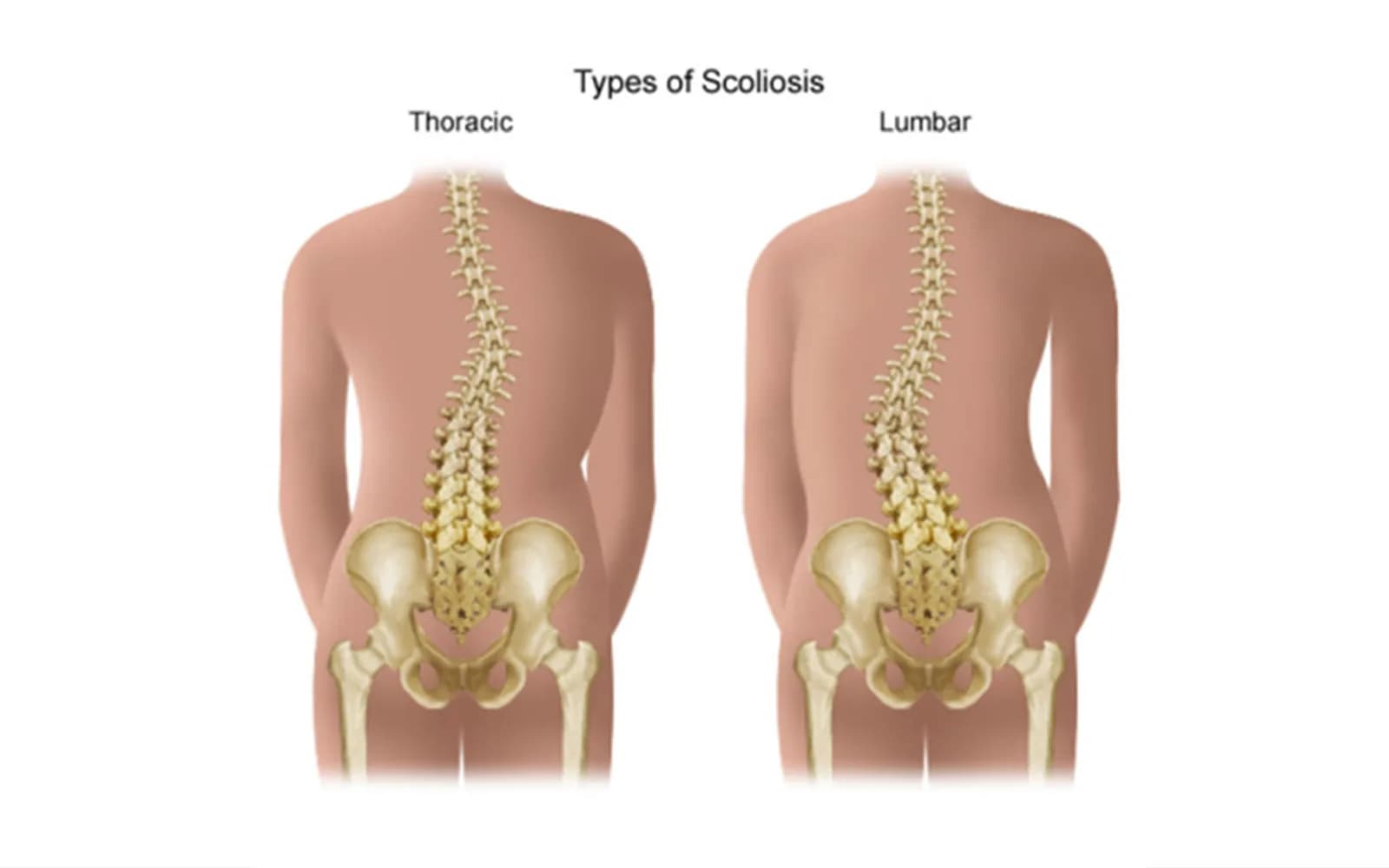
Scoliosis is a common condition of the spinal column and I see it often in my practice. It is defined by a curvature in the spinal column, generally from side to side. It is a complicated three-dimensional defect, on an X-ray, viewed from the back, the spinal column of an individual with scoliosis may look more like an “S” or a “C” than a straight line. The quantity of curvature can vary from a hardly noticable few degrees to nearly > 70-80 degrees. Scoliosis is frequently idiopathic (i.e. no-one understands what actually triggers it), however there are other types as well, that are less typical. When it come to the most typical type of scoliosis, teen idiopathic scoliosis, the cause may be attributed to a variety of elements, including genetics. This condition impacts roughly 7 million individuals in the United States.
- Low pain in the back one of the most common grievances in grownups with scoliosis
- Approximated that 60-90 % of individuals have struggled with low back pain
- Annual occurrence is approximated at 5 %.
- Said that the occurrance disappears associated in scoliotic clients than those of the general population.
- Efforts to take a look at seriousness of low pain in the back in clients with scoliosis.
- Some researches have recommended that the pain in the back in people with scoliosis is long-term and extreme in nature, particularly in cases of lumbar or thoraco-lumbar scoliosis.
- Issues of scoliosis at it’s worse includes cardiorespiratory distress, restricted practical buildings of the spinal column, and back issue.
- Common medical option is medical blend with a Harrington Rod.
- Surgical outcome steps have commonly concentrates on goal indicators such as radiographic measurement of the angle of the curve (Cobb Angle).
- Association of LBP with combination is controversial.
METHODS.
Clients hospitalized in a Spinal column Recovery Healthcare facility with persistent low pain in the back. 50 patients with lumbar scoliosis and 50 control patients matched with age and gender. Patients were given interviews to identify the severity of their low pain in the back and analyzed according to a standardized spinal column test, which involved the taking of x-rays, and measurement of angles such as Cobb and lumbar lordosis.
RESULTS/CONCLUSION.
- Average age was 62 in both scoliosis and control groups and the ratio of male to woman was equivalent.
- Typical Cobb angle in scoliosis clients was 24 °.
- In both groups, pain was intermittent in 23 patients, and irreversible (day-to-day) in 27 patients.
- Intensity was comparable in the two groups.
- LBP in those with lumbar scoliosis was more uniform in starting periodically and with less regular episodes.
- No association in between the duration of LBP and specifications of scoliosis.
- Crualgia was related to the presence of rotary dislocation.
- Inguinal discomfort was linked to the Cobb angle.
- Substantial differences were found in between pre- and publish operation in terms of basic health, vitality, social function, and bodily pain.
- Just 6 patients who reported LBP in fact had signs on health examination.
- Cobb angle was significantly reduced after surgical treatment.
HOW CHIROPRACTIC CARE CAN HELP.
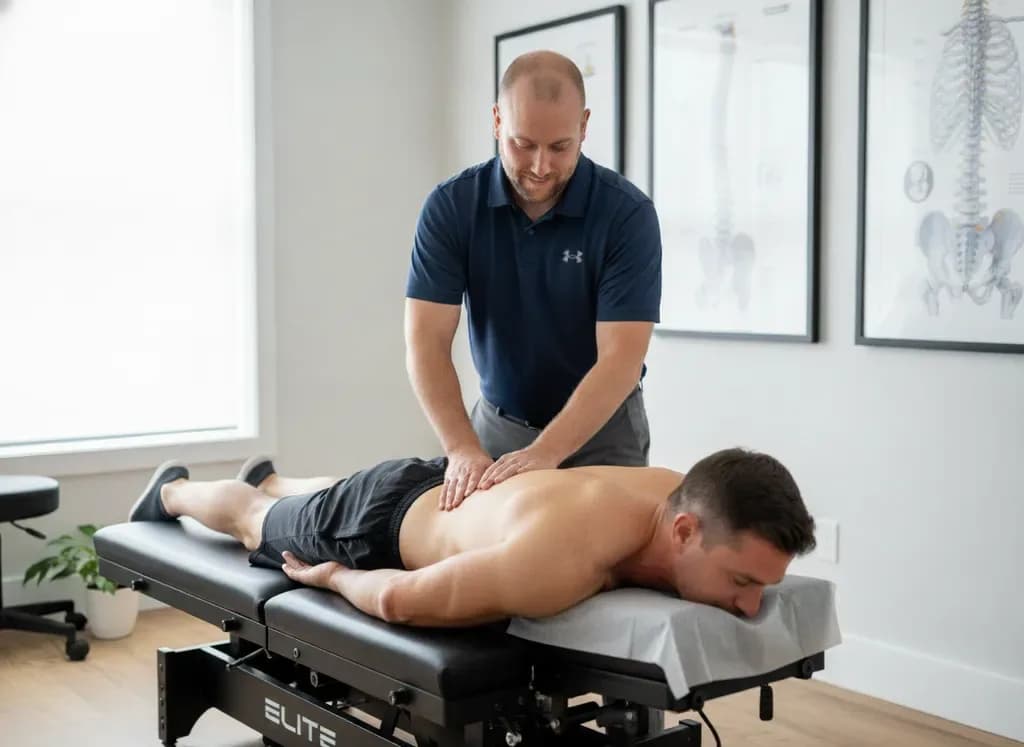
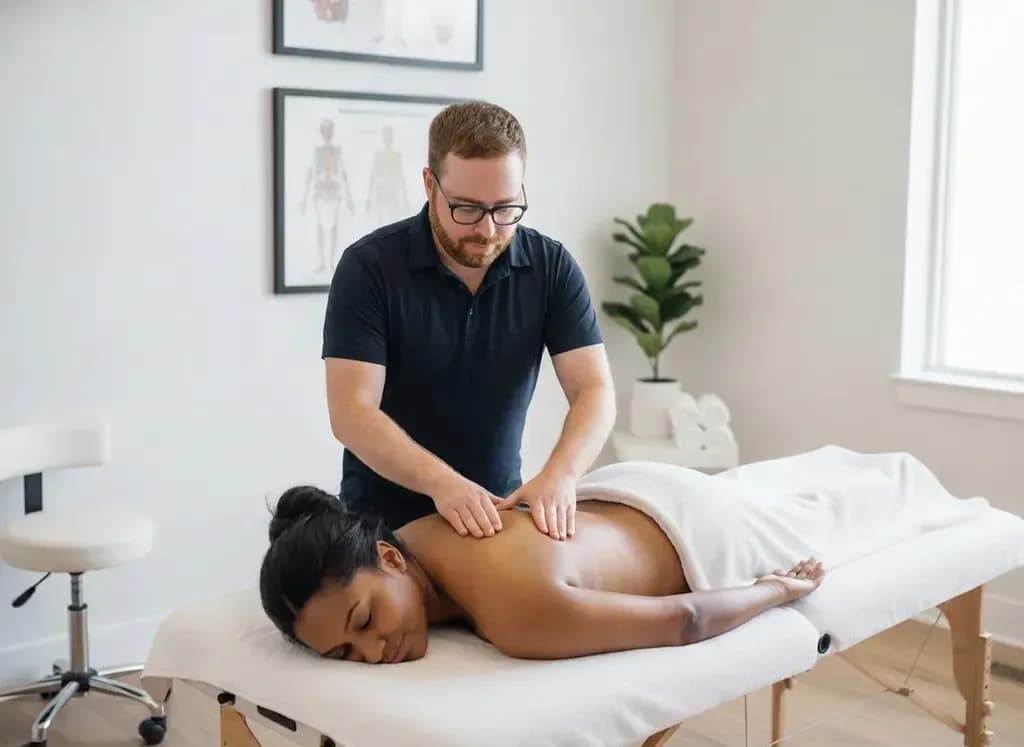
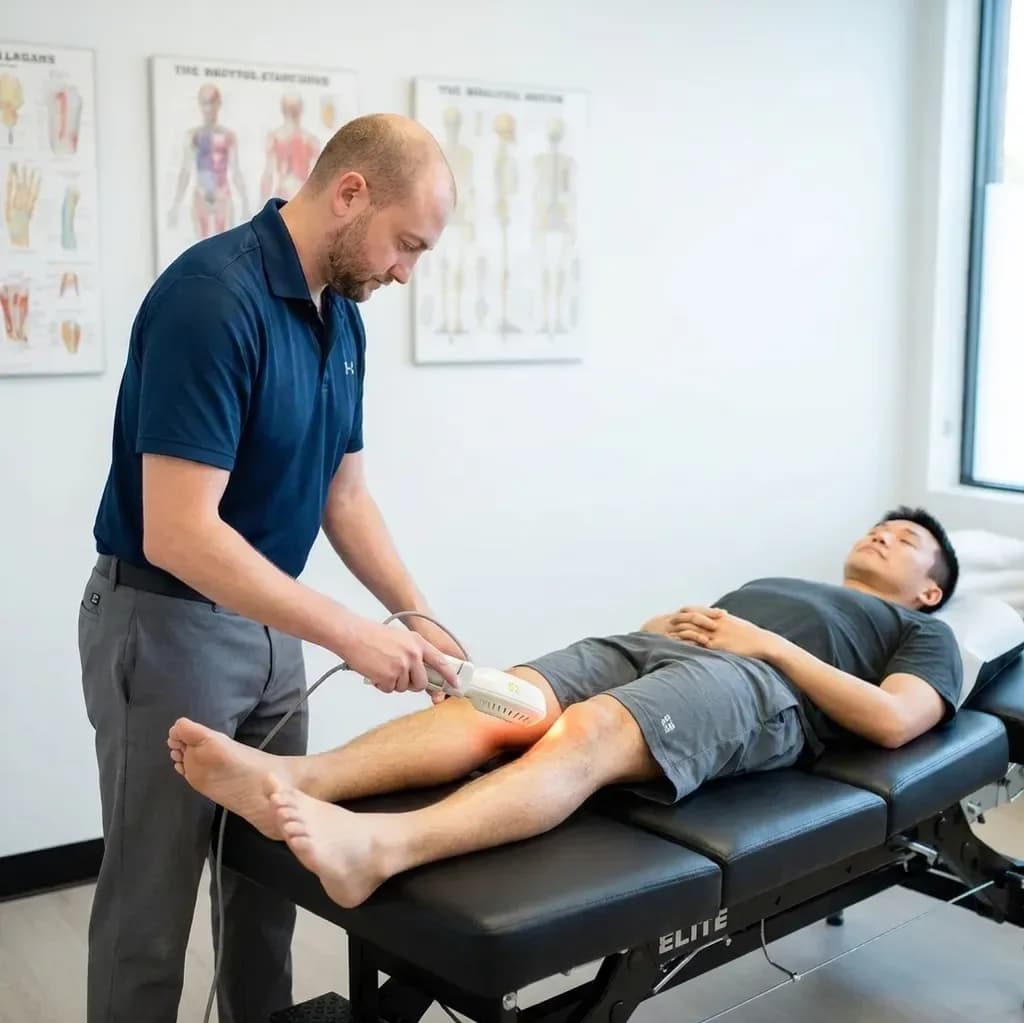
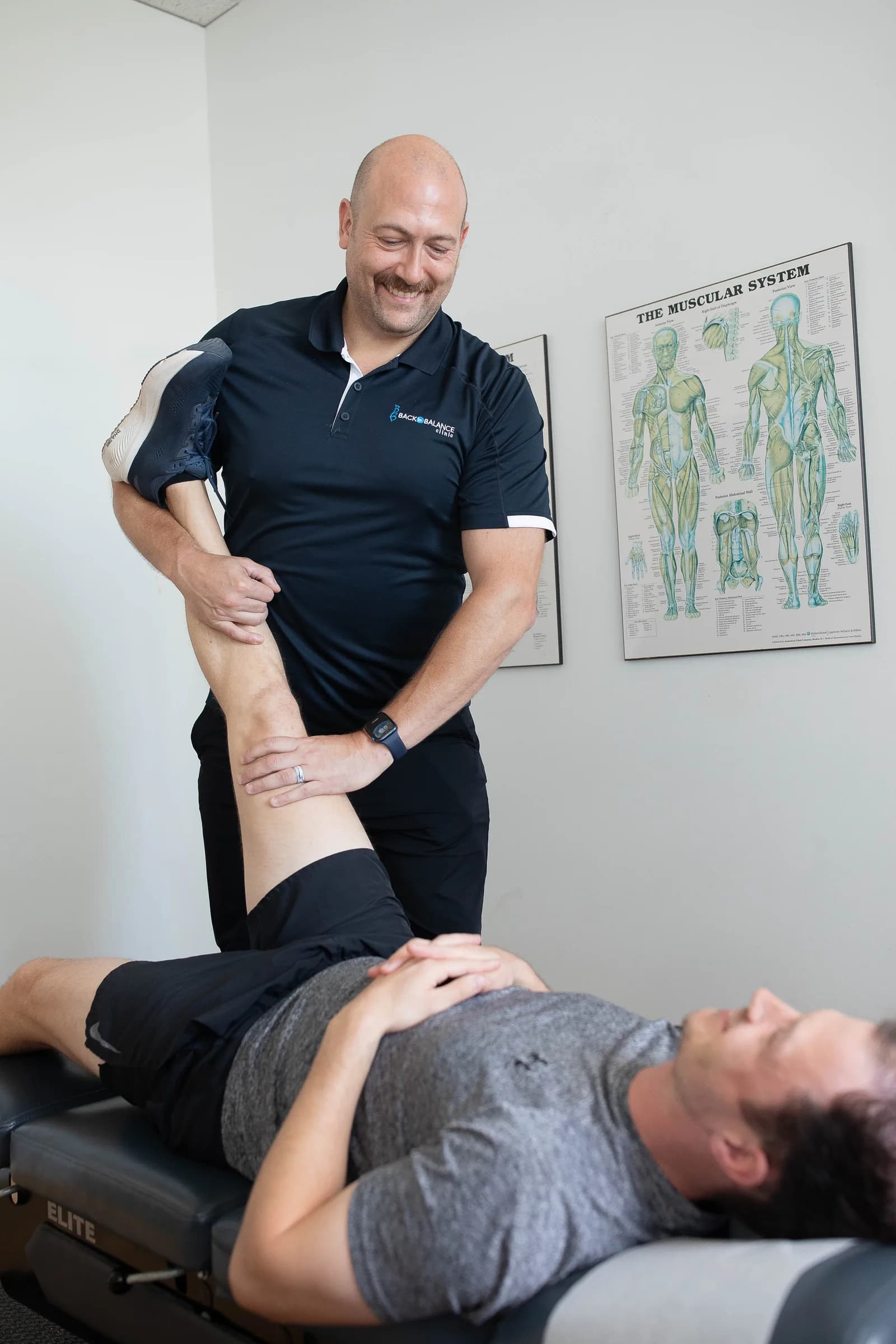
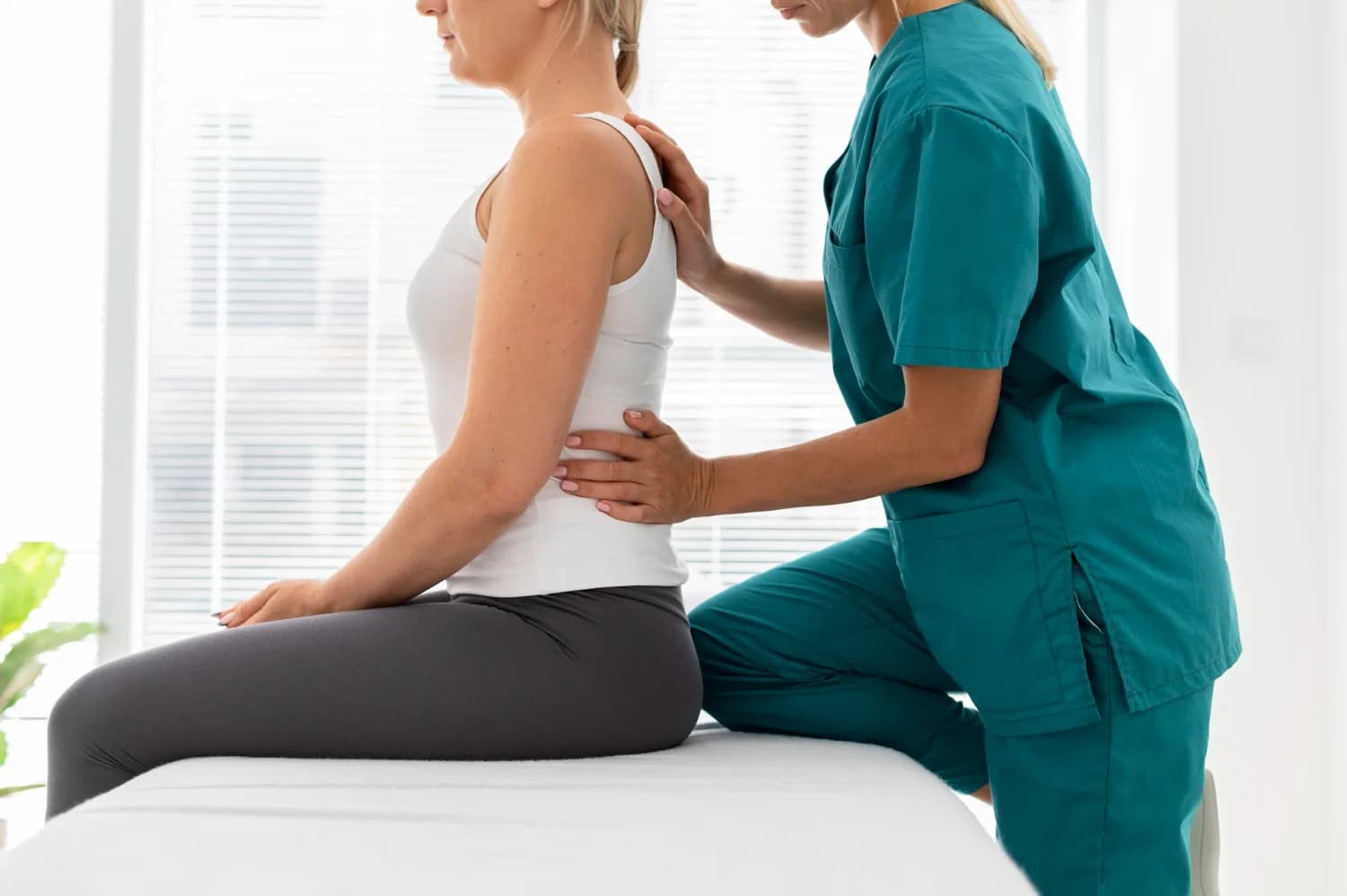
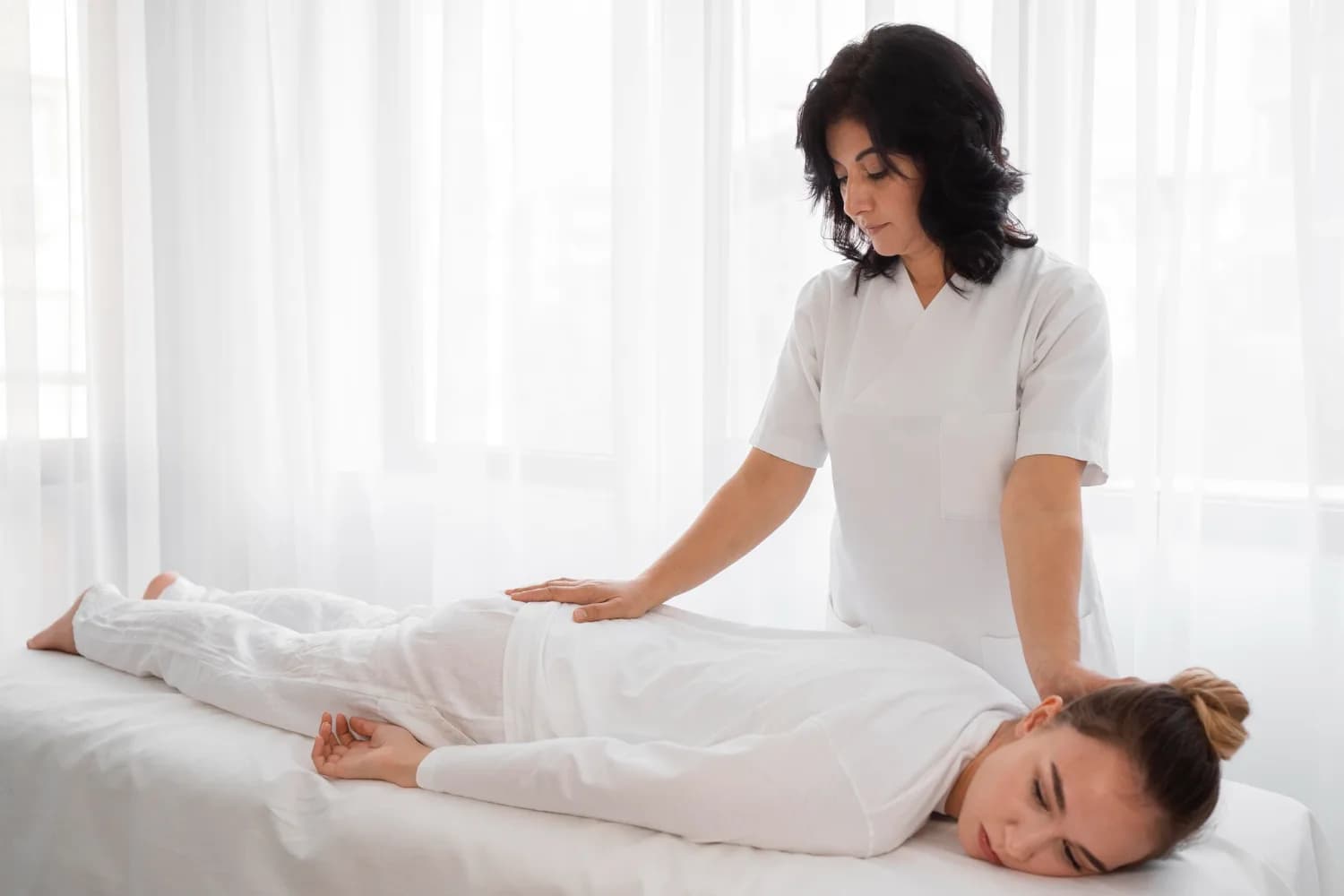
Chiropractic care can help with scoliosis in a couple of ways. Ought to discomfort be experienced, soft tissue work and workout can help support the spine and strengthen the tissues. Laser treatments can likewise help deal with discomfort and promote tissue healing. Stretches can likewise assist handle tension in the muscles experienced. Postural evaluation and handling the mechanics is essential. Typically with scoliosis, there will certainly be mechanical problems that can be repaired with routine treatment and orthotic prescribed. Chiropractic care can not repair or reverse scoliosis. Often, scoliosis is a physiological modification that can not be reversed. The care would be encouraging, in helping one deal with the problems of having a spinal curvature. By doing this, the objective is to make another practical and able to tackle their lives pain-free.
REFRENCES.
Gremeaux, V. et al. 2008. Analysis of Low Pain in the back in Grownups with Scoliosis. Spinal column. 33(4): 402-405.
Patient Results After Harrington Instrumentation for Idiopathic Scoliosis: A 15-28 Year Assessment. SPINAL COLUMN.
Related reading: Why See a Toronto Chiropractor When You Have Post-Holiday Aches.