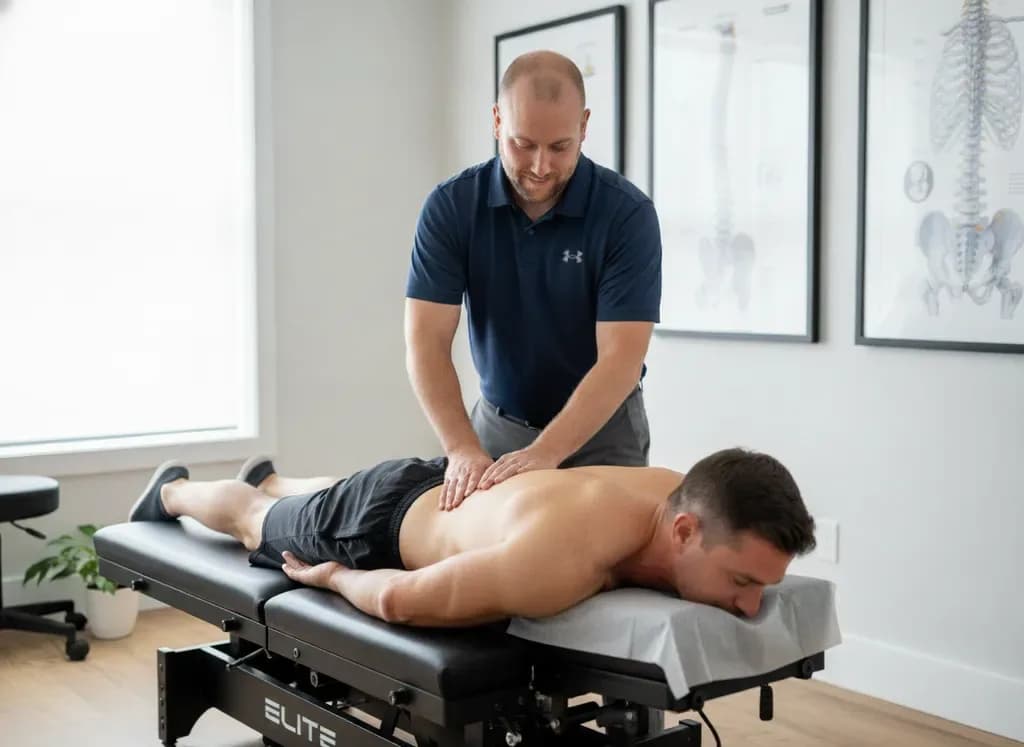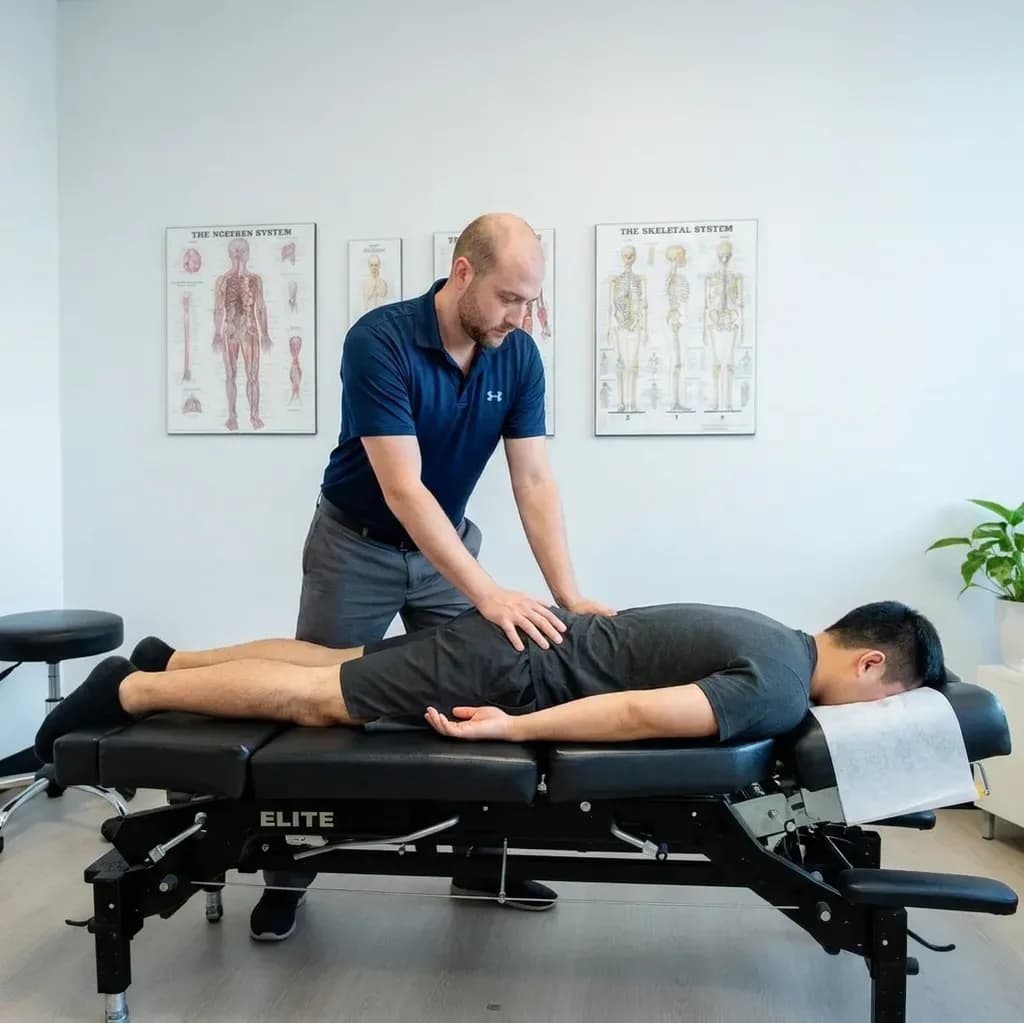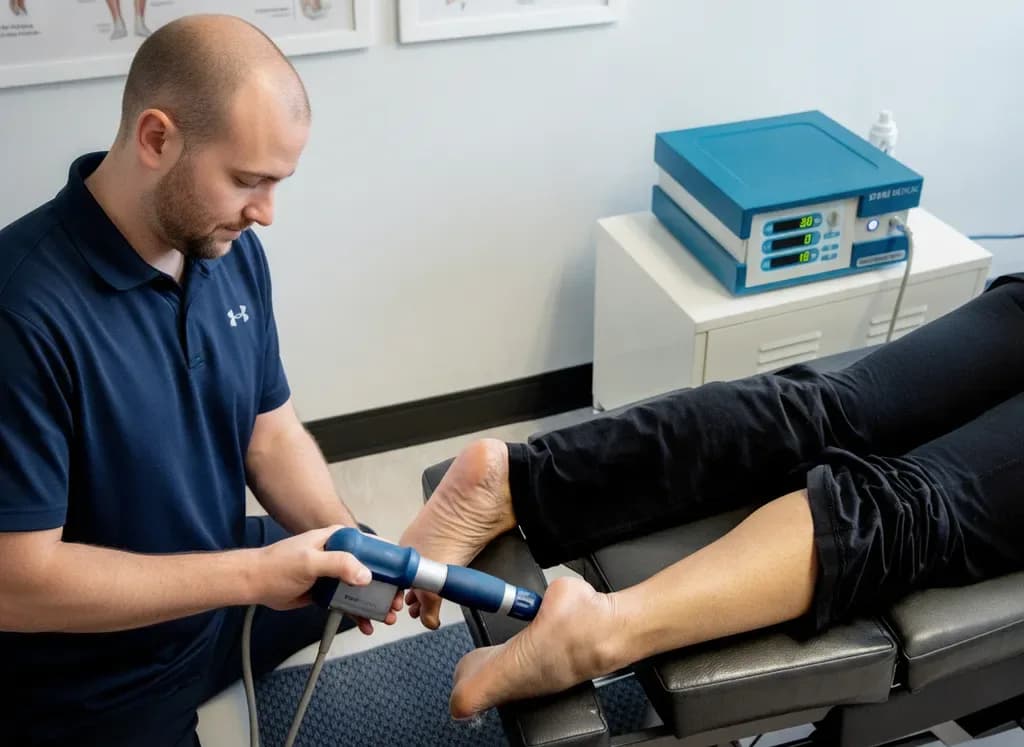
Low back pain is extremely common with up to 80% of people experiencing it at some point in their life. The prevalence of low back pain in the adult population is 30% with the most common form being designated as mechanical or nonspecific. This name is given to low back pain that lacks specific tissue damage. Thankfully, this type of back pain is self-limiting and usually resolves in 4 to 6 weeks. However, more than 2/3 of people with low back pain experience a recurrent episode within 12 months and complete relief takes some time to achieve. Lastly, the economic costs related to the small minority of individuals with persistent, disabling occupational low back pain are an enormous problem for society.
The good news is that the majority of back pain improves rapidly and most of the causes are not serious or life threatening. A minority of people will experience chronic, unremitting low back pain while disability persists in a small percentage of people. Most individuals do not seek care from a medical professional but when they do, the pain does not last as long. Satisfaction is particularly good with chiropractic care.
Anatomy of the Low Back
There are 4 structures that make up the majority of the pain generators of the low back. There are other possible causes but the 4 structures often causing pain are:
- The intervertebral disc: small circular tissue found between each bony spinal segment, known as a vertebral body
- The facet joints: located on the back side of the spine, these connect one vertebral body to another vertebral body and allow for motion
- The nerve root: the initial branch of a nerve as it leave the spine
- The musculature: tissue that has the ability to contract and allows for spinal stability and motion
The following figure shows some of these structures

Patterns of Back Pain
There are 4 patterns of low back pain, each with their own type of pain presentation, symptoms, and aggravating factors
Flexion Intolerant Low Back Pain
This is the most common pattern of low back pain because it is aggravated in a position we often place ourselves in: forward flexed position (ex:sitting). This pain pattern involves the intervertebral disc that can develop small tears over a period of time. The pain itself is often intermittent and can worsen with flexion activities such as sitting, as well as bending and twisting. The pain may also increase from coughing, sneezing and straining.